
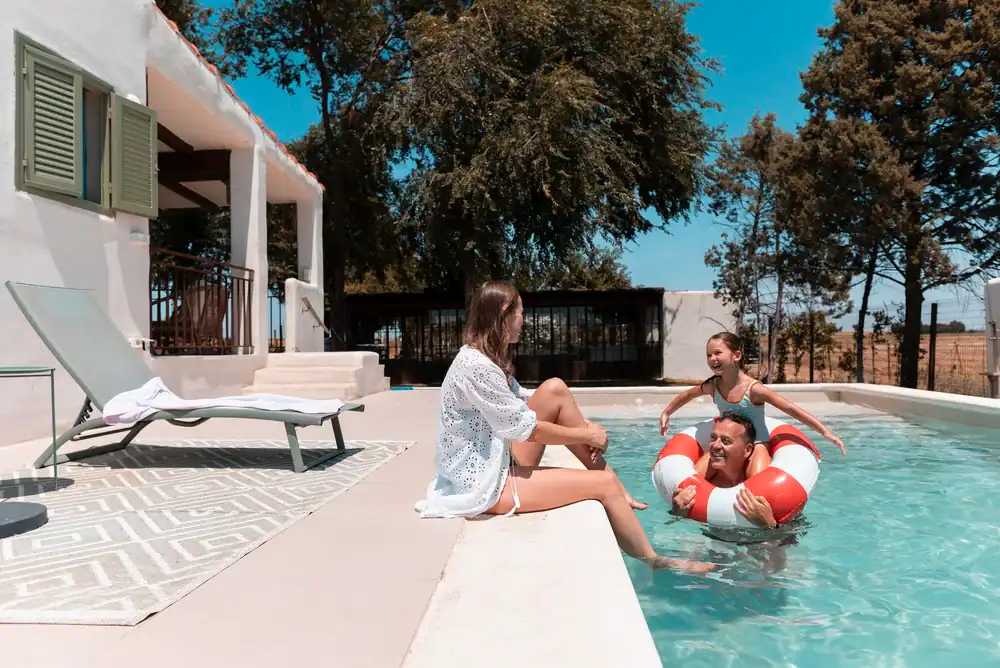

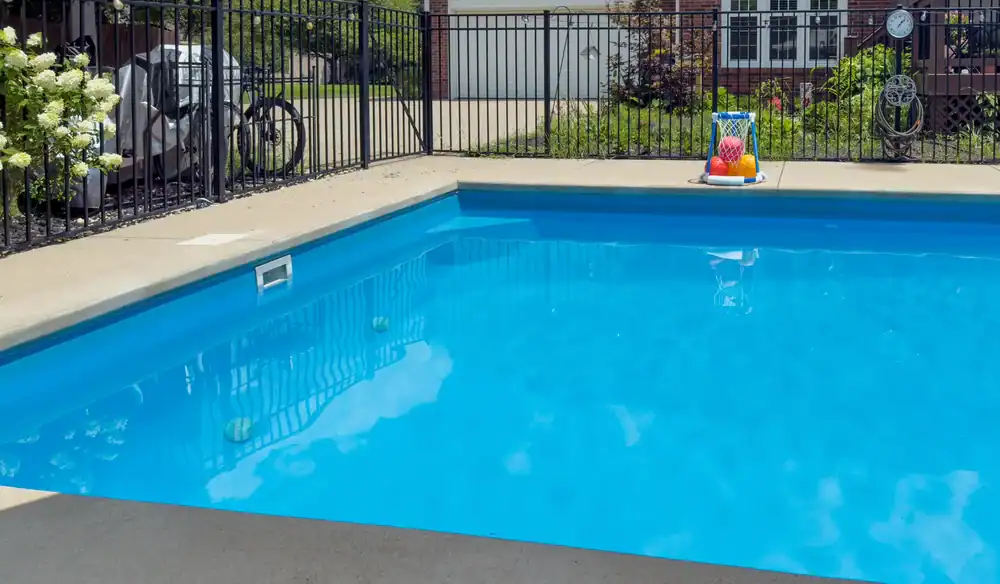
You’re not buying a hole in the ground. You’re buying mornings with coffee on the pool deck, afternoons where the kids aren’t glued to screens, and evenings that don’t require a beach parking pass. You’re buying a space that makes your property feel like the place everyone wants to be.
But here’s what matters before any of that: the work has to hold up. Long Island isn’t easy on pools. The soil shifts. The water table rises. Winter freezes, summer bakes. If the grading’s off or the coping isn’t set right, you’ll know within two seasons.
That’s where the difference shows. Custom in-ground pools in Suffolk County aren’t just about the shape or the tile—they’re about understanding what happens underground, how water moves, and what your yard actually needs before the concrete gets poured. When it’s done right, you don’t think about the install anymore. You just use the pool.
We’ve been building in-ground pools across Suffolk County and Nassau County for years, and we’ve seen what works and what doesn’t. We know which towns require engineered drawings, where the water table sits in Lake Ronkonkoma versus Smithtown, and how to keep a project moving when weather tries to slow it down.
We’re not the cheapest option, and we won’t pretend to be. What you get is a crew that shows up, communicates clearly, and builds pools that don’t need major repairs two years in. We handle the permits, the grading, the pool patio masonry, and the final walkthrough. You get one point of contact and a finished product that makes sense for your property.
Lake Ronkonkoma homeowners deal with specific challenges—soil conditions, setback rules, and seasonal timing. We’ve worked through all of it. If you want someone who knows the area and won’t surprise you with hidden fees halfway through, that’s what we do.
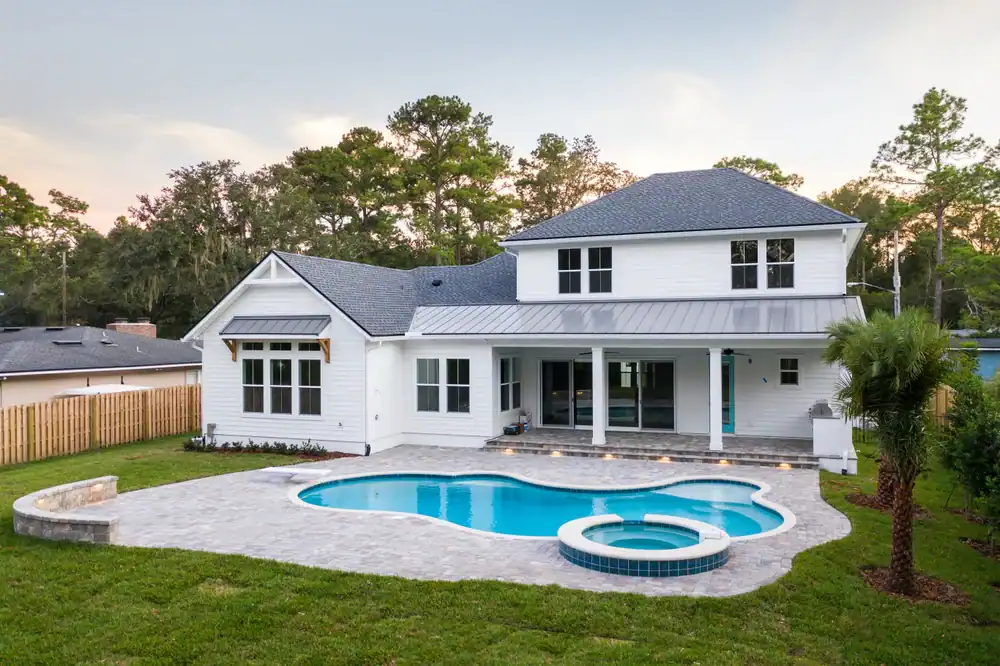
First, we come out and look at your yard. Not just measurements—we’re checking grade, drainage, sun exposure, and access for equipment. If there’s a problem, you’ll know before we talk price. Then we walk through design options that fit your space and your budget. No upselling. Just honest input on what works.
Once you’re ready to move forward, we handle the permits and engineering. Every town in Suffolk County has different requirements, and we’ve worked with all of them. You’re not figuring that out on your own.
Excavation comes next. We dig, grade, and prep the site for the shell. If we hit rock or groundwater, we deal with it—it’s part of the process here. Then the pool goes in, followed by plumbing, electrical, and backfill. After that, we move to pool coping and tile, then the concrete pool surrounds and any retaining walls or patio work you’re adding.
The timeline depends on weather, inspections, and how complex your site is. Most projects take several weeks once we break ground. We’ll keep you updated the whole way, and we won’t leave until the final inspection clears and you’re ready to fill it.
Ready to get started?
You’re getting more than just the pool. Every project includes site evaluation, permit coordination, excavation, grading, and the full pool installation. We also handle custom pool coping and tile, concrete surrounds, and any necessary pool retaining walls to manage elevation changes or drainage issues.
If you’re building a complete backyard poolscape in Nassau County or Suffolk County, we integrate the patio, walkways, and hardscaping so everything flows. That means matching materials, proper slope for water runoff, and a layout that makes sense for how you’ll actually use the space. No one wants a beautiful pool with a patio that puddles every time it rains.
We also coordinate inspections and make sure everything meets local code. That includes setback requirements, fencing, and any environmental considerations specific to your property. Lake Ronkonkoma has its own quirks when it comes to zoning and water table management, and we’ve worked through those details more times than we can count.
When the project’s done, you get a pool that’s built to last and a yard that feels finished—not like a construction zone with a pool dropped in the middle.
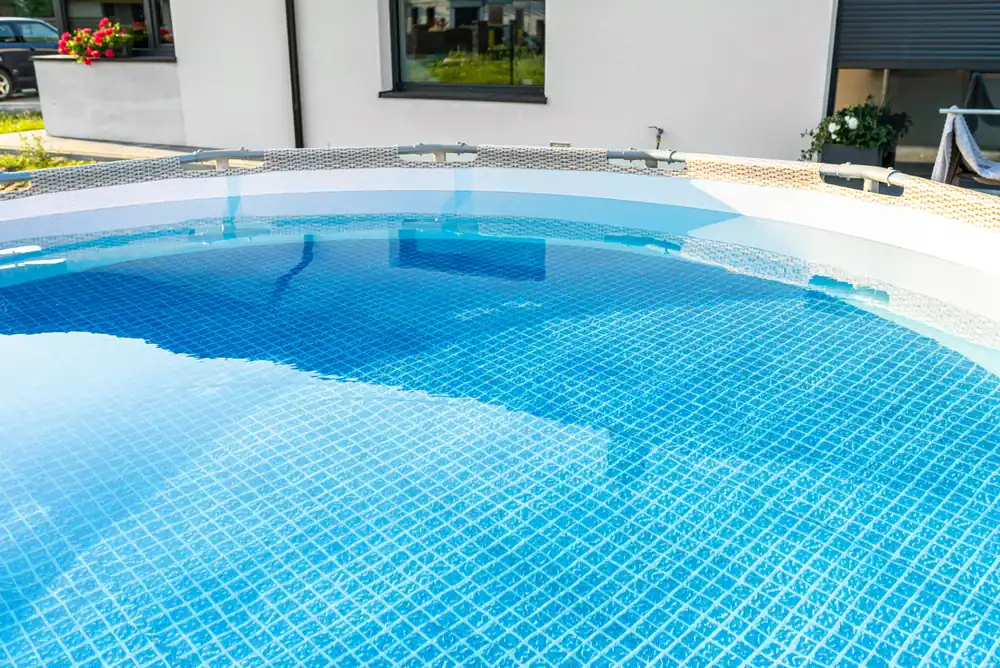
The honest answer is it depends on size, materials, site conditions, and what else you’re adding. A basic in-ground pool in Suffolk County typically starts around $55,000, but that number moves quickly depending on your property. If we’re dealing with a high water table, difficult access, or significant grading work, costs go up. Same goes if you’re adding custom pool coping and tile, upgraded finishes, or a full patio and poolscape.
Long Island costs run higher than other parts of the country because of stricter codes, higher labor rates, and the need for engineered solutions on many properties. Add-ons like retaining walls, lighting, or premium materials can push the total closer to $70,000 or more. The key is getting a detailed estimate upfront so there aren’t surprises halfway through the project.
We price everything clearly from the start. You’ll know what’s included, what’s optional, and where your money is going. If something unexpected comes up during excavation—like rock or groundwater—we talk through it before moving forward. No one likes hidden fees, and we don’t operate that way.
Most in-ground pool installations in Nassau County and Suffolk County take anywhere from several weeks to a few months, depending on the scope of work and the time of year. The actual construction might only take a few weeks once we break ground, but permits, inspections, and weather delays add time.
Spring and summer are the busiest seasons for pool contractors, so if you’re hoping to swim by July, you need to start planning the previous fall or winter. Permitting alone can take weeks depending on the town. Some municipalities move faster than others, and if engineering is required, that adds another layer of time.
Weather is the wildcard. Rain delays excavation. Cold temperatures affect concrete curing. If we hit unexpected site conditions—ledge rock, high groundwater, or drainage issues—we have to address those before moving forward. A straightforward install on a flat, accessible lot with no complications will move faster than a hillside property with access challenges and a high water table.
We’ll give you a realistic timeline during the estimate and keep you updated if anything changes. Rushing a pool install to meet an arbitrary deadline usually leads to problems. Better to do it right and swim all summer next year than cut corners and deal with repairs.
Yes. Every town in Suffolk County requires permits for in-ground pool installation, and Lake Ronkonkoma is no exception. You’ll need a building permit at minimum, and depending on your property, you might also need engineered drawings, a survey, or additional approvals for grading and drainage work.
Each town has its own setback requirements, which dictate how far the pool needs to be from property lines, septic systems, and structures. Some areas also have rules about fencing, gates, and safety barriers that have to be in place before the final inspection. If you’re in a flood zone or near wetlands, there may be additional environmental reviews.
We handle all of that. Permit applications, coordination with the town, scheduling inspections—it’s part of what we do on every project. You don’t need to figure out which forms to fill out or who to call at the building department. We’ve done this enough times to know what each town requires and how to keep things moving without unnecessary delays.
Skipping permits or trying to DIY the process is a bad idea. If the town finds unpermitted work, you could be forced to remove the pool or face fines. It’s not worth the risk, and it’s not something you want to deal with when you’re trying to sell your house down the road.
Gunite pools are custom-built on site using a steel rebar framework and sprayed concrete. They’re the most durable option and allow for any shape, size, or depth you want. Most high-end in-ground pools in Suffolk County are gunite because they hold up well to freeze-thaw cycles and can be finished with tile, aggregate, or plaster. They cost more upfront and take longer to install, but they last decades if maintained properly.
Vinyl pools use a pre-fabricated steel or polymer wall structure with a vinyl liner. They’re less expensive and faster to install, but the liner needs to be replaced every 7-10 years, and they’re more prone to punctures and tears. They’re a decent option if budget is tight, but the long-term costs add up with liner replacements and repairs.
Fiberglass pools are pre-molded shells that get delivered and set into an excavated hole. Installation is quick, and the surface is smooth and low-maintenance. The downside is you’re limited to whatever shapes and sizes the manufacturer offers, and they can shift or crack if the ground isn’t prepped correctly. They’re also not ideal for properties with access issues since the shell has to be craned in.
For Long Island’s climate and soil conditions, gunite is usually the best choice. It handles ground movement better, offers more design flexibility, and doesn’t require liner replacements. We’ll walk through all the options during your consultation so you can decide what makes sense for your property and budget.
Yes, but it requires more planning and usually some additional site work. Sloped yards are common in Suffolk County, especially on the North Shore, and we’ve built plenty of pools on properties with significant grade changes. The key is proper grading and retaining walls to manage elevation and drainage.
If your yard slopes toward the house, we need to make sure water from the pool area doesn’t flow back toward your foundation. That might mean regrading part of the yard, installing retaining walls, or adding drainage systems to redirect runoff. If the slope is severe, we might terrace the area around the pool to create level zones for the deck and patio.
Retaining walls aren’t just functional—they can also add visual interest and define different areas of your backyard. We use materials that match the pool coping and patio so everything feels cohesive. The goal is to make the slope work for you instead of against you.
Sloped sites do add cost because of the extra excavation, grading, and wall work, but they also create opportunities for unique designs. A pool set into a hillside with a raised patio and built-in seating can look incredible. We’ll assess your property during the site visit and show you what’s possible. If the slope is too extreme or the site conditions don’t make sense for a pool, we’ll tell you that too.
You’ll need to maintain water chemistry, clean the filter, skim debris, and brush the walls regularly during swim season. Most of that is straightforward—test the water a couple times a week, add chemicals as needed, and run the pump daily. If you’d rather not deal with it, you can hire a pool service to handle weekly maintenance.
The bigger task is closing the pool for winter and opening it in spring. Long Island winters are hard on pools, so proper winterization is critical. That means balancing the water chemistry, lowering the water level, blowing out the lines, adding antifreeze, and covering the pool. If water is left in the lines and it freezes, you’re looking at cracked pipes and expensive repairs. Most people hire someone to close and open their pool unless they’re comfortable doing it themselves.
You’ll also need to keep an eye on the pool surface and equipment. Gunite pools may need resurfacing every 10-15 years depending on wear. Pumps, filters, and heaters have lifespans and will eventually need replacement. Coping and tile can crack or shift over time, especially if the ground settles or freezes.
Suffolk County’s climate creates specific challenges. You’re dealing with freeze-thaw cycles, salt air if you’re near the coast, and a shorter swim season than warmer states. Choosing quality materials and keeping up with maintenance makes a big difference in how long everything lasts. We’ll walk you through what to expect and recommend local service companies if you want help with upkeep.
Other Services we provide in Lake Ronkonkoma