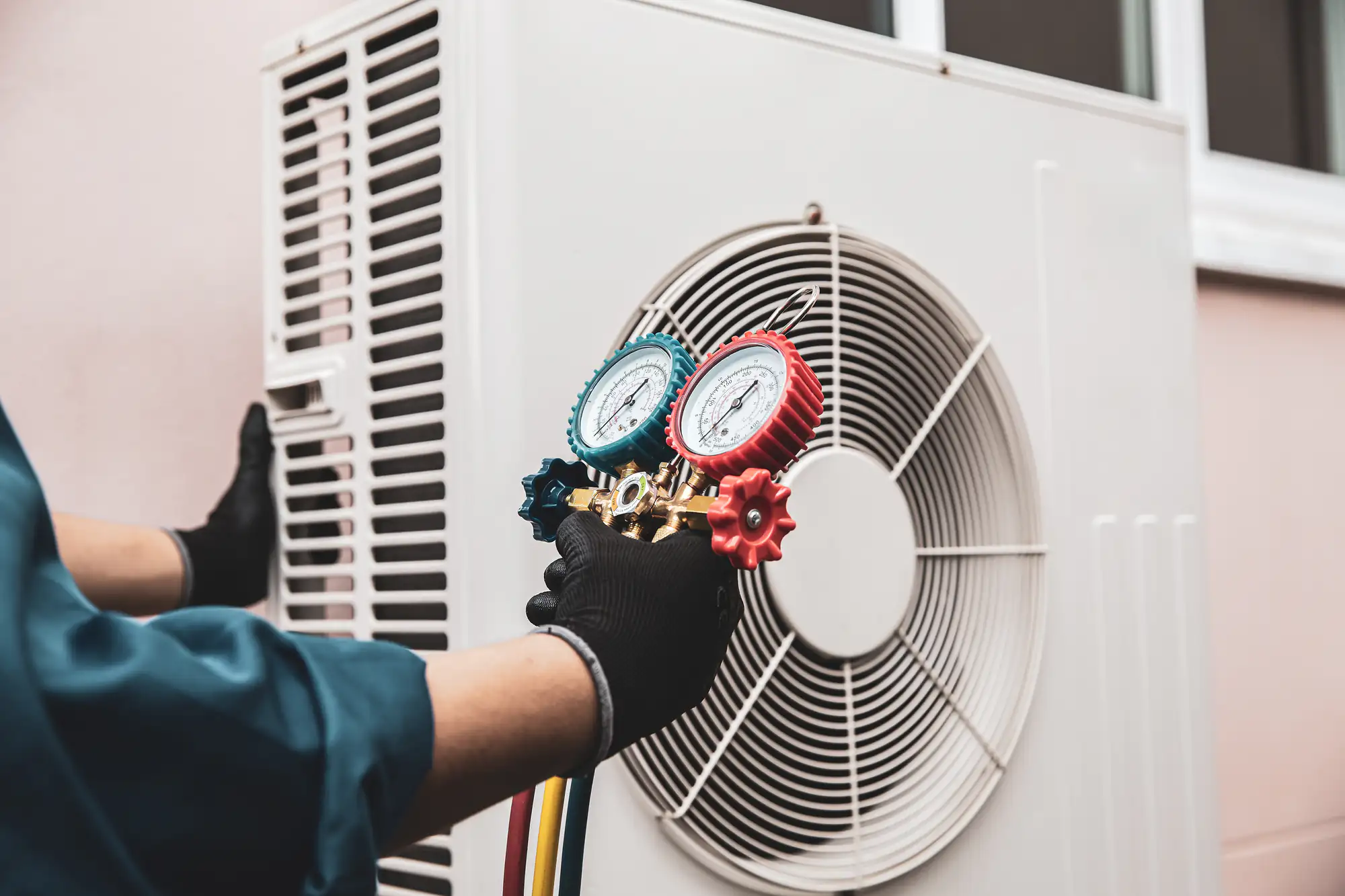

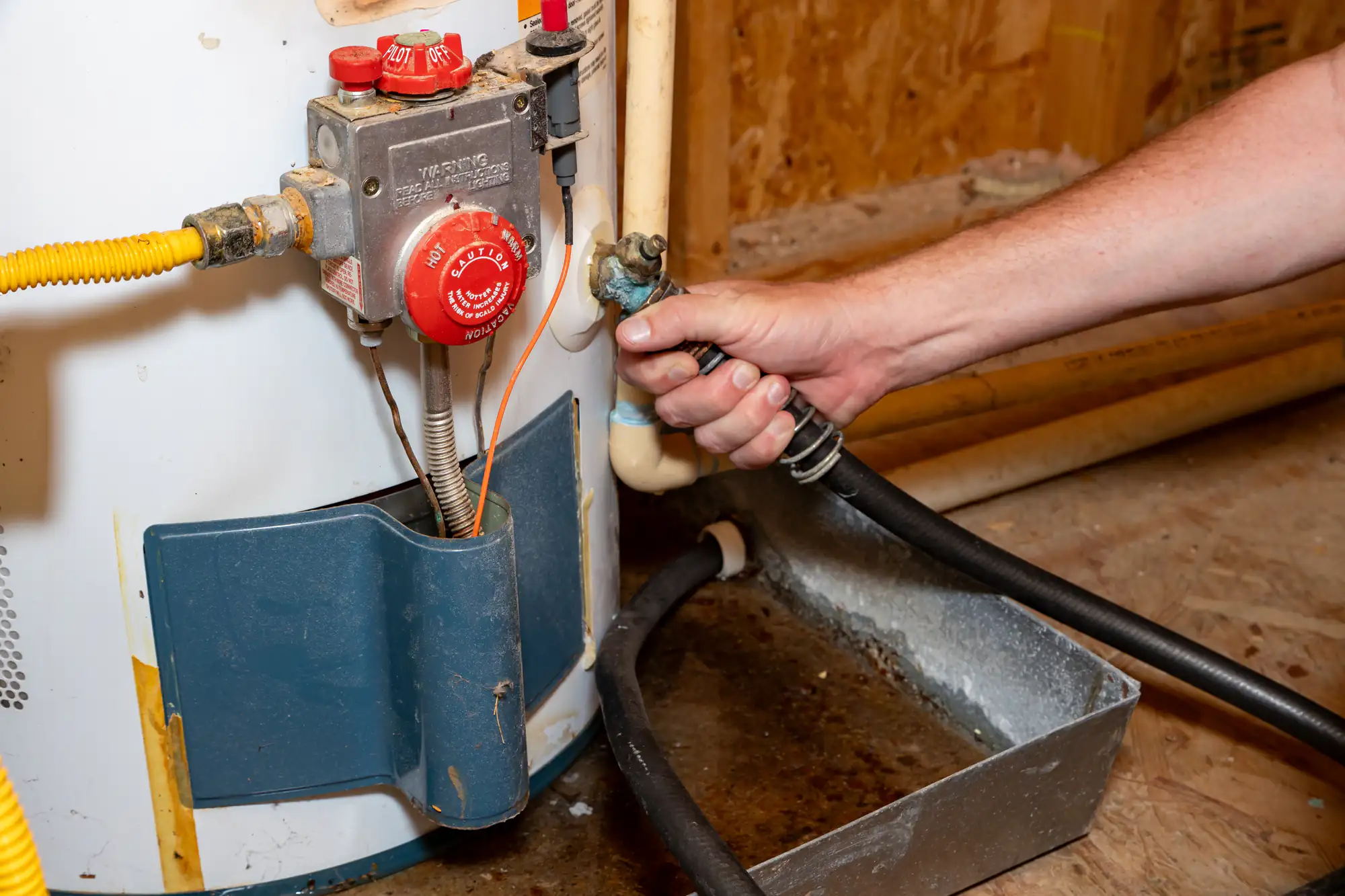
Most East Islip homeowners running on oil heat don’t notice anything wrong until the heating bill climbs or the boiler starts acting up. By then, soot has already been building on the heat exchanger surfaces for months sometimes longer. Just a thin layer of buildup, about a millimeter, is enough to raise your flue gas temperature and drop your boiler’s efficiency by 3 to 4 percent. That translates directly to more oil burned for the same amount of heat.
After a thorough cleaning, your system runs the way it was designed to pulling more heat out of every gallon of oil instead of pushing it out the flue.
Living on the south shore of Long Island adds a layer to this that inland communities don’t deal with. The salt air coming off the Great South Bay doesn’t just affect your gutters and your car it works on the metal components inside your chimney flue system year-round. Flue liners, exhaust connectors, and chimney caps corrode faster in a coastal environment. Annual cleaning gives you the chance to catch that deterioration early, before a corroded or cracked liner becomes a carbon monoxide problem.
For a home worth $640,000 or more, that kind of early detection is exactly what preventive maintenance is supposed to do. East Islip is also a community where homes change hands within families people who grew up here, left, and came back. If you inherited your parents’ house or bought it from an estate, you may have no idea when the boiler system was last professionally serviced. A baseline cleaning and inspection answers that question and tells you exactly what you’re working with going forward.
We’ve earned an “A” rating with the BBB and an Angi award every year for six consecutive years. That’s not a one-time thing it’s a track record that gets re-evaluated annually by two independent platforms. For East Islip homeowners who research before they call, that kind of sustained recognition is exactly what you’re looking for when you’re vetting a company you’ve never used before.
Based in Bethpage and Suffolk County licensed, we serve East Islip regularly accessible via the Southern State Parkway and Sunrise Highway, which puts most of the hamlet well within same-day service range. Our crew shows up on time, does the work cleanly, and tells you what we find including when something doesn’t need to be done. That last part matters more than most people expect.
What separates us from the HVAC and plumbing companies that show up in local search results is specialization. Every competitor found serving the East Islip area focuses on the mechanical boiler unit. We clean and inspect the full system from the burner through the heat exchanger, up the flue connector, through the chimney liner, and out the top. That’s the part most companies skip, and it’s the part that matters most for safety.
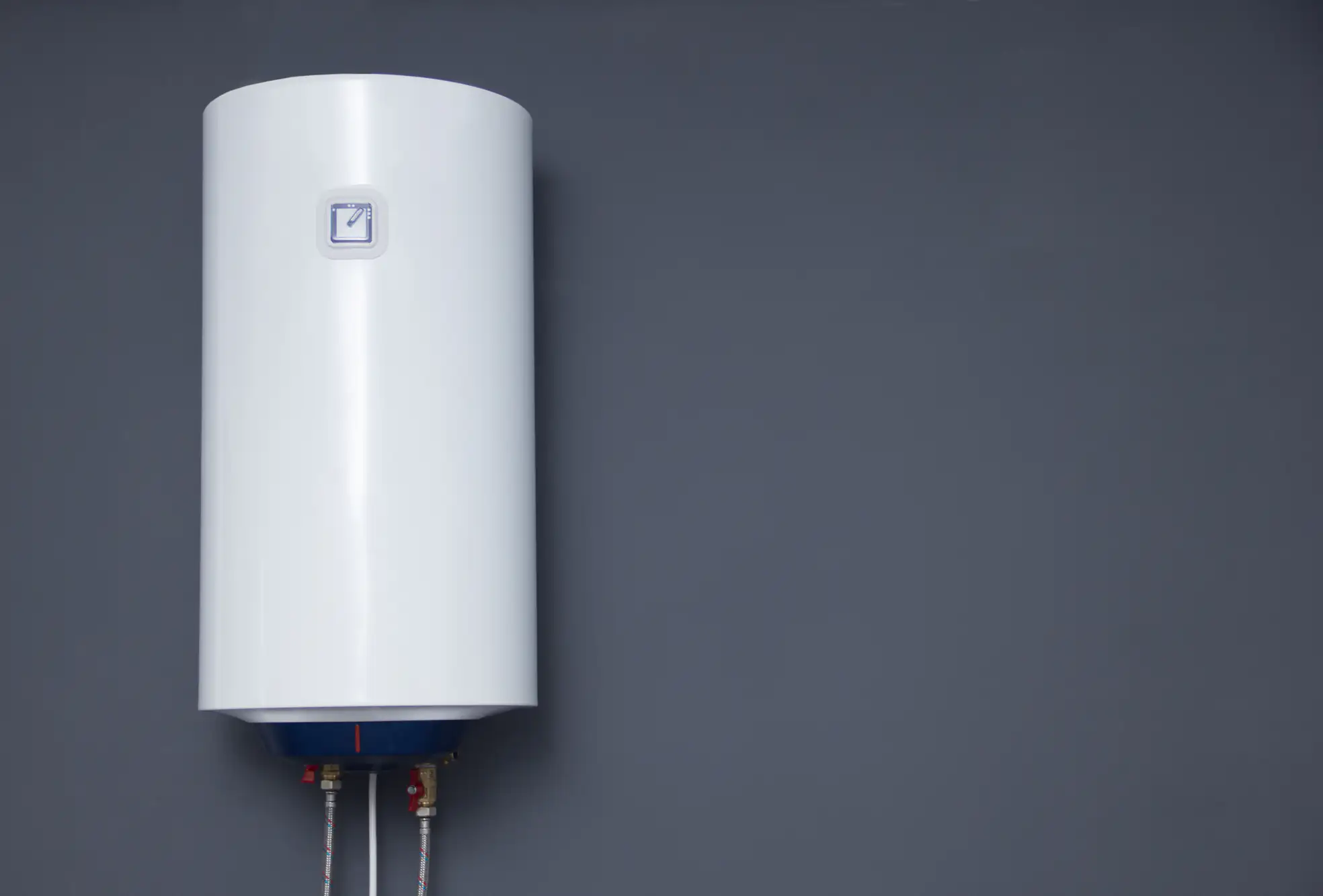
When our technician arrives, the first thing that happens is a full visual inspection not just of the boiler unit itself, but of the entire exhaust pathway. We check the boiler body and connections for corrosion or leaks, inspect the flue connector, and assess the chimney liner from the inside. In East Islip, where homes near the Great South Bay are exposed to salt-laden coastal air year-round, this inspection step is where corrosion issues tend to surface first. A liner that looks fine from the outside can show significant deterioration inside, and catching that early is the whole point.
From there, we clean the heat exchanger surfaces, burners, and ignition system removing the soot and combustion deposits that reduce efficiency and restrict airflow. A combustion analysis follows, which checks how well your boiler is burning fuel and whether the air-to-fuel ratio is dialed in correctly. This step alone can recover efficiency you didn’t know you’d lost.
We clean the flue of soot, debris, and any blockages, and if there’s a nest or obstruction something that happens more often in older East Islip homes with uncapped chimneys we clear that too. Safety controls are tested before we leave: pressure valves, thermostats, seals, and safety shutoffs. You get a clear picture of what was found, what was done, and whether anything needs follow-up attention. The whole visit typically runs one to two hours for a standard residential system. We bring our own equipment and leave the space as clean as we found it that’s something East Islip homeowners consistently mention in reviews.

Ready to get started?
Our boiler cleaning service covers the complete exhaust system, not just the mechanical unit. That distinction matters in East Islip, where most of the local competition including general HVAC companies and plumbing contractors services the burner and calls it done. The chimney flue, liner, and exhaust connector are a separate system that requires chimney-specific expertise to clean and inspect properly. We handle both sides.
For East Islip’s roughly 2,674 oil-heat households, the oil-fired boiler is the primary heat source for the entire home. Oil combustion produces more soot and sulfur deposits than gas, which means the flue and liner accumulate buildup faster and need more thorough annual attention. Our cleaning process addresses all of it heat exchanger surfaces, burners, flue passages, and the chimney liner using equipment designed specifically for this type of work, with all installed components UL listed and up to current code.
If your oil delivery company flagged something during a recent visit a blockage, a nest, a flue issue that’s exactly the kind of situation this service is built for. Oil companies service the burner; they don’t clean the chimney or inspect the liner. We cover what they don’t. Suffolk County licensing applies to all work we perform in East Islip, and we carry both liability insurance and workers’ compensation. If you want to verify our credentials before booking, you can and you should.

Once a year is the standard recommendation, and for East Islip oil-heat homes, it’s not optional in any practical sense. Oil-fired boilers produce significantly more combustion byproducts than gas systems soot, sulfur deposits, and other residue accumulate on heat exchanger surfaces and inside the flue faster than most homeowners expect. Skipping a year doesn’t just mean double the buildup the following year; it means corrosion and efficiency loss that compounds over time.
There’s also the warranty angle worth knowing about. Most boiler manufacturers require documented annual professional maintenance to keep the warranty valid. If you skip a cleaning and something fails, you may find out the hard way that the warranty won’t cover it. For East Islip homeowners with homes valued at $640,000 or more, that’s a risk that doesn’t make financial sense when an annual cleaning costs a fraction of what even a minor repair runs.
This is one of the most common points of confusion for Long Island oil-heat customers, and it’s worth being direct about. When your oil delivery company sends a technician for an annual tune-up, they’re servicing the burner unit the mechanical component that ignites and burns the fuel. That typically includes checking the nozzle, filter, and ignition system, and making sure the burner is firing correctly. It’s useful work, but it stops at the boiler itself.
What it doesn’t cover is the exhaust pathway the flue connector, the chimney liner, and the chimney from the inside. That’s where soot, creosote, and debris accumulate, and where blockages, corrosion, and liner damage create carbon monoxide risks. Cleaning and inspecting that side of the system requires chimney-specific expertise and equipment that HVAC technicians don’t carry. In East Islip, where coastal salt air accelerates corrosion of metal flue components, having the full system inspected annually not just the burner is the difference between a maintained system and a partially maintained one.
Yes, and it’s one of the more serious risks that comes from deferred boiler maintenance. Carbon monoxide is produced during combustion, and under normal conditions it exits the home through the flue. When the flue is partially blocked by soot buildup, a bird or animal nest, or a deteriorated liner that’s collapsed inward combustion gases can’t exit properly. They back-draft into the living space instead.
This risk is elevated in East Islip for a couple of reasons. First, the housing stock includes a significant number of older homes where chimney liners may not have been inspected or replaced in decades. Second, the coastal environment along the Great South Bay accelerates corrosion of metal liner components, which can crack or degrade without any visible external sign. A cracked liner in a home near the water can develop faster than one in an inland community. Annual cleaning and inspection is how you find these problems before they become an emergency not after.
If you don’t have maintenance records, you should assume it needs attention. East Islip is a community where homes genuinely do pass through families people who grew up here come back, inherit the house, or buy it from an estate. In those situations, the boiler’s maintenance history is often unknown or undocumented, and the system may have gone years without a professional cleaning or flue inspection.
The right starting point is a baseline cleaning and inspection that assesses the actual current condition of the system not what it should look like based on age, but what it actually looks like right now. That means checking the heat exchanger surfaces, the burner, the flue connector, and the chimney liner from the inside. If the liner is deteriorated or the flue has significant buildup, you’ll know. If everything looks reasonable, you’ll know that too. The goal is an honest picture of what you’re working with, so you can make informed decisions about what comes next.
Fall is when most people think about it, and it’s a reasonable time you want the system cleaned before the heating season is fully underway. But the better window, if your schedule allows, is actually late spring or summer. The boiler is dormant from roughly April through September in East Islip, which means any cleaning or repair work can happen without disrupting your heat supply. If something needs to be fixed a liner section replaced, a cap installed, a blockage cleared it can be addressed at a comfortable pace rather than under the pressure of a cold snap.
The practical upside of summer scheduling is also availability. Fall is when appointment slots fill fastest, and if you’re calling in October or November, you may be waiting longer than you’d like. Booking in the off-season means you get the appointment time that works for you, the work gets done properly without anyone rushing, and your system is ready well before the first cold nights arrive. East Islip’s heating season runs from October through March, so the earlier you schedule, the more flexibility you have.
There are a few specific things worth checking before you hire anyone. First, ask whether they hold a valid Suffolk County license this is the county-level credential required to legally perform chimney and boiler flue work in East Islip. A state business license alone isn’t the same thing, and not every company that markets to Suffolk County homeowners is actually licensed to work here.
Second, ask about CSIA certification. The Chimney Safety Institute of America credential requires passing a rigorous written exam and ongoing continuing education it’s the industry standard that separates chimney specialists from general contractors who occasionally clean flues. You can verify CSIA certification independently through their website, which matters if you’re doing your due diligence before letting someone into your home.
Third, ask for a Certificate of Insurance that shows both liability coverage and workers’ compensation. Verbal assurance isn’t enough. If an uninsured worker is injured on your property, the financial exposure falls on you as the homeowner. In a community where the average home is worth over $640,000, that’s not a risk worth taking to save a few dollars on a cleaning. We carry both, hold Suffolk County licensing, and have six consecutive years of BBB and Angi recognition the kind of verifiable track record that holds up when you actually look into it.
Other Services we provide in East Islip