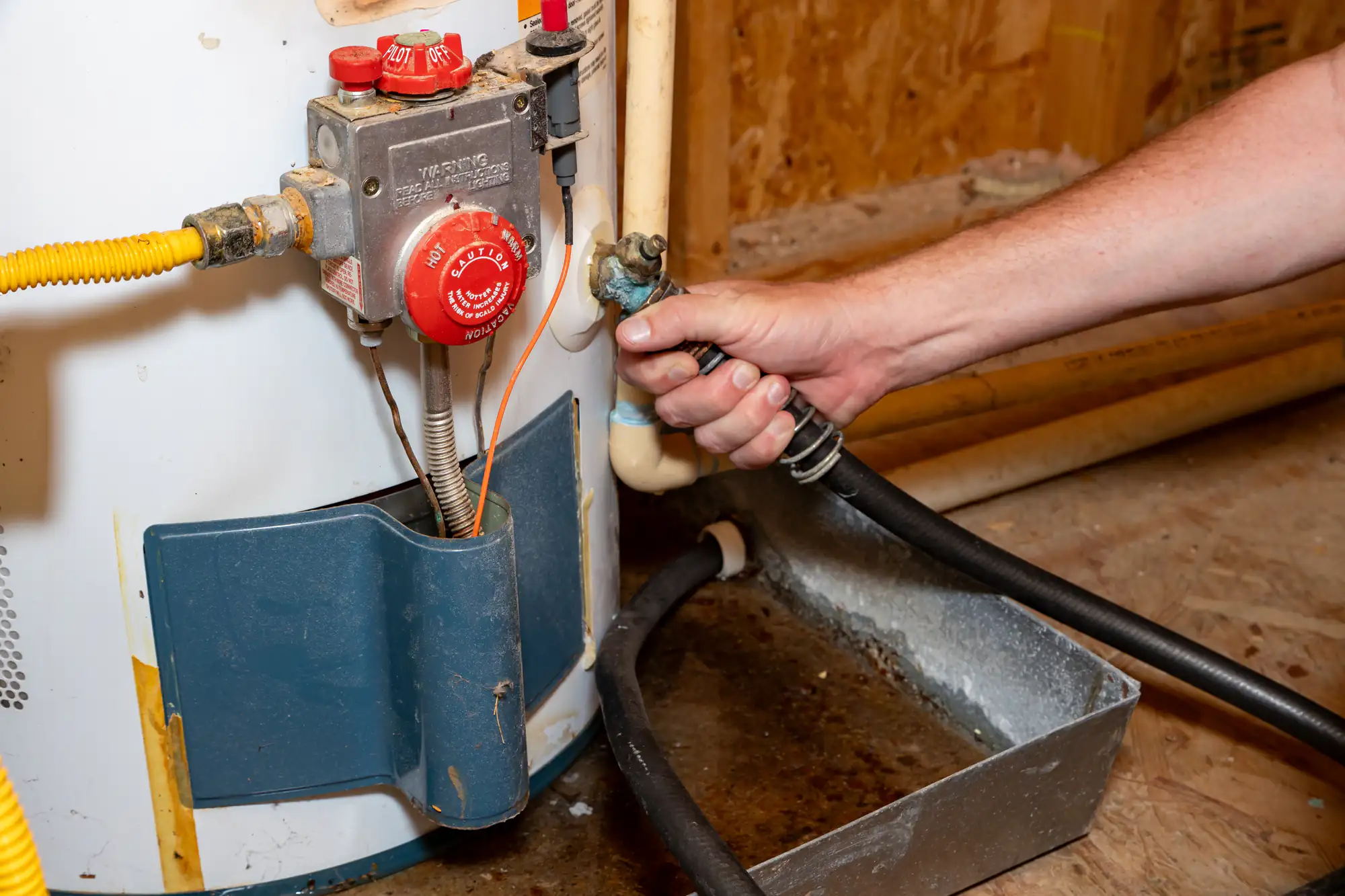


A dirty boiler doesn’t announce itself. It just quietly burns more fuel, works harder than it should, and puts more strain on a system that in a lot of Farmingdale homes has already been running for decades. The difference after a proper cleaning is real: better heat transfer, lower fuel consumption, and a system that isn’t fighting against its own buildup every time the temperature drops.
For homes in Farmingdale and South Farmingdale built during the post-war housing boom, this matters more than most people realize. These are oil-fired systems connected to original masonry chimneys that have been in continuous use for 60, sometimes 70 years. Soot doesn’t just reduce efficiency in those setups it accumulates in aging flue liners that were never designed to go without regular cleaning. When the flue is blocked or degraded, combustion gases don’t vent the way they should, and that’s when carbon monoxide becomes a real concern, not a hypothetical one.
The other thing worth knowing: most boiler manufacturers require annual professional maintenance to keep the warranty valid. If you’ve skipped a year or a few that coverage may already be gone. Getting cleaned up now doesn’t just make the system run better. It puts you back in a defensible position if something goes wrong down the road.
We’re based in Bethpage, about one to three miles west of Farmingdale village close enough to know the housing stock here, the oil heat culture, and what these older Nassau County systems actually look like when you open them up. We’ve been recognized by both Angie’s List and the BBB with awards for six straight years. That kind of sustained recognition doesn’t come from one good season. It comes from showing up consistently, doing honest work, and not padding the bill.
What sets us apart from the HVAC companies that also offer boiler service is scope. Most of them clean the mechanical unit and stop there. We’re licensed in Nassau County and Suffolk County which matters specifically in the Farmingdale area, where the county line runs right through the community and we clean the entire system: the boiler, the flue, and the chimney. That’s the full picture, not half of it.
Our technicians have been documented telling customers they didn’t need a service they called about. In this industry, that kind of honesty is genuinely uncommon.

When we come out for a boiler cleaning in Farmingdale, the visit starts with a full visual inspection the boiler itself, the piping, the connections, and any visible signs of corrosion, wear, or leaks. Nothing gets cleaned until we understand what we’re working with. For a home along Fulton Street or in the South Farmingdale neighborhoods, that often means working with an oil-fired system that’s been in place for decades, which requires a more careful eye than a newer gas setup.
From there, the heat exchanger and burners get cleaned this is where soot accumulation does the most damage to efficiency, and where a 1mm layer of buildup can quietly cost you 3 to 4 percent in fuel performance every single season. The flue gets inspected and cleared, combustion is analyzed and adjusted, and safety controls are tested. If there’s a nest, a blockage, or debris in the chimney pathway, we address it too not flagged for a follow-up visit.
The whole process typically takes one to two hours for a residential system. You’ll know what was found, what was done, and what if anything needs attention before the heating season gets underway. No pressure, no invented problems. Just a clear picture of where your system stands.
Ready to get started?
The Greater Farmingdale area spanning the village in Nassau County and East Farmingdale across the county line in Suffolk has a high concentration of oil-heated homes. The number of heating oil delivery companies actively serving the 11735 ZIP code makes that obvious. Oil-fired boilers, by their nature, generate significantly more soot and carbon deposits than gas systems. Annual boiler cleaning in Farmingdale isn’t a nice-to-have. It’s a basic operating requirement for keeping the system safe and efficient through a Long Island winter.
What we deliver is a complete boiler cleaning and inspection that covers both sides of the system. That means the mechanical boiler unit heat exchanger, burners, ignition system, pressure valves, safety controls and the full chimney and flue pathway that most HVAC-only companies don’t touch. For Farmingdale homeowners whose oil delivery driver has ever flagged a chimney issue or an exhaust problem during a routine delivery, this is the service that addresses the whole picture, not just the piece the oil company services.
Because we hold licenses in both Nassau County and Suffolk County, we can legally and properly serve every part of the Farmingdale area the incorporated village, South Farmingdale, and East Farmingdale without any gaps. All materials we use in any repair or installation work are UL listed and meet current code requirements for both counties.
For most homes in Farmingdale and South Farmingdale, once a year is the right frequency and the timing matters. The best window is late summer or early fall, before the heating season starts in earnest. That way, if we find something that needs attention, there’s time to address it before you’re depending on the system in cold weather.
For oil-fired boilers specifically which are common throughout the 11735 ZIP code annual cleaning is especially important. Oil combustion produces more soot and carbon deposits than gas, and those deposits build up in both the boiler’s heat exchanger and the connected flue. Skipping a year doesn’t mean you’re a year behind. It means the buildup compounds, efficiency drops further, and the risk of a carbon monoxide issue from a blocked or deteriorating flue goes up. One year of neglect is recoverable. Several years in a row is a different conversation.
This is one of the most common points of confusion for homeowners in oil-heat communities like Farmingdale. Your oil delivery company whether that’s OK Petroleum, Domino Fuel, or another local supplier typically services the burner unit. They check the nozzle, the filter, the ignition, and the fuel system. That’s legitimate and important work. But it stops at the mechanical unit.
What it doesn’t cover is the chimney and flue side of the system the pathway that combustion gases travel from the boiler through the flue pipe, up the chimney liner, and out through the cap. In a Farmingdale home with a 60-year-old masonry chimney, that flue may have significant soot accumulation, deteriorating tile liners, or blockages that the oil company never sees. We clean and inspect the full system: the boiler and the chimney. Both sides. That’s the difference between a tune-up and a complete boiler cleaning service.
Yes, and it’s worth understanding exactly how. Carbon monoxide from a boiler system doesn’t usually come from the boiler itself malfunctioning it comes from incomplete combustion and improper venting. When soot and debris block or restrict the flue, combustion gases that should exhaust safely out through the chimney can back up into the living space instead. That’s how CO becomes a problem.
In older Farmingdale homes with original masonry chimneys, the risk is compounded by the age of the flue liner. Clay tile liners that have gone through decades of heating cycles can crack, spall, and deteriorate in ways that aren’t visible from the outside. A professional boiler cleaning that includes a proper flue inspection can identify those issues before they create a dangerous condition. A carbon monoxide detector is still a good idea in any home but it’s a last line of defense, not a substitute for keeping the exhaust pathway clean and intact.
For most boiler manufacturers, yes. Annual professional maintenance is a standard warranty condition, and if you can’t demonstrate that the system was serviced regularly, the manufacturer has grounds to deny a warranty claim. This applies to both newer systems and systems that were recently replaced it’s not just an issue for older equipment.
In practical terms, this means that a homeowner in Farmingdale who spent $5,500 or more on a boiler replacement and then skipped annual cleanings may find themselves without warranty protection when a component fails. The cost of an annual boiler cleaning and inspection is a fraction of that and it keeps the coverage intact. It also keeps the system running at the efficiency level it was designed for, which matters when you’re burning heating oil through a Long Island winter. Preventive maintenance is almost always the less expensive path.
It does, and it’s actually one of the reasons a chimney specialist is a better choice than a general HVAC company for boiler cleaning in Farmingdale. Homes built during the post-war housing boom which describes a significant portion of the housing stock in this area were typically built with masonry chimneys and clay flue tile liners. Those liners were designed for a specific range of operating conditions, and after 60 to 70 years of use, they often show signs of wear: cracking, spalling, mortar joint deterioration, and in some cases, partial collapse of tile sections.
A boiler cleaning in an older Farmingdale home isn’t just about removing soot from the heat exchanger. It’s also about understanding what condition the flue is in and whether the chimney liner is still doing its job. We bring chimney-specific expertise to every visit, which means we’re not just cleaning we’re evaluating. If the liner needs attention, you’ll know. If it’s fine, you’ll know that too.
Yes, and this is worth paying attention to if you’re in East Farmingdale specifically. The Greater Farmingdale area straddles the Nassau-Suffolk county line the incorporated village and South Farmingdale are in Nassau County, while East Farmingdale falls in Suffolk County. Nassau and Suffolk each have their own contractor licensing requirements, and a company that only holds one county’s license cannot legally perform work on the other side of that line.
We hold licenses for Nassau County, Suffolk County, and Queens County, which means we’re fully qualified to work anywhere in the Farmingdale area without any jurisdictional gaps. We also carry both liability insurance and workers’ compensation coverage, which protects you as the homeowner if anything goes wrong on the job. Before hiring any contractor for boiler or chimney work in this area, it’s worth asking specifically which county licenses they hold the answer tells you a lot about whether they’re operating above board.
Other Services we provide in Farmingdale