


When your boiler’s heat transfer surfaces are coated with soot, the system has to work harder to produce the same amount of heat. Just one millimeter of soot buildup can reduce efficiency by 3 to 4 percent and push flue gas temperatures up by 20 to 25 degrees Celsius. That translates directly into higher fuel bills and in Long Beach, where heating oil costs are already significant, that inefficiency adds up fast.
For homeowners on the barrier island, the stakes are higher than they are inland. Salt air from both the Atlantic Ocean and Reynolds Channel simultaneously attacks the metal components of your boiler’s exhaust pathway. Coastal HVAC professionals specifically identify Long Beach as a location where this corrosion accelerates faster than in communities like Levittown or Massapequa. Annual cleaning is the floor here, not the ceiling.
If your boiler was replaced after Hurricane Sandy hit Long Beach in 2012, it’s now been running for over a decade in one of the most salt-air-exposed environments on Long Island. That’s a decade of soot, debris, and potential corrosion building up in a system that may have never had a full professional cleaning since installation. Getting that system inspected and cleaned now isn’t being overly cautious it’s overdue.
We’re based in Bethpage, right in Nassau County, and have been serving Long Beach and the surrounding South Shore communities for years. We’ve earned an “A” rating with the Better Business Bureau and have won Angie’s List awards for six consecutive years not a one-time recognition, but a sustained track record that holds up year after year.
What sets us apart from the general HVAC contractors you’ll find in local search results is scope. Most companies that service boilers in Long Beach handle the mechanical unit and stop there. We cover the entire system from the burner through the heat exchanger, up the flue, and through the chimney to the cap. That matters everywhere, but it matters especially in a coastal community like Long Beach where the chimney side of the system takes the brunt of salt-air exposure.
Our technicians carry liability insurance and workers’ compensation coverage, and we hold Nassau County licensing the specific credential required to legally perform this work in Long Beach. When a co-op board or building manager asks for documentation before letting a contractor in, we have it.
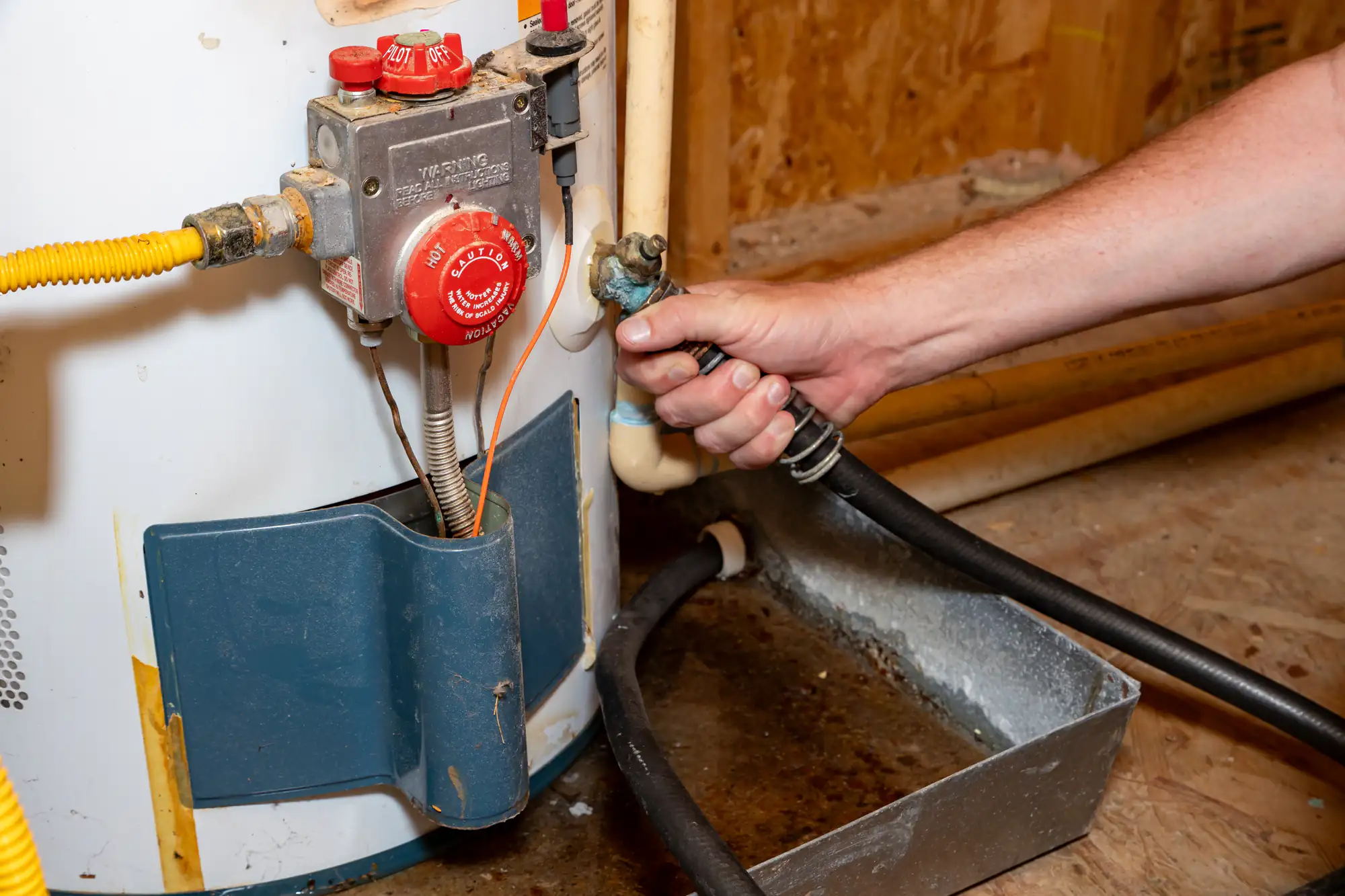
We start with a full visual inspection the boiler itself, the piping, the connections, and the flue system that runs up through your chimney. In Long Beach homes, this inspection includes a close look at the chimney cap and liner connections for salt-air corrosion, which can compromise the integrity of the exhaust pathway even when the boiler unit itself looks fine. If there’s a blockage, a nest, or deterioration in the flue, we identify it here before the cleaning begins.
From there, we clean the heat exchanger and burners removing the soot and debris that reduce heat transfer efficiency and drive up your fuel consumption. A combustion analysis follows, measuring the air-to-fuel ratio and adjusting it for optimal performance. We test safety controls: pressure valves, seals, thermostats, and shutoffs. The flue gets cleaned from the boiler connection up through the chimney, clearing out any accumulated soot, debris, or blockages. Most residential boiler cleanings take approximately one to two hours from start to finish.
When the job is done, we walk you through what was found and what, if anything, needs attention. If your system is in good shape, you’ll hear that we have a documented history of telling customers honestly when they don’t need additional work. Our crew cleans up completely before leaving, which matters in Long Beach homes where space is often at a premium and co-op or condo rules govern how contractors conduct themselves inside the building.
Ready to get started?
We provide boiler cleaning for both residential and commercial properties in Long Beach. For single-family homeowners in neighborhoods like The Canals, the West End, and the President Streets, that means a complete cleaning of the boiler unit and the chimney flue system connected to it the part that most HVAC companies in Long Beach simply don’t touch. For co-op boards and building managers overseeing multi-unit buildings along the Atlantic or Reynolds Channel waterfronts, we deliver commercial-grade service with the documentation and credentials that Nassau County compliance and building management require.
Every service includes a full inspection of the boiler and flue system, heat exchanger and burner cleaning, combustion analysis, safety control testing, and chimney flue cleaning from the boiler connection to the cap. All materials used in any repairs or component replacements are UL listed and up to code not just “industry standard,” but a verifiable safety certification that matters in a city where post-Sandy building standards have been taken seriously.
Long Beach’s barrier island position means the chimney side of your boiler system faces conditions that an inland Nassau County home simply doesn’t. Salt air, ocean humidity, and the corrosive effects of Reynolds Channel exposure make the flue inspection and cleaning components of this service especially critical here. Scheduling before the heating season ideally in late summer or early fall gives our technician time to identify and address any salt-air corrosion before you’re depending on the system in the middle of a coastal nor’easter.
Yes, and it’s one of the most practical differences between living in Long Beach and living in an inland Nassau County community. Salt air from the Atlantic Ocean and Reynolds Channel doesn’t just affect the exterior of your home it accelerates corrosion on the metal components of your boiler’s exhaust system, including the chimney cap, liner connections, and flue fittings. That corrosion can compromise the integrity of the pathway that vents combustion gases out of your home.
Coastal HVAC professionals specifically identify Long Beach as a location where salt air shortens system lifespans and increases maintenance frequency requirements compared to inland communities. The general recommendation for coastal homes like those in Long Beach is to treat annual cleaning as the minimum, not the standard. If your boiler is older, if it’s been a few years since the last cleaning, or if the chimney cap or liner hasn’t been inspected recently, scheduling a full system cleaning and inspection sooner rather than later makes sense given where you live.
It does, and this is one of the most common misconceptions among Long Beach homeowners who replaced their boilers after Sandy hit in 2012. A boiler that was installed new in 2013 or 2014 is now more than ten years old. Over that decade, soot has been accumulating on the heat exchanger and heat transfer surfaces, debris has been building up in the flue, and the chimney liner connected to that boiler has been exposed to a decade of salt-air corrosion all in one of the most coastal environments on Long Island.
The assumption that a “newer” boiler doesn’t need cleaning is understandable, but it’s not accurate. All boilers accumulate soot and debris over time regardless of age, and most manufacturers require annual professional maintenance to keep the warranty valid. A post-Sandy boiler that has never been professionally cleaned isn’t a new boiler anymore it’s a decade-old system that’s overdue for its first full inspection and cleaning.
This is one of the most important distinctions to understand, especially for Long Beach homeowners who heat with oil. When your oil delivery company or burner service technician comes out for a tune-up, they’re typically focused on the burner unit the mechanical components that ignite and burn the fuel. That work is valuable, but it covers only part of the system.
What it doesn’t cover is the chimney flue and exhaust pathway connected to the boiler the section that runs from the boiler connection up through the chimney to the cap. That part of the system accumulates soot, debris, and in coastal environments like Long Beach, salt-air corrosion on the metal fittings and liner. If the flue is partially blocked or the liner is deteriorating, combustion gases can back up or escape into the home a safety risk that a burner tune-up alone won’t catch. A full boiler cleaning service covers both sides of the system, which is the difference between maintaining the burner and maintaining the entire exhaust pathway.
That’s a fair concern. A few signs that your boiler genuinely needs cleaning: your heating bills have increased without a clear explanation, the system is taking longer than usual to heat the home, you’re noticing soot or discoloration around the boiler or flue connections, or it’s been more than a year since the last professional service especially in Long Beach, where salt-air exposure accelerates the buildup timeline.
The honest answer is that a reputable boiler cleaning company will tell you what they find, including when the system looks fine and doesn’t need additional work. We have documented instances of our technicians arriving at a job and telling the homeowner they don’t actually need the service they called about. That kind of straightforward assessment is what you should expect from any company you let into your home. If a technician is pushing additional repairs before completing a proper inspection, or can’t clearly explain what they found and why it needs attention, that’s worth paying attention to.
Yes, and Long Beach’s building stock makes this a relevant question. The city has a notably high proportion of multi-unit residential buildings co-ops, condos, and apartment buildings compared to most other Nassau County communities. Many of these buildings run on centralized boiler systems that heat dozens of units simultaneously. When a central boiler is neglected, the consequences aren’t limited to one household they affect every resident in the building.
We provide commercial boiler cleaning and inspection services for multi-unit buildings in Long Beach, with the Nassau County licensing, liability insurance, workers’ compensation coverage, and service documentation that building managers and co-op boards require before authorizing contractor access. The scope of work for a commercial boiler cleaning covers the same full-system approach as residential service heat exchanger cleaning, combustion analysis, safety control testing, and flue cleaning scaled appropriately for a centralized building heating system. If you manage a building in Long Beach and need a provider who can meet your documentation requirements and deliver a thorough, code-compliant service, that’s exactly what we’re set up to provide.
Late summer or early fall is the ideal window typically August through October and the reasoning is practical. Scheduling before the heating season means the boiler isn’t actively in use, so our technician can work without disrupting your heat. It also means that if anything needs repair a corroded flue fitting, a deteriorating liner section, a blocked cap there’s time to address it before you’re depending on the system in the middle of a Long Beach winter.
For Long Beach specifically, the early fall timing matters more than it does in inland communities because of coastal storm exposure. A nor’easter can arrive quickly and drop temperatures sharply on the barrier island. A boiler that hasn’t been cleaned and inspected heading into storm season is a boiler that may fail at exactly the wrong moment when you’re on an island with one road bridge and limited options for alternative heat. Getting the service done in August or September means you’re not making that call during a January storm. If you’ve already missed the fall window, scheduling as early in the heating season as possible is still far better than waiting until something goes wrong.
Other Services we provide in Long Beach