

The majority of homes in Plainedge were built in the post-war era the 1940s and 1950s when oil-fired boilers were the standard heating system for Nassau County suburbs. Decades later, many of those original systems, or their first replacements, are still running. Oil combustion produces more soot per BTU than gas, which means the buildup in your boiler and flue happens faster and compounds over time.
A 1mm layer of soot on your boiler’s heat transfer surfaces is enough to reduce efficiency by 3 to 4 percent and raise flue gas temperatures by up to 25 degrees. That shows up in your oil bill every single month.
When your boiler and the full chimney flue connected to it are properly cleaned, heat transfers the way it was designed to. Your system burns less fuel to produce the same warmth, which matters when you’re already paying some of the highest heating oil prices in the country right here on Long Island. A clean flue means combustion gases are venting the way they should not backing up, not leaking, not creating the kind of carbon monoxide risk that a blocked or soot-choked exhaust pathway can produce.
For a Plainedge homeowner carrying roughly $10,000 a year in property taxes, protecting the home’s systems isn’t optional it’s how you protect the investment. A clean, well-maintained boiler is also a much easier conversation during a home inspection than one that hasn’t been serviced in years.
We operate out of Bethpage which puts us directly next door to Plainedge. When you call for boiler cleaning service, you’re not waiting on a company to drive in from Suffolk County or Queens. We’re already in this part of Nassau County, which is why same-day service isn’t just something we say it’s something we can actually deliver.
We hold Nassau County contractor licensing, which is the specific credential required to work legally in Plainedge and the surrounding communities. We also carry liability insurance and workers’ compensation, and every material we install is UL listed and up to code. For six consecutive years, we’ve earned both an Angie’s List award and a BBB “A” rating not because we asked for them, but because the work held up year after year.
In a hamlet like Plainedge, where there’s no village hall and no local chamber of commerce to point you toward a trusted contractor, that kind of verifiable, sustained track record is the closest thing to a community endorsement you’re going to find.
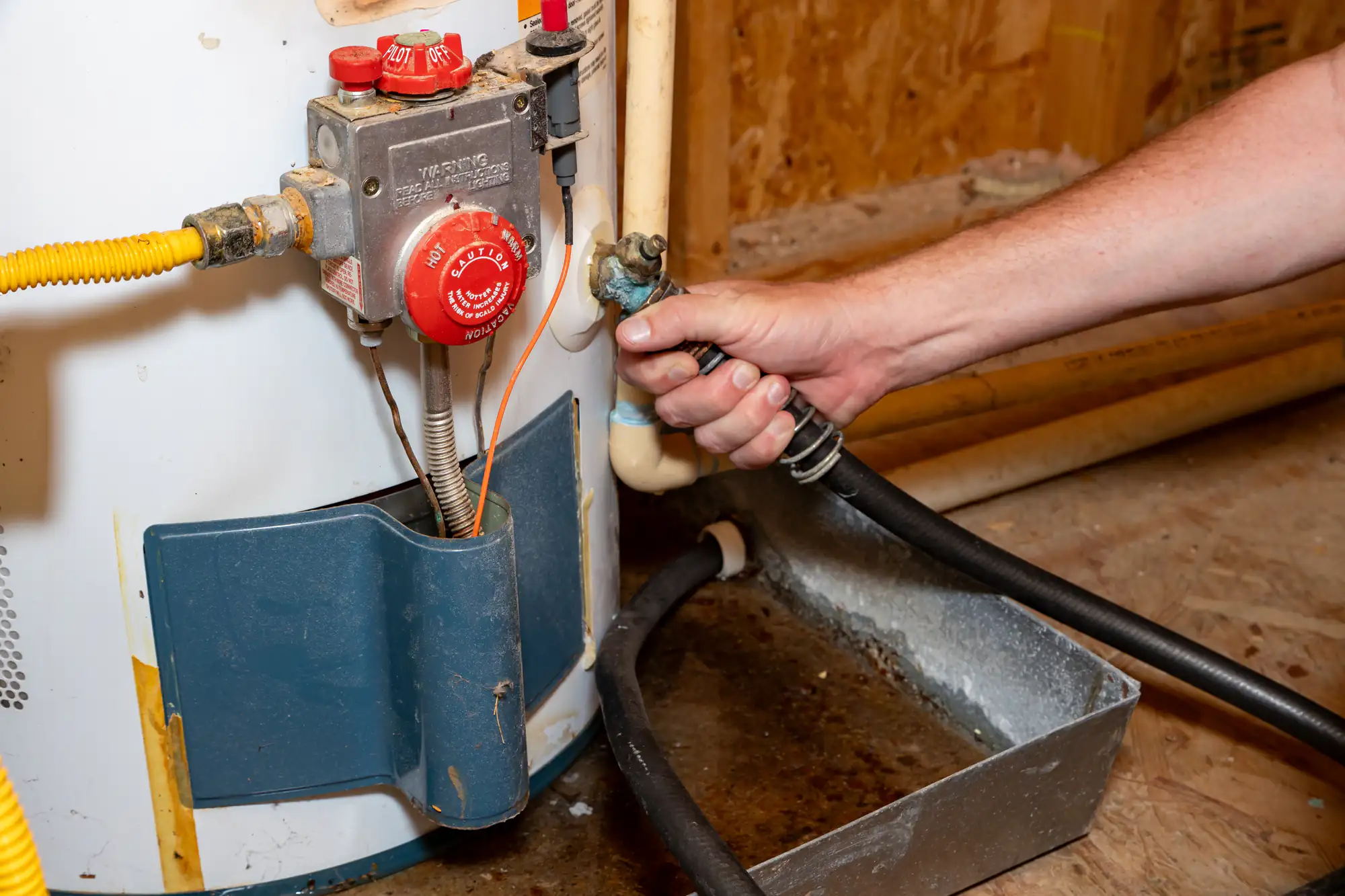
When we arrive at your Plainedge home, the first thing we do is a full visual inspection the boiler itself, the connected piping, and the flue pathway leading up through your chimney. In older Nassau County homes, this inspection often turns up things that haven’t been looked at in years: aging liner sections, soot accumulation in the flue that goes well beyond the boiler unit, or minor issues that are easy to fix now and expensive to ignore later. We tell you what we find, accurately, before anything else happens.
From there, we clean the heat exchanger, burners, and ignition system removing the soot and debris that reduce heat transfer and force your boiler to work harder than it should. We also run a combustion analysis to check the air-to-fuel ratio, which is one of the most overlooked steps in a proper boiler service. An imbalanced combustion mix doesn’t just waste fuel it increases carbon monoxide output.
Then we clean the chimney flue itself, which most HVAC companies skip entirely because they’re not equipped or licensed to do it. Fall is the busiest booking window for this service in Plainedge, as homeowners prepare for heating season before the first cold snap. If you can schedule in summer while the boiler isn’t running, you avoid the rush and give yourself time to address anything that comes up before you actually need the heat.
The visit typically takes one to two hours for a standard residential system, and we leave your home exactly as we found it.

Ready to get started?
What separates a real boiler cleaning from a surface-level tune-up is scope. Every HVAC company serving Plainedge from the providers on Hicksville Road to the ones running ads on Hempstead Turnpike will service the mechanical boiler unit. What they won’t do is clean the chimney flue, inspect the liner, or address the exhaust pathway that carries combustion gases out of your home. That’s chimney work, and it requires a different set of credentials and equipment. We cover both sides of the system, which is the only way to know the whole thing is actually working safely and efficiently.
A complete boiler cleaning with Ageless Chimney includes a full system inspection, heat exchanger and burner cleaning, combustion analysis, flue inspection and cleaning, safety control testing, and a written summary of anything that needs attention. If we find a nest or blockage in the flue which happens more often than you’d expect in Plainedge’s older housing stock we remove it as part of the service. If we find something that requires a separate repair, we tell you clearly what it is and what it costs before any additional work begins.
We also hold the Nassau County licensing required for any liner installation, chimney cap work, or structural repair that may come out of the inspection. You won’t need to call a second contractor. If it’s part of the boiler-to-chimney system, we handle it and everything we install is UL listed and meets current code requirements for Nassau County.
For most Plainedge homes, once a year is the right frequency and for oil-heated homes specifically, annual cleaning isn’t just a recommendation, it’s essentially a requirement. Oil combustion produces more soot and residue than gas, and in a post-war Nassau County home where the boiler and flue may have been in service for decades, that buildup accumulates faster than most homeowners realize. Skipping a year doesn’t just mean double the soot the following year it means corrosion, efficiency loss, and potential safety issues that compound over time.
Most boiler manufacturers also require documented annual professional maintenance to keep the warranty valid. If you’re unsure whether your current boiler is still under any form of warranty coverage, that’s worth checking before you skip another season. The standard recommendation from industry professionals is to schedule the service in late summer or early fall before the heating season starts and before appointment slots fill up across Nassau County.
Yes, and this is one of the most common points of confusion for Long Island homeowners. Your oil delivery company’s annual service typically covers the burner unit the mechanical components that ignite and burn the fuel. That’s valuable, and you should keep it. But it does not include cleaning the chimney flue, inspecting the liner, or clearing the exhaust pathway that carries combustion gases from your basement out through the roof. Those are entirely separate systems that require chimney-specific expertise and equipment.
In Plainedge’s older housing stock, the flue connected to your boiler may not have been professionally inspected in years possibly longer. Soot and debris in the flue restrict airflow, reduce efficiency, and in serious cases can cause combustion gases to back up into the living space. The oil company handles the burner. We handle the rest of the system. Both matter, and one doesn’t replace the other.
A few things are worth paying attention to between annual cleanings. If your heating bills are climbing without a clear explanation and Long Island heating oil prices are already high enough that you’d notice that’s often a sign that soot buildup is forcing your boiler to work harder to produce the same heat output. A system that takes longer than usual to bring the house up to temperature, or one that cycles on and off more frequently than it used to, can also point to a heat transfer problem caused by accumulation on the boiler surfaces.
On the chimney side, visible soot around the flue collar, an unusual smell when the heat runs, or any visible discoloration near the boiler exhaust connection are all signs worth acting on before your next scheduled cleaning. If your oil delivery technician flags a chimney or flue issue during a routine delivery which happens regularly in Plainedge given the age of the housing stock that’s also a clear signal to call for a full boiler and flue cleaning rather than waiting.
The cleaning service itself doesn’t require a permit. However, if the inspection reveals that your chimney liner needs to be replaced, a new cap needs to be installed, or any structural chimney repair is needed, that work falls under Nassau County contractor licensing requirements and not every company showing up in a Plainedge search result holds those credentials.
Ageless Chimney is licensed specifically for Nassau County, which covers Plainedge and the surrounding communities in the Town of Oyster Bay. That means if a cleaning turns into a repair, you’re already working with a contractor who is legally authorized to complete the work without you needing to make a second call. It also means any materials we install liners, caps, related hardware are UL listed and meet the code requirements applicable to your home. When you’re hiring someone to work on a system that vents combustion gases through your house, that distinction matters.
Professional boiler cleaning and service in the New York region generally runs between $200 and $500 for a standard residential system, depending on the scope of the work and the condition of the system. That range covers the cleaning itself along with the inspection, combustion analysis, and safety checks that a thorough service includes. If the inspection turns up something that needs repair a cracked liner section, a blocked flue, a failing component that would be quoted separately before any additional work begins.
For context, Long Island boiler replacement costs range from $5,500 to $15,000 installed, depending on the system. Annual cleaning is a fraction of that cost, and it’s one of the more straightforward ways to extend the life of a system and avoid the kind of failure that turns into an emergency call in January. For Plainedge homeowners already managing significant annual property tax costs, preventive maintenance is simply the more financially rational choice.
The visit starts with a walkthrough of your system the boiler, the connected piping, and the flue running up through your chimney. In Plainedge’s older homes, that initial inspection often surfaces things that haven’t been looked at in a long time, so we take it seriously before any cleaning begins. You’ll know what we found and what we’re doing before we start work.
From there, the cleaning covers the heat exchanger, burners, and ignition system, followed by the chimney flue. We run a combustion analysis to verify the system is burning fuel efficiently and venting correctly, and we test the safety controls before we leave. The full visit typically takes one to two hours for a standard residential system.
When we’re done, we give you a clear summary of what was cleaned, what was found, and whether anything needs follow-up attention. We also clean up completely your basement and any area we worked in will look the same as when we arrived.
Other Services we provide in Plainedge