


When your boiler is clean and your flue is clear, your heating system does what it was built to do efficiently and safely. You stop overpaying on fuel every month without ever knowing why your bills kept climbing. You stop wondering whether that smell or that sound means something serious. And you stop carrying the quiet worry that a system running deep inside a 1930s or 1940s home might be doing something it shouldn’t.
For Plandome homeowners specifically, this matters more than it does in most places. The pre-war estate homes throughout this village were built with cast iron boilers and masonry chimneys designed to last generations and many of them have. But decades of combustion leave soot, scale, and buildup that chip away at efficiency and create real safety concerns if they go unaddressed. A boiler that looks fine from the outside can be working significantly harder than it should because of what’s accumulated inside.
There’s also the coastal factor. Plandome sits right on Manhasset Bay, and that proximity brings elevated humidity and salt air exposure that accelerates deterioration in older masonry chimney systems. Moisture infiltrates flue liners, mortar joints erode faster, and the exhaust pathway your boiler depends on can degrade in ways that aren’t visible until something goes wrong. Annual boiler cleaning done by someone who understands the full system, not just the mechanical unit is what keeps that from becoming your problem.
We’ve been recognized by both Angie’s List and the Better Business Bureau every year for the past six consecutive years. That kind of sustained track record isn’t built on one good season it’s built on consistently showing up, doing honest work, and leaving every home in better shape than we found it.
We’re Nassau County licensed, fully insured, and carry workers’ compensation coverage. Those aren’t just boxes to check they’re the baseline protections every Plandome homeowner should be asking about before any contractor walks through the door. We already serve the immediately adjacent community of Plandome Heights, so this isn’t new territory. We know the character of the homes here, the age of the systems, and what North Shore masonry looks like after decades of coastal exposure.
What sets us apart isn’t a slogan. Our technicians have been documented telling homeowners they didn’t need a service they called about. In an industry where upselling is standard practice, that kind of honesty is genuinely rare and it’s exactly what a Plandome homeowner should expect.
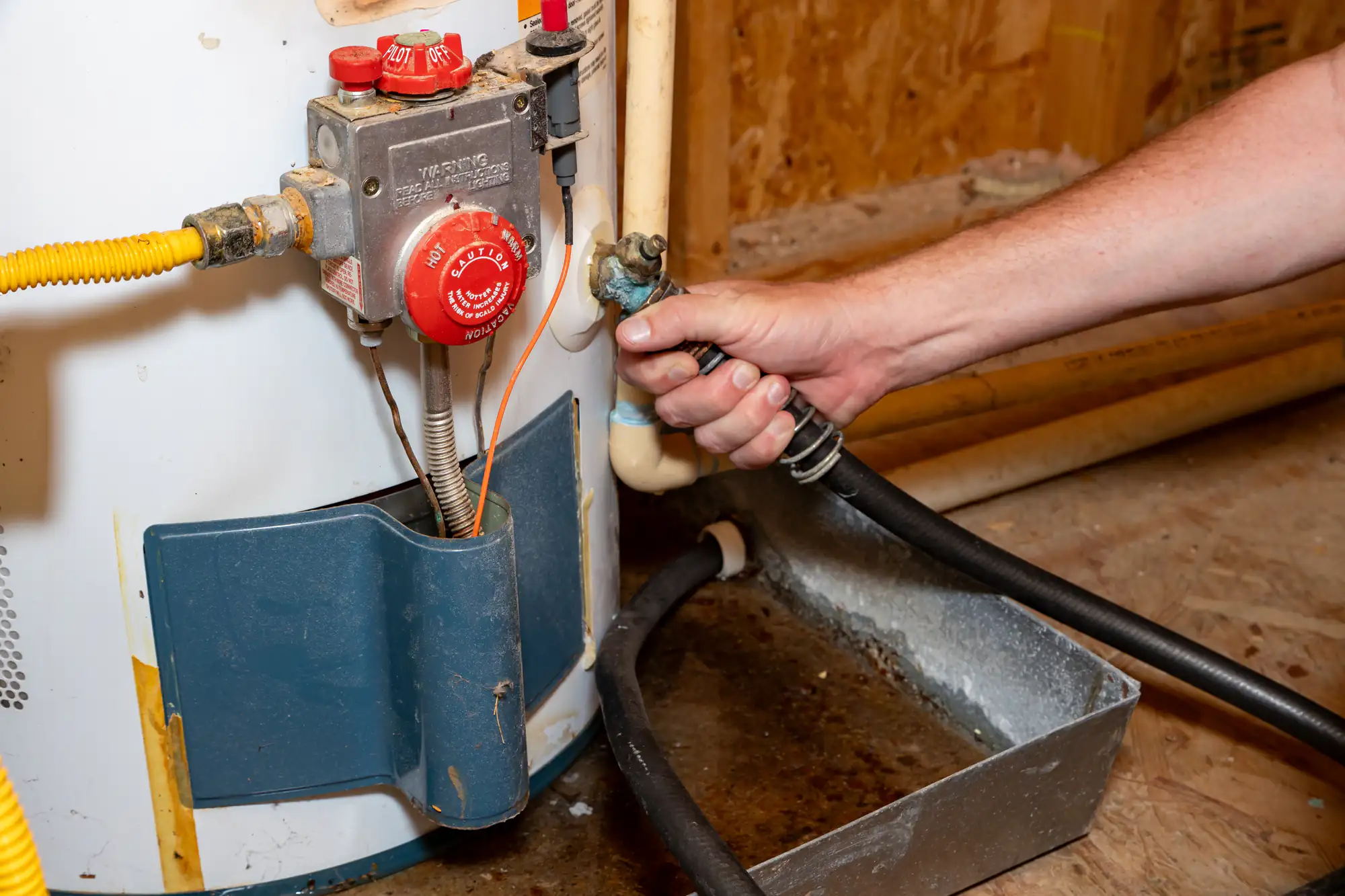
The process starts before anything is touched. Our technician does a full visual inspection of your boiler, the surrounding piping, and the connections looking for corrosion, leaks, and anything that signals a problem developing. In a pre-war Plandome home, this step alone often reveals things that have been quietly worsening for years.
From there, the heat exchanger and burner surfaces get cleaned this is where soot accumulates and where efficiency losses are most direct. Even a thin layer of buildup on heat transfer surfaces forces your boiler to burn more fuel to produce the same amount of heat. After the mechanical unit is addressed, the flue system gets inspected and cleaned. This is the step most HVAC companies skip entirely, because it requires chimney expertise they don’t have.
We cover the full exhaust pathway from the burner through the flue to the chimney top which is the only way to know the entire system is operating safely. The visit wraps up with a combustion analysis, safety control checks, and a clear explanation of anything that needs attention. For Plandome homes where the chimney may have experienced years of Manhasset Bay humidity and coastal freeze-thaw cycles, the inspection findings from this step are often the most valuable part of the whole appointment. Most residential boiler cleanings take approximately one to two hours from start to finish.

Ready to get started?
Most companies that offer boiler cleaning are HVAC companies. They service the mechanical unit the burner, the heat exchanger, the ignition system and stop there. What they don’t touch is the chimney flue that carries combustion gases out of your home. For a Plandome estate home with a masonry chimney that’s been in service since the 1930s or 1940s, that gap in service is a real problem.
We handle both sides. Our boiler cleaning service includes cleaning the heat exchanger and burner, combustion analysis and burner adjustment, flue inspection and cleaning, safety control testing, pressure checks, and a written assessment of anything that warrants follow-up. If there’s a nest or obstruction in the flue something that happens more than most homeowners realize, especially in older chimneys that gets addressed too.
All materials we use in any repair or installation work are UL listed and meet current code requirements, which matters for Nassau County compliance. For Plandome homeowners who have recently replaced their boiler, it’s worth knowing that most manufacturers require documented annual professional maintenance to keep the warranty valid. Skipping a year doesn’t just mean deferred maintenance it can mean a voided warranty on a system you just invested in. Whether your boiler is a recent installation or an older workhorse that’s been running since the Eisenhower administration, the cleaning process is the same: thorough, honest, and built around what the system actually needs.

Once a year is the standard recommendation, and for most Plandome homes, fall is the right time to do it. You want the system cleaned and inspected before the heating season starts not in the middle of January when you actually need it running. Scheduling in September or October means any issues found during the inspection can be addressed before the first real cold snap hits the North Shore.
That said, some of the older oil boilers common in Plandome’s pre-war homes may benefit from more frequent attention depending on how hard the system has been working and how long it’s been since the last service. If your boiler hasn’t been cleaned in more than a year, or if you’ve moved into one of Plandome’s older homes and aren’t sure when it was last serviced, it’s worth getting an inspection done regardless of the time of year. We can tell you on the spot what the system actually needs.
This is one of the most common points of confusion for homeowners on Long Island, and it’s worth being clear about. When your oil company services your boiler, they’re typically focused on the burner unit the mechanical components that control combustion. That’s valuable, but it’s only part of the system.
What they don’t do is clean or inspect the chimney flue that carries combustion gases out of your home. That flue can accumulate soot, develop cracks from years of thermal cycling, or suffer moisture damage from the elevated humidity that comes with living near Manhasset Bay and none of that gets caught during a standard oil company visit. Our professional boiler cleaning covers the full exhaust pathway, which is the part of the system most directly connected to carbon monoxide risk and overall heating efficiency. The two services complement each other they don’t replace each other.
Yes, and it’s one of the more serious reasons not to put off annual cleaning. When soot and debris accumulate in the flue, they restrict the draft that carries combustion gases out of the home. A restricted or blocked flue can cause those gases including carbon monoxide to back-draft into the living space instead of venting outside. This is particularly relevant in older homes where the chimney liner may have developed cracks or deterioration that aren’t visible without a proper inspection.
In Plandome’s pre-war estate homes, where many chimneys have been in service for seven, eight, or nine decades, the liner condition is something that deserves attention every year. Carbon monoxide is odorless and colorless, so there’s no warning before it becomes a problem. Annual boiler cleaning that includes a full flue inspection is the most direct way to catch those risks before they become emergencies. If we find something during the inspection, you’ll know about it before you leave the appointment not after.
The system seeming fine is part of the problem. Soot buildup reduces heat transfer efficiency gradually you won’t notice it day to day, but your fuel bills will reflect it over time. Research on combustion efficiency shows that even a thin layer of soot on boiler heat transfer surfaces can reduce efficiency by several percentage points and raise flue gas temperatures measurably. That translates directly to burning more oil to produce the same amount of heat.
Beyond efficiency, a skipped year means another year of buildup that compounds on whatever was already there. Soot and moisture damage inside a flue don’t reset they accumulate. For a Plandome home with an older masonry chimney already dealing with the wear that comes from coastal humidity and decades of use, one skipped year can mean the difference between a straightforward cleaning and a more involved repair conversation. Most boiler manufacturers also require documented annual professional maintenance to keep the warranty valid, so a skipped year can have financial consequences beyond just the fuel bill.
Yes. We hold Nassau County licensing, which is the specific credential required for chimney and boiler flue work in Plandome. Nassau County has its own licensing requirements that are separate from Suffolk County and other jurisdictions it’s not a single statewide license that covers everywhere automatically. That distinction matters, and it’s worth asking any contractor you’re considering whether they hold the county-specific license for the area where your home is located.
Beyond licensing, we carry both liability insurance and workers’ compensation coverage. In a community where home values regularly exceed two million dollars, allowing an uninsured contractor on your property is a genuine financial exposure. We can verify all of this upfront you don’t have to take our word for it. We already serve the immediately adjacent community of Plandome Heights, so we’re familiar with the homes, the systems, and the specific conditions in this part of Nassau County’s North Shore.
Early fall September or October is the sweet spot for most Plandome homeowners. That timing gives you a clean, inspected system before the heating season starts, and enough runway to address any repairs before you actually need the boiler running every day. Appointment slots fill up quickly once the weather turns, so waiting until November or December often means longer lead times and less flexibility.
Summer is actually an underrated option, especially for Plandome’s LIRR commuter households where scheduling around work travel and city commutes can be easier during the off-season. The boiler isn’t running, so there’s no disruption to heat, and any issues found can be addressed without urgency. If you’re coming off a long winter and haven’t had the system cleaned in over a year or you’ve just moved into one of Plandome’s older estate homes and aren’t sure of the service history there’s no reason to wait for fall. Getting it done in the summer means you’re not thinking about it when the temperature drops.
Other Services we provide in Plandome