


Most Sayville homeowners on oil heat have had their burner serviced. What they haven’t had is a proper cleaning of the chimney flue that carries all those combustion gases out of the house. That’s a different job and it’s the one that actually determines how safely and efficiently your boiler is running.
When soot builds up in the flue, your boiler works harder, burns more fuel, and vents less effectively. A 1mm layer of soot on heat transfer surfaces is enough to reduce boiler efficiency by 3 to 4 percent. On Long Island, where heating oil prices are already high, that inefficiency shows up on your bill every single month.
For Sayville and West Sayville specifically, there’s another layer to consider. Homes here many of them built in the 1940s and 1950s have chimney systems that have been handling oil boiler exhaust for decades. Salt air off the Great South Bay accelerates corrosion on chimney caps, liner joints, and flashing faster than inland communities deal with. A nor’easter rolling through Sayville in January doesn’t just bring cold it brings wind-driven moisture and freeze-thaw stress on masonry that can quietly compromise a system between one season and the next.
Annual boiler cleaning and inspection is how you stay ahead of that, before a small issue becomes a costly repair or a safety concern.
We’ve been recognized by both Angie’s List and the BBB every year for the past six consecutive years. That’s not a one-time rating it’s a sustained track record that reflects how we actually operate: show up on time, do the job right, leave the property clean, and tell the customer what they actually need not what earns the most revenue.
Real reviews from Sayville and Long Island homeowners describe our technicians showing up, assessing the situation, and telling customers they do not need the service they called about. That kind of honesty is rare in this industry, and it’s the reason customers call back.
We’re based in Levittown and serve Suffolk County including Sayville, West Sayville, Bayport, and the surrounding South Shore communities via Sunrise Highway and Montauk Highway. We hold Suffolk County licensing, carry both liability insurance and workers’ compensation, and use only UL-listed materials on every job. For Sayville homeowners with older homes and oil heat systems, that combination of credentials and honesty matters.

When we come out to a Sayville home, the process starts with a full visual inspection the boiler itself, the piping, the connections, and the chimney flue. In older homes, particularly the 1940s and 1950s Cape Cods and Colonials common in West Sayville and throughout the hamlet, that inspection often reveals things that haven’t been looked at in years: aging clay tile liners, accumulated soot in the exhaust pathway, deteriorating mortar joints, or nesting from animals that found their way in over the summer.
The inspection is where the real picture gets established before any work begins.
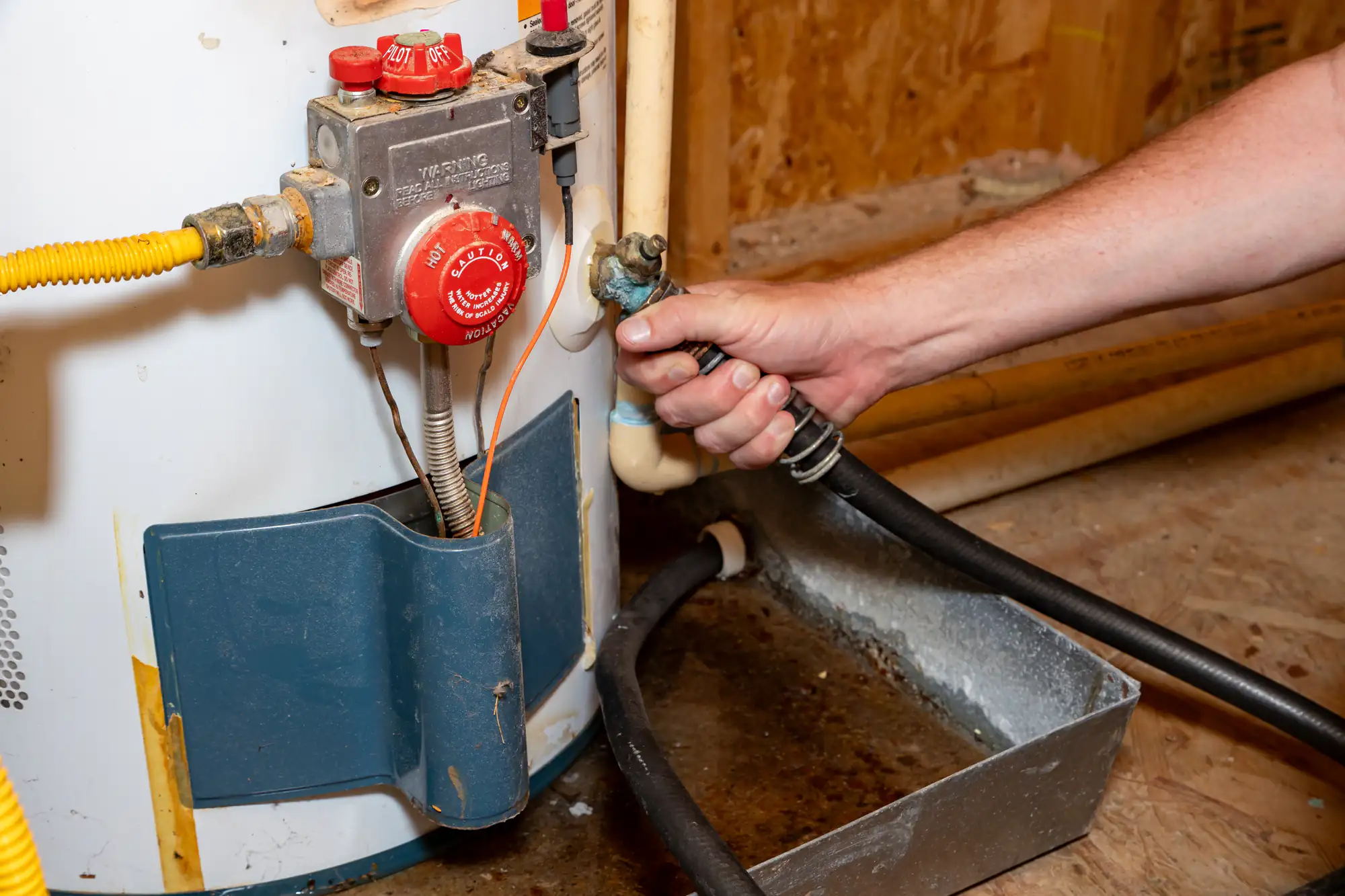
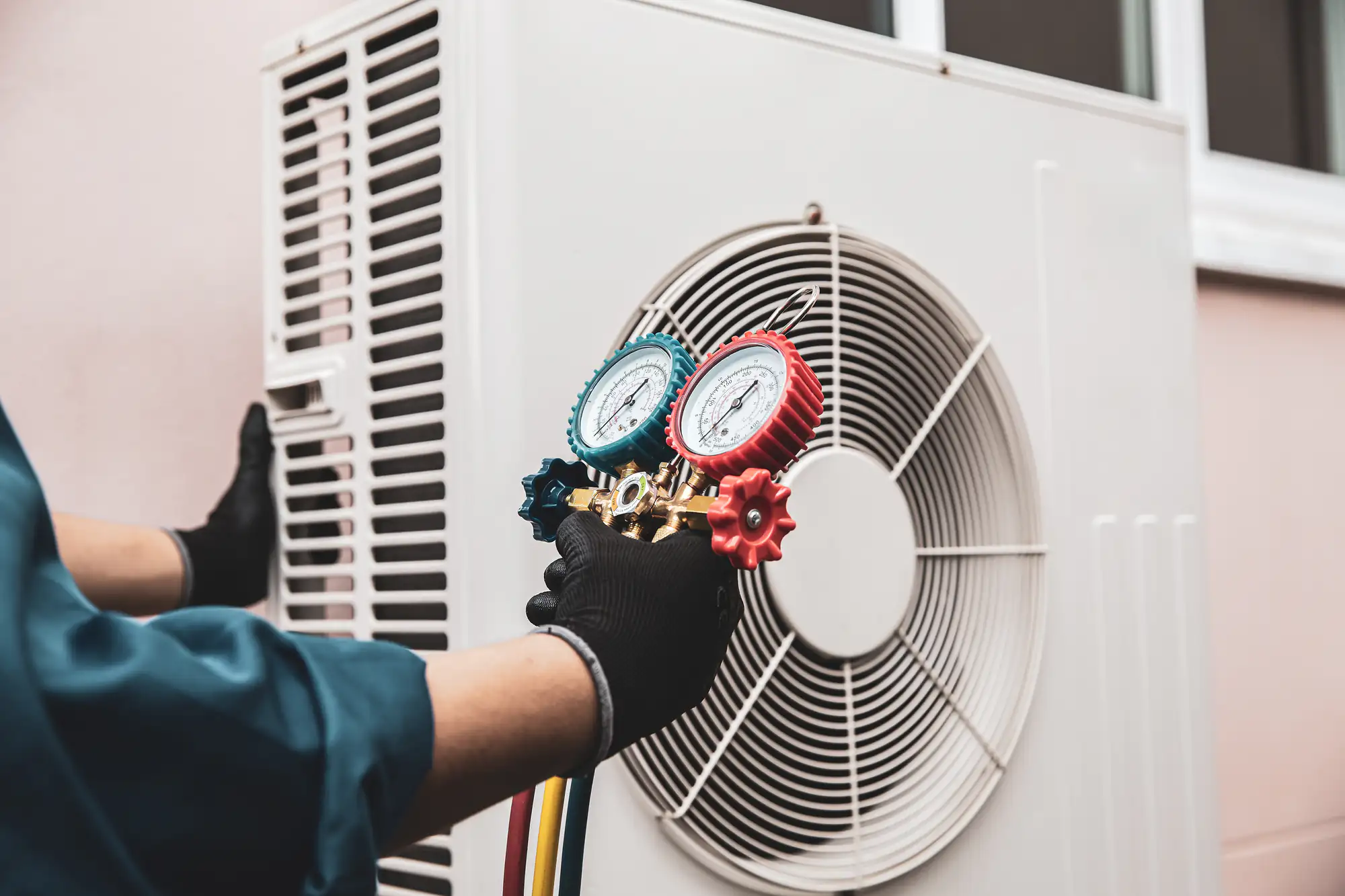
From there, the cleaning covers the heat exchanger, burners, and ignition system removing the soot and debris that reduce heat transfer and drive up fuel consumption. The chimney flue gets cleaned and checked for blockages, cracks, and proper venting. Combustion is analyzed to make sure the air-to-fuel ratio is dialed in correctly, which directly affects both efficiency and emissions.
Safety controls are tested: pressure valves, thermostats, seals, and shutoffs. If there’s a nest or obstruction in the flue common after Sayville’s warmer months when animals move in that gets cleared too. Any structural chimney work liner replacement, masonry repair requires a permit through the Town of Islip Building Department, and we handle that process correctly.
The job typically takes one to two hours for most residential systems. You get a clear picture of what was found, what was done, and what, if anything, needs attention going forward.
Ready to get started?
What separates us from the HVAC and plumbing companies that also offer boiler service is the chimney side of the equation. Companies like Hardy Plumbing or your oil delivery provider Swezey Fuel, Suffolk Oil, or whoever handles your deliveries service the mechanical unit. They check the burner, adjust the pressure, maybe clean the igniter. What they don’t do is clean the chimney flue that carries combustion gases out of your home. That’s a chimney specialist’s job, and it’s the part of the system that most Sayville homeowners have never had professionally addressed.
With us, boiler cleaning covers the complete exhaust pathway: burner cleaning, heat exchanger cleaning, flue inspection and cleaning, combustion analysis, safety control testing, and obstruction removal if needed. All materials we use caps, liners, any installed components are UL listed and meet current code requirements.
This matters especially in Sayville and West Sayville, where coastal exposure off the Great South Bay accelerates wear on chimney components and where a significant portion of the housing stock is old enough that original liner systems may be well past their useful life. Most boiler warranties require annual professional maintenance to remain valid. Skipping a cleaning doesn’t just mean more soot it can mean voiding the warranty coverage that would otherwise protect you from a major replacement cost.
On Long Island, a new boiler installation runs $5,500 to $15,000. Annual maintenance is a fraction of that, and it’s the only thing standing between a functional system and an emergency replacement call in February.
Yes, and oil-fired systems actually need it more than gas boilers do. Oil combustion produces more soot and carbon deposits than natural gas, which means the buildup in your flue and on your heat exchanger accumulates faster. In a Sayville home where many properties run on heating oil and a large portion of the housing stock dates back to the 1940s and 1950s you’re often dealing with older chimney liner systems that were never designed for today’s fuel blends.
Suffolk County also requires the B5 biodiesel blend in heating oil, which has its own combustion characteristics worth accounting for. Beyond the efficiency argument, there’s a warranty issue most homeowners don’t know about. Most boiler manufacturers require documented annual professional maintenance for warranty coverage to remain valid. Skip a year, and if something goes wrong, you may be on the hook for the full repair or replacement cost. On Long Island, that can mean $5,500 to $15,000 for a new boiler installation. Annual cleaning is the far cheaper option.
Your oil company whether that’s Swezey Fuel, Suffolk Oil, or another provider services the mechanical unit. They tune the burner, check the igniter, adjust pressure settings, and make sure the boiler itself is firing correctly. That’s their job, and they do it well. What they don’t do is clean or inspect the chimney flue that carries combustion gases out of your home. That’s a separate system, and it requires a chimney specialist not an HVAC technician.
The flue is where soot, carbon deposits, and sometimes animal nests accumulate over time. A blocked or heavily sooted flue restricts airflow, reduces combustion efficiency, and in serious cases can create carbon monoxide venting problems. We handle the part of the system your oil company doesn’t touch: the exhaust pathway from the boiler all the way through the chimney. If your oil delivery driver has ever flagged a chimney issue or recommended you call a specialist, this is exactly who they mean.
Coastal proximity creates conditions that inland homeowners simply don’t deal with at the same level. Salt air off the Great South Bay accelerates corrosion on chimney caps, flashing, liner joints, and mortar the metal and masonry components that protect the exhaust pathway from the elements. In West Sayville especially, where the coastline directly borders the bay, this effect is more pronounced than in communities just a few miles inland like Bohemia or Holbrook.
What this means practically is that annual inspection matters more in Sayville, not less. A chimney cap that might last ten years in an inland community may show significant corrosion in five or six years in a coastal environment. Freeze-thaw cycling through Sayville winters combined with the moisture that comes with bay proximity also puts additional stress on masonry and liner systems. Catching deterioration early, before it becomes a structural or safety issue, is exactly what an annual cleaning and inspection is designed to do.
Most homeowners don’t notice a problem until something obvious happens the boiler struggles to maintain temperature, the heating bill jumps noticeably, or there’s a smell coming from the system. But by the time those signs show up, the buildup has already been affecting performance for a while. A 1mm layer of soot on heat transfer surfaces reduces boiler efficiency by 3 to 4 percent and raises flue gas temperatures by 20 to 25 degrees Celsius. That efficiency loss is invisible until you look at your fuel bill over time.
The honest answer is that you can’t know the condition of your flue without a professional inspection. Camera inspection of the flue is part of a thorough boiler cleaning service and gives you an actual picture of what’s happening inside the exhaust pathway not a guess. For older Sayville homes with original clay tile liners, that inspection is especially important because tile liners deteriorate over time and can develop cracks that compromise both efficiency and safety. An inspection tells you exactly where things stand.
The industry consensus and the practical reality is that summer is the best time to schedule boiler cleaning. The system isn’t running, so work can be done without disrupting your heat, and any issues found can be repaired before the heating season begins. For Sayville specifically, there’s an additional reason to think ahead: the community’s summer calendar tends to run on ferry season time.
When the Sayville Ferry’s summer schedule winds down in September and October, Sayville homeowners shift into winter-prep mode quickly and so does everyone else on the South Shore. That compressed transition from summer to heating season means HVAC and chimney companies get flooded with calls in September and October. Homeowners who wait until then often find themselves waiting weeks for an appointment, or going into winter with an uncleaned system. Scheduling in July or August when your boiler is sitting idle and appointment availability is better is the move that keeps you ahead of that fall rush and gives you time to address anything that comes up before you actually need the heat.
Sayville is an unincorporated hamlet within the Town of Islip, which means chimney and boiler work here falls under Town of Islip building codes and Suffolk County contractor licensing requirements. Any structural chimney work liner installation, masonry repair, cap replacement requires a permit through the Town of Islip Building Department, and the contractor doing the work needs to hold the appropriate Suffolk County credentials to pull that permit correctly.
When you’re vetting a company, ask specifically for their Suffolk County licensing, not just a general contractor’s license. New York State and each county have separate requirements, and a company licensed in Nassau County isn’t automatically credentialed to work in Suffolk County. You should also ask for a Certificate of Insurance showing both liability coverage and workers’ compensation not just a verbal assurance. We hold Suffolk County licensing and carry both forms of coverage. Our consumer education content spells out exactly what to ask for, which tells you something about how we operate: we want customers who know what to look for, because we hold up to the scrutiny.
Other Services we provide in Sayville