


Most boiler cleaning companies stop at the burner. They check the mechanical unit, clean a few components, and call it done. But in a pre-1940 home in Sea Cliff, the flue pathway connected to that boiler the clay tile liner, the masonry chimney, the cap and crown that have weathered decades of Long Island Sound air is just as important as the burner itself. Leaving that side of the system unchecked isn’t a partial job. It’s a missed problem waiting to surface.
When the full system is clean and clear, your boiler runs the way it’s supposed to. Heat transfer improves, fuel burns more efficiently, and combustion gases move out of your home the way they should. For homes on the bluff in Sea Cliff, where coastal winds and salt air off the Sound accelerate wear on chimney mortar and metal components, an annual inspection and cleaning isn’t just a maintenance checkbox it’s what keeps a century-old system working safely through another Long Island winter.
The other thing that changes is peace of mind. You stop wondering whether that flue has a crack you can’t see, or whether the cap is letting moisture in, or whether soot buildup from last season’s oil heat is quietly robbing you of efficiency every time the burner fires. That uncertainty goes away when someone who actually knows chimney systems not just HVAC mechanics takes a proper look.
We’re based in Nassau County and hold the county-specific licensing required to work in Sea Cliff and throughout the Town of Oyster Bay. That matters because Nassau County has its own licensing requirements for chimney contractors separate from Suffolk County and not every company showing up in local search results actually carries the right credentials for this area.
Our BBB “A” rating and Angie’s List award recognition go back six consecutive years. That kind of track record doesn’t happen by accident, and it doesn’t happen from one good season. It comes from showing up on time, doing honest work, and not manufacturing problems that don’t exist. There are documented cases where our technicians have told Sea Cliff homeowners they didn’t need the service they called about. In an industry where upselling is common, that kind of straight talk is what keeps people coming back and referring their neighbors.
Sea Cliff’s older homes many of them recognized by the Sea Cliff Landmarks Association and some listed on the National Register of Historic Places deserve that level of care. We have the experience with older Long Island systems to deliver it.
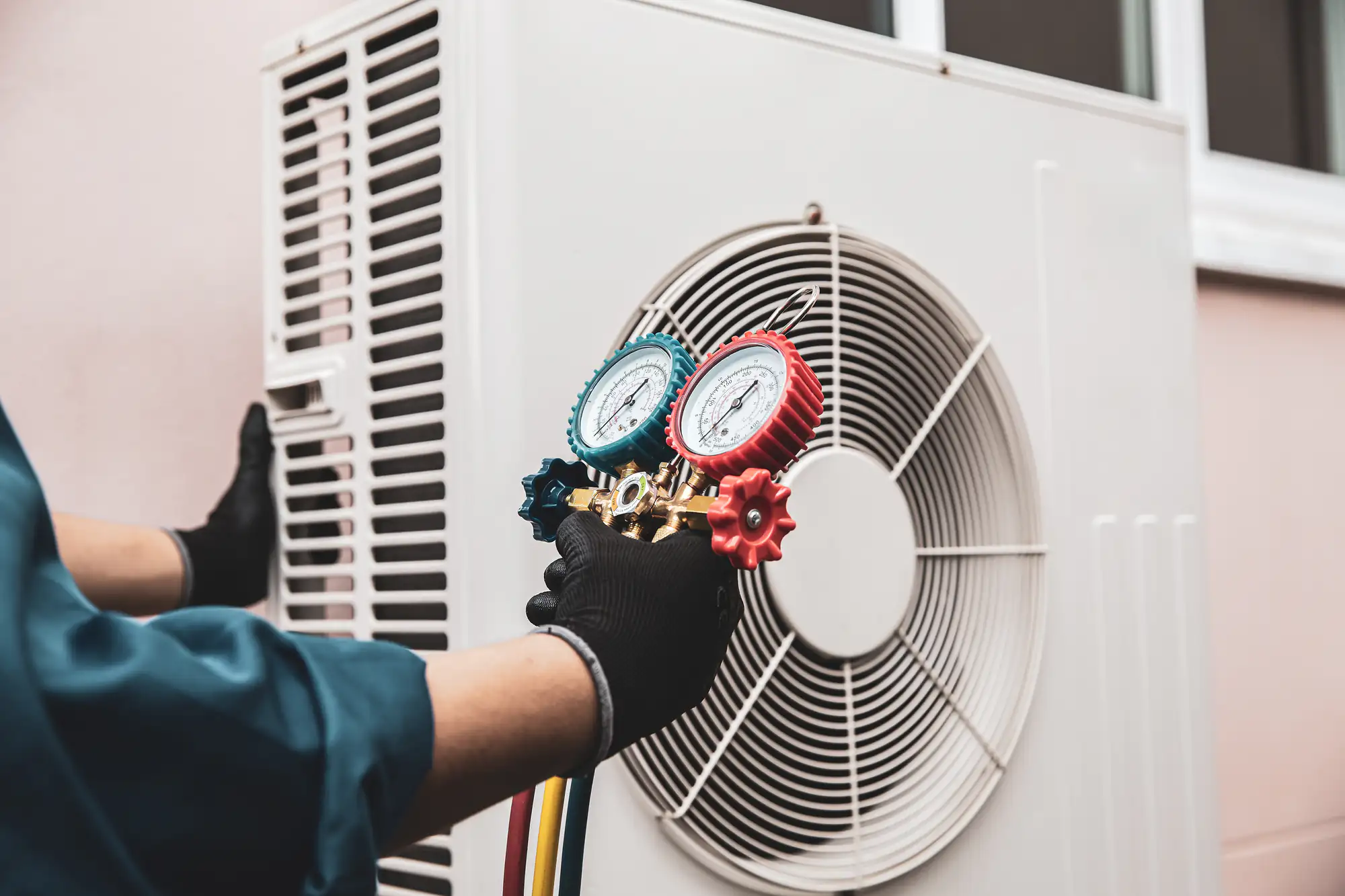
The visit starts with a full visual inspection the boiler itself, the piping, the connections, and any visible signs of corrosion, leakage, or wear. In Sea Cliff’s pre-1940 homes, this inspection often surfaces things that a standard HVAC tune-up would never catch: aged flue liners, deteriorated mortar joints, or chimney caps that have taken a beating from the salt air and wind exposure that comes with sitting on a 120-foot bluff above Hempstead Harbor.
From there, we clean the heat exchanger, burners, and ignition system removing the soot and debris that reduce efficiency every time the boiler fires. A combustion analysis follows, measuring the air-to-fuel ratio and confirming the system is burning cleanly. Then comes the flue inspection and cleaning, which is where our chimney-specialist background sets the work apart from what a general plumber or HVAC contractor would provide. The full exhaust pathway gets checked and cleared, not just the mechanical unit.
We test safety controls pressure valves, seals, thermostats, and shutoffs. If anything needs attention beyond the cleaning itself, you’ll hear about it clearly and honestly, with no pressure to approve repairs on the spot. We clean up completely before leaving. For homeowners in Sea Cliff’s historically significant homes, that last part matters as much as the technical work. You should not be able to tell anyone was there except that your system runs better.

Ready to get started?
Sea Cliff’s housing stock is unlike most of Nassau County. While postwar communities throughout the county are filled with 1950s and 1960s ranches and Cape Cods, Sea Cliff is defined by Victorian and early-twentieth-century architecture. These homes were built for a different era of heating and many of them still rely on oil boilers venting through original or early-replacement chimney flues. Oil systems produce more soot than gas, which means the flue cleaning side of the service is not optional. It is the core of what makes annual boiler cleaning worth doing.
Our boiler cleaning service is designed to address the complete system these older Sea Cliff homes depend on. That includes the burner and heat exchanger cleaning, combustion analysis, flue inspection and soot removal, safety control testing, and a full assessment of the chimney infrastructure from the liner to the cap. For homes near the bluff where coastal conditions from Long Island Sound have been working on the masonry year after year, that chimney-side inspection is often where the most important findings show up.
New York State requires systematic boiler inspections to identify safety deficiencies, and most boiler manufacturers require annual professional maintenance to keep warranty coverage intact. Skipping a year doesn’t just mean double the soot next time it means cumulative wear, potential liner damage, and a system that is working harder than it should every time the temperature drops along the North Shore. Annual service is the straightforward way to stay ahead of all of it.
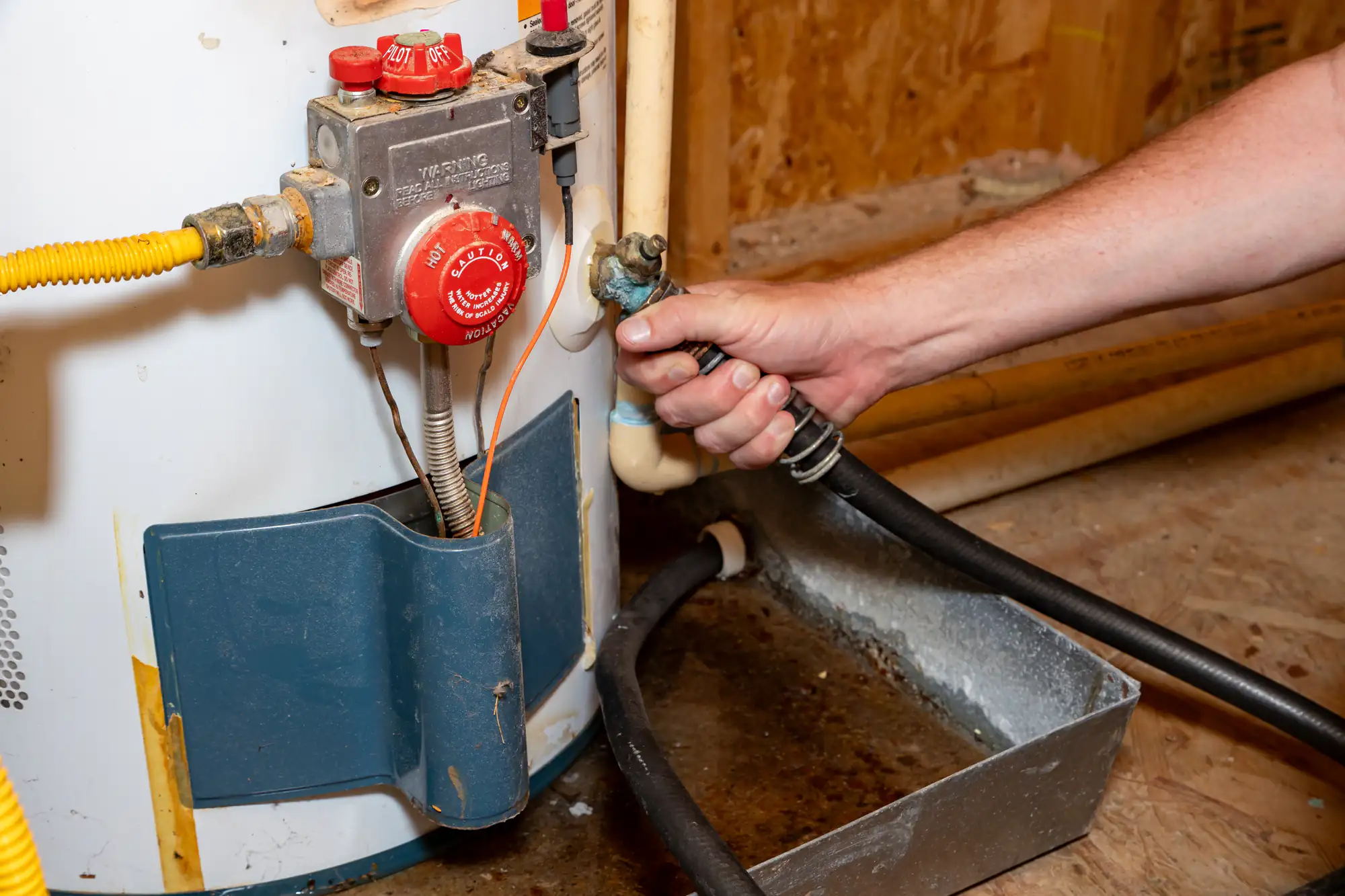
For most homes in Sea Cliff, once a year is the right interval and the timing matters almost as much as the frequency. The ideal window is late summer or early fall, before the heating season starts. Scheduling in August or September means the boiler isn’t in active use, so the work can be done without disrupting your heat, and any issues that come up during the inspection can be addressed before the first cold snap arrives off Long Island Sound.
For Sea Cliff’s older homes with oil boilers, annual cleaning is particularly important because oil combustion produces more soot than gas, and that soot accumulates in the flue faster. A 1mm layer of soot on heat transfer surfaces is enough to measurably reduce boiler efficiency and raise flue gas temperatures both of which cost you money every time the system runs. If your home has a pre-1940 chimney flue, the annual inspection is also your best opportunity to catch liner deterioration or mortar damage before it becomes a more serious problem.
A thorough boiler cleaning covers more than most homeowners expect. It starts with a visual inspection of the boiler, piping, and connections checking for corrosion, leaks, and any signs of wear. From there, we clean the heat exchanger, burners, and ignition system to remove soot and debris that reduce efficiency.
A combustion analysis measures the air-to-fuel ratio and confirms the system is burning cleanly and safely. The flue inspection and cleaning is where our chimney specialist background brings something a general HVAC contractor typically doesn’t. The full exhaust pathway from the boiler through the flue liner and out through the chimney is inspected and cleared. We test safety controls, including pressure valves, seals, thermostats, and shutoffs. If anything needs repair, you’ll receive a clear explanation before any additional work is recommended. The visit wraps with a full cleanup, and most residential boiler cleanings take approximately one to two hours from start to finish.
Yes, and this is one of the most common misunderstandings among Long Island homeowners who rely on oil heat. When your oil delivery company sends a technician to service your system, they are typically focused on the burner unit the mechanical components that combust the fuel. That is their area of expertise, and they do it well. What they are not doing is inspecting or cleaning the chimney flue, the liner, the masonry chimney, or any of the exhaust infrastructure that carries combustion gases out of your home.
In a Sea Cliff home where the chimney may be original to a pre-1940 construction, that exhaust pathway is a separate system that requires a chimney specialist not an HVAC technician to properly evaluate and clean. Soot in the flue, a cracked clay tile liner, a deteriorated chimney cap, or a blockage from debris or a bird nest are all things that your oil company’s technician is not equipped to find or address. Those are chimney problems, and they require chimney expertise.
It can, and the risk is straightforward. When a boiler burns fuel whether oil or gas it produces combustion gases including carbon monoxide. Those gases are supposed to travel up through the flue and out of the home through the chimney. When the flue is blocked, heavily sooted, or structurally compromised, those gases don’t exit cleanly. In some cases, they can back-draft into the living space.
Carbon monoxide is odorless and colorless, which is why a flue problem can go unnoticed until it becomes a health issue. For Sea Cliff homeowners in older homes with original or early-replacement clay tile liners, the risk is compounded by the fact that those liners can develop cracks over decades of thermal cycling and freeze-thaw exposure especially in a bluff-top location where coastal weather conditions accelerate deterioration. Annual boiler cleaning that includes a proper flue inspection is the most reliable way to confirm the exhaust pathway is clear and intact.
Professional boiler cleaning and service in the New York area generally runs between $200 and $500 annually, depending on the scope of the work and the condition of the system. For Sea Cliff homeowners, that number needs to be weighed against what it’s protecting. With median home values in the village approaching $1 million and average sale prices recently crossing $1.5 million, the cost of a neglected boiler system is not abstract. A boiler replacement on Long Island runs $5,500 to $15,000 installed. Pipe freeze damage in a large Victorian home during a heating failure can cost significantly more.
Annual cleaning is also what most boiler manufacturers require to keep warranty coverage valid. Skipping a year doesn’t just mean more soot to deal with next time it can mean voided warranty protection on a system that cost thousands to install. For a home in Sea Cliff, where the heating season is serious and a boiler failure in January means no heat in a large, high-ceilinged house on a bluff exposed to Long Island Sound winds, the math on annual maintenance is straightforward.
The most important thing to verify is county-specific licensing. Sea Cliff is in Nassau County, and Nassau County has its own licensing requirements for chimney contractors separate from what’s required in Suffolk County or New York City. Ask any company you’re considering for their Nassau County license. If they can’t produce it, that tells you something important before they ever set foot in your home.
Beyond licensing, look for liability insurance and workers’ compensation coverage. In a village where homes regularly sell for seven figures and many carry historic significance, you have real financial exposure if an uninsured contractor is injured on your property or causes damage. Ask for a certificate of insurance, not just a verbal confirmation. Third-party recognition a sustained BBB rating, Angie’s List award history matters too, because it reflects a track record across many customers over multiple years, not just a single recent review. In Sea Cliff, where reputation is built on consistent, honest work over time, that kind of sustained recognition is what separates contractors who understand the community from those just passing through.
Other Services we provide in Sea Cliff