


When your boiler is clean and running right, you feel it immediately—the heat comes on without hesitation, the system runs quieter, and your fuel isn’t quietly burning away for nothing. That last part matters more than most people realize. Heating oil in Baiting Hollow has climbed past $4 a gallon. Just 1mm of soot on your boiler’s heat transfer surfaces can drop efficiency by 3 to 4 percent. Over a full heating season, that’s real money disappearing through your flue.
For Baiting Hollow homeowners, there’s an added layer that doesn’t apply to most of Long Island. The salt air and sustained wind coming off the Long Island Sound accelerate corrosion in chimney caps, liners, and flashing faster than you’d see in an inland community. If your home sits near the Woodcliff beachfront or up on the bluffs by the Baiting Hollow Club, your chimney system is working in a harsher environment than a house in Hauppauge or Hicksville. Annual cleaning and inspection isn’t just a maintenance checkbox here—it’s how you catch coastal wear before it becomes a real problem.
And if your home sits empty for part of the year, the stakes are even higher. Dormant boilers accumulate moisture. Flues that go untouched through warm months are prime real estate for nesting animals. The first cold night of fall is not when you want to find out the system isn’t ready.
We’ve earned Angie’s List and BBB recognition six years running—not because of a good marketing push, but because the work is consistent and our technicians are honest. That kind of track record means something to Baiting Hollow homeowners who’ve been burned by contractors who always seem to find something expensive wrong.
We hold a Suffolk County license, which is the specific credential required for chimney and boiler cleaning work in Baiting Hollow and throughout the Town of Riverhead. That’s not a formality—county-level licensing in New York is a real distinction, and it’s one of the first things you should ask any company you’re considering. All materials we use are UL listed, and we carry both liability insurance and workers’ compensation coverage.
What you’ll also hear from our customers, consistently, is that we leave your home exactly as we found it. For homeowners in a community like Baiting Hollow, where properties are well-kept and standards are high, that’s not a minor detail.
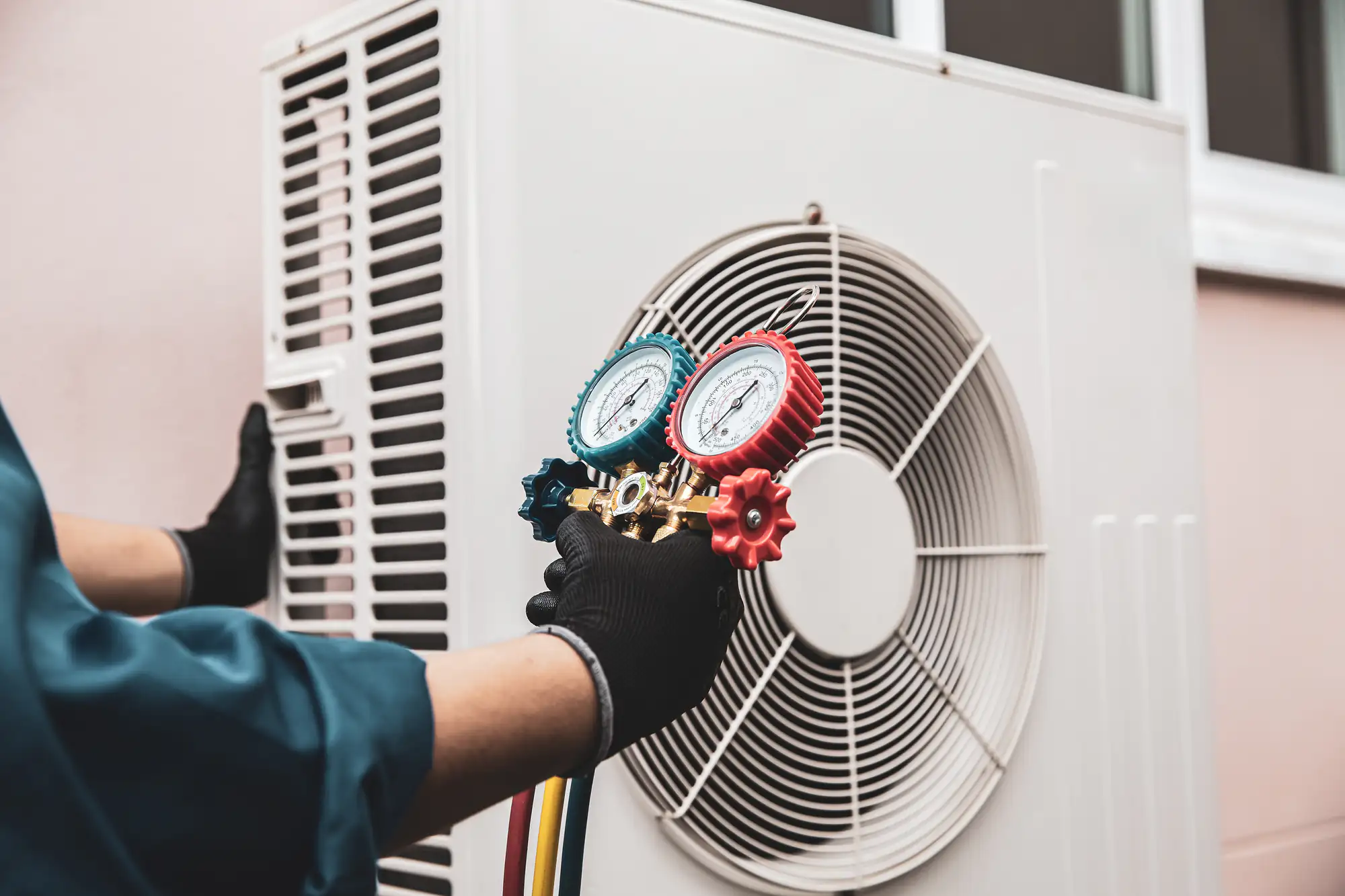
Most homeowners have never watched a boiler cleaning happen, so they don’t know what they’re paying for or whether the job was done right. Here’s what a proper service visit from us looks like.
We start with a full visual inspection—the boiler itself, the piping, the connections, and the surrounding area. We’re looking for corrosion, leaks, anything that’s worn or failing. From there, we clean the heat exchanger, burners, and ignition system, removing the soot and debris that build up over a heating season and choke off efficiency. Then comes combustion analysis—checking and adjusting the air-to-fuel ratio so the system is burning cleanly and not producing excess carbon monoxide. The flue gets inspected for blockages and cracks, and all the safety controls—pressure valves, thermostats, electrical connections, safety shutoffs—get tested.
For Baiting Hollow homes, especially those near the Sound, the flue and chimney inspection carries extra weight. Coastal exposure means caps, liners, and flashing can deteriorate faster than expected. If there’s a nest in the flue from a warm-weather season—something we handle regularly—that gets cleared too. Any work that involves liner installation or replacement falls under the Town of Riverhead’s building permit requirements, and we operate within those standards. The visit typically takes one to two hours for a residential system, and when we leave, the space is clean.
Ready to get started?
Here’s the gap that most local HVAC and plumbing companies leave: they service the boiler unit itself and stop there. The chimney flue, the liner, the exhaust pathway—that’s a different expertise, and most generalists don’t touch it. We cover the entire system, from the burner through the heat exchanger, up through the flue, and out through the chimney. That’s the difference between a boiler tune-up and a complete boiler cleaning service.
Baiting Hollow runs primarily on oil heat, and the multiple oil delivery companies serving this area—Suffolk Oil, Wise Choice Fuel Oil, Alcus Fuel Oil—confirm that. Oil combustion leaves heavier soot deposits than gas, which means the heat exchanger and flue accumulate buildup faster and need professional attention on a consistent annual schedule. If your oil delivery driver or service tech has flagged a chimney or flue issue during a recent visit, we’re the call you make next. That’s a common path for homeowners in this area, and it’s exactly the kind of follow-up work we’re built for.
The service also extends to residential and commercial properties. The Baiting Hollow Farm Vineyard, the Baiting Hollow Club, and other commercial operations along Sound Avenue have their own boiler systems that require the same level of professional care. Whether it’s a single-family home in the Estates at Baiting Hollow or a commercial property with a larger system, the process and the standard of work are the same.

For most homes in Baiting Hollow, once a year is the right interval—and the timing matters. The ideal window is late summer or early fall, before you’re actually relying on the system. That gives any issues discovered during the cleaning time to be addressed before the first cold night arrives.
If your home sits on or near the Long Island Sound—in the Woodcliff beachfront community or up on the bluffs near the Baiting Hollow Club—you may want to lean toward annual inspections without skipping years. Coastal salt air and humidity accelerate corrosion in chimney caps, liners, and flashing, which means problems can develop faster than they would in a more sheltered location. And if your property is used seasonally and the boiler sits dormant for months at a stretch, a thorough inspection before you fire it back up is genuinely important, not just a precaution.
It’s a common assumption—your oil delivery company sends a tech out, they look at the burner, and you figure that covers it. It doesn’t, and the distinction matters.
Oil service technicians typically focus on the burner unit: the nozzle, the fuel pump, ignition components, and combustion efficiency at the burner level. What they don’t do is clean the chimney flue, inspect the liner, clear blockages from the exhaust pathway, or assess the chimney cap and crown. That’s a separate discipline, and it requires chimney-specific expertise and equipment. Baiting Hollow is served by several oil delivery companies—Suffolk Oil, Wise Choice Fuel Oil, and Alcus Fuel Oil among them—and their drivers and technicians sometimes flag chimney or flue issues during a routine delivery visit. When that happens, we’re the follow-up call. Our boiler cleaning service covers what the oil company doesn’t: the full exhaust system from the heat exchanger through the flue to the chimney top.
Yes, and it’s more common than most homeowners realize. Most boiler manufacturers require documented annual professional maintenance as a condition of keeping the warranty valid. If you skip a year and something fails, the manufacturer can deny the claim on the grounds that the maintenance schedule wasn’t followed. This applies to newer boilers just as much as older ones—in fact, newer systems often have tighter tolerances that make them more sensitive to soot buildup, not less.
For homeowners in Baiting Hollow, where the median home was built around 1987 and many boilers are approaching 35 to 40 years old, the warranty question is less relevant—those systems are past their original warranty period. But the underlying principle still applies: deferred maintenance is cumulative. Soot and corrosion don’t pause between seasons. A boiler that’s been neglected for several years doesn’t just need double the cleaning—it may have developed corrosion, liner damage, or efficiency losses that a single cleaning won’t fully reverse. Annual service is how you stay ahead of that curve.
Some signs are obvious and some aren’t. If your boiler is running but the house isn’t getting warm, if you’re noticing soot or black residue near the boiler or flue connections, or if a carbon monoxide detector has triggered, those are immediate red flags that warrant a call. A blocked or dirty flue can also cause your boiler to work harder than it should—running longer cycles, consuming more fuel, and wearing out components faster—without any single symptom that screams “call someone now.”
In Baiting Hollow specifically, there’s a seasonal factor worth knowing about. Homes that are used seasonally or that have been closed up through the warmer months are at higher risk of flue blockages from nesting animals. Birds and small animals look for sheltered spaces during spring and summer, and an uncapped or deteriorating chimney flue is an obvious candidate. When the homeowner returns in fall and fires up the boiler, that blockage doesn’t announce itself—it just prevents combustion gases from venting properly. We handle nest and obstruction removal as part of the service, and a camera inspection of the flue can confirm whether the pathway is clear before the system runs.
Annual boiler cleaning and servicing in the New York area typically runs in the range of $200 to $500 or more depending on the scope of work, the system size, and what the technician finds during inspection. That’s the documented range for professional service in this region.
Compare that to the alternative. A boiler pump replacement on Long Island runs $400 to $900. A zone valve is $350 to $700. A full boiler replacement—which is where deferred maintenance eventually leads—costs $5,500 to $15,000 installed. And those are repair costs, not including the fuel you’ve been overpaying for in the meantime. At $4-plus per gallon for heating oil in Baiting Hollow, a 3 to 4 percent efficiency loss from soot buildup is a real and recurring expense every single heating season. Annual boiler cleaning is not a luxury—it’s the straightforward math of maintaining a system that costs significantly more to replace than to maintain.
Yes. We handle both residential and commercial boiler cleaning throughout Baiting Hollow and the surrounding Riverhead area in Suffolk County. The scope of the work and the system size differ, but the standard of service is the same.
On the commercial side, Baiting Hollow has more going on than it might appear from the outside. The Baiting Hollow Farm Vineyard on Sound Avenue, the Baiting Hollow Club and its clubhouse, and the event and hospitality operations along the Sound Avenue corridor all have commercial systems that require professional maintenance on a consistent schedule. Commercial boilers that support heating for large spaces, event venues, or year-round operations carry a higher cost of failure than a residential unit—a system going down in the middle of a winter event is a significant problem. We hold a Suffolk County license that covers commercial work in this jurisdiction, and the same credentials—six years of Angie’s List and BBB recognition, UL-listed materials, liability insurance, and workers’ compensation—apply to every job, residential or commercial.
Other Services we provide in Baiting Hollow