
A clean boiler runs the way it was built to run. Heat transfers the way it should, combustion is efficient, and the exhaust moves cleanly through the flue and out the chimney. That means lower fuel consumption, less strain on the system, and fewer surprises during the months when you need it most.
For Barnum Island homeowners, that last part carries extra weight. You’re living in a salt-air environment between Reynolds Channel and the open water, and that marine air doesn’t just affect your car or your gutters it works on every metal surface in your heating system too. Flue liners, exhaust connections, chimney caps all of it is exposed to accelerated corrosion that inland Nassau County neighborhoods simply don’t deal with at the same rate. Annual boiler cleaning and inspection is how you catch that kind of deterioration before it becomes a failure.
There’s also the oil heat factor. Most homes in Barnum Island run on oil, and oil combustion produces significantly more soot and carbon buildup than gas. A single millimeter of soot on your boiler’s heat transfer surfaces can reduce efficiency by 3 to 4 percent and drive flue gas temperatures up by 20 to 25 degrees Celsius. On Long Island, where oil prices are already high, that efficiency loss shows up in your heating bill every single month. Getting the system cleaned annually isn’t a maintenance checkbox it’s how you stop paying extra for heat you’re not actually getting.
We’re based in Levittown Nassau County which puts us about 10 to 12 miles from Barnum Island via Long Beach Road. That’s not a contractor making an unusual trip to the South Shore. That’s a local company that knows this market, knows the housing stock, and has been serving Nassau County homeowners for years.
For six consecutive years, we’ve earned “A” ratings and awards from both Angie’s List and the Better Business Bureau. That kind of track record doesn’t come from one good season it comes from consistently showing up, doing the work right, and being honest with customers about what they actually need. There are reviews from customers who were told they didn’t need a service they called about. That’s the kind of company worth calling.
All work is done by Nassau County licensed technicians, with full liability insurance and workers’ compensation coverage. Every material we install is UL listed and up to code.
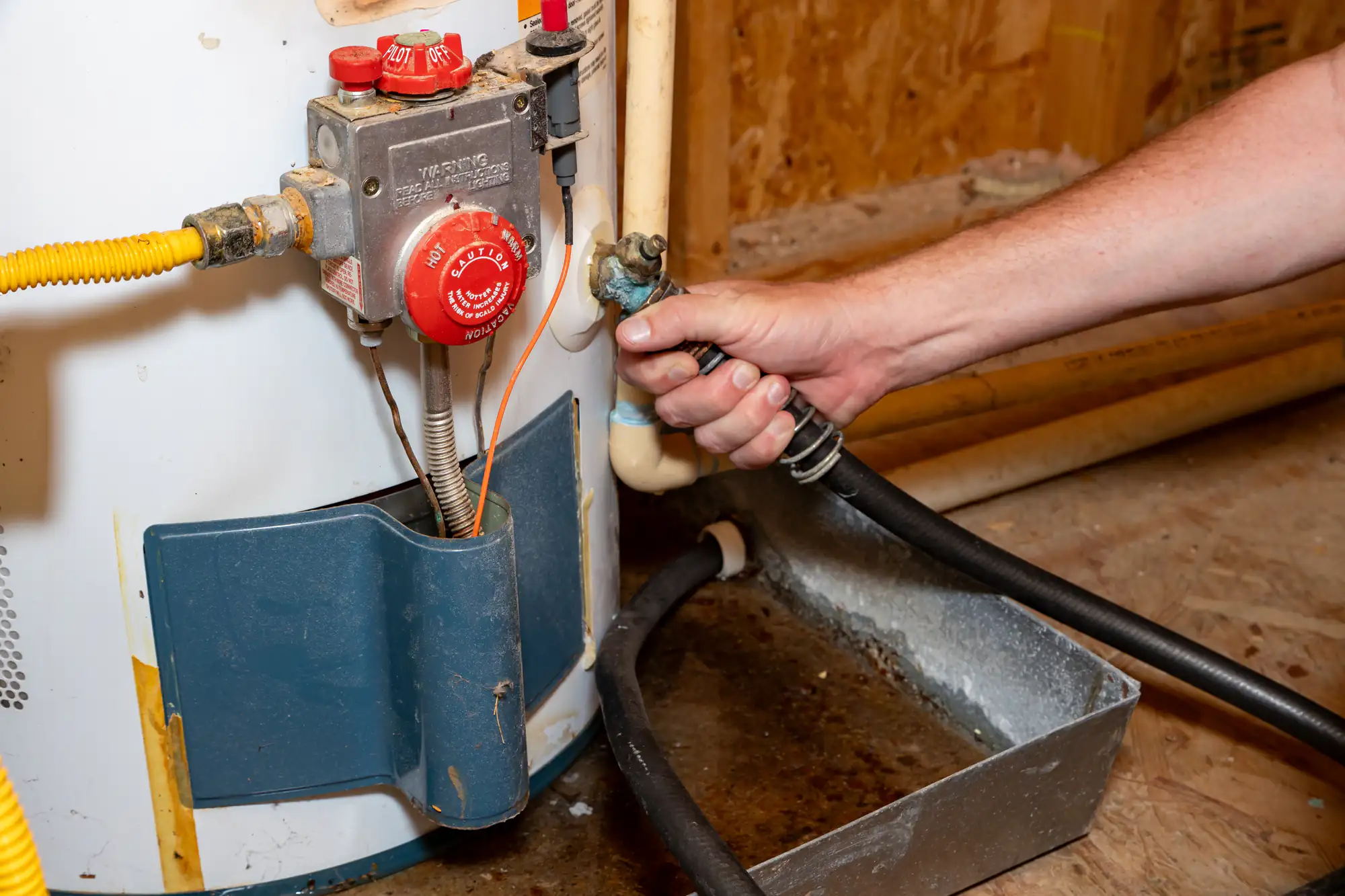
When one of our technicians arrives at your Barnum Island home, the first thing we do is a full visual inspection the boiler itself, the piping, the connections, and the exhaust pathway leading to the chimney. In a coastal community like yours, that inspection includes checking for corrosion that salt air can accelerate over time, especially on flue liners and exhaust fittings that don’t get looked at between service calls.
From there, the heat exchanger and burners get cleaned removing the soot and carbon deposits that build up with every heating cycle. On an oil system, that buildup is heavier than most homeowners expect, and it’s the primary reason efficiency drops year over year when cleaning gets skipped. A combustion analysis follows, which measures the air-to-fuel ratio and confirms the system is burning cleanly and safely. If the ratio is off, we adjust it.
The flue is inspected and cleaned as part of the same visit this is where we differ from a standard HVAC company. Most heating contractors stop at the mechanical unit. We check and clean the entire exhaust pathway, from the burner through the flue to the chimney top. Safety controls are tested, pressure levels are verified, and before we leave, you get a straight answer on the condition of your system and whether anything needs attention.

Ready to get started?
What sets our boiler cleaning service apart from what most heating companies offer is scope. An HVAC company cleans the mechanical unit. We clean the mechanical unit and the chimney flue system the full exhaust pathway that carries combustion gases out of your home. In Barnum Island, where homes sit in a coastal flood zone and many were rebuilt or re-equipped after Hurricane Sandy, that full-system approach matters more than it does in a landlocked community.
For homeowners whose boilers were replaced in 2012, 2013, or 2014 following Sandy, those systems are now well into their second decade. The replacement was the right call at the time but a boiler installed under emergency conditions in a home that had been submerged in floodwater still needs consistent annual attention. The flue liner, the exhaust connections, and the chimney components that were part of that post-Sandy setup have been accumulating wear, and salt air has been working on them from the outside in.
Our service covers heat exchanger and burner cleaning, combustion analysis, flue inspection and cleaning, safety control testing, pressure verification, and a written assessment of anything that needs follow-up. We serve both residential and commercial properties throughout Nassau County, and the same standard of work applies regardless of property size. If you’re not sure whether your system is due or overdue a call is the fastest way to find out.

Once a year is the standard recommendation, and for most Barnum Island homes, fall is the right time to do it before the heating season starts and while the system isn’t running. That timing gives you a clean, inspected boiler going into winter rather than discovering a problem in the middle of January when every heating company on Long Island is backed up.
For oil-fired systems, which are common throughout Barnum Island and the South Shore, annual cleaning is especially important. Oil combustion leaves behind significantly more soot and carbon than gas, and that buildup compounds quickly when it’s not cleared out each year. Add the coastal environment salt air accelerating corrosion on flue liners and exhaust components and the case for consistent annual service becomes even stronger. Skipping a year doesn’t just mean double the buildup next time; it means corrosion and efficiency loss that compounds in ways that aren’t always visible until something fails.
No, and this is one of the most common misunderstandings among oil heat customers on Long Island. Your oil delivery company services the burner unit the mechanical component that ignites and burns the fuel. That’s useful and important, but it stops at the appliance itself. The chimney flue, the liner, the exhaust pathway from the boiler to the chimney top none of that is typically included in a standard oil burner service call.
That gap matters because the flue is where combustion gases travel out of your home. If it’s partially blocked by soot, debris, or a deteriorating liner, those gases don’t exit cleanly. In Barnum Island, where the chimney has been exposed to years of salt air and possibly the aftermath of Sandy flooding, the flue deserves its own dedicated inspection and cleaning not an assumption that the oil company handled it. We cover both sides of the system, which is what a complete annual boiler cleaning service should include.
A few things are worth paying attention to between scheduled cleanings. If your heating bills have gone up without a clear explanation no major change in weather, no increase in fuel prices reduced boiler efficiency from soot buildup is a likely contributor. If the burner flame looks yellow or orange instead of a clean blue, that’s a combustion signal worth having checked. Unusual odors when the heat kicks on, visible soot around the boiler or exhaust connections, or a system that takes longer than usual to reach temperature are all reasons to call before your next scheduled service.
For Barnum Island homeowners specifically, it’s also worth checking after any significant coastal storm. Nor’easters and heavy weather events can push debris into chimney flues or disturb components that were already showing wear from salt air exposure. If you’ve had a storm come through and the system sounds or smells different afterward, that’s a reasonable trigger for an unscheduled inspection.
Yes, and it’s one of the more serious reasons not to put off annual boiler cleaning. Carbon monoxide is produced during combustion, and under normal operating conditions, it exits your home through the flue. When the flue is partially blocked by soot buildup, a deteriorating liner, a bird’s nest, or debris those gases can’t exit the way they’re supposed to. A blocked or restricted flue can cause combustion gases, including carbon monoxide, to back up into the living space.
A dirty boiler also affects combustion quality directly. When the heat exchanger is coated in soot, the air-to-fuel ratio can shift, producing more incomplete combustion and higher carbon monoxide output. In a tightly sealed home which many post-Sandy rebuilt homes in Barnum Island are, given updated insulation and weatherproofing that risk is more concentrated than it would be in an older, draftier structure. Annual cleaning and inspection is how you confirm that the system is burning cleanly and venting completely, every year.
Annual boiler cleaning and service in the New York area generally runs between $200 and $500, depending on the scope of the work, the condition of the system, and what the inspection turns up. That range covers a standard residential service cleaning, combustion analysis, flue inspection, and safety control testing. If additional work is needed, such as a liner repair or cap replacement, that would be quoted separately before anything is done.
It’s worth putting that number in context for Barnum Island homeowners. The median home value here is close to $700,000. A boiler failure that leads to a full system replacement runs $5,500 to $15,000 on Long Island. Pipe damage from a system that goes down in freezing temperatures can cost far more than that. Annual cleaning is a small, predictable expense that reduces the likelihood of a large, unpredictable one and for a high-value property in a coastal flood zone, that math is straightforward.
Yes. We offer 24/7 emergency service, and that availability is backed by real customer experiences not just a line on a website. There are documented cases of same-day emergency response in freezing conditions, including situations where homeowners had no heat and needed someone there the same day.
For Barnum Island residents, that kind of availability means something specific. This is an island community with Long Beach Road as the primary way in and out. When a boiler goes down on a January night with a nor’easter coming in off the water, your options are more limited than they would be in a landlocked town with multiple routes and services nearby. Knowing that a Nassau County-based company with a real track record will actually come not just promise to is the kind of reassurance that matters here. We’re based in Levittown, roughly 10 to 12 miles away, and serve the South Shore as part of our regular service area, not as an exception.
Other Services we provide in Barnum Island