

When your boiler has been professionally cleaned and inspected, you stop guessing. You know it’s running efficiently, venting safely, and not quietly burning more fuel than it should. That peace of mind is worth more than most people realize until the first cold snap hits and the heat doesn’t come on.
For homeowners in Eatons Neck, this matters more than in most places. Your home sits on a peninsula surrounded by Long Island Sound on multiple sides, which means salt air, nor’easter winds, and freeze-thaw cycles that hit harder here than almost anywhere else on Long Island. That kind of exposure accelerates wear on chimney components, corrodes metal parts, and degrades mortar joints faster than anything you’d see five miles inland. Annual boiler cleaning catches that deterioration before it turns into a safety issue.
There’s also the age of the housing stock to consider. Most homes on this peninsula were built in the 1950s, 1960s, and 1970s. The boilers in these homes may have been replaced once or twice, but the chimney flue those boilers vent through is often the original infrastructure decades old, potentially with a clay tile liner that’s never been professionally inspected. A cracked liner doesn’t just hurt efficiency. It creates a pathway for combustion gases to move where they shouldn’t. Getting that system cleaned and looked at every year isn’t overcautious. It’s just smart ownership.
We’ve earned Angie’s List and BBB awards for six consecutive years not because of a good marketing push, but because of how the work gets done. Our technicians show up on time, explain what they find, clean up completely, and tell you honestly what your system needs. That last part matters more than people expect. There are companies that will walk into a service call and find something to sell you. We have a documented track record of telling homeowners when they don’t need a service which, in an industry full of upsell pressure, is the kind of honesty that builds real trust.
We hold Suffolk County licensing, which covers the Town of Huntington and every home on Eatons Neck. We carry both liability insurance and workers’ compensation, and all materials we install are UL listed and up to code. For a community where residents research their service providers carefully before granting access to a private peninsula property, those aren’t just checkboxes they’re the baseline for doing business the right way.

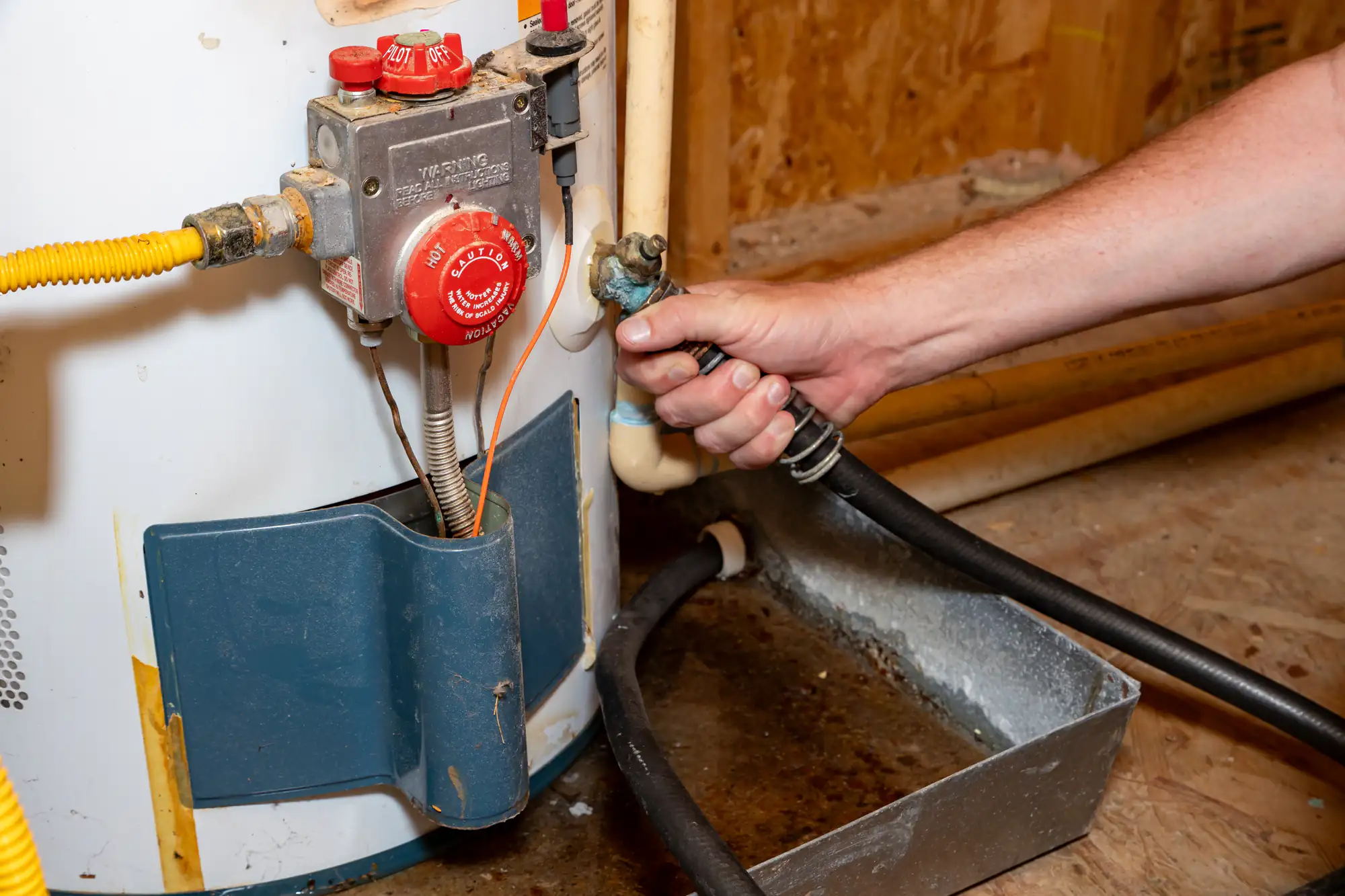
The process starts with a full visual inspection the boiler itself, the piping, the connections, and any visible signs of corrosion, leaks, or damage. For homes in Eatons Neck, that inspection includes a close look at components that coastal exposure tends to wear down faster: metal caps, liner connectors, flue collars, and the masonry around the chimney crown. Salt air does real work on these parts, and catching corrosion early is a lot cheaper than dealing with it after it’s caused a failure.
From there, we clean the heat exchanger, burners, and ignition system removing the soot and debris that build up over a heating season and reduce how efficiently your boiler transfers heat. A combustion analysis follows, measuring the air-to-fuel ratio and adjusting it for optimal efficiency. We inspect the flue for blockages, cracks, and proper venting. Safety controls are tested. Pressure levels are checked and verified.
If there’s nesting material in the flue which is a real and recurring issue on a wooded peninsula like Eatons Neck, especially near the Water Bird Park Preserve we remove that before it becomes a hazard. The visit wraps with a written summary of what was found and any recommendations for follow-up work. Most residential boiler cleanings take approximately one to two hours. The best time to schedule is September or October, before the heating season starts and before the roads through Asharoken become a factor in emergency response timing.
Ready to get started?
Most HVAC companies that service boilers in this area including the one with the only dedicated Eatons Neck landing page clean the mechanical unit and stop at the chimney breach. They check the burner, replace the nozzle and filter, run a combustion efficiency test, and call it done. That’s legitimate work, but it leaves the chimney side of the system completely unaddressed. For a home on Eatons Neck, where the chimney flue may be the original 1967 clay tile liner and the exterior masonry has been absorbing salt air and freeze-thaw stress for decades, that gap is significant.
We cover the entire system. That means the boiler unit and the full exhaust pathway from the burner through the flue liner to the chimney top. Our inspection includes the liner condition, the crown, the cap, the flashing, and any signs of coastal deterioration or animal intrusion that a standard HVAC tune-up won’t catch. We also service both oil and gas boilers, with no equipment exclusions. Oil boiler owners in Eatons Neck who rely on a service contract that excludes oil equipment are not getting the full picture.
Work performed in the Town of Huntington falls under Suffolk County building codes and licensing requirements. We hold the required Suffolk County license and carry full liability insurance and workers’ compensation coverage. Every component we install meets UL listing standards.

Once a year is the standard recommendation, and for homes in Eatons Neck, that schedule is worth sticking to without skipping. The combination of an aging housing stock most homes here were built in the 1960s and 1970s and direct coastal exposure from Long Island Sound means your chimney and boiler system is working under more stress than a comparable system in an inland community. Salt air corrodes metal components, freeze-thaw cycles crack mortar joints and liner tiles, and a wooded peninsula environment increases the likelihood of nesting in the flue during the off-season.
The best window to schedule is September or October, before the heating season starts. Getting the system cleaned and inspected before the first real cold snap means any issues that surface during the visit can be addressed while the weather is still manageable not after you’re already dependent on the boiler for heat. Most manufacturers also require annual professional maintenance to keep the boiler warranty valid, so skipping a year can have consequences beyond just the efficiency loss.
A standard HVAC tune-up focuses on the mechanical boiler unit the burner, nozzle, filter, electrodes, and combustion efficiency. That’s useful work, but it stops at the point where the boiler connects to the chimney. The chimney flue, the liner, the crown, the cap, and the masonry are not part of what most HVAC companies inspect or clean during a routine boiler service call.
We cover the full exhaust system from the burner through the flue to the top of the chimney. That distinction matters a great deal for Eatons Neck homes, where the chimney infrastructure is often original to the home’s construction and has been exposed to decades of coastal weather. A cracked flue liner, a corroded cap, or a blocked exhaust pathway won’t show up on an HVAC tune-up report. It will show up as a carbon monoxide risk, a heating inefficiency, or a chimney fire none of which you want to discover mid-winter on a peninsula accessible by a single road.
Yes, and the numbers are concrete enough to be worth knowing. A buildup of soot just one millimeter thick on the heat transfer surfaces inside your boiler can reduce its efficiency by three to four percent and raise flue gas temperatures by 20 to 25 degrees Celsius. That means your boiler is burning more fuel to produce the same amount of heat and on Long Island, where oil heat is common and fuel costs are not modest, that inefficiency adds up over a full heating season.
For Eatons Neck homeowners, the coastal environment compounds this. Salt air accelerates the buildup of corrosion and deposits on boiler components, and homes with older systems that haven’t been cleaned recently may be running at a meaningful efficiency deficit without any obvious sign of a problem. The boiler fires, the house gets warm, and the fuel bill quietly climbs. Annual boiler cleaning restores that efficiency and keeps your heating costs where they should be especially relevant when your home is exposed to the kind of extended heating season that comes with a north-facing peninsula on Long Island Sound.
That depends entirely on which service contract you have and what it actually covers. It’s worth reading the fine print carefully. Some service contracts available to homeowners in this area explicitly exclude oil equipment from their coverage meaning if you have an oil boiler, you may be paying for a plan that doesn’t apply to your primary heating system.
Beyond the contract coverage question, most HVAC service agreements focus on the mechanical boiler unit and do not include chimney-side cleaning or flue inspection. Even a comprehensive HVAC contract typically stops at the point where the boiler connects to the exhaust system. The chimney flue, liner, crown, and cap are outside the scope of what most HVAC companies are equipped or licensed to address. We service both oil and gas boilers and cover the full system the boiler unit and the chimney infrastructure it vents through with no equipment exclusions and the Suffolk County licensing required for chimney work in the Town of Huntington.
A few things are worth paying attention to between annual cleanings. If your heating bills have gone up noticeably without a corresponding change in how you’re using the heat, that’s often a sign of reduced combustion efficiency which soot and debris buildup directly causes. If the boiler is taking longer to reach temperature, cycling on and off more frequently, or making sounds it didn’t used to make, those are signs the system is working harder than it should.
For Eatons Neck homes specifically, there are a couple of additional triggers to watch for. If your oil delivery company flags a problem with the exhaust system or mentions unusual soot levels during a delivery visit, that’s a prompt to schedule a chimney-side inspection not just an HVAC call. And if you’ve had a significant nor’easter or coastal storm since your last cleaning, it’s worth having the chimney cap and crown checked for storm damage. Wind-driven debris, displaced caps, and freeze-thaw cracking after a hard winter storm can create blockages or gaps in the exhaust pathway that weren’t there before the weather hit.
We serve Suffolk County, which includes the Town of Huntington and every home on Eatons Neck. We hold the Suffolk County license required for chimney work in this jurisdiction county-specific licensing matters in New York, and it’s worth confirming that any chimney or boiler flue contractor you hire holds the appropriate credential for the county where your home is located, not just a general statewide contractor license.
Eatons Neck’s geography a peninsula accessible only via Asharoken Avenue doesn’t change our service availability, but it does reinforce why scheduling before the heating season is the smarter approach. We offer 24/7 emergency service and have a documented track record of same-day response in winter emergency conditions, so if something goes wrong mid-season, you’re not without options. That said, the goal of annual boiler cleaning is to make sure you never need that emergency call in the first place especially on a peninsula where the single road in and out adds a layer of logistical reality to any winter service situation.
Other Services we provide in Eatons Neck