


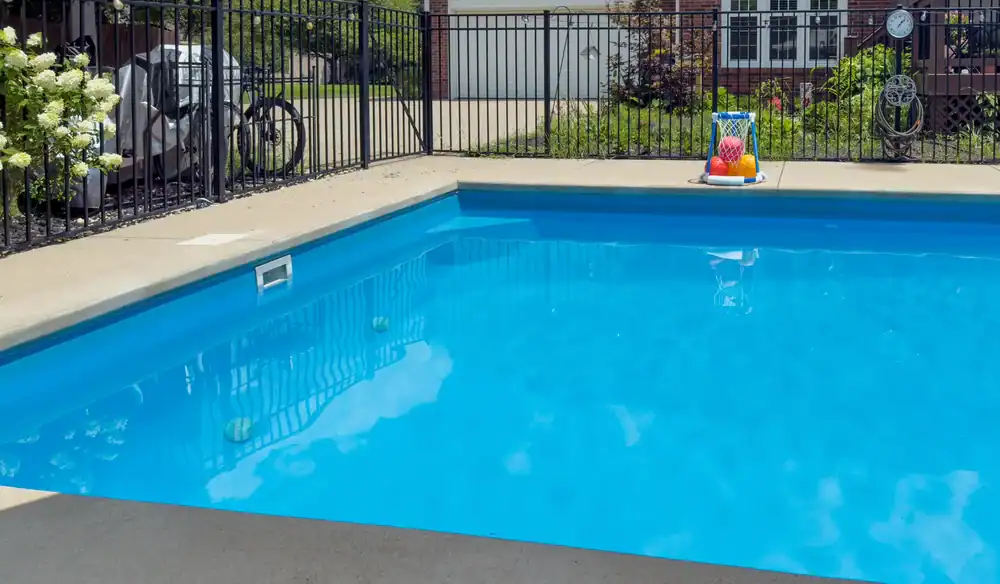
You’re not just adding a hole filled with water. You’re creating the space your family gravitates toward all summer—and the feature that makes your property stand out when it matters.
A well-built pool changes how you use your home. Weekends stop revolving around where to go and start happening in your own backyard. Kids have somewhere to burn energy. You have a reason to stay home instead of fighting beach traffic.
But only if it’s done right. That means proper grading so water doesn’t pool on your patio. Coping that doesn’t crack after two winters. A surrounding hardscape that complements your home instead of looking like an afterthought. When you work with a team that handles both the pool construction and the masonry work around it, everything flows. No coordination headaches between separate contractors. No mismatched materials or timelines that drag into fall.
We’ve been working on Long Island properties long enough to know what holds up here and what doesn’t. The sandy soil in Eatons Neck shifts differently than clay-heavy areas further inland. The salt air affects which materials age well. The local permit process in Suffolk County has its own quirks that slow down contractors who don’t work here regularly.
We handle the full scope—excavation, Gunite or vinyl liner installation, pool coping and tile, concrete surrounds, patio masonry, retaining walls if your property needs grading work. Everything that turns an empty yard into a complete backyard poolscape.
Most of our work comes from referrals. That happens when you show up on time, communicate clearly about timelines and costs, and leave properties cleaner than you found them.
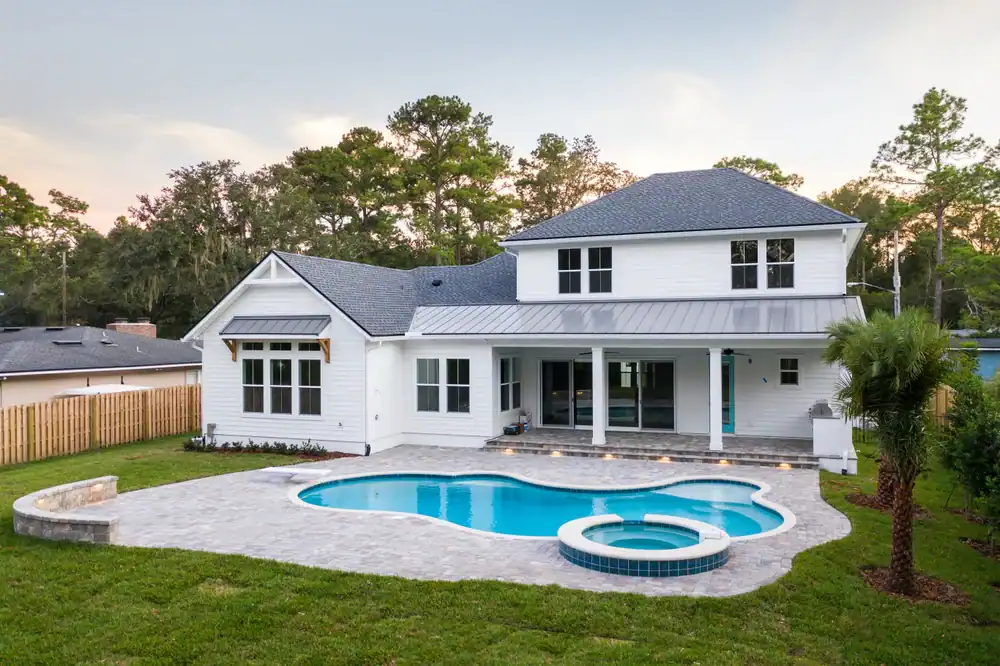
It starts with a site visit. We look at your property’s grading, soil conditions, and existing hardscape. We talk about what you actually want—lap pool, family-friendly shallow end, space for entertaining, whatever matters to you. Then we give you a realistic timeline and a price that includes everything, not a low number that balloons once work starts.
Permits come next. Suffolk County requires specific documentation, and if you’re in a village with additional zoning rules, that adds steps. We handle that process so you’re not making calls to town offices.
Once permits clear, excavation begins. Depending on your property’s soil and drainage, this might involve more grading work than you’d expect. Then comes the pool shell—Gunite for custom shapes and long-term durability, or vinyl liner if you’re working with a tighter budget. Plumbing, electrical, and filtration systems get installed according to code.
After the shell cures, we move to finishing work. Pool coping and tile around the edge. Concrete surrounds or paver patios. Any retaining walls or landscape grading to manage water runoff. This phase determines whether your pool looks like a professional installation or a DIY project gone wrong.
Final inspections, startup, and walkthrough. You’ll know how to maintain your system, what to watch for, and who to call if something needs attention.
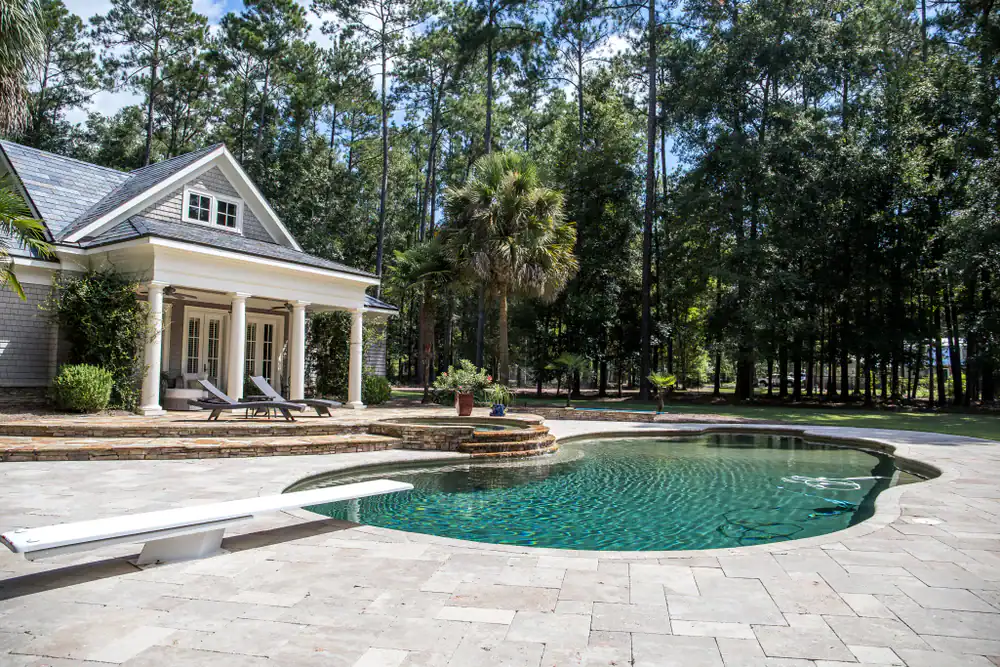
Ready to get started?
You’re getting more than a pool. The masonry work around it matters just as much for how the space functions and ages.
Custom pool coping and tile create the finished edge where pool meets patio. This isn’t just aesthetic—it affects safety, water drainage, and how well the structure holds up through freeze-thaw cycles. We work with materials that handle Long Island winters without cracking or shifting.
Concrete pool surrounds or paver patios give you the deck space for chairs, grills, and foot traffic. The base needs proper compaction and drainage, especially in Eatons Neck’s sandy soil. Shortcuts here lead to uneven surfaces and standing water within a few seasons.
If your property has any slope, retaining walls and grading work become necessary. Water needs to drain away from your pool and your home’s foundation. That might mean building up certain areas, cutting into others, or installing drainage systems that aren’t visible but prevent expensive problems.
Complete backyard poolscapes in Suffolk County also consider how everything connects—walkways from your house to the pool, outdoor kitchens or fire pits if that’s part of your plan, fencing that meets local codes. When one company handles all the masonry and construction, you avoid the gaps that happen when separate contractors point fingers at each other.
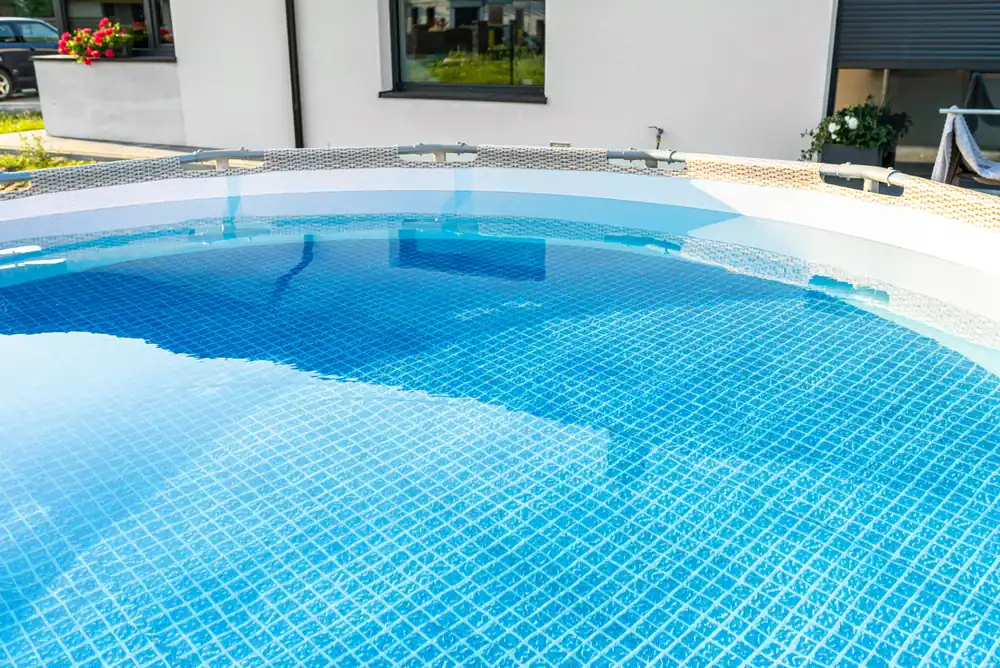
Most custom in-ground pools take six to eight weeks from excavation to completion, but your timeline depends on a few factors specific to Long Island properties.
Permit approval in Suffolk County usually takes two to three weeks if everything’s submitted correctly. Some villages within the county add their own review process, which can extend that window. Weather also plays a role—heavy rain delays excavation and concrete work, and you can’t pour Gunite in freezing temperatures, which is why most installations happen between April and October.
Your property’s specific conditions matter too. If you need significant grading work, retaining walls, or drainage systems before the pool goes in, that adds time upfront. But it’s time well spent—skipping necessary site prep leads to settling, cracking, and water management problems that cost more to fix later than to do right the first time.
Gunite gives you a fully customizable concrete shell that’s sprayed into place and reinforced with rebar. You can build any shape, any depth, and incorporate features like tanning ledges, beach entries, or built-in spas. The surface is extremely durable and lasts decades with proper maintenance. It costs more upfront and takes longer to install, but you’re building a permanent structure that adds significant value to your property.
Vinyl liner pools use a pre-formed shell or a frame with a vinyl lining. They’re faster to install and less expensive initially, which makes them appealing if you’re working within a tighter budget. The tradeoff is durability—liners typically need replacement every seven to ten years, and they’re more prone to tears or punctures. You’re also limited to standard shapes and sizes.
For Long Island properties where pools increase home value by eight to fifteen percent, most homeowners lean toward Gunite for the long-term return. But if you’re planning to move within a few years or you just want a functional pool without the higher investment, vinyl makes sense.
Yes, and the permit process in Suffolk County involves more steps than many homeowners expect.
You’ll need a building permit from the town, which requires site plans showing the pool’s location relative to your property lines, setback distances from your home and neighbors, and how drainage will be managed. Suffolk County also requires electrical and plumbing permits for the pool’s systems. If you’re adding a fence—which is mandatory in most areas—that’s another permit.
Some villages within Suffolk County have additional zoning requirements or architectural review boards that need to approve your plans. That can add weeks to the timeline if you’re not familiar with their specific process.
The permit phase is where a lot of projects stall. Incomplete applications get rejected, plans that don’t meet setback requirements need revision, and homeowners who try to navigate this themselves often end up frustrated. When you work with a pool installation company that handles Suffolk County permits regularly, we know exactly what documentation is needed and how to move things through without delays.
Long Island’s climate creates specific maintenance needs that differ from other regions. You’re dealing with spring pollen that clogs filters, summer heat that accelerates algae growth, and winter freeze-thaw cycles that stress your pool’s structure and equipment.
During swim season, you’re looking at weekly tasks—testing and balancing water chemistry, cleaning the skimmer and pump baskets, brushing walls and vacuuming the floor. Your filtration system needs to run daily, and you’ll go through chemicals to keep pH and chlorine levels stable. Most homeowners spend thirty to sixty minutes per week on basic upkeep, or they hire a service to handle it.
Closing your pool properly in fall is critical here. That means lowering the water level, blowing out plumbing lines so they don’t freeze and crack, adding winterizing chemicals, and covering the pool securely. Spring opening reverses the process—removing the cover, refilling, starting up equipment, and shocking the water to clear out any algae or bacteria that developed over winter.
Equipment maintenance happens on a longer cycle. Filters need cleaning or replacement depending on type. Pumps and heaters should be serviced annually. If you invest in energy-efficient variable-speed pumps and automated systems upfront, you’ll reduce both the time and cost of ongoing maintenance.
Pool coping and patio work typically runs between thirty and sixty percent of your total pool project cost, depending on materials and how much hardscape you’re adding.
Basic concrete pool surrounds are the most economical option—you’re looking at roughly eight to twelve dollars per square foot for a standard brushed or stamped finish. Pavers cost more, usually fifteen to twenty-five dollars per square foot installed, but they offer better drainage, easier repairs if one cracks, and more design flexibility. Natural stone like bluestone or travertine sits at the higher end, twenty-five to forty dollars per square foot, but it stays cooler underfoot in summer heat and ages well in Long Island’s climate.
Custom pool coping and tile add another layer of cost. Precast concrete coping is the budget choice, while natural stone or custom-cut options increase the price but give you a more finished look. The edge treatment affects both safety and how water drains off the deck, so it’s worth doing right.
If your property needs retaining walls, grading work, or drainage systems, factor in additional costs based on how much earth needs moving and what materials you’re using. A small retaining wall might add three to five thousand dollars. Extensive grading on a sloped property can run significantly more.
Yes, but it requires more planning and site work than a flat property with stable soil. Eatons Neck and much of Suffolk County sit on sandy soil that drains well but also shifts over time. That’s actually easier to work with than heavy clay, but it means your pool’s base needs proper compaction and the surrounding hardscape needs solid sub-base preparation to prevent settling.
Sloped properties need grading work and often retaining walls to create level areas for the pool and patio. You might be cutting into a hillside on one end and building up with fill on the other. This affects drainage patterns across your entire yard, so you need to plan where water will flow during heavy rain—away from your pool, away from your foundation, and toward appropriate drainage points.
Properties with high water tables or poor drainage require additional systems—French drains, sump pumps, or strategic grading to manage groundwater. Skipping this work leads to pools that pop out of the ground during wet seasons or patio surfaces that stay perpetually damp and develop mold or settling issues.
The key is working with in-ground pool builders in Suffolk County who’ve dealt with these conditions enough times to know what’s required. A site visit tells you what you’re working with and what it’ll take to build something that lasts.
Other Services we provide in Eatons Neck