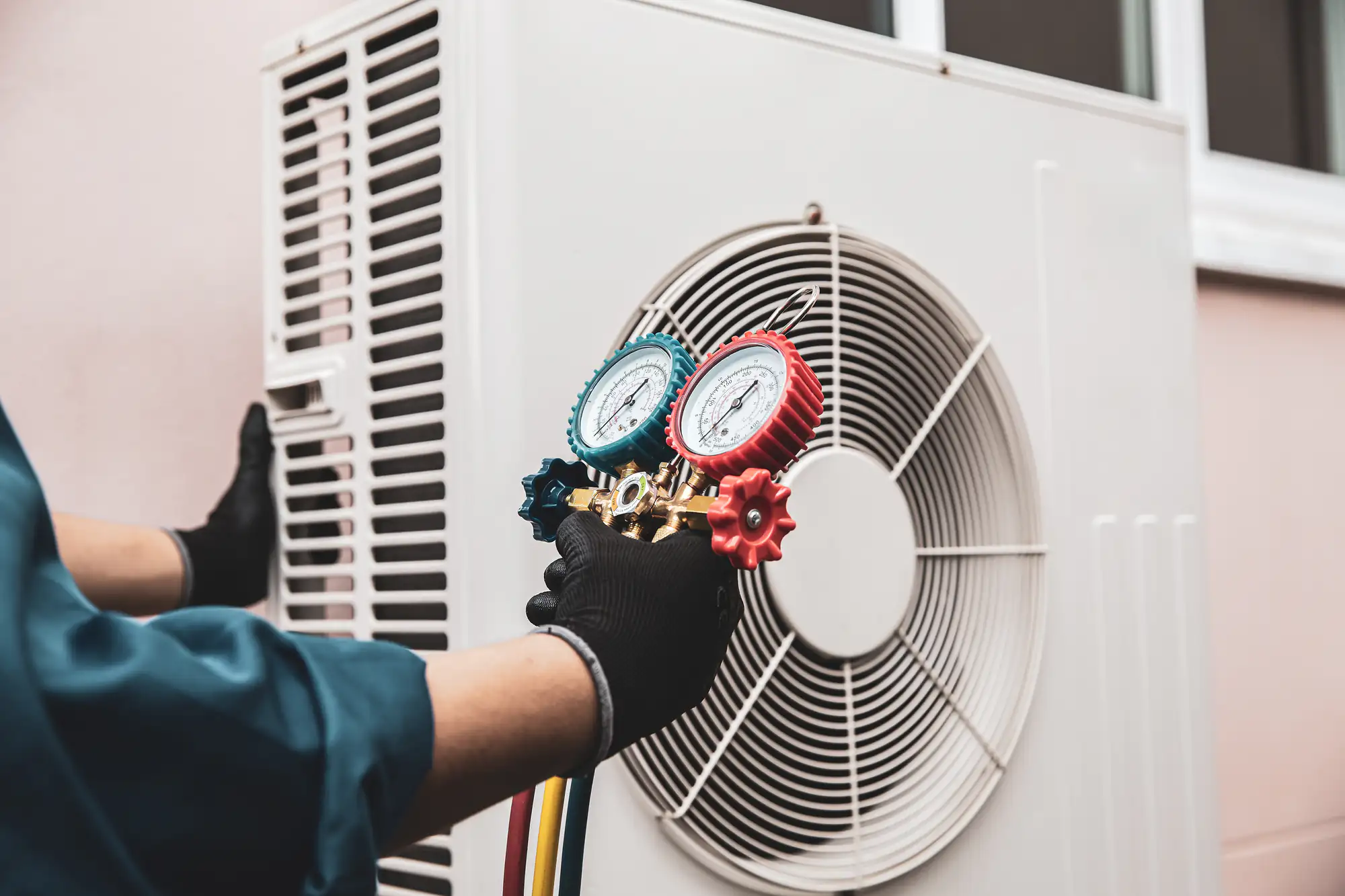


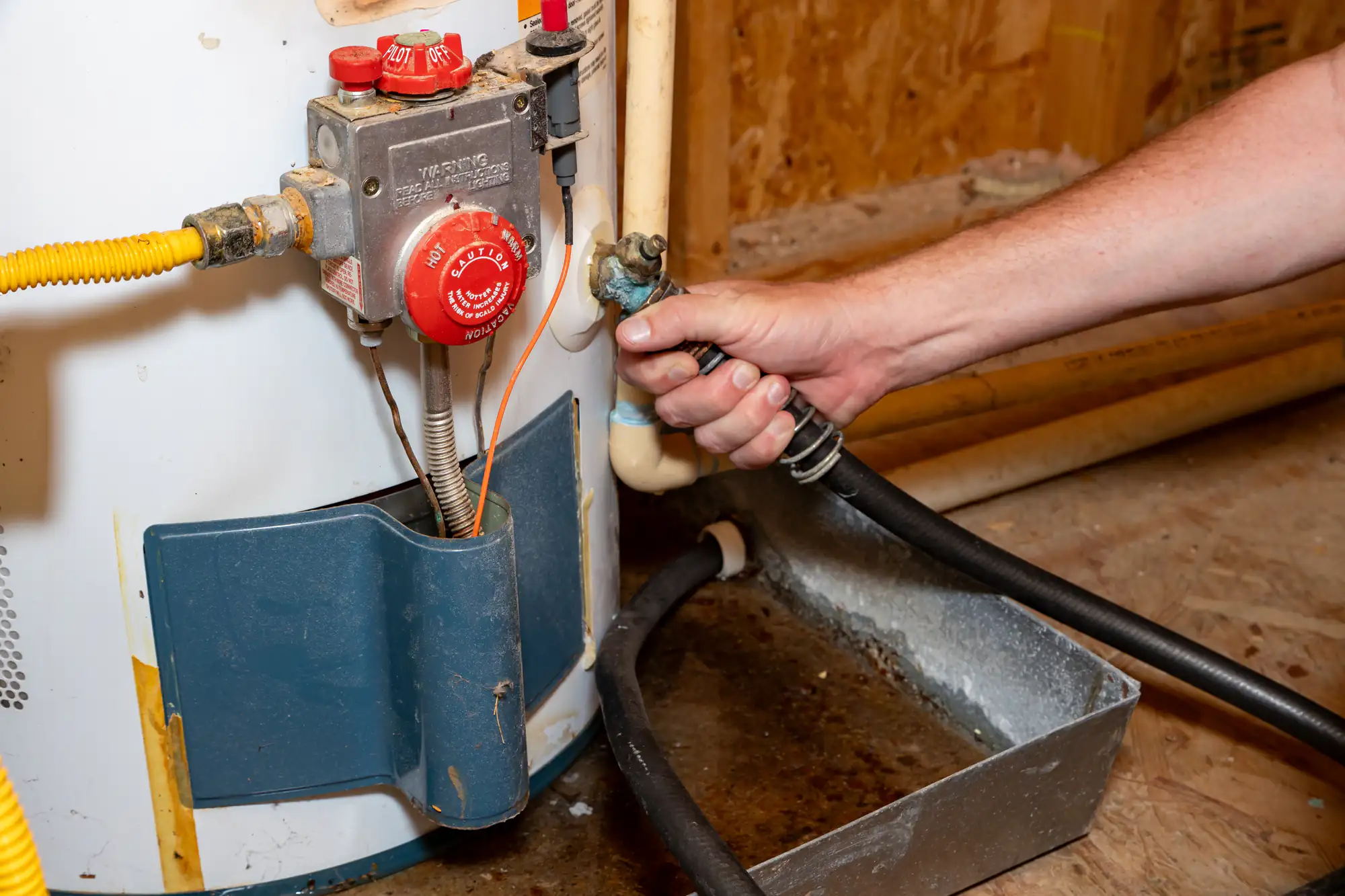
A dirty boiler doesn’t announce itself. It just quietly costs you more every month burning through fuel less efficiently, working harder than it should, and building up the kind of soot and residue that shortens its lifespan and creates real safety risks. Once the system is properly cleaned, you get your efficiency back. Your boiler runs the way it was designed to run, and you stop paying a premium on your heating bill for a problem you didn’t know you had.
For Great Neck homeowners specifically, the stakes are higher than they are in most Nassau County towns. A significant portion of homes on this peninsula particularly in Kings Point, Kensington, and Great Neck Estates were built between the 1920s and 1950s with oil-fired boiler systems and original masonry chimneys. Those chimneys have been accumulating decades of thermal stress, soot, and moisture exposure. Because Great Neck sits on a peninsula bordered by Manhasset Bay, Little Neck Bay, and the Long Island Sound, the salt air and coastal wind accelerate corrosion of chimney caps, flashing, and liner components faster than you’d see in an inland Nassau County town.
Annual boiler chimney cleaning doesn’t just restore efficiency it catches what’s quietly deteriorating before it becomes a repair bill or a safety issue. That’s the outcome that actually matters.
We’re based in Levittown, Nassau County the same county as every village on the Great Neck peninsula. That matters because Nassau County licensing is specific. It’s not a blanket statewide credential. We hold the county-level license required for chimney work throughout Nassau County, which means we’re authorized to work in Great Neck, Great Neck Estates, Kings Point, Kensington, Saddle Rock, and every other village on the peninsula.
Beyond the licensing, we’ve earned an “A” rating with the BBB and an Angie’s List award for six consecutive years. That’s not a one-time snapshot it’s a sustained track record that holds up year after year. We carry both liability insurance and workers’ compensation, and every material we install is UL listed and up to code.
What you’ll also notice, if you read through our reviews, is that our technicians are known for honest assessments. There are documented cases of us telling a homeowner they did not need a service they called about. In a community like Great Neck where reputation is everything that kind of honesty is exactly what keeps people coming back and sending their neighbors.

When you contact us, the first thing that happens is straightforward: you describe what’s going on, we ask the right questions, and you get a clear answer on what the visit will involve. No vague estimates, no pressure to add services before anyone has looked at anything.
On the day of service, our technician does a full visual inspection of the boiler, the piping, and the connections checking for corrosion, leaks, and anything that looks off before touching a single component. From there, we clean the heat exchanger, burners, and ignition system, removing the soot and debris that reduce heat transfer efficiency. We run a combustion analysis to check and adjust the air-to-fuel ratio, which is where a lot of fuel waste quietly hides. Then we move to the flue inspecting for blockages, cracks, and venting issues, and cleaning out whatever has built up in the exhaust pathway.
Safety controls get tested, pressure levels get verified, and if there’s anything that needs attention beyond the cleaning, you get a clear explanation of what it is and why. For Great Neck homes with older masonry chimneys, this full-system approach matters more than it would in a newer build. We’re not just servicing a mechanical unit we’re evaluating a chimney system that may be 60 to 80 years old. That requires a different level of expertise than what a standard HVAC company brings to the job.
The entire visit typically takes one to two hours for most residential systems, and we leave your home exactly as we found it.
Ready to get started?
Most plumbing and HVAC companies that show up in Great Neck boiler service searches companies like T.F. O’Brien or Curley Plumbing are servicing the mechanical boiler unit. That’s the burner, the pressure valves, the ignition system. It’s important work, but it stops at the equipment itself. What they don’t specialize in is the chimney flue, the liner, the cap, and the full exhaust pathway that connects your boiler to the outside. That’s the side of the system we’re specifically trained and credentialed to handle.
For oil boiler systems which are common throughout Nassau County’s North Shore communities, including across the Great Neck peninsula the chimney flue side of the equation is especially important. Oil combustion produces more soot per BTU than gas, which means the exhaust pathway accumulates buildup faster and needs more consistent attention. A layer of soot just one millimeter thick can reduce boiler efficiency by three to four percent. Over a full heating season, that adds up on your fuel bill.
What we cover in a full boiler cleaning service includes the heat exchanger, burners, and ignition system; a combustion analysis and burner adjustment; flue inspection and cleaning; safety control testing; and a written assessment of anything that needs follow-up. If there’s a nest or obstruction in the chimney something Great Neck homeowners occasionally discover after their oil delivery company flags a venting issue we address that too. All materials we use in any repair or installation work are UL listed and meet Nassau County code requirements for the villages on the Great Neck peninsula.

For most Great Neck homes, once a year is the right interval and the reasoning goes beyond just keeping things tidy. Oil-fired boilers, which are common throughout the North Shore communities of Nassau County, produce more soot than gas systems and need consistent flue cleaning to maintain safe and efficient operation. Annual cleaning also keeps most boiler warranties valid, since manufacturers typically require documented professional maintenance to honor coverage.
The timing matters too. The best window is summer, when the boiler isn’t running and there’s no disruption to your heat supply. For Great Neck’s commuter households where many residents are in Manhattan during weekday business hours summer scheduling tends to be more flexible and easier to coordinate. Waiting until October, when everyone on the peninsula is trying to book before the heating season, means longer lead times and fewer available slots.
This is one of the most common points of confusion for Long Island homeowners on oil heat. When your oil delivery company sends a technician for a tune-up, they’re servicing the burner unit the mechanical side of the system. That typically includes cleaning and adjusting the burner, checking fuel pressure, and making sure the ignition is functioning correctly. It’s a necessary service, but it’s focused on the equipment itself.
What they don’t do is clean and inspect the chimney flue, evaluate the condition of the liner, check the chimney cap, or assess the full exhaust pathway from the boiler to the top of the chimney. That’s a separate discipline one that requires chimney-specific training and credentials like CSIA certification, not just HVAC or oil burner licensing. For Great Neck homes with older masonry chimneys, where the liner may be original terracotta tile from the 1930s or 1940s, the chimney side of the system deserves the same attention as the mechanical side. We cover both.
Yes, and it’s one of the reasons Great Neck homeowners should be more attentive to annual chimney inspection than residents of inland Nassau County towns. The Great Neck peninsula is bordered by Manhasset Bay to the east, Little Neck Bay to the west, and the Long Island Sound to the north. That three-sided waterfront exposure means salt air, coastal wind, and higher ambient humidity are part of the environment year-round not just during storm season.
Salt air accelerates corrosion of chimney caps, metal flashing, and the metal components of chimney liner systems. Wind off the water drives moisture into chimney crowns and mortar joints more aggressively than you’d see in a sheltered inland location. Higher humidity increases the likelihood of condensation inside the flue, which promotes creosote formation and speeds up the deterioration of older terracotta tile liners. For homeowners in waterfront villages like Great Neck Estates or Kings Point, where the water is visible from the property, these aren’t abstract risks they’re active conditions that a professional inspection can catch before they turn into expensive repairs.
Skipping a year feels low-stakes until you understand what’s actually accumulating in the meantime. Soot and creosote buildup in a boiler flue doesn’t pause because you had a busy fall. It compounds. A layer of soot just one millimeter thick reduces boiler efficiency by three to four percent meaning your system is burning more fuel to produce the same amount of heat. Over a full Long Island heating season, that inefficiency shows up on your oil bill in a way that’s easy to overlook but genuinely adds up.
Beyond efficiency, there’s a safety dimension. A partially blocked or deteriorating flue can allow combustion gases including carbon monoxide to vent improperly. And if your boiler is under a manufacturer’s warranty, most warranties explicitly require annual professional maintenance to remain valid. Skipping a year doesn’t just mean double the buildup next time it can mean a voided warranty and a repair bill you’re covering entirely out of pocket. For a home on the Great Neck peninsula, where replacement costs for a new boiler installation run into the thousands, that’s a risk that doesn’t make financial sense.
There are a few specific things worth asking before you let any contractor into your home. First, ask for proof of Nassau County licensing. Because Great Neck’s nine incorporated villages all fall under Nassau County jurisdiction, county-level licensing is the specific credential that matters here not just a general state license or a business registration. Second, ask for a Certificate of Insurance that shows both liability coverage and workers’ compensation. In a community where homes routinely sell above $1 million, you need to know that any damage or injury on your property is covered by the contractor’s policy, not yours.
Beyond licensing and insurance, look for CSIA certification the Chimney Safety Institute of America credential that distinguishes a trained chimney specialist from a general HVAC or plumbing technician. You can verify CSIA certification directly through the CSIA’s online lookup tool. Finally, check for a sustained review record, not just a handful of recent five-star ratings. A company that has maintained an “A” rating with the BBB and earned Angie’s List recognition for multiple consecutive years has a track record that’s harder to fake than a single award.
This is actually one of the most common ways Great Neck homeowners end up calling us. An oil delivery technician notices something during a routine visit a blockage, a venting issue, evidence of a nest, or a flag on the flue condition and tells the homeowner they need to have it looked at. The oil company isn’t equipped to handle the chimney side of the system, so they recommend following up with a chimney specialist.
That follow-up call should go to a company with specific chimney credentials, not just any HVAC or plumbing contractor. The issue your oil technician flagged is almost certainly on the chimney flue side of the system the exhaust pathway, the liner, the cap, or a blockage in the flue itself. These require chimney-specific training and equipment to properly diagnose and clean. We handle exactly this kind of referral situation regularly, and our technicians are known for giving you a straight answer about what’s actually going on including telling you when something your oil company flagged turns out to be less serious than it sounded. If you’re in Great Neck or anywhere on the peninsula, the next call after your oil company raises a concern should be to a Nassau County-licensed chimney specialist who can evaluate the full system.
Other Services we provide in Great Neck