

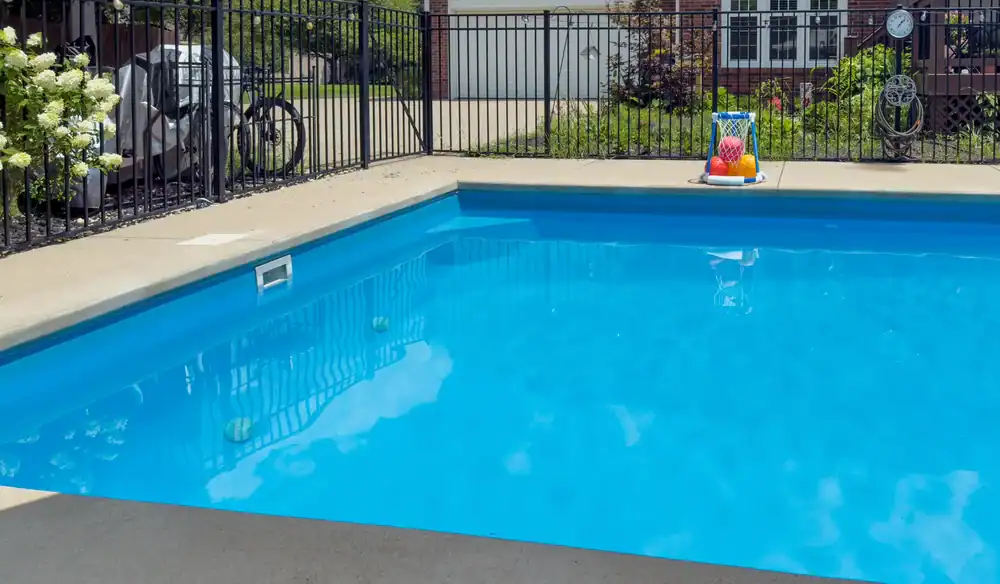
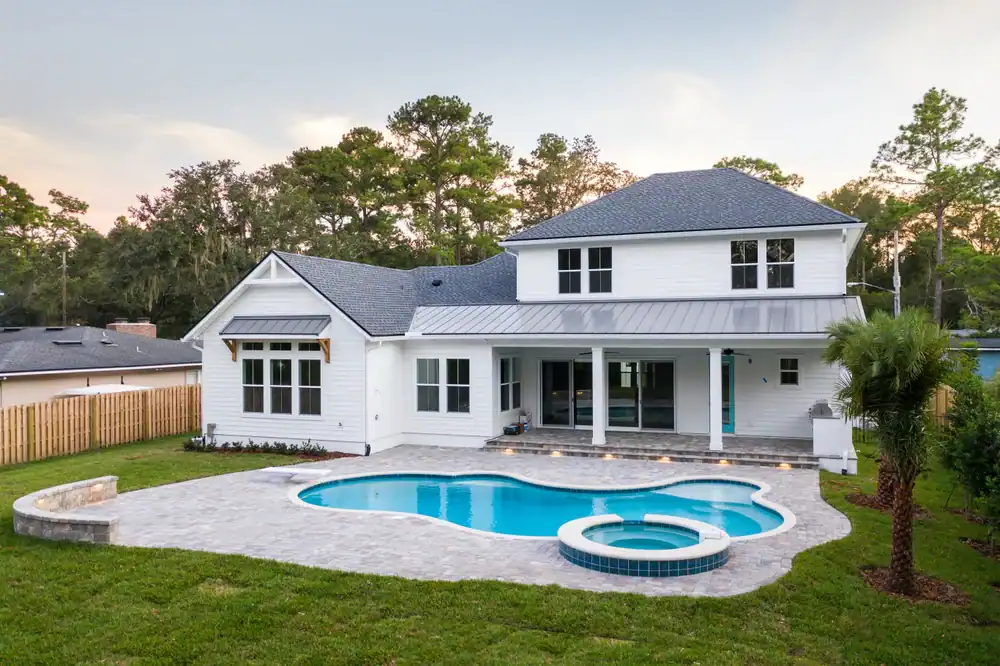
You’re not just getting a hole filled with water. You’re getting a complete backyard poolscape that increases your home value 8-15%, gives you a private space away from crowded beaches, and creates a place where your family actually wants to spend time.
The difference shows up in year three when your neighbor’s pool deck is cracking and yours isn’t. It shows up when you’re swimming in May instead of waiting until July because your heating system was sized correctly. It shows up when winter hits and you’re not dealing with freeze damage that costs $10,000 to fix.
That’s what happens when in-ground pool builders in Nassau County know how to work with Long Island’s sandy soil, high water tables, and strict zoning requirements. Your pool becomes an investment in your property and your lifestyle, not a maintenance headache you regret.
We’ve been handling masonry and outdoor construction projects across Nassau County for years. We’re the crew that understands what it takes to build something permanent in one of Long Island’s most affluent communities.
Great Neck homeowners have been installing in-ground pools since the 1960s. You know quality when you see it, and you’re not interested in shortcuts. That’s exactly how we operate—licensed crews, manufacturer-backed equipment, and complete transparency from excavation to final inspection.
We’re local. We handle permits in Nassau County and Suffolk County. We own our equipment, so your timeline doesn’t depend on rental availability or subcontractors who may or may not show up.
First, we meet at your property to talk about what you want and what’s actually possible given your lot size, setbacks, and soil conditions. You’ll know upfront what permits you need and how long the process takes.
Next, we handle the permit applications with Nassau County or Suffolk County. This isn’t optional, and it’s not something you want to skip. Zoning laws, safety regulations, and setback requirements all come into play before any digging starts.
Once permits clear, excavation begins. Our crews know how to work with Long Island’s soil—whether it’s sand that shifts or clay that doesn’t drain. We install proper drainage systems and grade everything so water moves away from your foundation, not toward it.
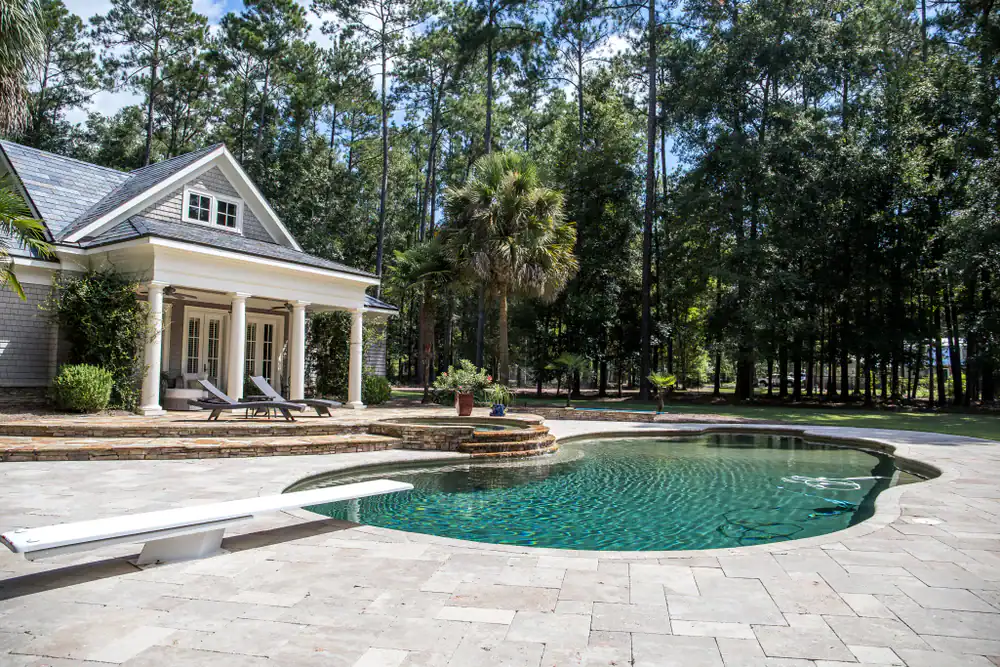
Then comes the pool structure, plumbing, electrical, and equipment installation. If you’re adding custom pool coping and tile, a concrete pool surround, or complete backyard poolscapes with retaining walls and landscaping, that all happens in sequence. You get updates throughout, not radio silence until we’re done.
Ready to get started?
When you’re working with in-ground pool builders in Suffolk County and Nassau County, you want someone who can handle the entire project. That means pool patio masonry, custom coping, tile work, concrete surrounds, retaining walls, grading, and landscaping.
Great Neck properties often require more than basic installation. You might need a pool house, outdoor kitchen integration, or custom hardscaping that matches your home’s architecture. Our masonry experience means we can build all of that without bringing in multiple contractors who don’t communicate with each other.
A properly sized heating system extends your swimming season from May through October. That’s an extra 10-12 weeks every year. Most homeowners don’t realize how much usable time they lose when equipment is undersized or installed incorrectly.
Long Island’s climate creates specific challenges. Spring pollen clouds the water. Winter freeze cycles can crack poorly installed coping and decking. High humidity in summer affects chemical balance. These aren’t problems you solve with generic solutions—you need local expertise and quality materials that hold up year after year.
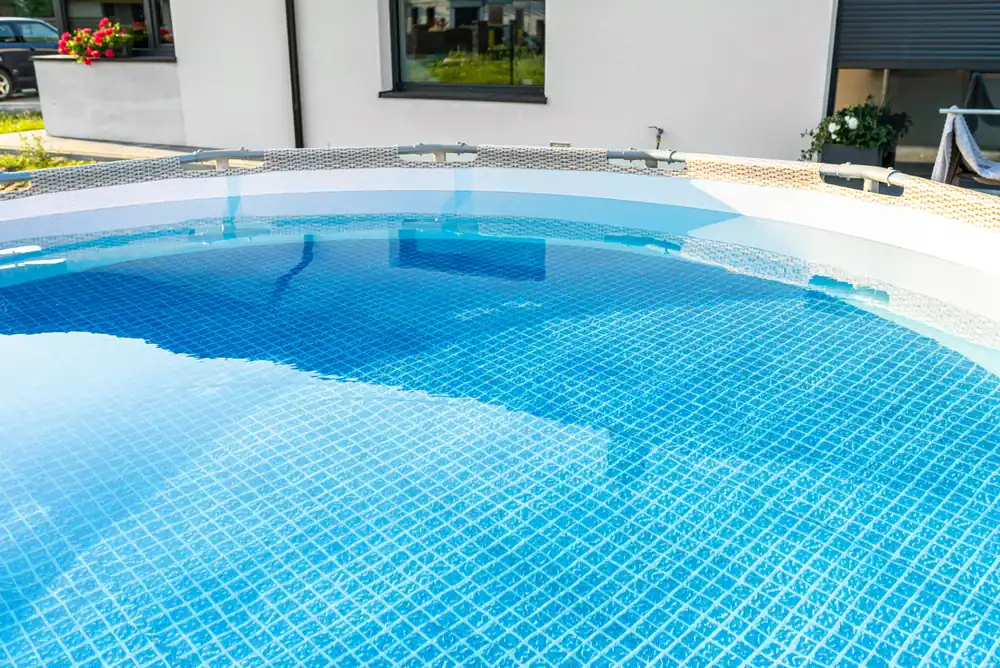
Residential in-ground pools in Nassau County typically range from $30,000 to $70,000, but that number swings based on decisions you make early in the process. Size, shape, materials, and site conditions all affect final cost.
If your property has rocky soil, a high water table, or limited access for equipment, expect additional excavation costs. Custom features like waterfalls, pool houses, or extensive hardscaping add to the budget. Heating systems, lighting, and automation increase upfront investment but also increase how much you’ll actually use the pool.
The real cost isn’t just installation. It’s what you spend over the next 10 years on maintenance and repairs. Cheap installation with poor drainage or undersized equipment costs you more in the long run. You’re better off investing in quality craftsmanship and materials that last than paying for emergency repairs every winter.
You need building permits from Nassau County before any excavation starts. This includes zoning approval, safety compliance, and sometimes homeowner association sign-off if you’re in a community with HOA rules.
Setback requirements dictate how far your pool must be from property lines, your house, and utility easements. These vary by municipality within Nassau County, so what’s allowed in Great Neck might differ from neighboring towns. Fencing and safety barrier requirements are non-negotiable—you’ll need compliant fencing installed before final inspection.
Electrical and plumbing work requires licensed contractors and separate permits. We handle all of this coordination, so you don’t have to manage multiple moving parts. If someone tells you permits are optional or that you can skip inspections, walk away. That’s a liability you don’t want attached to your property.
Plan on 8-12 weeks from permit approval to completion, assuming normal weather and no major site complications. Spring installation is ideal because your pool is ready for summer, but contractors are also busiest during spring and early summer.
Permit approval alone can take 4-6 weeks depending on your municipality’s workload and whether your plans need revisions. Excavation and structural work happen relatively quickly—usually 1-2 weeks. Plumbing, electrical, decking, and finishing work take longer because everything has to pass inspection before moving to the next phase.
Weather delays are common. Heavy rain stops excavation work. Freezing temperatures affect concrete curing. If you’re adding extensive masonry, custom tile work, or landscaping, add another 2-4 weeks. Starting the conversation with us at least a year before you want to swim gives you realistic timelines and better availability.
Long Island’s soil conditions create challenges you don’t see in other regions. Sandy soil shifts and requires specific compaction techniques. Clay soil doesn’t drain well and needs proper grading and drainage systems. Rocky soil increases excavation costs and time.
High water tables are common across Nassau County and Suffolk County. If groundwater sits close to the surface, your pool needs additional structural support and waterproofing. Ignoring this leads to hydrostatic pressure issues that can crack your pool shell or lift it out of the ground.
Winter freeze-thaw cycles are brutal on poorly installed pools. Water that seeps into cracks expands when it freezes, causing significant damage to coping, decking, and plumbing. Your pool needs to be built with materials and techniques that withstand Long Island’s climate, not generic solutions that work in warmer regions.
Yes, if you want to actually use your pool more than 8-10 weeks per year. A properly sized heating system extends your season from May through October instead of just July and August. That’s nearly double the usable time.
Gas heaters heat water quickly and work well for occasional use or quick weekend warm-ups. Heat pumps are more energy-efficient for consistent heating but take longer to raise water temperature. Solar heating is an option if you have adequate sun exposure and don’t mind slower heating times.
Undersized heaters are a common mistake. We calculate heating needs based on your pool’s volume, desired temperature, and how quickly you want it heated. Skimping on heater size means you’ll wait days for comfortable water temperature instead of hours, which defeats the purpose of having a heater at all.
Start with licensing and insurance. Any pool installation company working in Nassau County should carry proper liability insurance and workers’ compensation. Ask to see certificates, not just verbal confirmation. Licensed contractors have the training and accountability that protects you if something goes wrong.
Check their experience with local permits and code requirements. A contractor who regularly works in Nassau County and Suffolk County knows what inspectors look for and how to navigate zoning restrictions. Someone from out of the area will cost you time and money learning on your project.
Ask about their equipment and crew. Companies that own their excavation equipment and employ their own crews have better control over timelines and quality. Subcontracted work introduces coordination problems and accountability gaps. Get references from recent projects in your area, and actually call them. You want to know how the contractor handled problems, not just whether the pool looks nice in photos.
Other Services we provide in Great Neck