
When your boiler runs clean, you feel it in the heat output and in the fuel bill. Soot buildup on heat transfer surfaces even a thin layer forces your system to work harder and burn more oil to produce the same warmth. In New Suffolk, where roughly a third of homes run on heating oil and winters average around 35°F, that inefficiency adds up fast over a long heating season.
For New Suffolk’s older waterfront cottages and historic residential structures, the stakes are higher than in newer construction. Aging flue liners, original chimney systems, and decades of accumulated deposits create conditions where a skipped cleaning isn’t just an efficiency issue it’s a safety one. A blocked or deteriorating flue can allow combustion gases to back up into the living space rather than vent properly outside.
Then there’s the coastal factor. Salt air off Peconic Bay accelerates corrosion in metal chimney components caps, dampers, flue liners in ways that don’t apply to homes ten miles inland. Annual cleaning and inspection catches that corrosion early, before it turns into a repair bill or a failed component in the middle of February.
We’ve earned an “A” rating and award recognition from both the BBB and Angie’s List for six consecutive years. That track record comes from showing up on time, doing the work right, giving honest assessments, and leaving the property exactly as we found it. Those aren’t promises they’re patterns that repeat across hundreds of verified customer reviews.
We’re licensed for Suffolk County and actively serve the Town of Southold, which governs New Suffolk. Our team understands what coastal Long Island does to chimney and boiler systems the salt air, the older housing stock along the North Fork, the oil-heated homes that need more than a burner check to stay safe and efficient. When your oil company flags a flue problem or your system hasn’t been serviced in a few years, we’re the call that follows.
Every technician carries proper liability insurance and workers’ compensation coverage, and all materials we install are UL listed. You’re not guessing at credentials they’re verifiable.

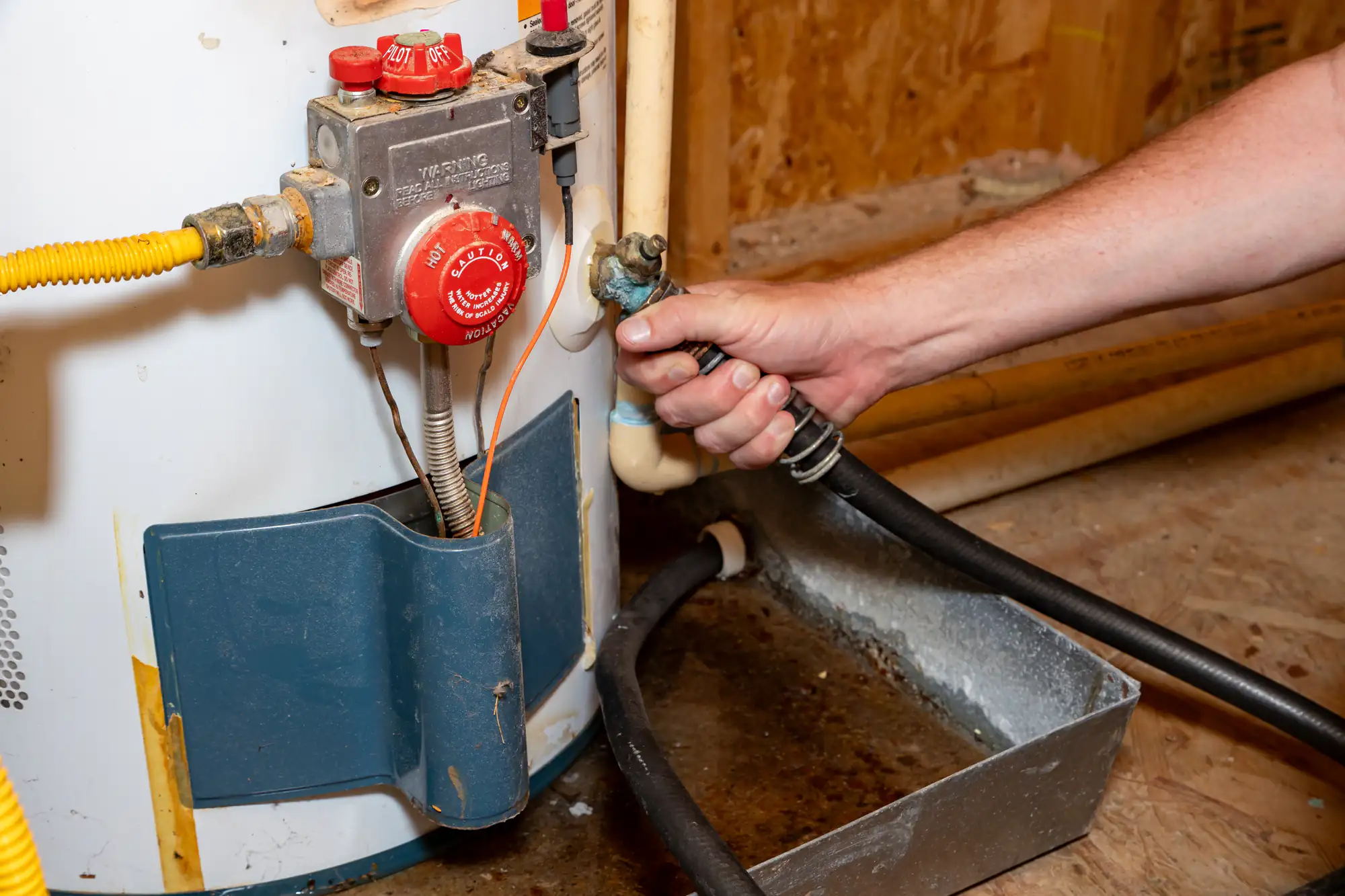
The visit starts with a full visual inspection of the boiler, its piping, and connections looking for corrosion, leaks, and anything that’s worn or out of spec. From there, we clean the heat exchanger, burners, and ignition system, removing the soot and debris that reduce heat transfer and drive up your fuel consumption. This is where most HVAC companies stop. We don’t.
The flue pathway gets the same attention. That means inspecting and cleaning the exhaust path from the boiler all the way through the chimney checking for blockages, cracks in the liner, and proper venting of combustion gases. For New Suffolk homes with older clay-tile flue systems or original chimney construction, this step is especially important. Salt air infiltration and years of combustion deposits create conditions that a burner-only service won’t catch. If there’s a nest or debris obstruction which happens more often in seasonal properties that sit quiet through the warmer months we clear it.
The visit wraps with a combustion analysis, safety control testing, and a check of pressure levels and seals. If anything needs attention beyond the cleaning, you’ll hear about it clearly and honestly before any additional work is discussed. Most residential boiler cleanings take about one to two hours from start to finish.
For seasonal homeowners returning to New Suffolk in the fall, scheduling the service before you need the heat not after the first cold night means any issues get resolved on your timeline, not in a rush.

Ready to get started?
New Suffolk’s housing stock is overwhelmingly older waterfront cottages, historic residential structures, properties that have been heating with oil for decades. The boiler cleaning service we deliver is built around that reality. It covers the full system: burner cleaning, heat exchanger cleaning, flue inspection and cleaning, combustion analysis, safety control testing, and a check of all pressure valves and seals. Nothing gets skipped because the scope here isn’t limited to the mechanical unit it includes the entire exhaust pathway to the chimney top.
Suffolk County’s B5 biodiesel mandate means all residential heating oil customers in New Suffolk are running a 5% biodiesel blend. That fuel burns cleaner than conventional No. 2 oil, but it still produces combustion byproducts that accumulate in the flue system over a heating season. Annual professional cleaning keeps those deposits from building into an efficiency or safety problem.
We also handle nest and obstruction removal when needed relevant for seasonal properties on the North Fork that sit unoccupied through the warmer months. Birds and small animals find their way into chimney openings during the off-season, and a blocked flue on an otherwise clean system is still a blocked flue. The inspection catches it. If a stainless steel chimney liner, chimney cap, or other component needs replacement, all materials we install are UL listed and brought up to current code.

For most homes in New Suffolk, once a year is the right interval and the timing matters. The fall window, before the heating season begins, is the most practical for year-round residents who want the system checked and ready before temperatures drop. For seasonal homeowners who return to their Peconic Bay properties in September or October, a pre-season cleaning scheduled before you arrive is even better. It means any issues get addressed while you have lead time, not the night the heat fails to come on.
New Suffolk’s coastal exposure adds a layer of urgency that doesn’t apply to inland communities. Salt air accelerates corrosion in flue components year-round, so a system that went uncleaned through the previous heating season may have more buildup and more corrosion-related wear than a comparable inland home would. Annual cleaning keeps that from compounding. If your property sat unoccupied for several months, a pre-startup inspection is worth scheduling even if you had a cleaning done before you left conditions inside a dormant flue can change.
Your oil delivery company typically services the burner unit the mechanical component that ignites and burns the fuel. That’s a legitimate and necessary service, and it’s part of keeping the system running. But it doesn’t cover the chimney flue, the flue liner, the exhaust pathway, or the chimney cap. Those components are separate from the burner, and they require chimney expertise, not HVAC expertise, to inspect and clean properly.
This distinction matters a lot for older North Fork homes where the chimney system may be original construction clay-tile flue liners, older mortar, components that have never been professionally inspected. A burner tune-up won’t catch a cracked liner, a blocked flue, or salt-air corrosion in the cap or damper. We clean and inspect the entire system, from the boiler through the full exhaust pathway to the chimney top. If your oil company told you there’s a flue or chimney issue during their last visit, that’s exactly the kind of follow-up work we handle.
Yes and the problems tend to be invisible until they aren’t. Soot accumulation on heat transfer surfaces reduces boiler efficiency measurably. Even a thin layer of buildup forces the system to burn more fuel to produce the same heat output, which means higher oil bills through a long North Fork heating season. That efficiency loss is happening whether you notice it or not.
The safety side is more serious. A flue that isn’t cleaned regularly can develop blockages from soot buildup, creosote deposits, or debris that entered during the off-season. A blocked or partially blocked flue doesn’t vent combustion gases properly and in a tight, older cottage, that’s a carbon monoxide risk. Corrosion that goes unchecked in a salt-air environment can compromise flue liner integrity over time. Skipping one year doesn’t just mean double the buildup the next year it means the corrosion and deposit accumulation that happened in year one continues unchecked through year two, compounding the damage. Annual cleaning is significantly cheaper than the repairs that deferred maintenance eventually requires.
Most boiler manufacturers require documented annual professional maintenance as a condition of keeping the warranty valid. This is standard across the industry not a fine-print technicality. If a component fails and you haven’t had the system professionally serviced on an annual basis, the manufacturer can and often will deny the warranty claim. The documentation from a professional cleaning visit is what establishes that you’ve met that requirement.
For New Suffolk homeowners with older boiler systems, warranty coverage may be less of a factor than it is for newer installations but the maintenance requirement still applies to the system’s longevity and safe operation regardless of warranty status. For anyone who has recently replaced a boiler or is operating a system that’s still under manufacturer coverage, keeping that annual service record current is straightforward protection for an investment that, on Long Island, can run anywhere from several thousand dollars on the low end to significantly more for a full replacement. Annual cleaning is the simplest way to protect that investment.
The process covers the same core steps heat exchanger cleaning, burner cleaning, flue inspection, combustion analysis, safety control testing but oil-fired boilers generally produce more combustion soot per BTU than gas systems. That means the cleaning is often more involved for an oil boiler, and the flue system tends to accumulate deposits at a faster rate. In New Suffolk, where approximately 35% of homes rely on heating oil as their primary fuel, this is the more common scenario we work with on the North Fork.
Suffolk County’s B5 biodiesel blend mandate for heating oil customers does affect combustion characteristics slightly the biodiesel component burns cleaner than straight No. 2 oil, which can reduce some deposit accumulation over time. But it doesn’t eliminate the need for annual cleaning. The flue system still accumulates soot, moisture interacts with those deposits during the off-season, and the overall condition of the chimney and liner needs to be assessed regardless of what fuel blend the boiler is burning. Gas boiler owners in New Suffolk should not assume their system is maintenance-free annual cleaning and inspection applies to both fuel types.
Licensing is the first thing to verify. In New York, chimney and boiler flue cleaning work requires proper county-level licensing Suffolk County has its own requirements, and a company operating in New Suffolk should be able to confirm they hold the appropriate credentials for this jurisdiction. Beyond licensing, ask for proof of liability insurance and workers’ compensation coverage before anyone sets foot in your home. These aren’t formalities they protect you if something goes wrong during the visit, especially in an older home where unexpected conditions are more common.
Certification matters too. The Chimney Safety Institute of America (CSIA) offers the Certified Chimney Sweep credential, which requires passing a rigorous written exam and ongoing continuing education. It’s the industry benchmark for chimney and flue professionals, and it’s verifiable through the CSIA’s own lookup tool. A company without it isn’t necessarily unqualified, but one that holds it has demonstrated a baseline of professional commitment that generic HVAC contractors typically don’t.
Finally, look at the scope of what they actually clean. In a coastal community like New Suffolk, where salt air affects the entire chimney system and older homes often have original flue infrastructure, you want a company that inspects and cleans the full exhaust pathway not just the burner unit. Ask specifically whether the service includes flue cleaning and chimney inspection, not just a burner tune-up.
Other Services we provide in New Suffolk