

Most driveway problems in New Suffolk, NY come down to two things: poor drainage and materials that weren’t chosen for Long Island’s climate. Clay soil holds water. Coastal air accelerates deterioration. Winter salt treatments speed up freeze-thaw damage.
When drainage isn’t handled right from the start, water pools under your driveway. That leads to sinking sections, cracks that spread every winter, and eventually a full replacement that costs three times what proper installation would have. You’re not just fixing surface damage at that point—you’re dealing with foundation issues, erosion, and sometimes basement water problems that insurance won’t cover.
A properly installed driveway in New Suffolk handles spring rains, winter ice, and summer heat without constant maintenance. The right base preparation, grading for water flow, and materials selected for coastal conditions mean you’re not calling for repairs every few years. You’re getting decades of reliable use with basic upkeep like sealcoating every few years.
We’ve served New Suffolk, NY and surrounding Suffolk County areas for over 15 years. We’re licensed, insured, and owner-operated, which means the person who estimates your job is involved from start to finish.
We handle everything in-house—excavation, grading, base prep, and installation. You’re not coordinating between multiple contractors or dealing with finger-pointing when something needs adjustment. One team, one point of contact, one company responsible for the entire project.
New Suffolk properties face specific challenges: homes built in the 1950s with aging infrastructure, coastal moisture, and soil that doesn’t drain naturally. We account for those factors in every installation, from material selection to drainage design.
We start with a free estimate at your property. We look at your current driveway, drainage patterns, soil conditions, and how water moves across your property during heavy rain. That assessment determines what base work is needed, what materials make sense for your situation, and what the realistic timeline looks like.
Once you approve the estimate, we schedule excavation and site prep. This is where most contractors cut corners, but it’s the most important phase. We remove the old driveway, excavate to proper depth, address any drainage issues with grading or catch basins, and install a compacted base that won’t shift or settle. For New Suffolk’s clay soil, this often means additional base depth and drainage solutions that aren’t standard in other areas.
After base prep, we install your chosen material—whether that’s concrete, asphalt, pavers, brick, or cobblestone aprons with Belgian block borders. We finish with proper grading to direct water away from your home and foundation. The job site gets cleaned completely, and you get a driveway that’s ready to handle Long Island weather for decades.
Ready to get started?
A driveway installation in New Suffolk, NY needs to account for more than just a smooth surface. Coastal properties deal with salt air that accelerates material breakdown. Spring rains overwhelm driveways without proper drainage. Winter freeze-thaw cycles turn minor cracks into major structural problems.
We install drainage solutions that prevent water from pooling under your driveway or running toward your foundation. That might mean catch basins, French drains, or specific grading depending on your property’s slope and soil conditions. For Suffolk County’s clay soil that holds water, this isn’t optional—it’s the difference between a driveway that lasts 25-30 years and one that needs major repairs within five.
Material selection matters just as much. Concrete offers durability and handles freeze-thaw cycles well when properly installed with control joints and adequate thickness. Asphalt provides flexibility and easier repairs but needs sealcoating every 2-3 years. Pavers, brick, and cobblestone give you design options and easier individual unit replacement, though installation costs run higher. We walk through the pros, cons, and realistic costs for each option based on your specific property and budget.
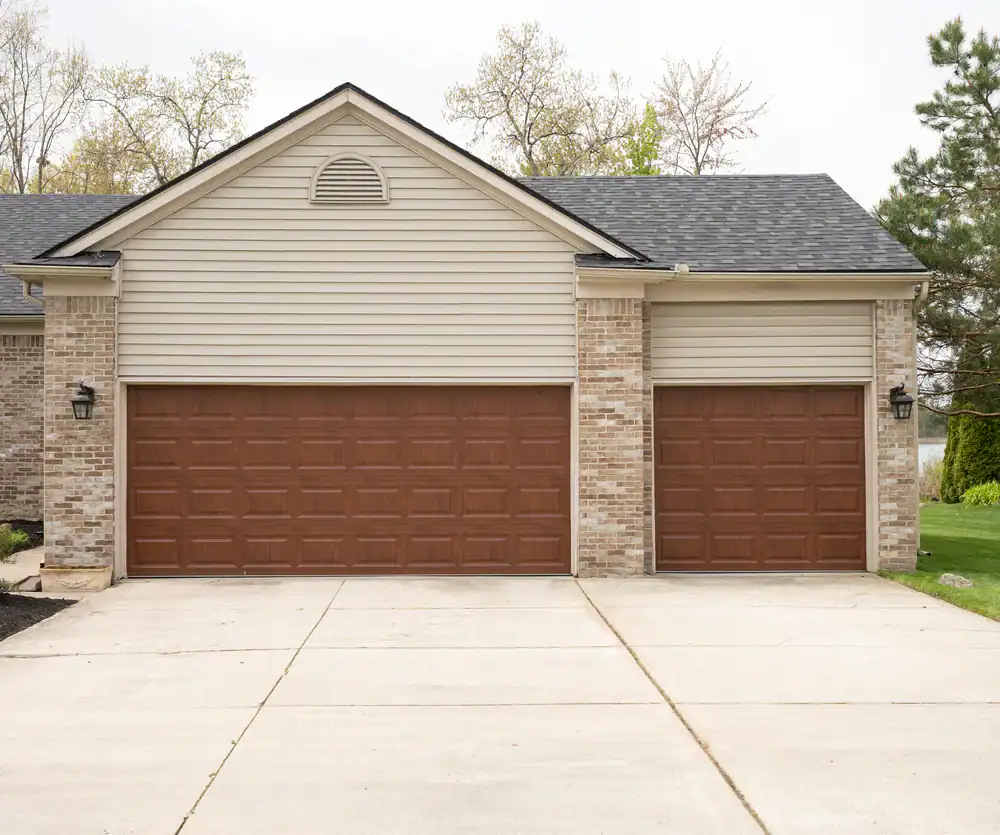
Concrete driveway installation in New Suffolk typically runs $5-$18 per square foot depending on thickness, reinforcement, and site conditions. A standard two-car driveway averages $3,000-$8,000 for basic installation, but that number changes based on excavation needs, drainage work, and current driveway removal.
Properties in New Suffolk often need additional base work because of clay soil and coastal moisture. If your current driveway has drainage problems or the base wasn’t properly compacted, you’re looking at more excavation and base material to prevent the same issues from happening again. That adds to the upfront cost but eliminates the recurring repair expenses that come with shortcuts.
Concrete lasts 25-30 years with minimal maintenance when installed correctly. You’ll need to seal it periodically and address any cracks early, but you’re not dealing with the frequent repairs that come with cheaper installations or materials that weren’t chosen for Long Island’s climate.
Sinking driveways in New Suffolk usually mean the base wasn’t properly compacted or water is washing away material underneath. You’ll see low spots where water pools, cracks radiating from sunken areas, or sections that keep dropping even after patching.
Surface repairs don’t fix the underlying problem. The base needs to be addressed, which typically means removing the affected section, re-excavating, installing proper drainage if water intrusion is the cause, and rebuilding with a correctly compacted base. For concrete, that means replacing panels. For asphalt, it often means a larger section to ensure proper compaction and tie-in with existing pavement.
The cost to fix sinking driveway sections properly ranges from $1,500-$5,000 depending on how much area is affected and what drainage work is needed. Waiting makes it worse—water continues eroding the base, the sunken area spreads, and eventually you’re looking at full driveway replacement instead of sectional repair.
New Suffolk’s coastal location means you’re dealing with salt air, heavy spring rains, freeze-thaw cycles, and clay soil that holds moisture. Each driveway material handles these conditions differently.
Concrete performs well in freeze-thaw cycles and resists salt damage better than asphalt, but it needs proper thickness (at least 4 inches, often 5-6 for Long Island conditions) and control joints to manage expansion and contraction. Asphalt offers flexibility that helps with ground movement and costs less upfront, but it needs sealcoating every 2-3 years and breaks down faster in salt air. Pavers and brick provide excellent drainage between units and you can replace individual pieces, but installation costs run higher and you need proper edge restraint to prevent shifting in freeze-thaw cycles.
The best choice depends on your budget, maintenance willingness, and how long you plan to stay in the property. We walk through realistic costs and maintenance requirements for each option based on your specific property conditions during the estimate.
Late spring through early fall (May through September) offers the best conditions for driveway installation in New Suffolk, NY. You need consistent temperatures between 65-75°F for proper curing and compaction, and you want to avoid ground that’s saturated from spring rains or frozen from winter cold.
Summer installation means the driveway has months to cure and settle before facing winter freeze-thaw stress. Fall installations work but give you less curing time before winter. We don’t recommend winter installation in New Suffolk—frozen ground, temperature fluctuations, and moisture issues create problems with base compaction and material performance.
That said, late fall and early winter can offer pricing advantages when contractor demand drops. If your driveway isn’t urgent and you’re flexible on timing, scheduling for spring installation during the off-season sometimes means better availability and pricing. We provide free estimates year-round and can schedule for optimal installation timing based on your situation.
A properly installed driveway in New Suffolk, NY lasts 25-30 years for concrete, 15-20 years for asphalt with regular sealcoating, and 25-75 years for pavers or brick depending on material quality and maintenance. Those numbers assume correct base preparation, proper drainage, and materials chosen for Long Island’s coastal climate.
The base determines longevity more than the surface material. Inadequate base depth, poor compaction, or missing drainage solutions cut those lifespans in half or worse. You’ll see problems within the first few years—cracking, sinking, edge deterioration, and water damage that requires expensive repairs or early replacement.
Regular maintenance extends life significantly. Asphalt needs sealcoating every 2-3 years to protect against salt, UV, and moisture penetration. Concrete needs crack sealing and periodic resealing. Pavers need edge restraint checks and occasional re-sanding of joints. Those maintenance tasks cost far less than premature replacement from neglect or poor initial installation.
Most driveways in New Suffolk, NY need more than basic grading because of clay soil that doesn’t drain naturally and coastal properties that see heavy spring rains. Without proper drainage design, water sits under your driveway, weakens the base, and causes sinking, cracking, and premature failure.
Drainage solutions depend on your property’s slope, soil conditions, and where water naturally flows. That might mean catch basins at low points, French drains along edges, or specific grading that directs water away from your foundation and driveway base. For properties with minimal slope or clay soil, we often install drainage systems during base prep to prevent water accumulation that standard grading can’t handle.
Poor drainage also contributes to foundation problems and basement flooding—issues that cost far more to fix than proper drainage installation during driveway work. We assess drainage during the estimate and explain what’s needed for your specific property. It’s not about upselling—it’s about preventing the recurring problems we see on driveways that were installed without addressing water management.
Other Services we provide in New Suffolk