

When your boiler’s exhaust pathway is clean and your flue is clear, your system runs the way it was designed to. You’re not fighting efficiency losses from soot buildup, you’re not wondering whether combustion gases are venting properly, and you’re not sitting on a problem that’s been quietly getting worse since last heating season.
That’s what a thorough boiler cleaning actually delivers not just a cleaner unit, but a system you can count on when the temperature drops and the wind picks up off Long Island Sound.
For homes along the North Fork, that matters more than most people realize. Northville’s position on the north shore means salt air off the Sound is working on your chimney components year-round corroding metal, breaking down mortar, and degrading the exhaust pathway faster than it would in a sheltered inland community. An annual boiler flue cleaning doesn’t just remove soot. It gives our trained technicians the chance to catch what the salt air is doing before it turns into a liner replacement or a blocked exhaust situation in the middle of January.
And for the older housing stock that defines this hamlet homes built before modern boiler technology, before sealed combustion systems, before today’s liner standards staying on top of annual maintenance isn’t optional. It’s the difference between a heating system that runs reliably all winter and one that fails on the coldest night of the year, when you need it most.
We’ve earned Angie’s List and BBB awards six consecutive years running. That kind of sustained recognition doesn’t come from one good season it comes from showing up consistently, doing the work right, and being honest with people about what they actually need.
Northville sits at the far end of the Town of Riverhead, on the north shore of Long Island, and it’s not a community where a contractor can afford to cut corners and move on. We serve the broader Riverhead area and hold Suffolk County licensing meaning the credentials required to work in this market are in place, not just implied. We carry both liability insurance and workers’ compensation, so you’re protected from the first call to the last cleanup.
What you’ll notice most is that our technicians are straight with you. If your boiler doesn’t need a service, we’ll tell you that. If it does, we’ll explain exactly why.
When you reach out to us, the first thing that happens is a real conversation not a sales pitch. You’ll talk through what kind of system you have, when it was last serviced, and whether anything has seemed off. For many Northville homeowners, the trigger is a call from their oil delivery company flagging a chimney or exhaust issue. That’s a common starting point, and it’s a good one your oil company services the burner, but the flue and chimney side of your system is a separate job that requires a chimney specialist.
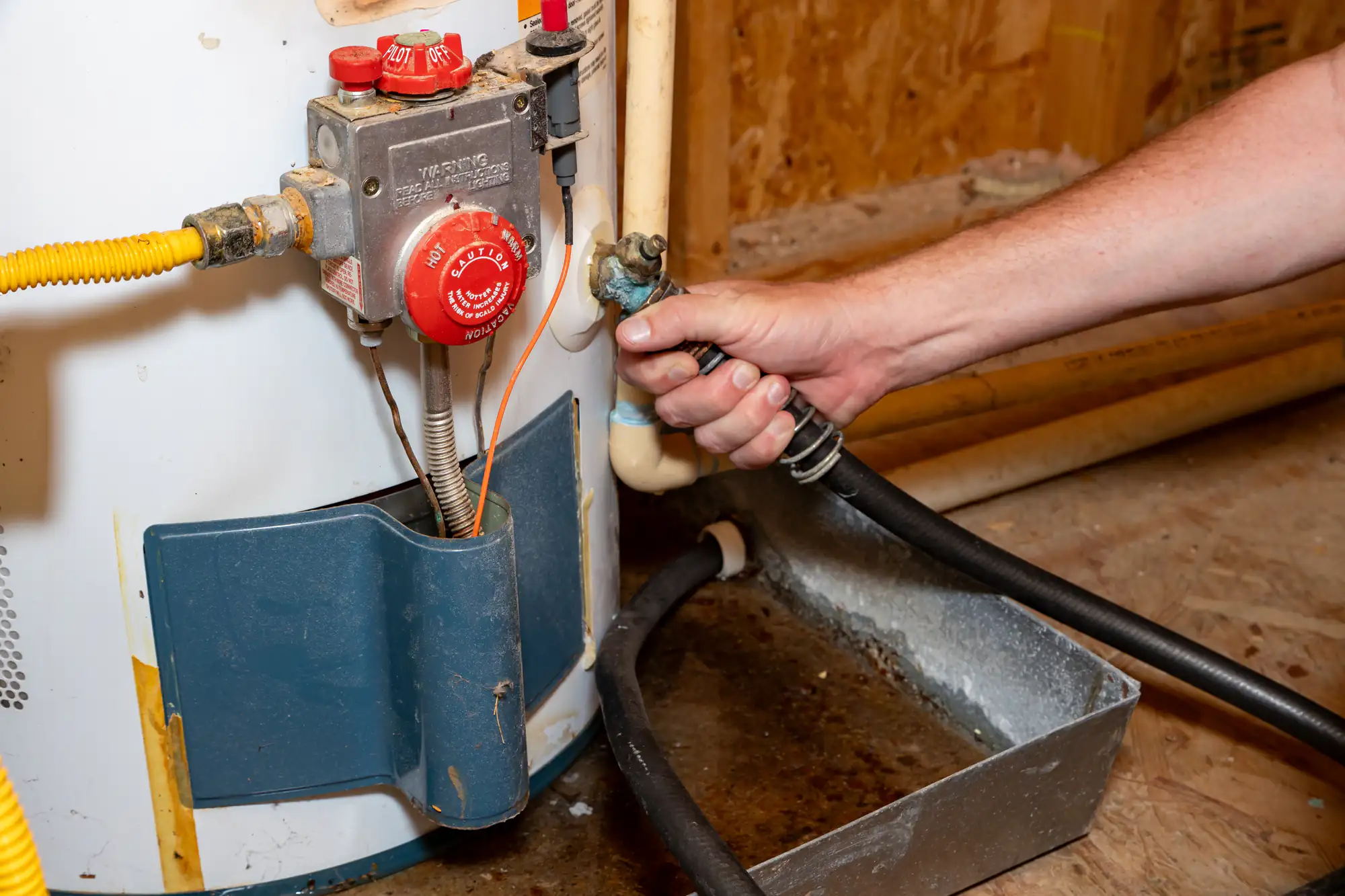
When our technician arrives, they’re not just looking at the boiler itself. They’re inspecting the heat exchanger, cleaning the burners, checking the ignition system, and running through the safety controls. Then they move to the flue because the exhaust pathway is where soot, scale, and combustion byproducts accumulate, and where a blocked or deteriorating liner becomes a real safety issue.
For older homes in Northville, this part of the inspection is especially important. Original masonry flues in pre-war construction often haven’t been camera-inspected in years, and salt air exposure from the Sound accelerates the kind of liner wear that’s invisible from the outside.
The whole process typically takes one to two hours for a standard residential system. Before anything starts, you’ll know what the job involves. After it’s done, you’ll get a clear picture of your system’s condition including any repairs worth considering before the next heating season.

Ready to get started?
Most HVAC contractors who offer boiler service focus on the mechanical unit the burner, the ignition, the pressure settings. That’s part of the job, but it’s not all of it. The chimney flue connected to your boiler is where combustion gases travel out of your home, and it’s the part of the system that accumulates soot, scale, and debris year after year. If that pathway is blocked or deteriorating, the efficiency losses and safety risks don’t stay hidden for long.
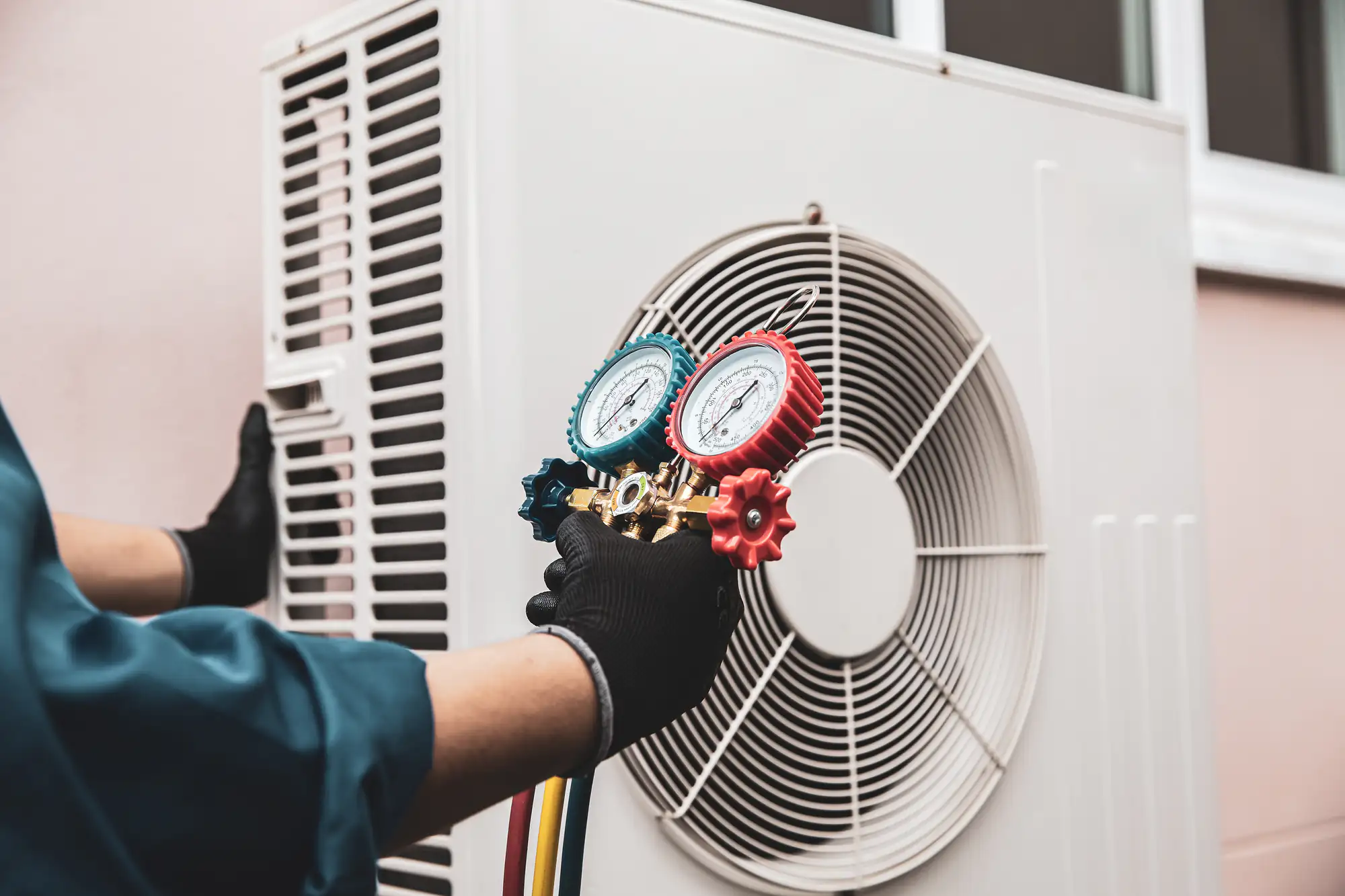
We cover both sides of the system. A full boiler cleaning includes a visual inspection of the boiler, piping, and connections for corrosion, leaks, and damage followed by cleaning of the heat exchanger, burners, and ignition system. We perform combustion analysis to verify the air-to-fuel ratio is dialed in correctly. The flue is inspected for blockages, cracks, and proper venting. Safety controls are tested, including pressure valves, thermostats, seals, and electrical connections. If there’s a nest or obstruction in the chimney something that happens more often than people expect in older North Fork homes we clear that too.
For Northville homeowners specifically, the materials we use in any replacement components are UL listed and up to code. Suffolk County has specific licensing requirements for chimney contractors, and we carry the credentials required to work in this market. If your system is due for a liner replacement or a new chimney cap, the work is done to the standard your older home actually requires not a shortcut that creates a bigger problem down the road.
Once a year is the standard recommendation, and for most Northville homes, that’s not just good practice it’s necessary. Oil-fired boilers accumulate soot and scale with every heating season, and in a community where nearly half of homes run on heating oil, annual boiler cleaning is the baseline for keeping the system running safely and efficiently.
The timing matters too. The industry consensus is that summer is actually the best window to schedule the boiler isn’t in use, so work can be done without disrupting your heat, and any issues that come up can be addressed before the cold season arrives. Fall works as well, but appointment slots fill faster as homeowners scramble to prepare before the first cold snap. Waiting until something goes wrong is always the more expensive option, and in Northville’s older housing stock, problems that go undetected for a season tend to compound quickly.
One more factor worth knowing: most boiler manufacturers require annual professional maintenance to keep the warranty valid. Skipping a year doesn’t just mean deferred maintenance it can mean voided coverage on a system that might otherwise be protected.
This is one of the most common points of confusion for Long Island homeowners, and it’s worth being direct about. When your heating oil delivery company sends a technician to service your burner, they’re focused on the mechanical unit the burner assembly, the nozzle, the ignition, the fuel supply. That’s their scope, and they do it well. But the chimney flue connected to your boiler the exhaust pathway where combustion gases travel out of your home is a separate system that requires a chimney specialist, not an HVAC technician.
Soot, scale, and combustion byproducts accumulate in that flue every heating season. If the flue is partially blocked, cracked, or deteriorating, it affects both efficiency and safety. For older homes in Northville, where original masonry flues may have been in place for decades, this distinction matters a great deal. We handle the chimney side of the system the part that most oil companies and HVAC contractors don’t address and that’s the gap that often goes unnoticed until something goes wrong.
Yes, and the numbers are specific enough to be worth knowing. A layer of soot just one millimeter thick on boiler heat transfer surfaces can raise flue gas temperature by 20 to 25 degrees Celsius and reduce boiler efficiency by 3 to 4 percent. For a home running on heating oil which describes the majority of occupied homes in the Riverhead ZIP code that efficiency loss translates directly into higher fuel consumption every month the system runs.
On Long Island, where heating oil prices are among the higher in the country and the heating season runs from October through April, even a modest efficiency improvement adds up over a full winter. Annual boiler cleaning restores the heat transfer efficiency that soot buildup degrades, which means the system burns less fuel to produce the same amount of heat. It’s a real and measurable improvement and it compounds year over year when maintenance stays consistent.
Skipping a year isn’t a neutral decision it’s a decision to let soot, scale, and any developing issues go unchecked for another full heating season. In a newer home with a modern boiler system, that might be manageable. In a pre-war home in Northville, where the chimney flue may be original masonry and the boiler system has been in place for decades, it’s a different situation.
Soot and creosote buildup is cumulative. A skipped year doesn’t just mean double the buildup it means corrosion and deterioration continue unchecked, and the problems that would have been caught during an annual inspection go undetected. Add in the salt air exposure that comes with living on the north shore of Long Island Sound, and the rate of deterioration on metal components and mortar is faster than most homeowners expect.
The cost of an annual cleaning typically in the range of $200 to $500 for a full service is a fraction of what a single emergency repair or component replacement runs. A pump replacement on a Long Island boiler runs $400 to $900. A zone valve is $350 to $700. A full boiler replacement is $5,500 to $15,000. Annual maintenance is the straightforward way to avoid those numbers.
There are a few specific things worth asking before you book anyone. First, ask whether the company holds county-specific licensing in New York, chimney contractors need to be licensed at the county level, not just the state level. If you’re in Northville, that means Suffolk County licensing. Ask for it directly, not just a verbal assurance.
Second, ask whether they carry both liability insurance and workers’ compensation. These are two separate coverages, and both matter. Liability insurance protects your property if something goes wrong during the job. Workers’ compensation protects you from being held liable if a technician is injured on your property. Ask for a Certificate of Insurance, not just a confirmation that they’re covered.
Third, look for CSIA certification the Chimney Safety Institute of America credential is the industry’s recognized standard for chimney and boiler flue professionals. It requires passing a rigorous exam and ongoing continuing education. You can verify a technician’s certification through the CSIA’s online lookup tool. A company that instructs its customers to ask for these credentials is one that’s confident it can meet the standard.
Yes. We offer 24/7 emergency service, and that’s not a detail that’s easy to overstate for Northville homeowners. This is a hamlet on the north shore of Long Island, exposed to wind off Long Island Sound, with a housing stock that skews older and a median age that reflects an established, long-term resident community. When heat goes out in January and the wind is coming off the Sound, waiting two or three days for an available appointment isn’t realistic.
We have a documented history of same-day emergency response including arriving within hours when temperatures were around 30 degrees Fahrenheit. If your oil delivery company flagged a chimney or exhaust issue during a recent delivery, or if your boiler is running differently than it should, that’s worth addressing before it becomes a no-heat situation in the middle of winter. The emergency line is available around the clock, and the response time reflects the kind of service that’s earned six consecutive years of recognition from both Angie’s List and the BBB.