I highly recommend these guys. (Bob/Christian)They came right on time and were extremely neat and professional. They did a great job at a reasonable price.
Tommy Glenn
I have been using Bobby and Sherwood for years. I highly recommend them. They did chimney repair and chimney sweep. Great work, great guys.
Ingrid V.
Highly recommend Ageless chimney. They were polite, professional and got the job done in one day, left my property as clean as they found it. Very happy!
Brian Nolin
Outstanding work, great service, and extremely reliable!!
Custom Pergolas Northville NY
Stop Wasting Your Outdoor Space
Right now, your backyard is probably unusable half the time. Too hot in summer, nowhere comfortable to sit, no protection when weather changes. You look outside and think “maybe later” instead of “let’s go out there.”
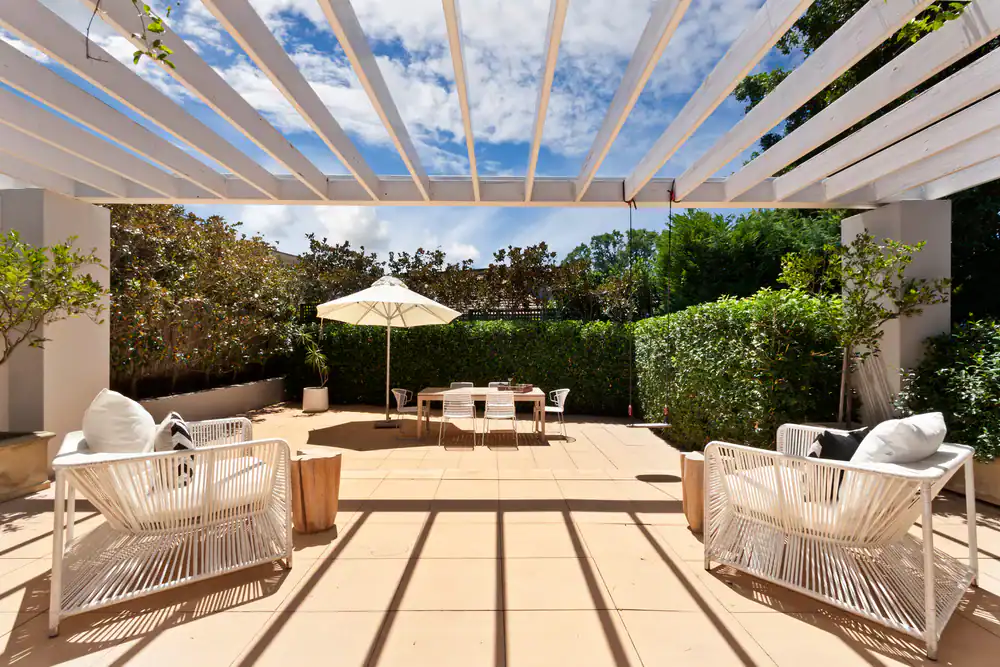
A custom pergola changes that completely. Suddenly you have shade exactly where you want it. A place your family gravitates toward instead of avoiding. Morning coffee tastes better under a pergola. Evening conversations last longer.
Long Island’s unpredictable weather stops controlling your outdoor plans. The right pergola gives you options—instant shade, protection from sudden rain, and a space that works spring through fall.
Pergola Installation Northville NY
We Actually Know Northville Weather
We’ve been building outdoor structures in Northville since 2006. We’re not some national chain—we live here, work here, understand exactly what Long Island weather does to outdoor structures.
Salt air from nearby water. Winter storms that test everything. Humid summers that warp cheap materials. We’ve seen it all, which is why we choose materials and installation methods that actually last.
Every pergola starts with your specific property. Your existing landscape, your home’s architecture, how you actually use outdoor space. Because a pergola that looks pretty in photos but doesn’t fit your life isn’t worth the investment.
Pergola Design Process Northville
No Surprises, No Headaches
We start at your property, measuring everything and discussing your vision. This isn’t a quick estimate—we take time to understand your space, your needs, and any site challenges that could affect the project.
Design comes next. We create a pergola that fits your space, complements your home, and works within your budget. Wood, aluminum, vinyl—we explain the real pros and cons of each material for your specific situation.
Installation is where experience matters. We handle permits, coordinate utility locates for safe digging, and build your pergola to withstand everything Long Island throws at it. Most projects finish within 2-4 weeks of design approval.
In Northville, your pergola faces salt air, snow loads, and intense summer sun. Generic materials fail here. We use materials specifically chosen for Long Island’s challenging climate.
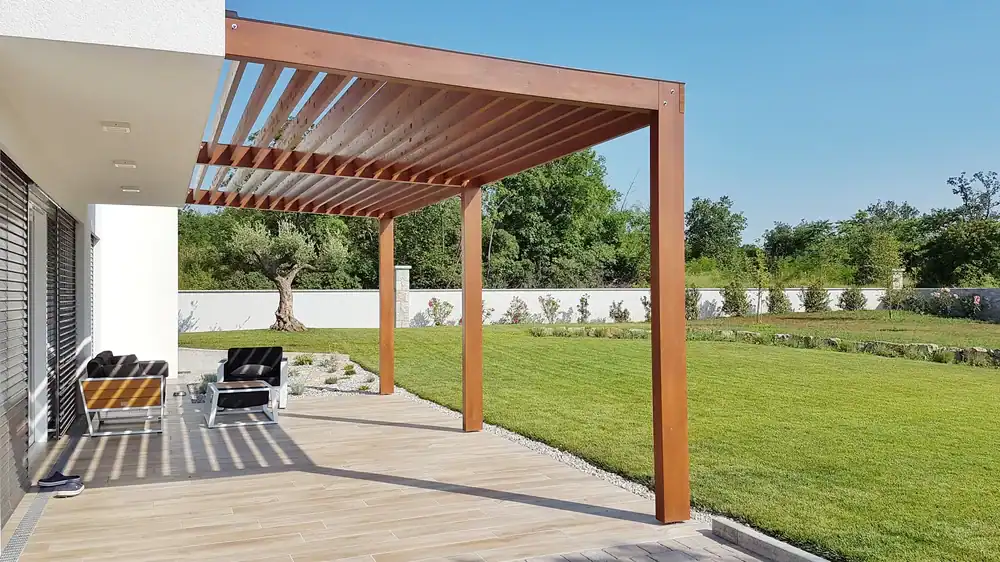
Cedar pergolas offer natural beauty with built-in insect and rot resistance. Perfect for homeowners who want authentic wood character with proven Long Island durability. Aluminum pergolas deliver ultimate low maintenance—no rust, warping, or annual staining required.
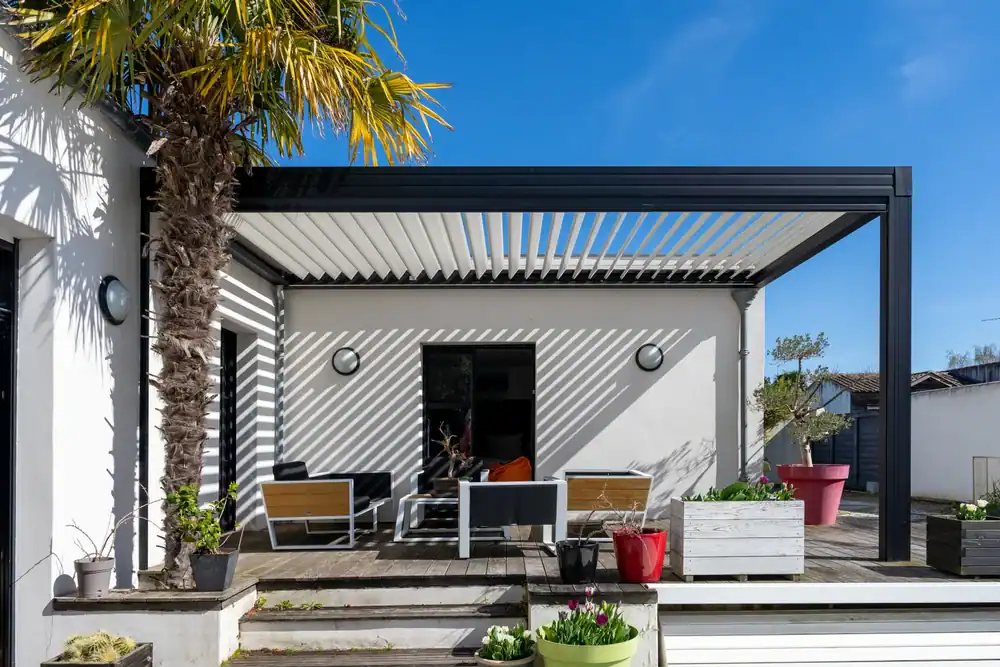
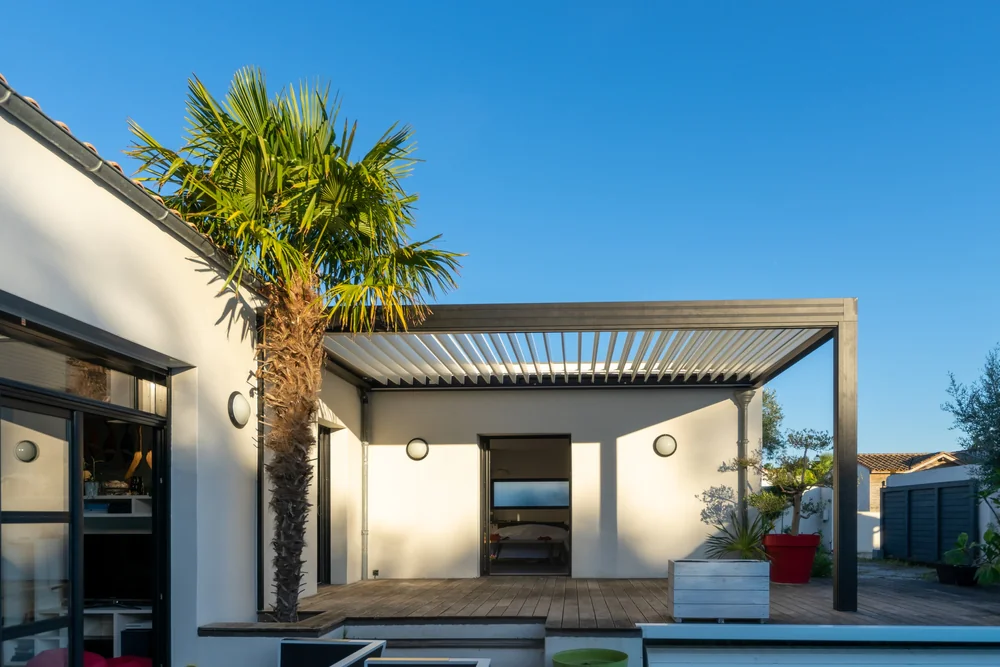
Vinyl pergolas provide painted wood appearance without maintenance headaches. They won’t fade under UV exposure and maintain their look year after year. For maximum flexibility, louvered pergolas let you adjust shade and airflow exactly as conditions change.
Each material has different benefits and price points. We help you choose based on your budget, maintenance preferences, and how you plan to use your outdoor space.
How much does a custom pergola cost in Northville, NY?
Custom pergolas in Northville typically range from $3,000 to $8,000 installed, depending on size, materials, and features. A standard 10×10 cedar pergola usually starts around $4,500, while aluminum options begin around $3,500.
Material choice drives the biggest cost differences. Cedar and redwood cost more upfront but offer natural beauty and proven longevity. Aluminum and vinyl are more budget-friendly initially and require virtually no maintenance over their lifespan.
We provide complete, transparent quotes that include materials, labor, permits, and cleanup. No hidden fees or surprise charges. Most homeowners find the investment pays back through increased property value and years of outdoor enjoyment.
What pergola materials work best for Long Island weather?
Long Island’s climate demands materials that handle salt air, heavy snow, and intense UV exposure. We recommend aluminum for maximum durability and zero maintenance, cedar for natural beauty with weather resistance, or vinyl for painted wood appearance without upkeep.
Aluminum pergolas resist salt air corrosion and won’t warp under snow loads. Cedar naturally fights insects and rot while handling temperature swings well. Vinyl maintains its appearance under UV exposure and never needs repainting.
We don’t recommend pressure-treated pine for Long Island pergolas—it doesn’t handle our climate as well as these proven materials. The small additional investment in quality materials saves you money and problems long-term.
How long does pergola installation take in Northville?
Most pergola installations in Northville complete within 2-4 weeks from final design approval. Simple freestanding pergolas often need just 1-2 days of actual installation work, while complex attached pergolas with electrical features may require 3-5 days.
Timeline depends on material availability, weather conditions, and permit processing. We handle all permit applications, which typically adds 1-2 weeks but ensures your pergola meets local building codes.
We give you realistic timelines upfront and provide updates throughout. Most delays come from weather—we won’t install your pergola in conditions that compromise quality or safety.
Do I need permits for a pergola in Northville, NY?
Most pergolas in Northville require building permits, especially attached pergolas or freestanding structures over 120 square feet. We handle all permit applications and inspections—you don’t navigate the bureaucracy yourself.
Permit requirements depend on pergola size, property location, and whether it’s attached or freestanding. Attached pergolas almost always need permits because they affect your home’s structure. Large freestanding pergolas typically require permits as well.
We know Northville’s specific building codes and inspection requirements. Getting permits protects you from future issues when selling and ensures your pergola meets proper safety standards.
Can you add features like lighting or fans to pergolas?
Yes, we regularly integrate lighting, ceiling fans, and electrical outlets into pergola designs. String lights create perfect evening ambiance, while ceiling fans make hot summer days comfortable.
Planning electrical features during design is crucial, not as an afterthought. We coordinate with licensed electricians to ensure all wiring meets code and handles weather exposure properly.
Popular additions include LED strip lighting along beams, pendant lights for dining areas, and weatherproof outlets for electronics. Smart controls let you adjust lighting and fans from your phone, adding convenience to your outdoor space.
What's the difference between attached and freestanding pergolas?
Attached pergolas connect directly to your home, typically extending from patios or decks. They create seamless indoor-outdoor transitions and often cost less because they use your home’s structure for partial support.
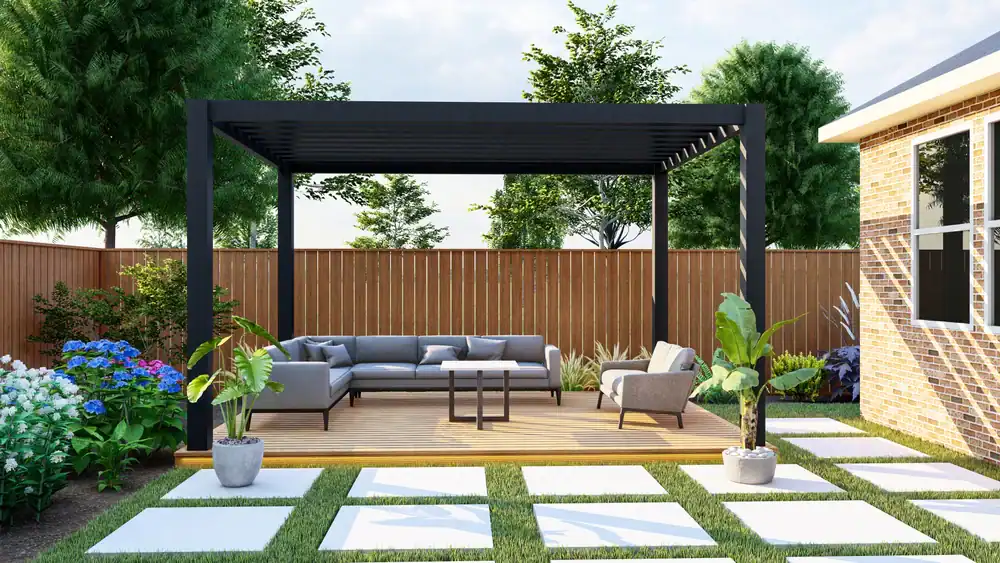
Freestanding pergolas stand independently and offer more placement flexibility. Position them over existing patios, in gardens, or anywhere you want outdoor rooms. They need four posts instead of two, slightly increasing material costs.
Choice depends on your property layout and intended use. Attached pergolas work great for dining areas near kitchens, while freestanding pergolas are perfect for separate entertainment zones or poolside retreats.