Not all chimney inspections are the same. Learn the real differences between Level 1, 2, and 3 inspections and what you should actually pay.
Share:
You call for a chimney inspection expecting one price, then the technician starts talking about “levels” and suddenly everything costs more. Or worse, you’re buying a house and the home inspector says you need a “Level 2” but nobody explains what that means or why it costs three times as much as the basic inspection you thought you needed.
Here’s what actually matters. The National Fire Protection Association defines three distinct inspection levels, and each one serves a specific purpose. Understanding the difference helps you avoid paying for services you don’t need while making sure you’re not skipping something that actually protects your home. Let’s start with the most common one.
The NFPA 211 standard established three chimney inspection levels back in 2000, and they’re not arbitrary. Each level addresses different scenarios based on what’s changed with your chimney, what you’re using it for, and whether there’s reason to suspect problems you can’t see from the outside.
Level 1 is your annual checkup. If nothing’s changed with your fireplace or chimney and you’re using it the same way you did last year, this is what you need. It covers everything you can see without special equipment or tearing anything apart.
Level 2 goes deeper with video camera inspection of your flue interior. You need this when something significant has changed—buying or selling a home, switching from wood to gas, after a chimney fire or major storm, or if you’re having drafting problems. Level 3 is rare and invasive, only necessary when serious hidden damage is suspected and the only way to assess it is by opening walls or removing chimney components.
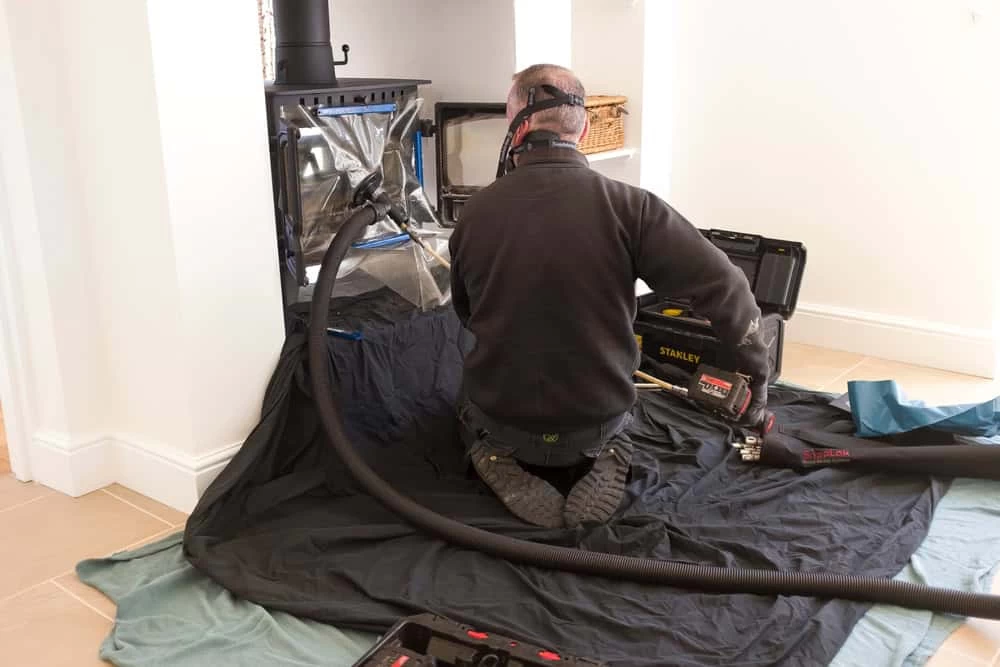
A Level 1 inspection examines all the readily accessible portions of your chimney system. That means the technician looks at what’s visible from your firebox, from the roof, and from inside your home without using cameras or opening anything up. They’re checking that your chimney structure is sound, your flue is clear of obstructions and combustible deposits like creosote, and your appliance connections are secure.
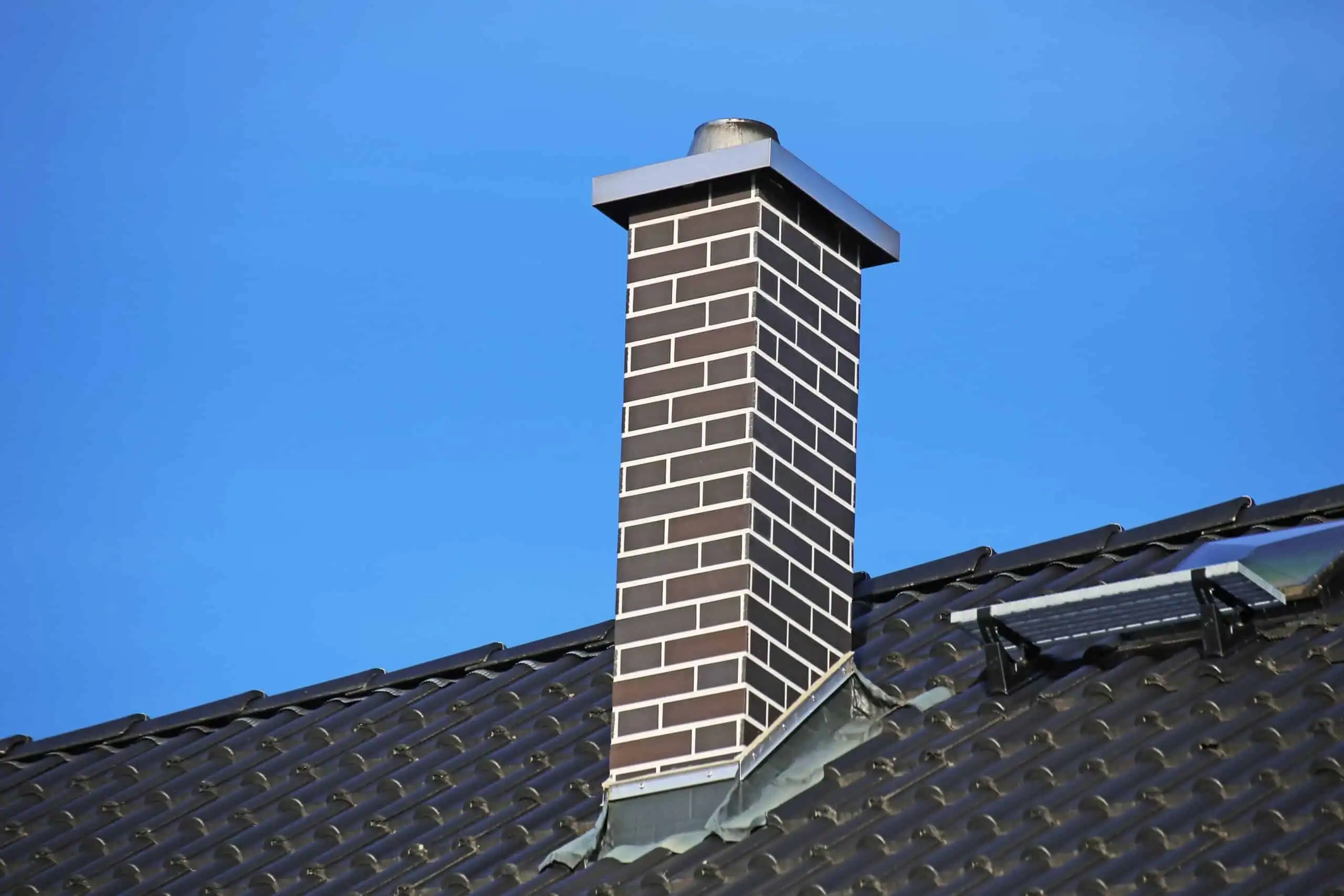
The inspection covers your chimney cap , crown, exterior masonry, flashing, damper, smoke chamber, and the visible portions of your flue. If you burn wood regularly, the technician checks for creosote buildup. For gas fireplaces, they’re looking at venting and making sure exhaust gases are escaping properly. The whole thing typically takes 45 minutes to an hour.
This level is appropriate when you’re scheduling routine annual maintenance and nothing has changed since your last inspection. Your fireplace is working normally, you haven’t made any modifications, and you’re not experiencing any unusual smoke, smells, or drafting issues. Think of it as the routine physical exam version of chimney care.
Most companies in Nassau County, NY charge between $100 and $250 for a Level 1 inspection, and it’s often bundled with chimney cleaning. That’s the baseline. If someone’s quoting significantly less, ask what’s actually included because you might be getting a sales call disguised as an inspection.
Level 2 inspections are required any time your chimney system changes or when there’s reason to suspect damage you can’t see. The NFPA is specific about this. If you’re buying or selling a home, you need Level 2. If you’ve had a chimney fire—even a small one—you need Level 2. After a major storm, earthquake, or lightning strike, Level 2. When you change fuel types or install a new appliance, Level 2.
The reason is simple. These situations create potential for hidden damage that a visual inspection can’t catch. A chimney fire might crack your flue liner without any visible exterior damage. Switching from wood to gas changes the combustion byproducts and venting requirements. A storm could shift mortar joints or crack tiles deep inside your flue where you can’t see from either end.
Level 2 includes everything from Level 1 plus video camera scanning of your entire flue interior. The technician also inspects accessible portions of your attic, crawl space, or basement where the chimney passes through. They’re checking clearances from combustibles, looking for evidence of past problems, and documenting the condition of components you can’t normally see. In Nassau County, NY, most lenders and insurance carriers require Level 2 for real estate transactions specifically because it provides this comprehensive documentation.
The inspection produces a written report with photos or video footage showing your flue condition. This documentation matters. If the technician says you need a new liner, you’re looking at the cracks yourself. If they say your chimney is sound, you have proof. This transparency protects you from both unnecessary repairs and from buying a house with hidden chimney problems that become your expensive emergency three months after closing.
The typical Level 1 chimney inspection in Nassau County, NY runs $100 to $250 in 2026. That price covers the technician’s time, their expertise in identifying problems, and a verbal or written summary of what they found. Some companies include basic chimney cleaning at this price point. Others charge separately for cleaning.
What drives the cost up or down? The size and complexity of your chimney system, how many flues you have, whether your roof is easily accessible, and how tall your chimney is. A single-story ranch with one flue costs less to inspect than a two-story colonial with multiple fireplaces. That’s just physics and ladder work.
The real value isn’t in the inspection itself—it’s in catching problems early. A $200 inspection that finds a $300 repair saves you from the $3,000 liner replacement you’d need if that small problem goes unaddressed for another year. The inspection is cheap insurance against expensive surprises.
A proper chimney inspection report documents what the technician found and what it means for your chimney’s safety and function. For Level 1, this might be a simple checklist noting the condition of each component—cap, crown, flashing, damper, flue, firebox. For Level 2, you should receive photos or video showing the interior of your flue plus a written explanation of any issues.
The report should note any deficiencies clearly. Not “some concerns” or “might need attention eventually.” Either your flue liner has cracks or it doesn’t. Your crown is deteriorating or it’s sound. Your flashing is properly sealed or water is getting in. Good reports separate observations from recommendations and explain why something matters.
Pay attention to how the company presents findings. Are they showing you the actual problem or just telling you it exists? Are they explaining the safety implications or creating manufactured urgency? A cracked flue tile is a legitimate safety concern because it allows heat and combustion gases to contact combustible materials in your walls. That’s not upselling—that’s building code and fire safety. But if every inspection somehow discovers a crisis that requires immediate expensive work, you’re dealing with a sales operation, not a professional chimney service.
In Nassau County, NY, where the coastal environment accelerates deterioration, documentation becomes especially important. Salt air corrodes metal components. Freeze-thaw cycles crack masonry. Maritime moisture deteriorates mortar. These aren’t hypothetical problems—they’re predictable consequences of Long Island’s climate. A good inspection report accounts for these local factors and helps you understand what’s normal wear versus what needs attention now.
Level 2 chimney inspections in Nassau County, NY typically cost $250 to $600 depending on your chimney configuration and how many flues need video inspection. You’re paying for specialized equipment—the video camera system isn’t cheap—plus the additional time required to inspect attics, crawl spaces, and other areas beyond the basic visual check. The written report with photo or video documentation is included in this price.
This level is standard for real estate transactions because buyers and lenders want proof of chimney condition before closing. It’s also appropriate after any event that could have caused hidden damage. The cost is reasonable when you consider what you’re getting: comprehensive documentation of your chimney’s internal condition that would otherwise be completely invisible.
Level 3 inspections are rare and expensive, ranging from $900 to $5,000 or more. This level requires removing chimney components or opening walls to access concealed areas. You only need Level 3 when a Level 1 or Level 2 inspection suggests serious hidden damage that can’t be confirmed any other way. After a significant chimney fire, for example, or when structural issues are suspected but can’t be fully assessed without partial demolition.
Most homeowners will never need a Level 3 inspection. It’s not something companies should be recommending routinely. If your chimney service is pushing Level 3 without clear evidence from Level 1 or Level 2 that hidden damage exists, get a second opinion. The inspection level should match your actual situation, not the company’s revenue goals.
Understanding inspection levels means you can ask the right questions and recognize when someone’s being straight with you versus when they’re manufacturing problems. Level 1 for annual maintenance when nothing’s changed. Level 2 when buying or selling a home, after significant events, or when you’ve modified your system. Level 3 only when serious hidden damage is suspected and there’s no other way to assess it.
Fair pricing reflects the actual work involved. Companies that provide clear explanations, show you what they found, and let you make informed decisions earn long-term trust. Companies that create urgency, won’t explain their pricing, or always seem to find expensive problems on every inspection don’t.
For Nassau County, NY homeowners, choosing a chimney service means finding someone who understands coastal climate challenges and provides transparent service without pressure. We’ve served Long Island since 2006 with owner-present service on every job, clear pricing, and comprehensive photo and video documentation of chimney condition. When you need inspection or chimney repair that you can trust, that kind of straightforward approach matters.
Article details:
Share:
Continue learning: