Discover what chimney technicians actually examine during safety inspections and when you need different inspection levels.
Share:
A chimney safety inspection covers far more components than most homeowners realize. Technicians examine both visible and hidden areas that could pose safety risks to your family.
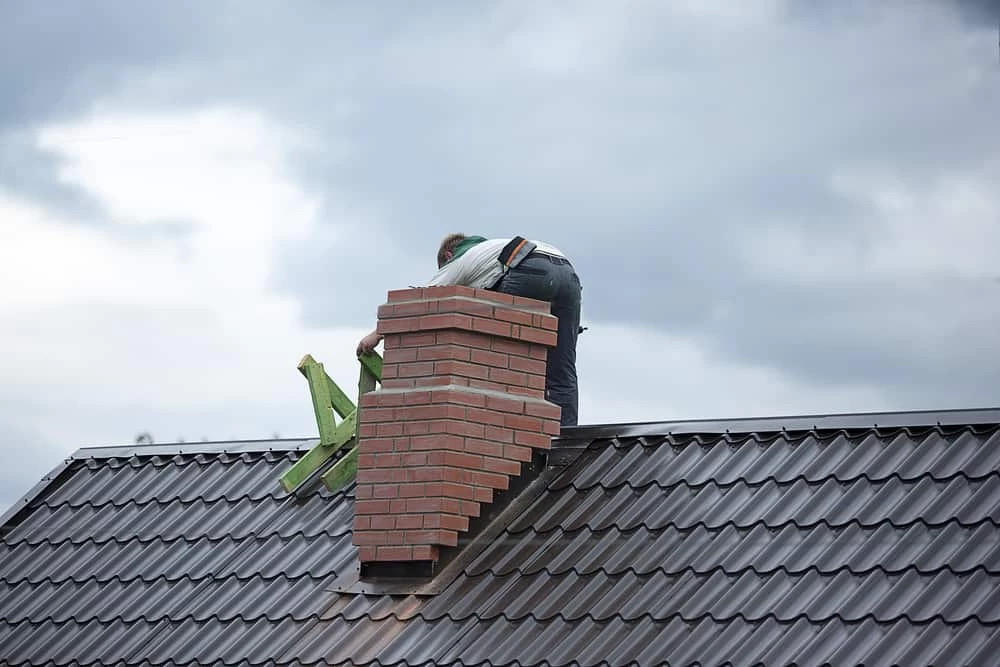
The inspection starts with accessible portions of your chimney system. This includes checking the exterior structure for cracks, loose bricks, or damaged mortar joints that could allow dangerous gases to escape into your home.
Inside your home, technicians inspect the firebox, damper, and smoke chamber for proper operation and structural integrity. They’re looking for signs of previous fires, water damage, or deterioration that could create hazardous conditions when you use your fireplace.
Not all chimney inspections are created equal. The National Fire Protection Association establishes three distinct levels of chimney inspections, with Level 1 and Level 2 being most common for homeowners.
A Level 1 inspection covers readily accessible portions of your chimney interior and exterior. This basic inspection works when you’re using your system the same way you always have, with no changes or problems. Technicians perform visual checks of components they can easily reach without special equipment.
Level 2 inspections go much deeper. They include everything from Level 1 plus examination of attic spaces, crawl areas, and basements where chimney components might be hidden. The key difference is the use of specialized video scanning equipment that allows technicians to see inside your flue liner.
This video scanning reveals problems that visual inspection alone would miss. Cracks in flue tiles, damaged liner sections, or blockages become clearly visible on the camera feed. The technician can document exactly what they find and show you the condition of areas you could never see yourself.
You need a Level 2 inspection in specific situations. If you’re buying or selling a home, NFPA Code 211 requires this more comprehensive inspection. You also need Level 2 when you’ve made changes to your system, experienced a malfunction, or had external events like storms or earthquakes that could have caused damage.
The inspection process takes longer for Level 2, but the detailed information you receive is worth the investment. You’ll know the true condition of your entire chimney system, not just the parts you can see from ground level.
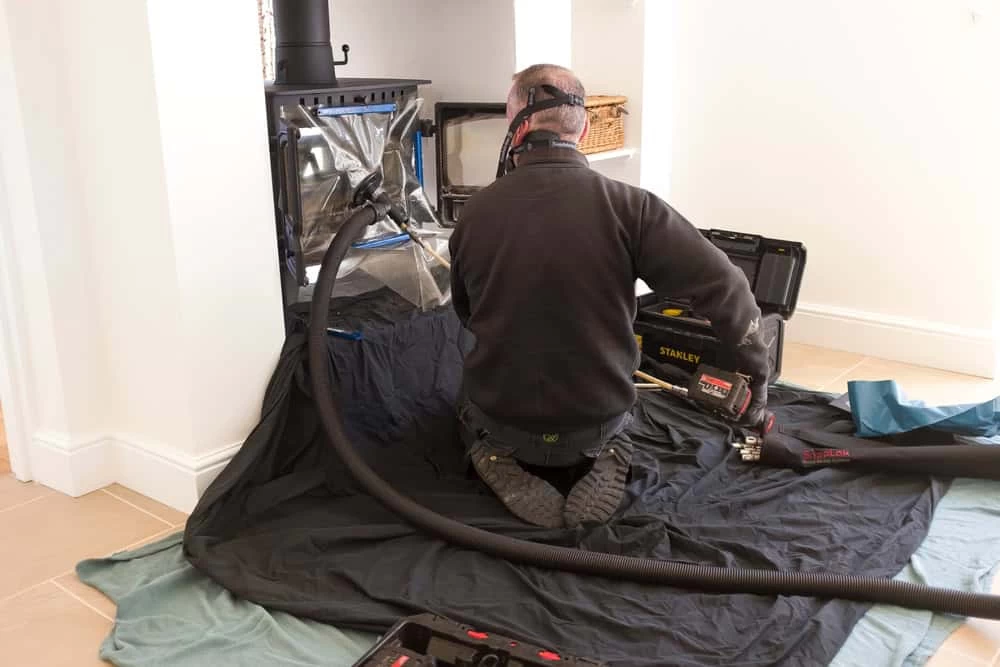
The camera scan is what sets professional chimney inspections apart from basic visual checks. This specialized equipment consists of a high-definition camera attached to a flexible cable that technicians feed through your entire flue system.
The camera reveals the internal condition of your chimney liner, which is critical for safe operation. Clay tiles can crack from temperature changes or settling. Metal liners can corrode or separate at joints. These problems aren’t visible from the top or bottom of your chimney, but they create serious safety hazards.
During the scan, technicians look for several specific issues. Creosote buildup appears as dark, tar-like deposits on flue walls. Even small amounts can ignite and cause chimney fires. The camera shows exactly how much buildup exists and where it’s concentrated.
Structural damage becomes obvious through video scanning. Cracked tiles, separated joints, or holes in the liner allow dangerous gases to escape into your home instead of venting safely outside. Carbon monoxide poisoning is a real risk when flue integrity is compromised.
Blockages from animal nests, debris, or collapsed components show up clearly on camera. These obstructions prevent proper venting and can cause smoke and toxic gases to back up into your living space.
The video documentation provides permanent records of your chimney’s condition. You can see exactly what the technician found and understand why specific repairs might be necessary. This transparency helps you make informed decisions about maintenance and safety improvements.
Many technicians provide copies of the video scan so you have records for insurance purposes or future reference. This documentation proves the condition of your chimney at the time of inspection, which can be valuable for warranty claims or property transactions.
When you’re buying or selling a home in Nassau County, Suffolk County, or Queens County, chimney inspection requirements become more stringent. The National Fire Protection Association Code 211 specifically mandates Level 2 inspections for all property transfers.
This requirement exists because chimney problems aren’t always obvious to buyers or standard home inspectors. Regular home inspections don’t include examination of chimney interiors or flue conditions that could create safety hazards for new owners.
Professional chimney inspections during real estate transactions protect both buyers and sellers. Sellers demonstrate that their chimney system is safe and functional, while buyers gain confidence in their investment and avoid unexpected repair costs after closing.
Standard home inspectors have specific limitations when it comes to chimney evaluation. New York State standards explicitly state that home inspectors are not required to observe chimney interiors that aren’t readily accessible. This means they only check what they can see from the outside.
The problem is that most serious chimney issues develop inside the flue system where they’re invisible during basic visual inspection. Cracked liners, dangerous creosote buildup, and structural damage remain hidden until a professional uses specialized equipment to examine internal conditions.
Home inspectors also lack the specialized training and equipment needed for thorough chimney evaluation. They don’t carry video scanning cameras, rotary brushes, or other tools required to properly assess chimney safety. Their inspection focuses on obvious exterior problems like damaged caps or visible structural issues.
Professional chimney technicians spend years learning to identify subtle signs of problems that could create safety hazards. They understand how different fuel types affect creosote formation, how weather patterns impact chimney deterioration, and what conditions lead to carbon monoxide risks.
The cost difference between standard home inspection and professional chimney inspection is minimal compared to the safety risks and potential repair costs you face with undetected problems. A thorough Level 2 inspection provides peace of mind that your chimney system is truly safe for use.
This is especially important in Long Island’s coastal environment where salt air and severe weather can accelerate chimney deterioration. Professional technicians understand these local conditions and know what problems to look for in your specific area.
When chimney inspection reveals problems, professional technicians provide detailed documentation and repair recommendations. The inspection report includes photographs or video evidence showing exactly what was found and why it creates safety concerns.
Minor issues might include small amounts of creosote buildup that can be resolved with professional chimney cleaning Long Island. Damaged chimney caps or screen repairs are typically straightforward fixes that prevent water intrusion and animal entry.
More serious problems require immediate attention before you can safely use your fireplace. Cracked flue liners allow dangerous gases to escape into your home’s structure. These repairs often involve installing new stainless steel liner systems to restore safe venting.
Structural damage from water intrusion or settling can compromise your entire chimney system. In severe cases, partial or complete chimney rebuilding might be necessary to ensure safe operation. Professional technicians explain your options and help you understand the urgency of different repairs.
The inspection documentation helps you prioritize repairs based on safety risks and budget considerations. Some problems require immediate attention, while others can be monitored and addressed during routine maintenance.
Insurance companies often require professional chimney inspection reports before covering fire damage claims. Having current documentation of your chimney’s condition protects your coverage and demonstrates proper maintenance.
Professional technicians also provide maintenance recommendations to prevent future problems. This might include annual cleaning schedules, seasonal inspection reminders, or specific precautions for your type of chimney system.
Working with qualified professionals ensures repairs meet local building codes and safety standards. Proper installation and materials protect your investment and maintain your home’s safety for years to come.
A proper chimney safety inspection provides the information you need to use your fireplace confidently. Understanding what technicians check and why different inspection levels exist helps you choose the right service for your situation.
Level 2 inspections with video scanning reveal problems that basic visual checks miss entirely. This technology shows you exactly what’s happening inside your flue system and documents any safety concerns that need attention.
When you need professional chimney inspection services in Nassau County, Suffolk County, or Queens County, we provide the thorough evaluation your home deserves. Our experienced technicians use advanced equipment and provide detailed documentation of your chimney’s condition.
Article details:
Share:
Continue learning: