Your winter fireplace safety depends on proper chimney preparation. Don't risk your family's safety with an uninspected chimney this heating season.
Share:
Waiting until fall or winter can lead to more significant and expensive problems. Your chimney faces damage year-round from moisture, animals, and weather – problems that become emergencies when you need heat most.
Between 21,000 and 24,000 home fires occur annually due to fireplace and chimney cleaning Long Island issues. Most of these disasters happen because homeowners skip basic preparation steps or discover problems too late in the season.
The smart approach? Schedule your winter prep during late summer or early fall, when contractors aren’t swamped and you have time to address any issues before that first cold snap hits Nassau County.
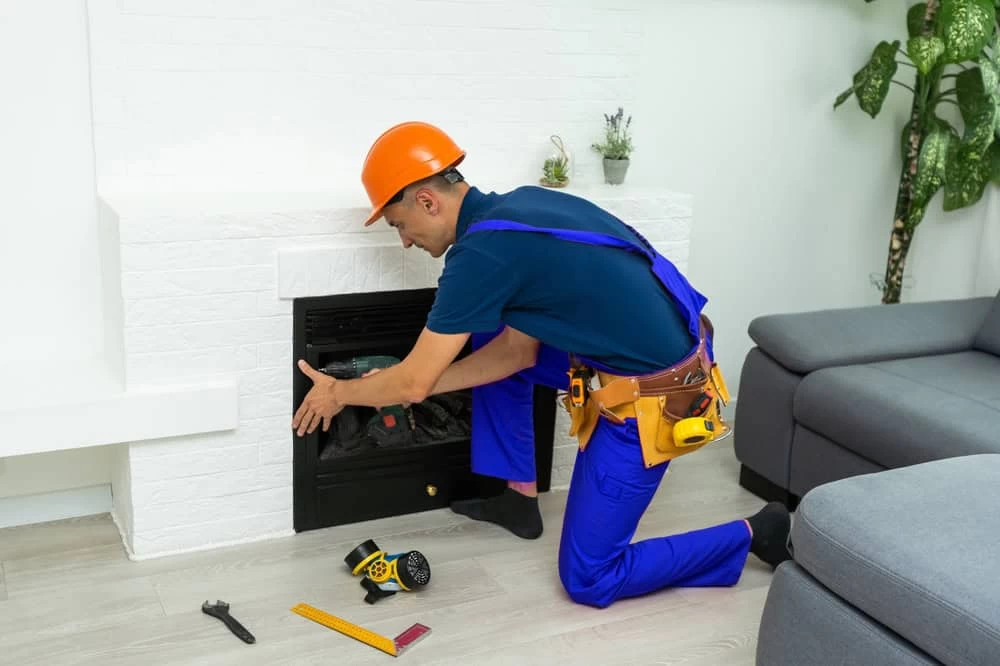
Having an annual inspection before building your first fire of the season is essential. This isn’t optional – the National Fire Protection Association recommends homeowners have their chimneys professionally inspected every year.
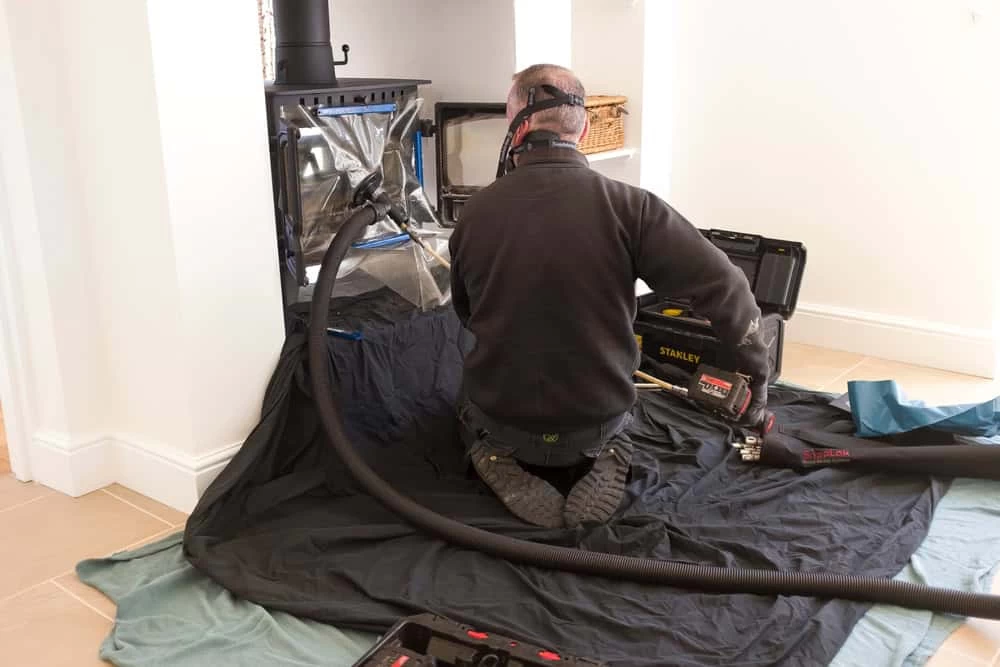
Your inspector will check for accumulated soot and creosote, an oily and highly flammable byproduct of burning wood. We’ll also examine the damper, flue liner, and chimney structure for damage that occurred during the off-season.
But here’s what many Long Island homeowners don’t realize: annual inspection is recommended even if you didn’t use your chimney, as debris or animals can get inside and create repair needs. Birds, squirrels, and raccoons love making nests in unused chimneys during spring and summer.
A good chimney inspection includes evaluation of the venting system for blockages, inspection of chimney interior for residue buildup and cracks, visual inspection of fireplace for cleaning needs, roof and attic inspection for structural issues, observation of debris or animal infiltration, and external chimney condition assessment for weather damage and moisture penetration.
We use specialized cameras to see inside your flue – problems you’d never spot from ground level. We’ll catch issues like small cracks in the liner, damaged flashing, or partial blockages that could cause dangerous smoke backup.
Don’t wait until you smell something wrong or see smoke in your living room. Schedule that inspection now, while you have options and time to make repairs.
Even if your chimney looks clean, creosote buildup inside the chimney creates a serious fire hazard, as this flammable byproduct can ignite and lead to dangerous chimney fires. You can’t see this buildup from your fireplace, but it’s accumulating with every fire you burn.
Chimney experts suggest having your chimney serviced at least once a year, with twice yearly cleaning and maintenance also recommended – once in fall to prepare for winter and again in spring after heavy winter use. For Nassau County and Suffolk County homes that use their fireplaces regularly during harsh Long Island winters, this isn’t overkill.
We use specialized equipment to remove creosote and other debris, ensuring the job is done correctly. We’ll also remove any animal nests, leaves, or other blockages that could prevent proper ventilation.
Professional cleaning does more than prevent fires. A clean chimney allows for proper airflow, ensuring your fireplace operates efficiently and can save you money on energy bills. A dirty chimney can release harmful pollutants into your home, affecting indoor air quality and potentially causing respiratory problems.
Here’s the bottom line: the general recommendation is annual cleaning, particularly before the start of winter season, but if you use your fireplace frequently, you may need more frequent cleanings. We can provide personalized recommendations based on your usage patterns and chimney condition.
Although it may not be a legal requirement, chimney specialists, contractors, inspectors, and insurance companies highly suggest you have a cap installed atop your chimney. There’s good reason for this universal recommendation.
Chimney caps serve two critical functions: safety and damage prevention. Without proper protection, your chimney becomes vulnerable to expensive problems that could have been easily prevented.
Chimney caps prevent water from getting into the chimney and your home, as any form of water can damage your chimney or home and cause more soot to build up within the chimney. During Long Island winters, this protection becomes critical as snow and ice create constant moisture exposure.
Caps largely prevent buildup of dirt, leaves, and other debris from outside, which is extremely dangerous. They also prevent many animals from making your chimney their home, which is not only a nuisance but can be dangerous. Imagine discovering a family of raccoons has moved in just when you want to start your first fire.
Wood-burning fireplaces often release tiny embers forced upward by heat and gases, and chimney caps help prevent these embers from escaping and causing fires or other damage. In densely populated Nassau County and Suffolk County neighborhoods, this spark protection could prevent your fireplace from becoming your neighbor’s emergency.
Caps allow for proper ventilation without permitting large gusts of wind to enter the chimney and cause hazardous disruption to your fire. They also reduce airflow exchange, keeping your home at better temperature than an open chimney, which means lower heating bills during those brutal Long Island winters.
Quality caps are typically made from stainless steel or copper because they can withstand the heat from the chimney as well as endure harsh beatings from Mother Nature. Professional installation ensures proper fit and maximum protection for your specific chimney design.
Without a chimney cap Long Island, you’re essentially leaving your chimney – and your home – completely exposed to the elements. Chimney caps offer benefits such as preventing water from entering the chimney flue, acting as a barrier to keep small animal pests out, and preventing sparks from escaping which could start a roof fire.
Water damage is particularly devastating. When water gets into the chimney flue, it dampens the system and reduces durability and functionality, with one of the most common reasons chimneys don’t work optimally being when the flue is dampened. During freeze-thaw cycles common in Nassau County and Suffolk County winters, this moisture can crack your flue liner or damage the chimney structure itself.
Animal problems aren’t just about noise and mess. Nesting materials are highly flammable, and animal nests and other buildup can clog the chimney and become a serious safety concern. Birds and small mammals can also die in your chimney, creating health hazards and terrible odors that drift into your home.
The financial impact adds up quickly. Emergency cap installation during winter costs more than planned installation during moderate weather. Water damage repair, animal removal, and cleaning services after problems develop often cost several times more than preventive cap installation.
Today’s homeowners can choose from stainless steel chimney caps, multi-flue chimney caps, copper chimney caps and pots, and removable caps that are easier to install and clean. Professional installation ensures you get the right cap for your specific chimney type and local weather conditions.
Smart Long Island homeowners handle chimney preparation before they need their fireplace, not after problems develop. Resolving minor problems during the off-season helps you avoid emergencies later and makes fall and winter much less stressful.
Start with professional inspection and cleaning – these services often get booked solid once cold weather hits Nassau County, Suffolk County, and Queens County. Address any needed repairs while weather permits and contractors have availability.
If you need chimney cap installation or other protective measures, handle these now while you have time to research options and compare quality providers. Great service begins and ends with experienced professionals who aim to not only meet your needs but exceed your expectations. Contact Ageless Chimney to ensure your family enjoys safe, worry-free fires all winter long.
Article details:
Share:
Continue learning: