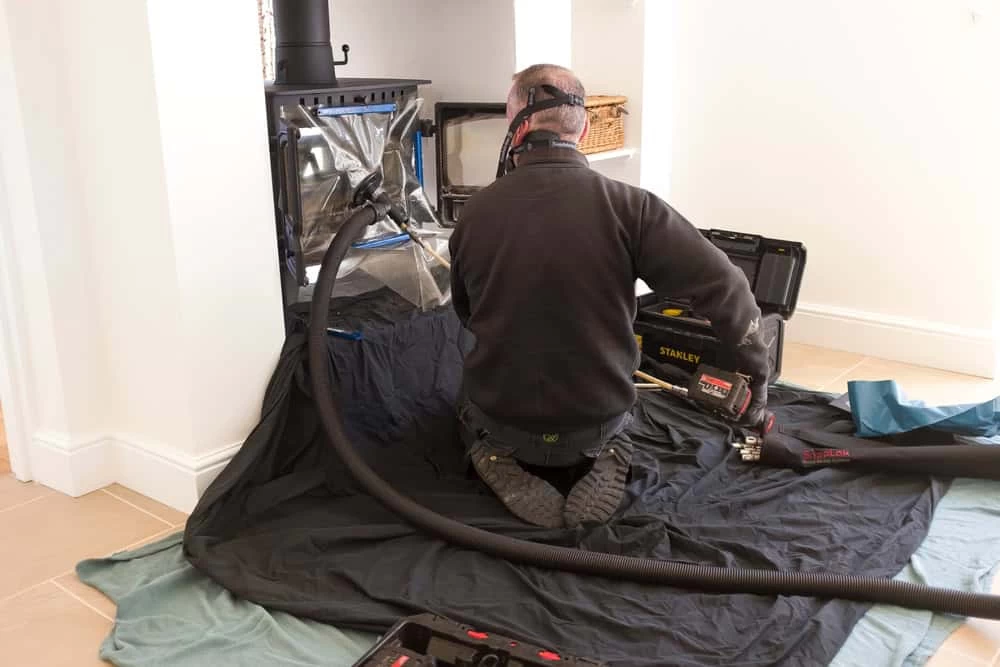
Nassau County homeowners face different maintenance needs for gas versus wood fireplaces, especially with new 2025 EPA standards.
Share:
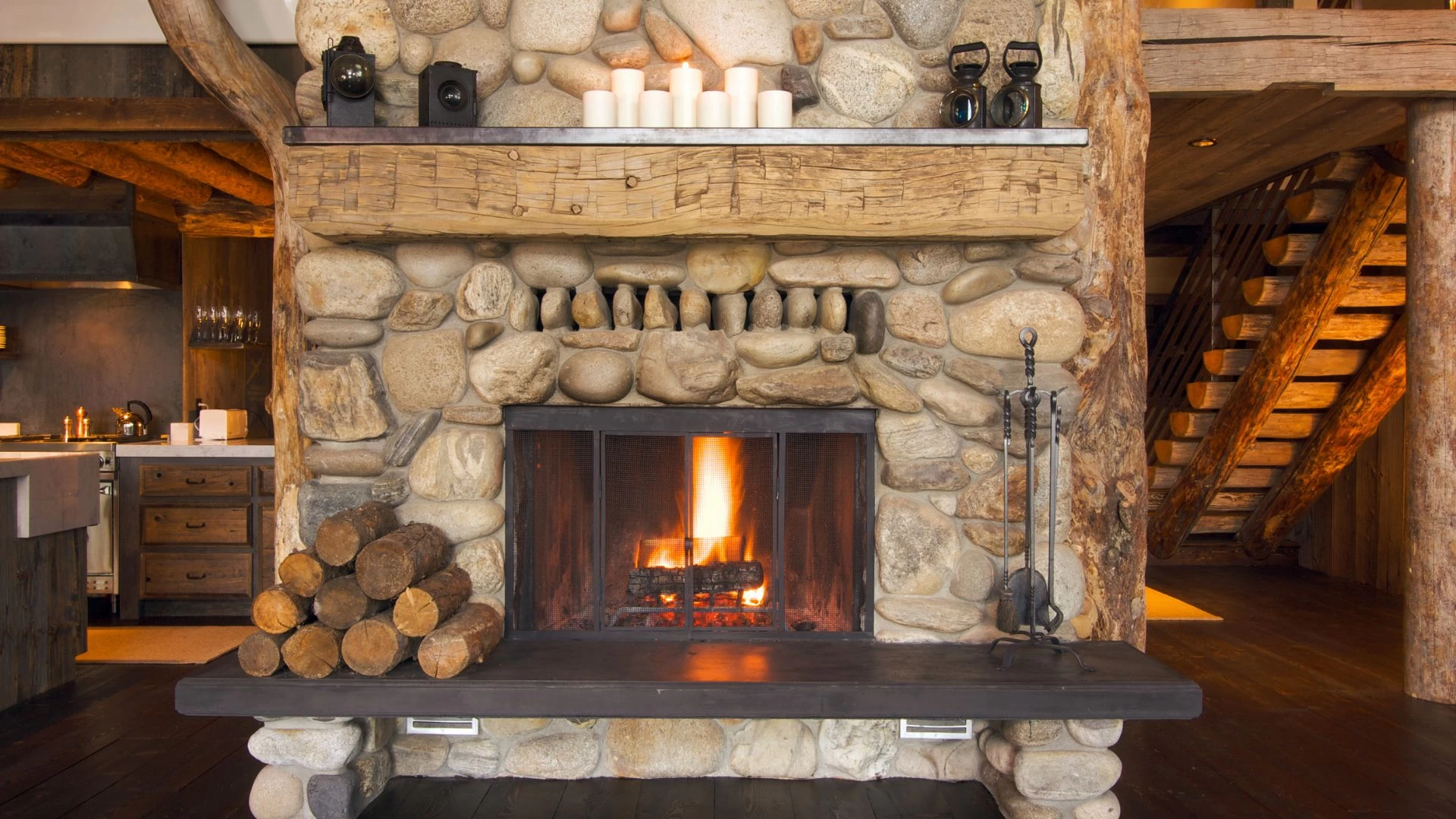
Gas fireplaces earned their reputation as the “convenient” option, but they still need regular professional attention. Your gas system burns cleaner than wood, producing minimal soot and no creosote buildup, which means less frequent cleaning. However, gas fireplaces require annual professional inspections to ensure safe operation.
The convenience of pushing a button comes with hidden complexities. Gas lines, thermocouples, and venting systems need expert evaluation to prevent dangerous situations like carbon monoxide exposure or gas leaks. Even though you won’t deal with ash removal or frequent chimney cleanings, neglecting annual maintenance can lead to serious safety hazards.
Professional inspections catch issues before they become expensive problems. We check gas connections, test ignition systems, clean burner ports, and verify proper venting. This preventive approach keeps your Nassau County home safe while extending your fireplace’s lifespan.
Your gas fireplace needs professional attention every year, typically before heating season begins. This isn’t just a recommendation—it’s essential for family safety. Professional service includes comprehensive inspection of all gas connections, testing of safety controls, and verification that venting systems work properly.
During maintenance visits, we clean ceramic logs and check their proper placement. Incorrectly positioned logs can cause sooting, which damages your fireplace and surrounding areas. We also inspect glass doors, which can reach 400 degrees Fahrenheit and take 45 minutes to cool down after use.
Between professional visits, you can handle basic upkeep yourself. Dust the unit occasionally and clean glass doors with appropriate cleaners—never use ammonia-based products that can damage the glass. Check that your carbon monoxide detectors work properly, especially near your fireplace area.
Venting system evaluation remains crucial even for gas systems. While gas burns cleaner than wood, your chimney can still develop obstructions from debris, animal nests, or deteriorating materials. If your gas fireplace can’t vent properly, carbon monoxide can back up into your home—a colorless, odorless gas that can be fatal.
The glass doors on your gas fireplace also require attention. Professional inspection ensures these safety features work correctly and that any cracks or damage get addressed before they become dangerous. Modern gas fireplaces operate at such high efficiency levels that they extract heat that used to go up the chimney, which can create condensation issues if not properly maintained.
Gas fireplace issues often start small but can quickly become serious safety concerns. Pilot light problems top the list—if your pilot won’t stay lit, you might have thermocouple issues, gas supply problems, or drafting concerns that require professional diagnosis.
Unusual soot buildup on glass doors signals incomplete combustion, often caused by improper log placement or burner problems. This isn’t normal for gas systems and needs immediate professional attention. Soot on doors usually means buildup throughout your system, including venting components.
Strange odors beyond the normal gas smell during startup indicate potential problems. While a brief gas smell when lighting is normal, persistent odors or smells resembling rotten eggs require immediate professional evaluation and potentially emergency service.
Inconsistent flame patterns or yellow flames instead of blue ones suggest air-to-gas mixture problems. These issues affect efficiency and can create carbon monoxide, making professional service essential. Your gas fireplace should produce steady blue flames with occasional yellow tips—anything else needs expert attention.
Temperature control problems often stem from thermostat issues or blocked venting. If your fireplace won’t respond to temperature settings or seems to run constantly, professional diagnosis can identify whether you need simple adjustments or component replacement.
Wood-burning systems require more hands-on maintenance than gas fireplaces, especially with new 2025 EPA emission standards now in effect. These regulations set particulate matter limits at 2.0 grams per hour for crib wood testing or 2.5 grams per hour for cord wood testing—significantly stricter than previous standards.
Wood systems produce creosote, a highly flammable byproduct that builds up in your chimney with each use. This buildup creates serious fire hazards if not removed through regular professional cleaning. Most wood fireplace owners need annual chimney sweeping, though heavy users might need service twice yearly.
The new EPA standards don’t affect existing wood-burning appliances currently in your Nassau County home, but they do impact any new installations or replacements you might consider. Understanding these requirements helps you make informed decisions about upgrades or repairs.
Wood stoves demand regular attention to operate safely and efficiently. After each use, you’ll need to remove ashes once they’ve cooled completely—typically 12 hours after your last fire. Store ashes in metal containers with tight lids, kept away from combustible materials and structures.
Inspect your stove’s firebox regularly for cracks in firebrick or damage to the stove body. Small cracks in firebrick are normal wear, but large gaps or damaged sections need replacement to maintain proper combustion and prevent heat transfer to surrounding materials.
Check your stove’s gaskets and door seals monthly during heating season. These components ensure proper air control and prevent smoke from entering your room. The dollar bill test works well—close the door on a dollar bill, and if you can pull it out easily, your gaskets need replacement.
Monitor your chimney cap and spark arrestor for damage or blockages. These components prevent water entry and contain sparks, but they can become clogged with creosote or debris. Professional cleaning typically addresses these issues, but visual inspection helps you identify problems early.
Your wood stove’s air controls require regular cleaning to function properly. Ash and debris can interfere with damper operation, affecting your ability to control burn rate and potentially creating dangerous conditions. Clean controls monthly during active use periods.
Creosote buildup represents the most serious safety concern for wood-burning systems. This tar-like substance forms when wood smoke cools in your chimney, creating layers that become increasingly flammable with each fire. Stage 3 creosote looks like thick, hardened tar and can ignite at relatively low temperatures.
Professional chimney sweeping removes creosote buildup, but your burning practices significantly impact accumulation rates. Burning only seasoned hardwood with moisture content below 20% produces less creosote than green or softwood. Maintaining hot, efficient fires also reduces creosote formation compared to smoldering, low-temperature burns.
Your chimney inspection should occur annually, even if you don’t use your wood system frequently. Creosote can absorb moisture and become corrosive, damaging your chimney relining Long Island and potentially creating structural problems. Professional inspection identifies these issues before they require expensive repairs.
Water damage often accompanies creosote problems, especially in Nassau County’s humid climate. Damaged chimney crowns, caps, or flashing allow water entry, which combines with creosote to create acidic conditions that accelerate deterioration. Professional service addresses both moisture and creosote concerns together.
The new 2025 EPA standards emphasize proper combustion, which directly relates to creosote production. Newer EPA-certified stoves burn more completely, producing less creosote than older models. If you’re considering replacement, these newer units offer safety and efficiency benefits beyond regulatory compliance.
Understanding your wood species also impacts creosote production. Oak, maple, and ash burn cleanly when properly seasoned, while pine and other softwoods create more creosote. Your wood storage and seasoning practices directly affect your chimney’s safety and maintenance requirements.
Gas and wood fireplaces each offer distinct advantages, but their maintenance requirements differ significantly. Gas systems provide convenience with annual professional inspections, while wood systems need more frequent attention but offer the authentic fireplace experience many homeowners prefer.
Your choice depends on your priorities: convenience, maintenance commitment, and heating needs. Both systems require professional expertise to maintain safely, especially with evolving EPA standards and local building codes in Nassau County, Suffolk County, and Queens County.
Whether you choose gas convenience or wood authenticity, proper maintenance protects your investment and keeps your family safe. When you need expert fireplace care, we at Ageless Chimney provide the professional service and local expertise your Long Island home deserves.
Article details:
Share:
Continue learning: