Discover the warning signs of chimney leaks before they become costly disasters in your Long Island home.
Share:
Your chimney leak detection starts with knowing what you’re looking for. The signs aren’t always obvious, and they don’t always appear where you’d expect them.
Water damage from chimney leaks Long Island often shows up far from the actual source. That stain on your living room ceiling could be coming from a crown crack three stories up. Understanding this helps you connect the dots before the damage spreads.
Brown or yellowish-brown stains on your ceiling are the most obvious red flag. These stains typically appear as oval or round patches that grow larger after each rainstorm. Don’t mistake these for roof leaks—if they’re anywhere near your chimney, the chimney is the likely culprit.
The stains often start small and seem harmless. Many Long Island homeowners ignore them for months, thinking they’ll dry out and disappear. Instead, they grow larger and darker, indicating ongoing water penetration that’s getting worse with each storm.
Pay special attention to stains that appear during or right after heavy rains. If you notice the stain getting darker or larger during wet weather, you’re watching active water damage in real time. The longer you wait, the more extensive the repairs become.
Look beyond just the ceiling directly above your fireplace. Water can travel through walls, floors, and structural elements before it becomes visible. Check adjacent rooms, upper floors, and even your basement for signs of moisture that could be traced back to your chimney.
A damp, musty smell around your fireplace is often the first sign of trouble—sometimes appearing before visible stains. This odor indicates moisture has been present long enough for mold and mildew to start growing. In Long Island’s humid climate, this can happen surprisingly quickly.
The smell is usually strongest during humid weather or right after rain. You might notice it when you walk past the fireplace or when you first enter the room. Some homeowners describe it as an “earthy” or “basement-like” odor that seems to come and go.
Don’t ignore this warning sign because you can’t see water damage yet. Mold growth behind walls or in hidden spaces poses serious health risks and becomes much more expensive to remediate once it spreads. The musty odor is your early warning system telling you moisture is accumulating somewhere in your chimney system.
If you’re smelling these odors consistently, especially during or after storms, you need a professional inspection. The source could be anything from a damaged chimney cap to failed flashing, but identifying it quickly prevents the problem from escalating into major structural damage.
Effective chimney leak detection requires knowing where problems typically start. Most leaks originate from three main areas: the chimney crown, flashing, and the chimney structure itself.
Each area has specific signs to watch for. Understanding these trouble spots helps you conduct a systematic inspection and communicate effectively with repair professionals when you need help.
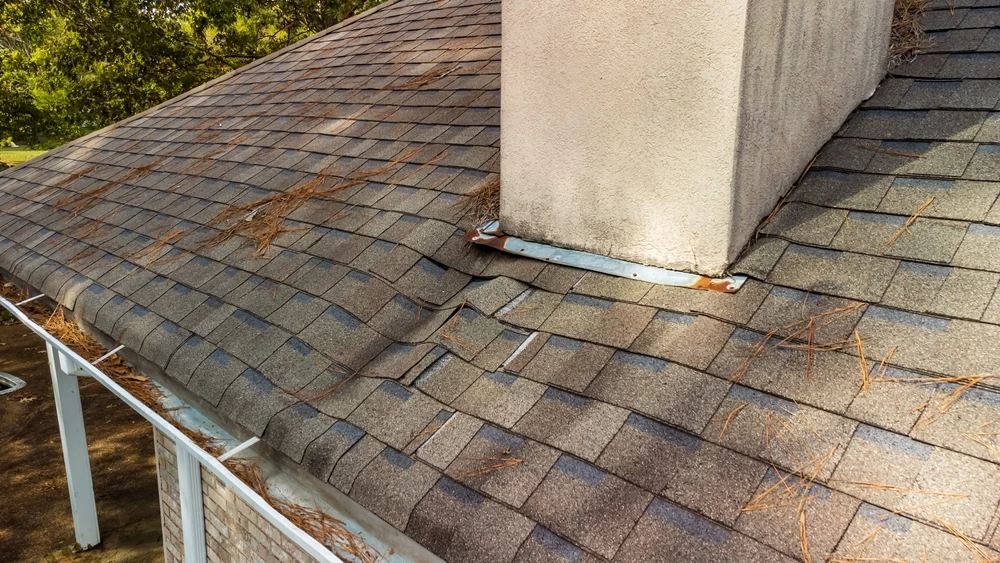
Flashing failures cause more chimney leaks than any other single issue. This thin metal barrier where your chimney meets the roof is constantly exposed to Long Island’s harsh weather, making it the most vulnerable part of your chimney system.
Look for visible gaps, cracks, or separation where the metal flashing meets your chimney or roof. The flashing should lie flat against both surfaces with no visible openings. If you can see daylight through any gaps, water can definitely get through.
Rust stains or corrosion on the flashing indicate the metal is deteriorating. Once flashing starts to rust, it becomes increasingly porous and less effective at keeping water out. What starts as minor surface rust can quickly progress to holes that allow significant water penetration.
Check for loose or missing flashing sections, especially after severe storms. High winds can lift or dislodge flashing that wasn’t properly secured. Even small sections of loose flashing create entry points for water that can cause extensive damage over time.
Pay attention to the sealant around flashing joints. Old, cracked, or missing caulk allows water to seep behind the flashing where it can cause hidden damage. Fresh sealant should be smooth and continuous with no visible cracks or gaps.
Your chimney crown is the concrete cap that covers the top of your chimney structure. Cracks in the crown are extremely common in Long Island due to our freeze-thaw cycles, and they’re often the hidden source of mysterious leaks inside your home.
Inspect the crown for visible cracks, no matter how small they appear. What looks like a hairline crack can allow significant water penetration, especially when freeze-thaw cycles cause the crack to expand and contract repeatedly throughout winter and spring.
Look for missing or damaged chimney caps. The cap sits on top of the crown and prevents rain from falling directly down your chimney. A missing cap is like leaving a window open during every rainstorm—water pours directly into your chimney system where it can cause extensive damage.
Check for white staining or mineral deposits on the outside of your chimney near the crown. This “efflorescence” indicates water is penetrating the masonry and evaporating, leaving mineral deposits behind. It’s a clear sign that water is getting into your chimney structure where it doesn’t belong.
Examine the crown’s slope and drainage. A properly built crown should slope away from the flue opening to direct water off the chimney. If water pools on top of your crown or drains toward the flue, you have a design problem that will eventually cause leaks.
Some chimney leak detection is beyond what homeowners can safely or effectively do themselves. Professional inspection becomes essential when you’re dealing with structural issues, hard-to-reach areas, or when initial signs suggest complex problems.
Don’t wait until small problems become major disasters. Early professional intervention saves money and prevents the kind of extensive water damage that can affect your home’s structure and safety. If you’ve noticed any of the warning signs discussed above, we can provide the thorough inspection and expert repairs your Long Island home deserves.
Article details:
Share:
Continue learning: