

You’re not just getting a hole filled with water. You’re getting a backyard that actually works—where the pool doesn’t crack after the first winter, where the patio doesn’t settle and create trip hazards, and where your investment adds real value to your home instead of becoming a maintenance nightmare.
When we build in-ground pools in Suffolk County correctly, you get extended swimming seasons from May through October. You get a property value increase between 8-15% according to local real estate data. You get custom pool coping and tile that holds up against freeze-thaw cycles, not just looks good in photos.
The difference shows up in year three when your neighbors are calling contractors for repairs and you’re not. It shows up when you sell and buyers see professional-grade work instead of shortcuts. Most importantly, it shows up every summer when your family is actually using the pool instead of waiting for someone to fix it.
We bring masonry expertise and pool construction knowledge to every project in Nassau County and Suffolk County. That combination matters more than you might think—because the pool is only as good as what’s built around it.
We’ve worked with the sandy soil that shifts, the clay that doesn’t drain, and the rocky conditions that require real retaining wall work. We know which villages require what permits, and we know how to build pools that last through Long Island winters without turning into expensive problems.
You’re hiring people who’ve seen what happens when pool patio masonry in Suffolk County is done wrong, and who know how to do it right. That’s the difference between a backyard you enjoy and one you regret.
First, we assess your property’s specific conditions—soil type, drainage patterns, setback requirements, and how your yard’s grading affects the build. This isn’t a template approach. Every Locust Valley property has different challenges.
Next comes permit coordination with Nassau County or your local village. We handle the paperwork and inspections so you’re not stuck figuring out zoning laws. Then excavation starts, which is where ground conditions really matter. We adjust techniques based on what we find—whether that’s high groundwater requiring dewatering equipment or rocky soil needing specialized machinery.
The pool shell goes in, followed by backfill and compaction that prevents future settling. Then we build the deck and surrounding masonry work—concrete pool surrounds, custom coping, any retaining walls your property needs for proper grading. Finally, we handle pool equipment installation, startup, and a walkthrough so you know exactly how everything works. Spring installations mean you’re swimming by summer. Fall or winter projects get you ready for next season.
Ready to get started?
You get complete excavation and site prep that accounts for Long Island’s soil conditions. You get the pool shell installation with proper drainage systems that actually work. You get pool patio masonry in Nassau County that’s built to handle freeze-thaw cycles, not just look good for the first summer.
Custom pool coping and tile work is part of the package—materials that match your home and hold up to weather. Concrete pool surrounds get poured with proper pitch for drainage. If your yard needs pool retaining walls and grading to make everything work correctly, we handle that too. We’re not subbing out the masonry work to someone else. It’s all done by people who know both pools and stonework.
Equipment installation covers pumps, filters, heaters if you want extended seasons, and all the plumbing and electrical that makes everything function. You also get guidance on Long Island-specific maintenance—what to watch for with spring pollen, how to winterize correctly, and what actually matters versus what’s just marketing. The goal is a complete backyard poolscape in Suffolk County or Nassau County that works as a system, not a collection of parts that barely fit together.
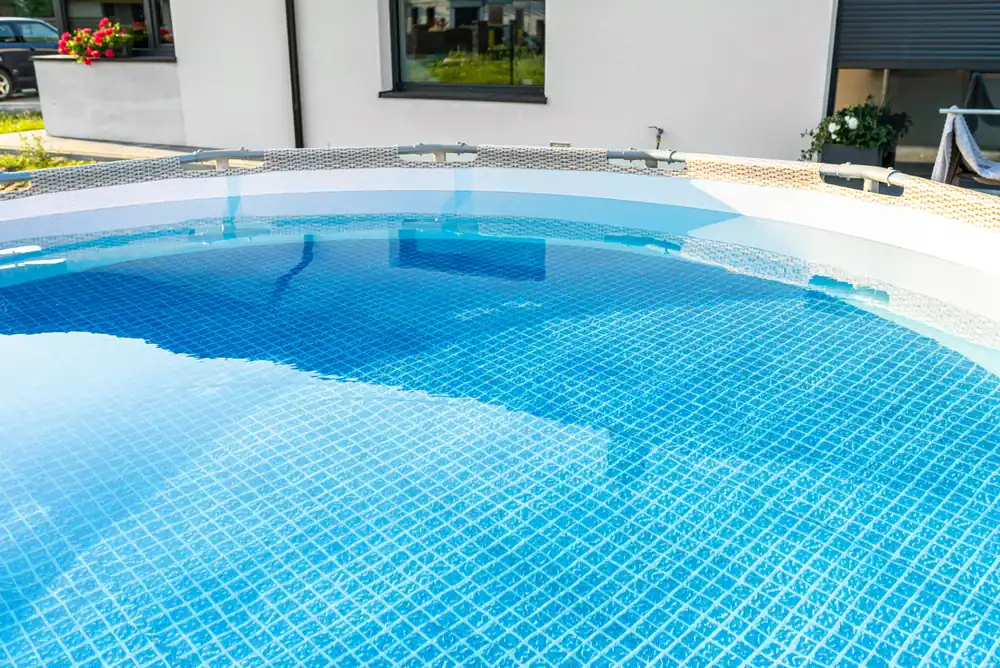
Expect to spend between $50,000 and $100,000 for a quality in-ground pool installation in Locust Valley, depending on size, features, and site conditions. That’s not a vague range—it reflects real variables that affect your specific project.
A basic 16×32 gunite pool with standard coping and a concrete deck starts around $50,000-$60,000. Add custom tile work, upgraded decking materials, or water features, and you’re moving toward $70,000-$80,000. If your property has challenging soil conditions, needs significant grading work, or requires retaining walls, those costs increase the total.
Nassau County properties with rocky soil or high groundwater cost more to excavate than properties with ideal conditions. Permits, inspections, and meeting local code requirements add to the investment. The real question isn’t just cost—it’s whether you’re getting work that lasts or work that needs repairs in three years. Cheaper bids usually mean shortcuts that cost you more long-term.
Long Island has three main soil problems that directly impact pool construction: sandy soil that shifts, clay that doesn’t drain, and rocky conditions that require extra excavation work. Your specific property determines which challenge you’re dealing with.
South Shore properties near the water often have sandy soil and high groundwater tables. That means dewatering equipment during excavation and careful backfill work to prevent settling. North Shore areas tend toward rockier soil and clay, which requires different excavation techniques and often needs retaining walls for proper grading.
Clay soil is particularly tricky because it holds water. Without proper drainage systems around your pool, you’ll deal with hydrostatic pressure that can crack the shell or cause the deck to heave during freeze-thaw cycles. That’s why we test soil conditions before designing the drainage system—not after problems show up. The right approach depends entirely on what’s actually in your ground, not what worked on someone else’s property.
Plan on 8-12 weeks from permit approval to completion for a standard in-ground pool installation in Locust Valley. That timeline assumes normal weather and no major surprises underground.
Permits through Nassau County or your local village take 2-4 weeks, sometimes longer during busy season. Excavation and pool shell installation take about 1-2 weeks depending on site conditions. Then you’re waiting for concrete to cure before backfilling, which can’t be rushed. Decking and masonry work add another 2-3 weeks. Equipment installation, plumbing, electrical, and final inspections round out the timeline.
Spring installations started in March or April mean you’re swimming by June or July. Projects started in summer might not finish until fall, which is why we book spring slots early. Weather delays happen—you can’t pour concrete in freezing temperatures or work in heavy rain. Rocky soil or unexpected groundwater can add time. The contractors who promise 4-week installations either aren’t pulling permits or aren’t doing the work correctly. Quality takes time.
Yes, and the permit requirements vary depending on whether you’re in an incorporated village or unincorporated Nassau County area. Locust Valley properties fall under specific jurisdictions that each have their own rules about setbacks, fencing, and construction standards.
You’ll need a building permit that covers the pool structure itself, electrical permits for any wiring and equipment, and plumbing permits for water lines. Most areas require a fence permit since Long Island has strict pool barrier requirements—typically 4-foot minimum height with self-closing, self-latching gates. Some villages add requirements about pool equipment screening or noise restrictions.
Setback rules determine how close your pool can be to property lines, septic systems, and structures. These vary by location—what’s allowed in one village might be prohibited in another. The permit process includes plan reviews and multiple inspections during construction. Contractors who skip permits might save you money upfront, but you’ll pay for it when you sell and the buyer’s inspector finds unpermitted work. Insurance claims can also be denied if the pool wasn’t built to code. Proper permits protect your investment.
Gunite pools cost more upfront but last longer and handle Long Island’s freeze-thaw cycles better than vinyl liner pools. That’s the short answer. The longer answer depends on your budget and how long you plan to stay in your home.
Gunite is sprayed concrete that forms a solid, permanent shell. It’s the most durable option for Long Island weather—resistant to ground movement, handles freezing temperatures well, and lets you customize the shape and depth however you want. Expect to pay $60,000-$100,000+ for gunite. The surface needs replastering every 10-15 years, but the structure itself lasts decades.
Vinyl liner pools cost less initially—usually $40,000-$60,000—but the liner needs replacement every 7-10 years at $4,000-$6,000 per replacement. They’re more susceptible to damage from freeze-thaw cycles and ground movement. Sharp objects, dog claws, and even rough play can tear the liner. The shape options are more limited since vinyl liners come in standard sizes.
For Long Island conditions specifically, gunite holds up better long-term. The higher upfront cost spreads out over 20-30 years of use. Vinyl makes sense if you’re on a tight budget or don’t plan to stay in the house long enough to see the return on gunite’s durability.
Proper winterization prevents the $5,000-$15,000 in freeze damage that happens when water expands in your pool’s plumbing and equipment. The process isn’t complicated, but skipping steps costs you.
First, balance your water chemistry before closing—pH between 7.2-7.6, alkalinity around 80-120 ppm. Add winterizing chemicals to prevent algae growth while the pool sits unused. Then blow out all plumbing lines with a compressor to remove water that could freeze and crack pipes. Add antifreeze to lines that can’t be fully drained.
Remove and store pool equipment that can’t handle freezing—pumps, filters, heaters, chlorinators. Drain these completely. Lower the water level below the skimmer and return jets, but not so low that the pool shell can pop out of the ground from hydrostatic pressure. Cover the pool with a solid safety cover, not just a tarp—Long Island winter storms will destroy cheap covers.
Check the cover periodically through winter to remove standing water, snow, and debris. Spring pollen is brutal here, so plan on a thorough cleaning when you open. Most pool owners in Nassau County and Suffolk County close their pools in October and open in April or May. If you’re not confident doing this yourself, hire someone who knows Long Island conditions—generic winterization advice from warmer climates doesn’t account for our freeze-thaw cycles.
Other Services we provide in Locust Valley