
You’re tired of patching the same cracks every spring. Water pools near your foundation. The surface looks worse every year, and you’re wondering if it’s time to stop throwing money at temporary fixes.
A properly installed driveway handles drainage before it becomes a foundation problem. It stands up to temperature swings without cracking apart. And it stops being something you have to think about every time it rains or freezes.
When the base is done right and the materials match Long Island’s climate, your driveway becomes what it should be: functional, safe, and something that actually adds value to your property instead of draining your maintenance budget.
We’ve worked on over 200 homes across Nassau County since 2003. We’re a local, family-owned company that understands how Long Island weather affects your property.
Locust Valley homes sit on soil that shifts with moisture changes. The freeze-thaw cycles here are relentless. We’ve seen what works and what fails after a few winters, and we only install driveways using methods that hold up.
You’re not getting a sales pitch from someone two states over. You’re working with people who live here, know the area, and have to stand behind the work we do in your neighborhood.
We start with an on-site assessment of your current driveway and drainage situation. You’ll get a clear explanation of what’s failing, why it’s failing, and what needs to happen to fix it permanently.
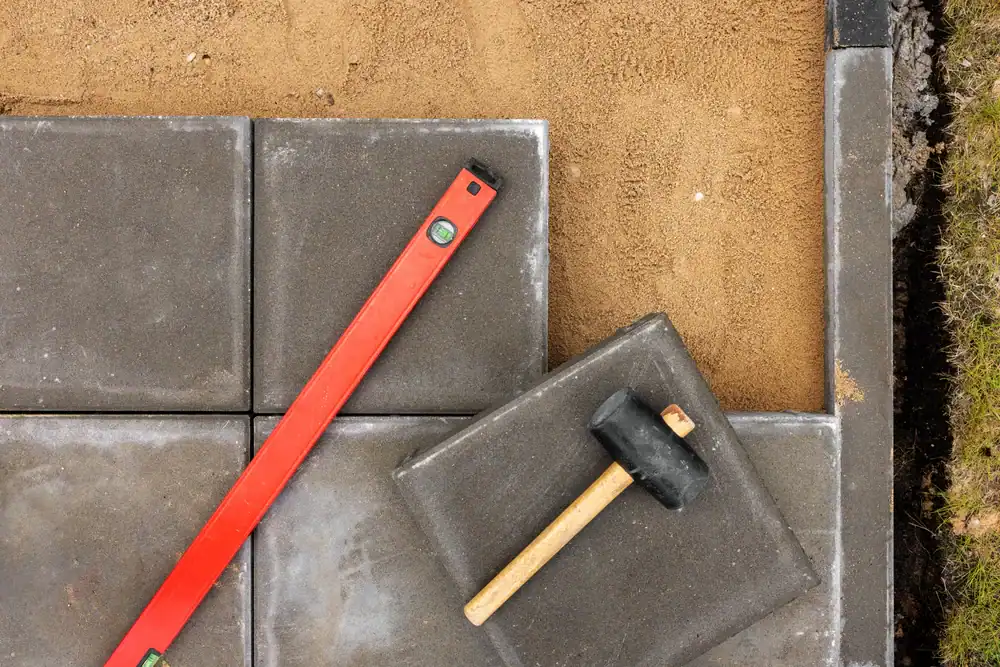
If you’re replacing the driveway, we remove the old surface and address any base or drainage issues before new material goes down. That means proper grading, compacted sub-base, and drainage solutions that move water away from your foundation. We’re not covering up problems—we’re eliminating them.
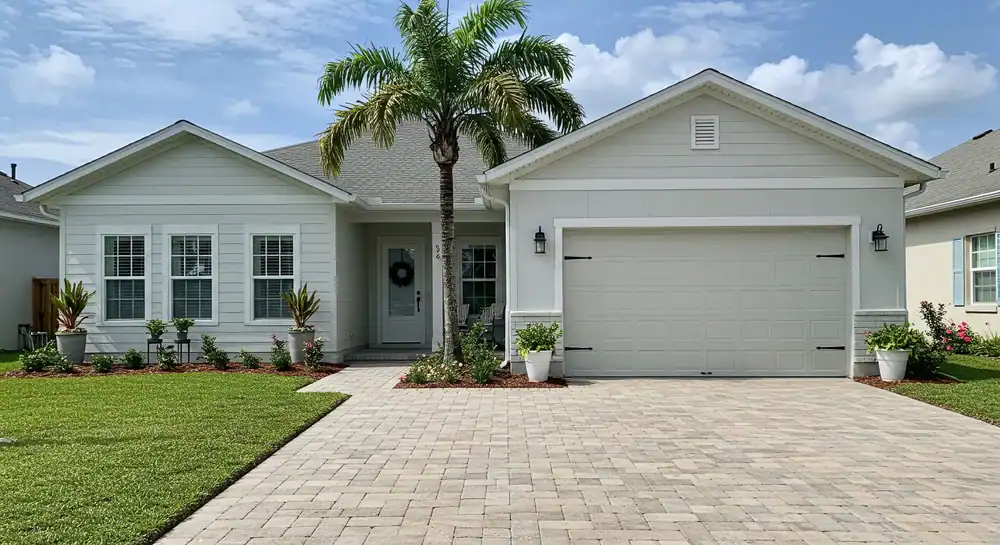
Installation timelines depend on size and material, but you’ll know the schedule upfront. We use asphalt, concrete, pavers, brick, cobblestone, or Belgian block depending on what fits your property and budget. Once it’s done, you’ll have a driveway built to last 15 to 30 years depending on the material and how well it’s maintained.
Ready to get started?
We handle full driveway installation, repairs for sinking or cracked sections, and drainage solutions that prevent water damage. If your driveway is beyond repair—more than half patched, major settling, or alligator cracking—we’ll tell you. And we’ll explain why replacement makes more financial sense than continuing to patch.
Locust Valley’s coastal location means your driveway faces moisture from the Sound and temperature swings that crack weaker installations. We account for that with proper base prep and material selection. Concrete works well here if installed with control joints and proper curing. Asphalt needs quality mix and compaction to avoid premature failure. Pavers and brick offer flexibility during freeze-thaw cycles but require solid base work.
You’ll also get honest guidance on maintenance. Sealing asphalt every few years extends its life. Concrete benefits from crack sealing before water infiltrates. Pavers need occasional re-leveling if the base settles. We’re not interested in selling you something that fails in five years—we’re installing driveways that protect your property long-term.
If more than 50% of your driveway has been patched or repaired over time, replacement usually makes more sense financially. You’re paying to fix the same problems repeatedly instead of addressing the underlying base failure.
Look for alligator cracking—those interconnected crack patterns that look like reptile skin. That signals the foundation can no longer support the surface. Sunken sections that won’t stay level indicate sub-base or soil problems that patching won’t fix. And if water pools consistently in the same spots, your drainage is failing and will continue damaging whatever surface you put down.
Simple surface cracks or small damaged areas can often be repaired if the base is still solid. But when the structure underneath is compromised, repairs become temporary band-aids. We’ll assess your specific situation and give you an honest recommendation based on what will actually solve the problem long-term.
There’s no single “best” material—it depends on your budget, aesthetic preferences, and how much maintenance you’re willing to do. But some materials handle freeze-thaw cycles better than others when installed correctly.
Concrete lasts 30+ years if poured with proper thickness, control joints, and adequate curing time. It expands and contracts with temperature changes, so control joints prevent random cracking. Asphalt is more affordable and lasts 15-20 years with periodic sealing. It flexes slightly with freeze-thaw movement, which can be an advantage. Pavers and brick offer the most flexibility during ground movement and are easy to repair if individual pieces crack, but they cost more upfront.
The real key isn’t just the material—it’s the base preparation and drainage. Water is your enemy. If water gets under any surface and freezes, it will cause damage regardless of what’s on top. Proper grading, compacted base material, and drainage solutions matter more than the surface material in determining how long your driveway lasts.
A standard residential driveway replacement typically takes 3-5 days from demolition to completion, depending on size, material, and weather. Asphalt can often be installed faster than concrete because it doesn’t require extended curing time.
Day one usually involves removing the old driveway and addressing any base issues. Days two and three focus on grading, compacting the sub-base, and installing proper drainage if needed. The final days involve installing your chosen surface material. Concrete needs several days to cure before you can drive on it. Asphalt can typically handle light traffic within 24-48 hours but benefits from a few days of curing before heavy use.
Weather affects the timeline significantly. We won’t pour concrete if temperatures are too cold or rain is forecast. Asphalt installation requires specific temperature ranges to compact properly. If we have to pause for weather, we’ll keep you updated. Rushing installation to meet a deadline usually means cutting corners that will cost you later.
Sinking happens when the soil or sub-base underneath compresses or washes away. Locust Valley sits on varied soil types—some areas have clay that expands when wet and shrinks when dry, causing movement. Other areas have sandy soil that doesn’t compact well without proper preparation.
If your driveway wasn’t installed with adequate base material or proper compaction, the ground underneath will settle over time. Water infiltration accelerates this. When water gets under the driveway through cracks or poor edge sealing, it softens the soil and washes away base material. Freeze-thaw cycles make it worse—water freezes, expands, and creates voids that collapse when it thaws.
Drainage problems usually stem from poor grading during initial installation. Your driveway should slope away from your house and garage to move water toward the street or a drainage system. If it slopes toward your foundation or has low spots where water collects, you’ll have ongoing problems. Fixing drainage issues requires regrading the base and sometimes installing drainage systems like French drains or catch basins.
Driveway replacement in Nassau County typically runs $5,000-$12,000 for a standard residential driveway, depending on size and material. Asphalt averages $4-$7 per square foot installed. Concrete runs $7-$15 per square foot. Pavers, brick, and cobblestone cost more—usually $15-$30 per square foot depending on the specific material and pattern.
Repairs cost less but vary widely based on what’s needed. Crack sealing and minor patching might run a few hundred dollars. Resurfacing an asphalt driveway costs $2-$3 per square foot. But if you need base repair, drainage work, or extensive patching, costs climb quickly—sometimes approaching replacement costs.
The real question isn’t just the upfront cost. It’s what makes financial sense over the next 10-20 years. If you’re spending $3,000 on repairs for a driveway that will need another $3,000 in repairs within five years, replacement at $8,000 starts looking smarter. We’ll give you transparent pricing for both options so you can make an informed decision based on your situation and timeline.
Yes. Drainage problems don’t always require full driveway replacement. If your driveway surface is still in decent shape but water pools or flows toward your foundation, we can often install drainage solutions without tearing everything out.
Options include cutting in channel drains across problem areas, installing catch basins in low spots, or adding French drains along the edges to intercept water before it goes under the driveway. Sometimes regrading the surrounding landscape or adding a small retaining area solves the issue without touching the driveway itself.
That said, if water has already compromised the base or caused significant cracking and settling, drainage fixes alone won’t solve the structural problems. We’ll assess what’s causing the drainage issue, how much damage has already occurred, and whether a drainage solution will actually fix your problem or just delay the inevitable. You’ll get an honest answer about what will work and what won’t.
Other Services we provide in Locust Valley