Creosote buildup poses real fire dangers, but understanding prevention and removal keeps your Long Island home safe year-round.
Share:
Creosote is essentially concentrated fire waiting to happen. This black, tar-like substance forms when wood burns incompletely, sending unburned particles up your chimney where they cool and stick to the walls. Think of it as nature’s napalm—it’s incredibly flammable and burns extremely hot.
When creosote ignites, it creates what’s called a chimney fire. These fires can reach temperatures over 2,000 degrees Fahrenheit, hot enough to crack your chimney liner, damage the structure, and spread to your roof or attic. Even if the fire stays contained within the chimney, the intense heat can warp metal components and create gaps that let deadly carbon monoxide seep into your home.
Creosote doesn’t just appear overnight—it develops in three distinct stages, each more dangerous than the last. Understanding these stages helps you recognize when your chimney needs immediate attention.
Stage 1 creosote looks like fine black dust or soot. It’s relatively easy to remove with standard chimney cleaning tools and poses the lowest fire risk. You’ll typically see this light, flaky residue after normal fireplace use with properly seasoned wood.
Stage 2 creosote appears as black flakes that look almost like cornflakes stuck to your chimney walls. This stage forms when you burn wood that’s not fully seasoned or when your fireplace doesn’t get enough air circulation. It’s harder to remove and significantly more flammable than Stage 1.
Stage 3 creosote is the most dangerous form—a thick, sticky, tar-like coating that’s extremely difficult to remove. It often appears shiny or wet-looking and can be thick enough to restrict airflow through your chimney. This stage typically develops from repeated burning of unseasoned wood or poor ventilation conditions. Stage 3 creosote requires professional removal and poses the highest risk of chimney fire.
Here in Long Island, our humid climate can accelerate creosote formation, especially during those damp fall and spring months when you’re still using your fireplace occasionally.
Recognizing creosote buildup early can save you from expensive repairs and dangerous situations. Several warning signs indicate it’s time for professional chimney cleaning or inspection.
The most obvious sign is a strong, acrid smell coming from your fireplace, even when it’s not in use. This odor becomes particularly noticeable during humid weather or summer months. If your neighbors can smell something burning when you’re not using your fireplace, that’s creosote odor escaping through your chimney cap or other openings.
White staining on the outside of your chimney, called efflorescence, often indicates moisture problems that can accelerate creosote formation. You might also notice rust on your damper or firebox, which suggests the acidic compounds in creosote are causing corrosion.
During fireplace use, pay attention to how your fires burn. If you’re getting a lot of smoke entering your room instead of going up the chimney, creosote buildup might be restricting airflow. Similarly, if you hear crackling or popping sounds coming from inside your chimney walls during use, that could indicate creosote igniting in small amounts.
Another telltale sign is finding animals or birds that seem to avoid your chimney area. Wildlife instinctively avoids areas with strong chemical odors, and heavy creosote buildup creates exactly that kind of environment.
Prevention is always easier and cheaper than dealing with heavy creosote buildup after it forms. The good news is that most creosote problems stem from controllable factors like wood quality, burning technique, and maintenance habits.
Your burning practices make the biggest difference in creosote formation. The key is creating complete combustion, which happens when your fire gets enough oxygen and burns hot enough to consume most of the wood particles before they travel up your chimney.
Wood selection and preparation directly impact how much creosote your fireplace produces. Properly seasoned hardwood creates the least creosote, while green or softwood creates the most.
Seasoned wood has been dried for at least six months, preferably a full year. It should feel lighter than fresh wood, have cracks in the ends, and make a sharp crack when two pieces are knocked together. Seasoned wood also burns hotter and more completely, reducing the unburned particles that become creosote.
Hardwoods like oak, maple, and hickory burn longer and hotter than softwoods like pine or cedar. While softwoods aren’t necessarily dangerous, they do produce more creosote because they contain higher levels of resins and burn at lower temperatures.
Never burn treated lumber, painted wood, or manufactured wood products like particle board. These materials release toxic chemicals and create creosote that’s even more corrosive than normal. Similarly, avoid burning wet wood, leaves, or trash, which create excessive smoke and creosote.
When building your fire, start with plenty of kindling and smaller pieces to establish a hot fire quickly. A smoldering, smoky fire produces far more creosote than a fire that reaches proper burning temperature rapidly. Keep your damper fully open until the fire is well-established, then adjust it to maintain good airflow without letting too much heat escape.
For Long Island homeowners, buying local seasoned hardwood from reputable suppliers ensures you’re getting wood that’s properly dried for our climate conditions.
Even with perfect burning practices, some creosote formation is inevitable. Regular professional cleaning removes this buildup before it becomes dangerous and gives you a chance to catch other chimney problems early.
The National Fire Protection Association recommends annual chimney inspections, but your actual cleaning frequency depends on how much you use your fireplace. If you burn more than two cords of wood per season, you’ll likely need cleaning twice per year. Occasional users might go two years between cleanings, but annual inspection is still important.
Professional chimney cleaning Long Island do more than just remove creosote. They check for structural damage, ensure your chimney cap and screen are intact, verify that your damper works properly, and look for signs of animal intrusion or weather damage. These inspections often catch problems that would become expensive repairs if left untreated.
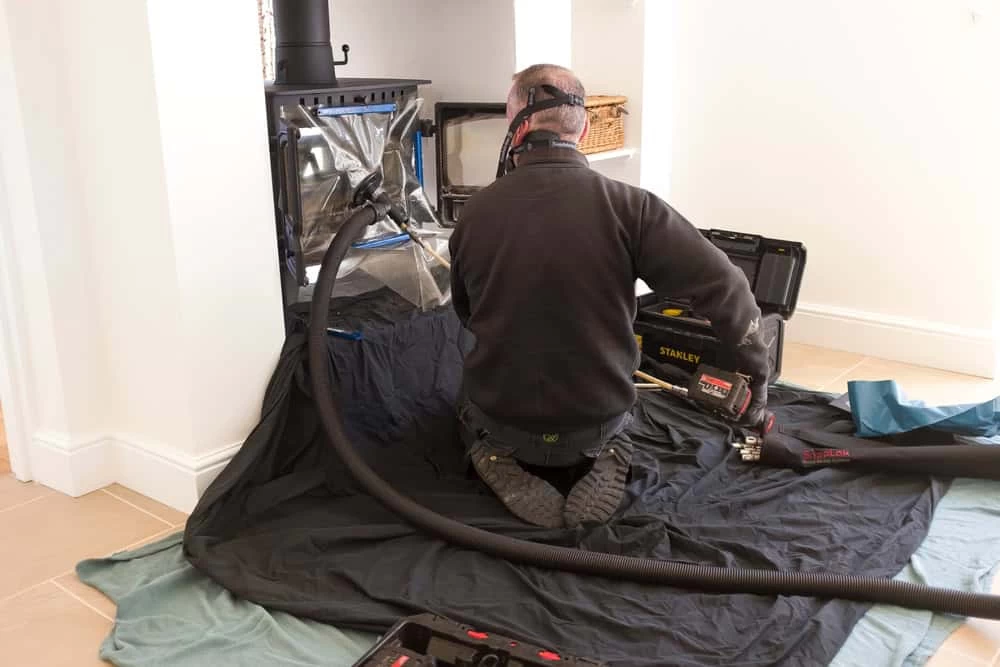
During cleaning, professionals use specialized brushes and vacuum equipment designed to remove creosote without spreading it throughout your home. They can also identify which stage of creosote you’re dealing with and recommend appropriate treatment. Stage 3 creosote, for example, might require chemical treatment or special removal techniques that aren’t safe for homeowners to attempt.
Many Long Island homeowners schedule their annual cleaning in late summer or early fall, before the heavy fireplace season begins. This timing ensures your chimney is ready for winter use and gives you time to address any problems the inspection reveals.
Professional cleaning also maintains your homeowner’s insurance coverage. Many insurance companies require documentation of regular chimney maintenance, especially after claims involving fire damage.
Creosote buildup is genuinely dangerous, but it’s also completely preventable with the right approach. Focus on burning properly seasoned hardwood, maintaining good airflow during fires, and scheduling regular professional cleaning and inspection.
The investment in proper chimney maintenance pays for itself by preventing expensive emergency repairs and protecting your family’s safety. When you understand what causes creosote and how to prevent dangerous accumulation, you can enjoy your fireplace with confidence.
If you’re concerned about creosote buildup in your chimney or haven’t had professional cleaning recently, we at Ageless Chimney can provide the expert inspection and cleaning services your Long Island home needs to stay safe and efficient.
Article details:
Share:
Continue learning: