

Your driveway takes a beating. Between freeze-thaw cycles, salt, coastal moisture, and daily traffic, most driveways on Long Island start showing cracks within a few years. You’ve probably noticed the settling near your garage, the water pooling after rain, or the way ice forms in the same spots every winter.
That’s not just annoying. It’s expensive waiting to happen. Water that doesn’t drain properly ends up against your foundation, and foundation repairs run $10,000 to $40,000. A sinking driveway near your garage leads to cracks in your foundation walls. The salt you use to melt ice accelerates the deterioration of both concrete and asphalt.
When we install or replace a driveway in Captree, NY, we account for drainage from the start. We grade away from your home so water moves where it should. We use materials that hold up to coastal conditions. And we compact the base properly so you’re not dealing with settling in two years.
We’ve been working on Long Island homes since 2003. We’re based in Nassau County, and we’ve handled over 200 properties across Suffolk County, including Captree, NY. We know what coastal weather does to driveways, and we know how to build them so they last.
You’re not getting a crew that disappears after the pour. An owner is on-site for every job. We’re licensed, insured, and bonded, and we’ve earned an A+ rating with the BBB and multiple Angie’s List awards because we show up, do the work right, and don’t leave you guessing.
We handle everything—asphalt, concrete, pavers, brick, cobblestone driveway aprons, Belgian block borders. If you want it done, we’ve done it before.
First, we come out and assess what you’re dealing with. We look at drainage, grading, the condition of your existing driveway, and what’s happening with the base. If your driveway is sinking, we need to know why. If water’s pooling, we need to see where it’s going.
Then we give you a free estimate. We’ll tell you whether repair makes sense or if replacement is the smarter move. If your driveway is over 20 years old and you’re patching it every other year, replacement usually wins. We’ll also talk materials—asphalt, concrete, pavers—and what works best for your property and budget.
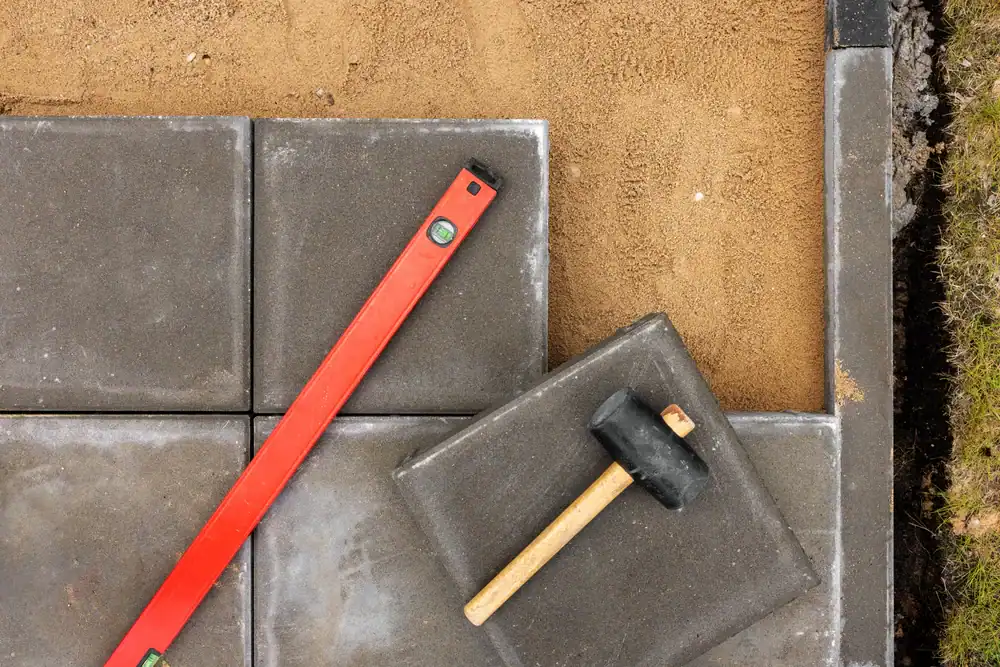
Once you’re ready to move forward, we handle demo, base prep, grading, and installation. We compact the base so it won’t settle. We slope everything away from your foundation. And we finish on time and on budget, leaving your property clean when we’re done.
You’ll know what’s happening at every step. No surprises, no runaround.
Ready to get started?
We handle full driveway installation, replacement, and repair across Captree, NY and Suffolk County. That includes asphalt, concrete, brick, stone, granite, pavers, and decorative options like cobblestone aprons and Belgian block edging. If you want a specific look or material, we can work with it.
Every job includes proper base preparation and compaction. That’s where most driveway problems start—someone skips this step, and the whole thing settles within a year. We don’t cut that corner.
We also build in drainage solutions. On Long Island, water management isn’t optional. We grade your driveway so water moves away from your home, and we make sure it has somewhere to go besides your basement. If you’ve got drainage issues now, we’ll fix them as part of the install.
You’ll also get a driveway that’s built for Long Island winters. We use materials that handle freeze-thaw cycles, and we account for the salt and ice melt that tears up cheaper installations. A new driveway should last 20 to 30 years if it’s done right. That’s what we’re aiming for.
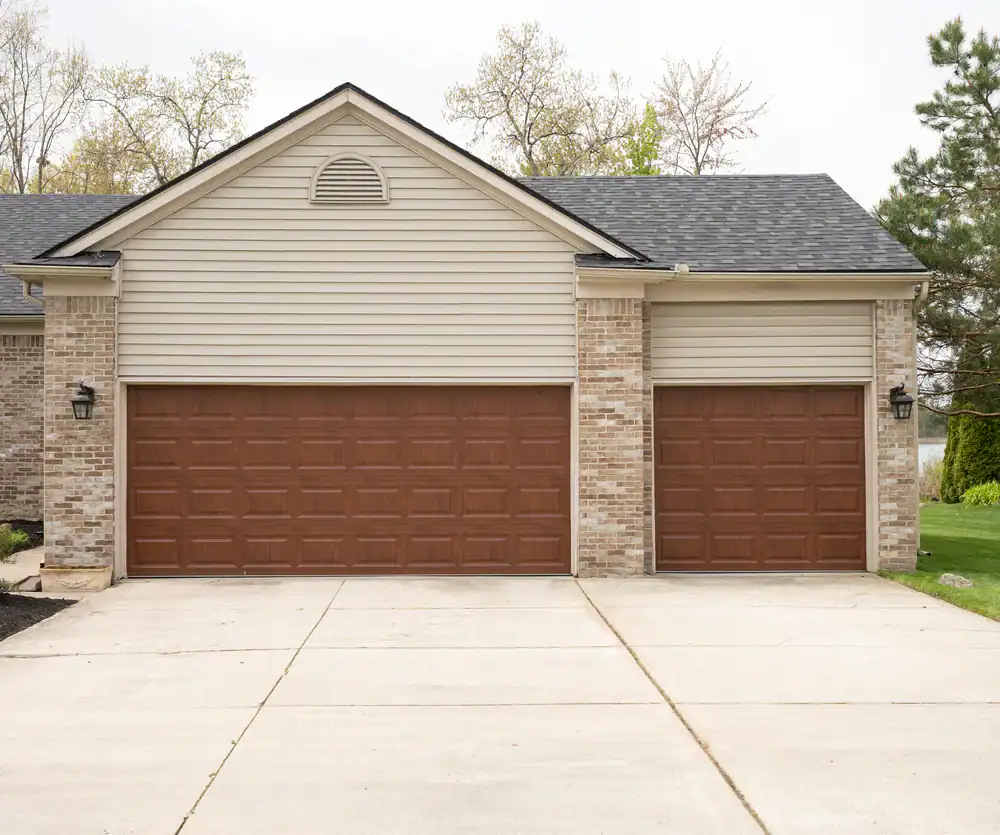
Most driveway replacements in Nassau and Suffolk County run between $4,500 and $6,400, depending on size, material, and site conditions. A standard 600-square-foot driveway in New York typically costs $2,100 to $2,300 for basic asphalt or concrete. If you’re going with pavers, brick, or decorative stone, expect that number to go up.
The price also depends on what we’re working with. If your existing driveway needs full demo and the base needs serious work, that adds to the cost. If there are drainage issues we need to address, that’s additional. We’ll give you a free estimate that breaks everything down so you know exactly what you’re paying for.
One thing to keep in mind: a cheap install now usually means expensive repairs later. If the base isn’t prepped right or drainage isn’t handled, you’ll be calling someone back in two years to fix settling, cracking, or water damage.
If your driveway is under 15 years old and you’re dealing with a few cracks or small sections of damage, repair usually makes sense. We can patch asphalt, fill cracks in concrete, or replace individual pavers without tearing everything out.
But if your driveway is over 20 years old, has widespread cracking, or you’re seeing major settling and drainage problems, replacement is the smarter move. Patching an old driveway is like putting a band-aid on a bigger issue—you’ll be back in a year doing it again.
We’ll be honest with you about what makes sense. If repair works, we’ll tell you. If you’re throwing money at something that needs to be replaced, we’ll tell you that too. The goal is to get you a driveway that lasts, not to upsell you on work you don’t need.
Sinking happens when the base wasn’t compacted properly during installation, or when the ground underneath is still settling. If you’ve got a newer home, the soil around your foundation is still compacting, and that can pull your driveway down with it. Older driveways sink when the base erodes due to poor drainage or freeze-thaw cycles.
Water is usually the main culprit. If water gets under your driveway and freezes, it expands and pushes everything up. When it thaws, the ground settles unevenly. Over time, that creates low spots, cracks, and sinking sections.
Fixing it means addressing the base and the drainage. We’ll remove the affected sections, recompact the base, and make sure water has a way to drain off instead of sitting under your driveway. If we don’t fix the drainage, the problem just comes back.
Drainage is built into the install from the start. We grade your driveway so it slopes away from your home—usually about a 2% grade. That ensures water runs off naturally instead of pooling or flowing toward your foundation.
If your property has drainage challenges, we’ll add solutions like catch basins, French drains, or channel drains to move water where it needs to go. On Long Island, this isn’t optional. Between coastal moisture and heavy rain, water management is the difference between a driveway that lasts and one that cracks in three years.
We also make sure the base is properly compacted and graded before we pour or pave. If the base holds water, your driveway won’t last. Everything we do is designed to keep water moving away from your home and off your driveway surface.
It depends on your budget, your home’s style, and how much maintenance you want to deal with. Asphalt is the most affordable and handles freeze-thaw cycles well, but it needs resealing every few years. Concrete lasts longer and requires less maintenance, but it costs more upfront and can crack if it’s not installed correctly.
Pavers, brick, and stone give you more design flexibility and they’re easy to repair—if one section gets damaged, you just replace those pavers instead of repaving the whole thing. They cost more than asphalt or concrete, but they last longer and add serious curb appeal. A paver driveway can boost your property value by 5% to 10%.
We’ll walk you through the pros and cons of each material based on your property and what you’re trying to accomplish. There’s no one-size-fits-all answer, but we can tell you what works best for Long Island weather and your specific situation.
Most driveway installations take three to five days, depending on size and material. Demo and base prep usually take a day or two. Then we pour or pave, and the material needs time to cure before you can drive on it.
Asphalt can usually handle light traffic after 24 to 48 hours, but you should wait three to five days before parking heavy vehicles on it. Concrete takes longer—about seven days before it’s safe to drive on. Pavers are ready to use as soon as the installation is done.
Weather plays a role too. We schedule driveway work between late spring and early fall because warmer, dry weather helps materials cure properly. If we’re replacing your driveway in Captree, NY, we’ll give you a timeline upfront so you know what to expect and can plan accordingly.