I highly recommend these guys. (Bob/Christian)They came right on time and were extremely neat and professional. They did a great job at a reasonable price.
Tommy Glenn
I have been using Bobby and Sherwood for years. I highly recommend them. They did chimney repair and chimney sweep. Great work, great guys.
Ingrid V.
Highly recommend Ageless chimney. They were polite, professional and got the job done in one day, left my property as clean as they found it. Very happy!
Brian Nolin
Outstanding work, great service, and extremely reliable!!
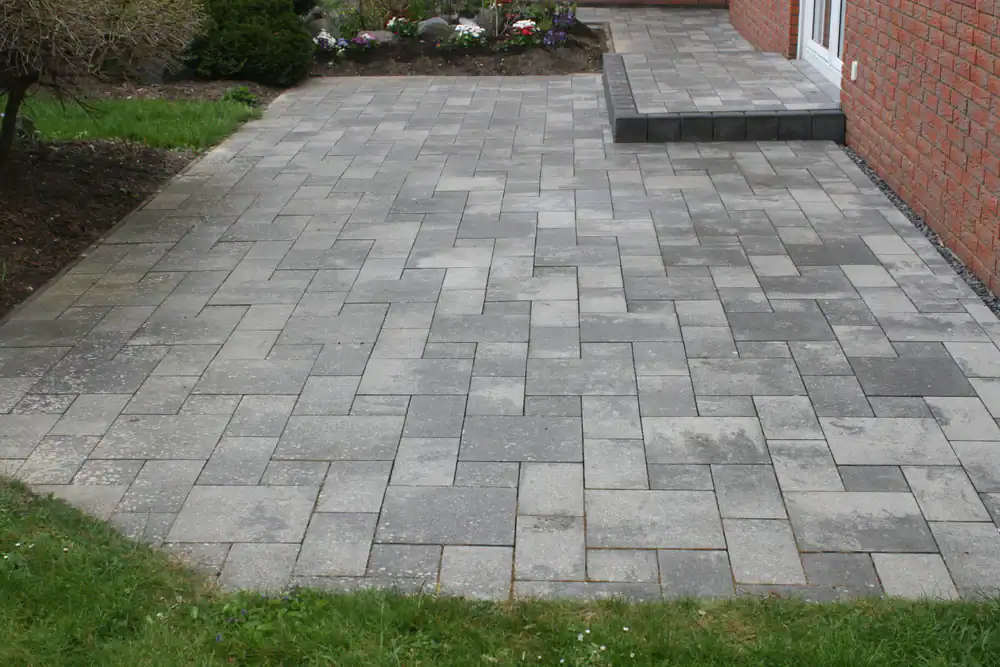
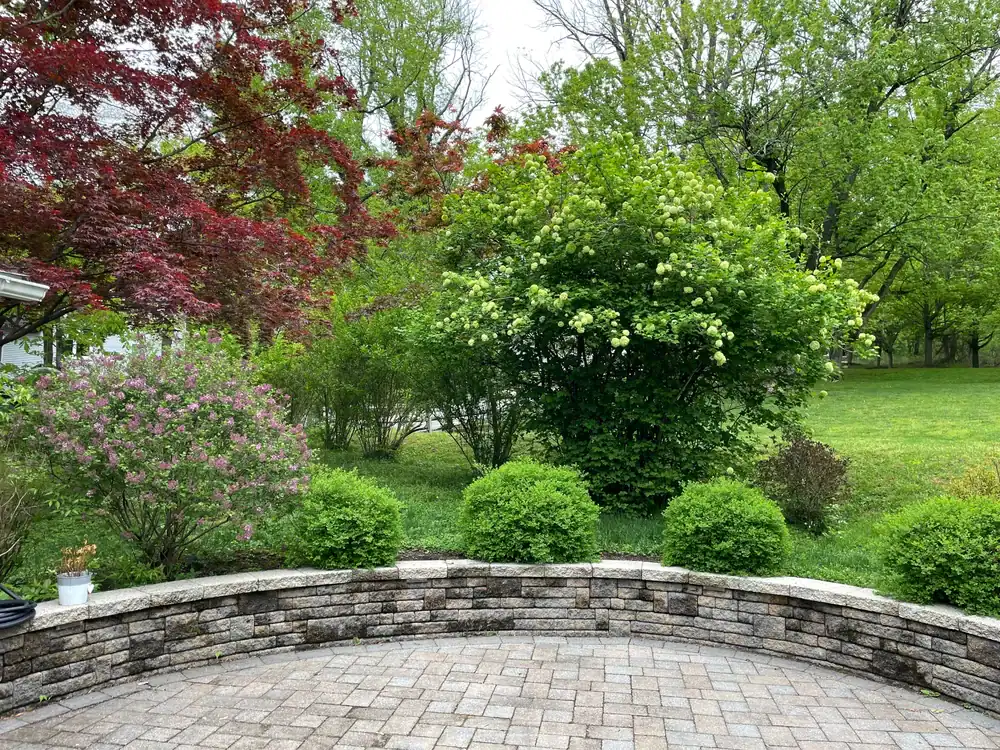
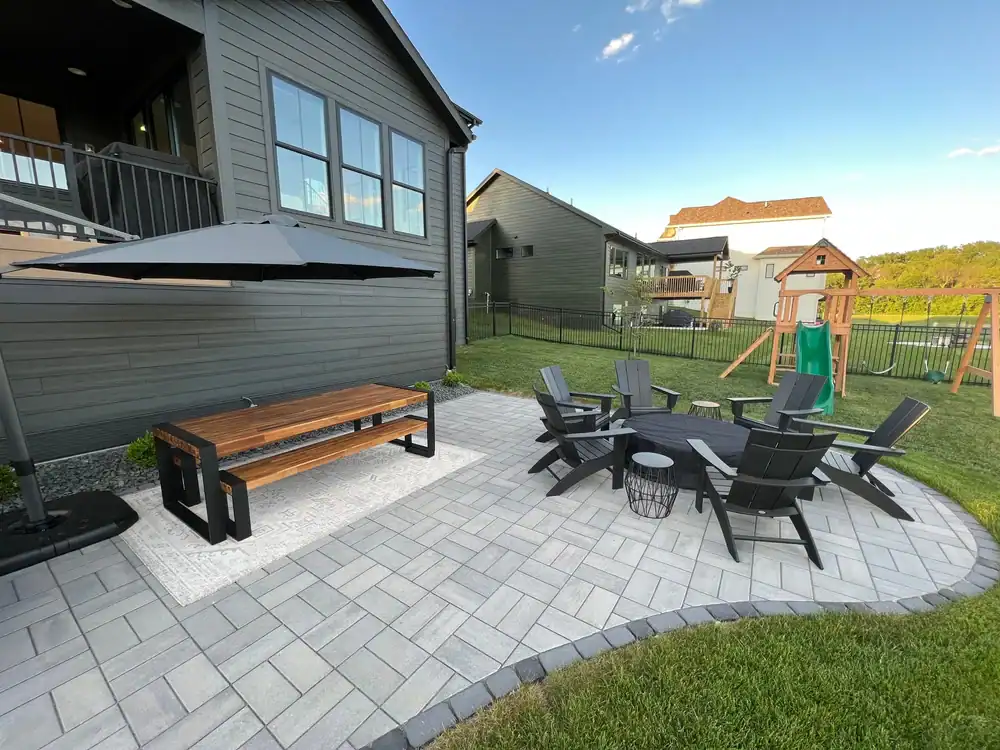
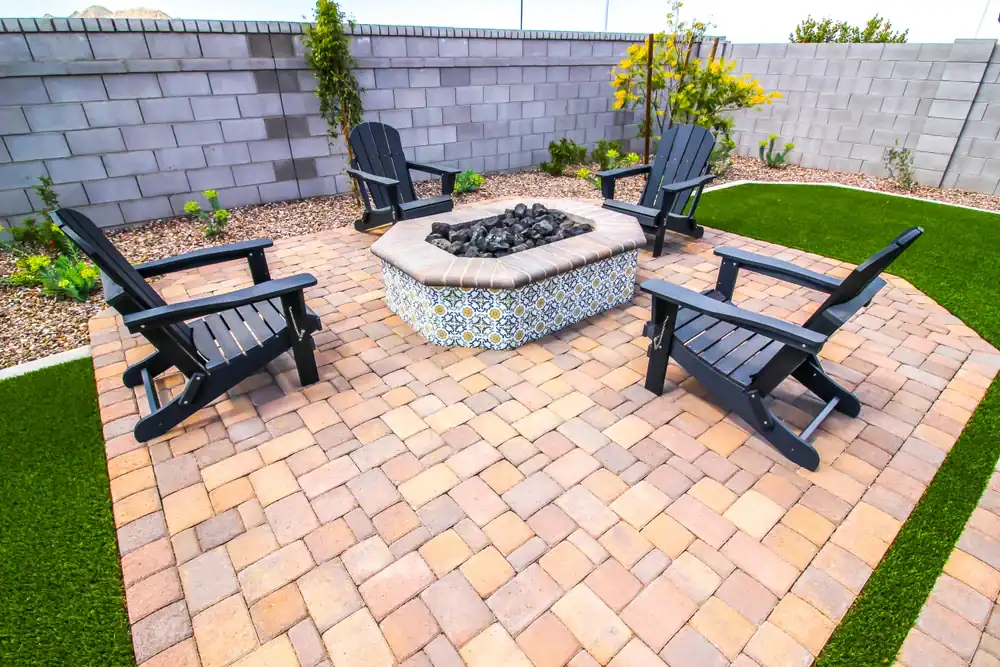
Backyard Patio Pavers Long Island
Spaces Built for Real Life
Your morning coffee tastes better on a patio that doesn’t puddle when it rains. Your weekend barbecues happen without worrying about uneven ground or muddy shoes tracking through the house.
You’re not just getting pavers laid down. You’re getting an outdoor room that works as hard as your indoor spaces, designed to handle everything from summer storms to winter freezes without cracking, shifting, or turning into a maintenance headache.
The right patio becomes the place your family gravitates toward during good weather months. It’s where conversations happen, where meals taste better, and where you stop wishing you had somewhere decent to sit outside your own home.
Patio Contractors Long Island
Built by People Who Live Here
We’ve been solving outdoor living problems for Captree homeowners since 2006. We understand how Long Island weather affects your outdoor spaces because we deal with the same conditions at our own homes.
When you call us, you get owners Bobby Bruno and Sherwood Adams – not a sales team that’s never held a level. We’ve seen what works in this area and what doesn’t, so you get solutions that actually last instead of quick fixes that fail after the first hard winter.
You’re working with people who know the difference between doing a job and doing it right. Every project gets the same attention to detail, whether it’s a small patio or a complete outdoor transformation.
Outdoor Living Spaces Long Island
No Surprises, No Shortcuts
We start with a site evaluation to understand your property’s drainage, slope, and soil conditions. You get a clear explanation of what needs to happen and why, including any prep work that’ll affect your timeline or budget.
The foundation determines everything else. We excavate to the proper depth, install a compacted aggregate base, and create the drainage slope that keeps water moving away from your house. No cutting corners on the parts you can’t see.
Once the base is solid, we install your pavers with precision joints and proper edging. The final step is polymeric sand that locks everything in place and keeps weeds out. You get documentation of what we did and guidance on when you’ll need maintenance.
Your patio needs to survive Long Island’s weather extremes without turning into a repair project every spring. We use pavers rated for freeze-thaw cycles and polymeric sand that won’t wash out during heavy rains.
Captree’s coastal location means your materials face salt air, temperature swings, and occasional flooding. We select pavers and installation methods that handle these conditions while maintaining their appearance and structural integrity for decades.
You also get options for permeable pavers that help with drainage issues common in this area. These allow rainwater to seep through the surface instead of creating runoff problems that affect your foundation or neighboring properties. Smart for your property, required by some local codes.
How much do patio pavers cost in Captree, NY?
Most Captree homeowners spend between $30 and $45 per square foot for professional paver patio installation. That price includes materials, proper base preparation, drainage setup, and installation labor.
The final cost depends on your paver choice, site conditions, and design complexity. Simple rectangular patios with standard concrete pavers cost less than curved designs with natural stone and decorative borders. We provide detailed estimates that break down material and labor costs so you know exactly what you’re paying for.
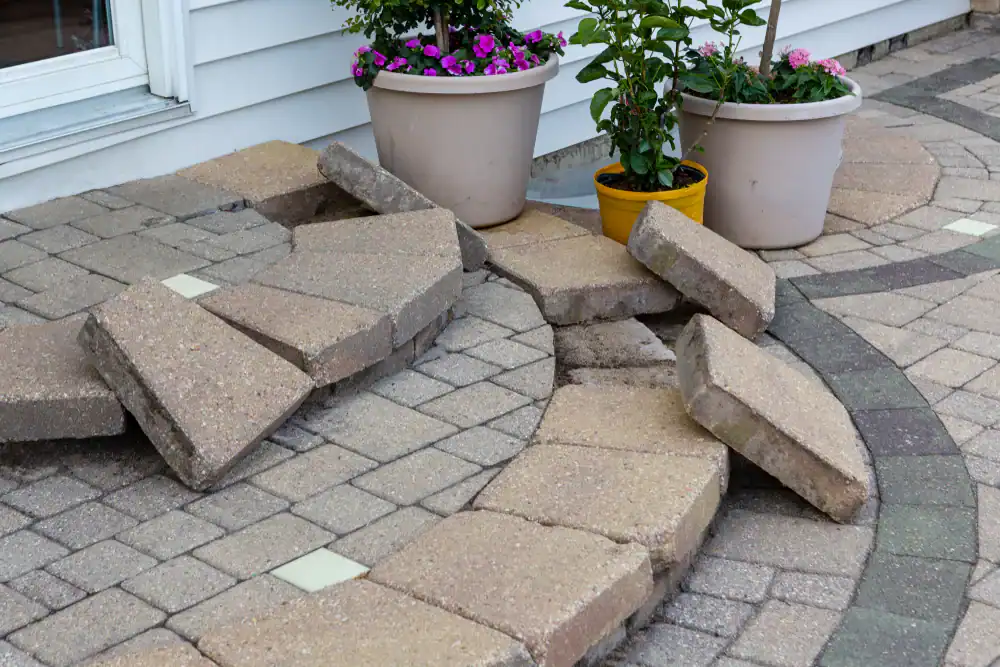
Trying to save money with DIY installation usually backfires on Long Island. Poor base preparation or improper drainage causes settling, cracking, and water problems that cost more to fix than professional installation would have cost originally.
What's the best paver material for Long Island weather?
Concrete pavers and natural stone both handle Long Island’s freeze-thaw cycles well when properly installed. Concrete pavers offer more design options and consistent sizing, while natural stone provides unique character and typically lasts longer.
Avoid cheap pavers that aren’t rated for northern climates. They’ll crack during winter freezes and need replacement within a few years. Quality pavers cost more upfront but save money over time because they don’t need constant repairs or early replacement.
Permeable pavers are gaining popularity in coastal areas like Captree because they help with drainage and may be required for certain projects. They cost slightly more but solve water management problems that can affect your foundation and landscaping.
How long does paver patio installation take?
Most patio installations take 3-5 days depending on size and complexity. Simple rectangular patios move faster than curved designs or projects that require extensive drainage work.
Weather affects the timeline. We can’t compact base materials properly in wet conditions, and we won’t install pavers if rain is forecast within 24 hours. Planning your project during stable weather periods helps avoid delays.
Site access also matters. Tight backyards where we can’t get equipment close to the work area take longer because everything moves by hand. We evaluate access during the estimate and factor extra time into projects that require manual material handling.
Do I need permits for a patio in Captree?
Some Long Island towns require permits for patios, especially if you’re building close to property lines or adding drainage features. Captree’s requirements depend on your specific project size and location on your property.
We handle permit applications when they’re needed and know which projects trigger permit requirements. It’s not a huge cost, but it does add time to your project timeline because we have to wait for municipal approval before starting work.
Skipping required permits can cause problems later if you try to sell your house or if neighbors complain. It’s better to handle permits correctly from the start than deal with compliance issues after the work is done.
How do I maintain my paver patio?
Regular maintenance keeps your patio looking good and prevents small problems from becoming expensive repairs. Sweep or blow off debris regularly, and rinse with a hose when needed to remove salt buildup from winter road treatments.
Check the polymeric sand between pavers annually. If it’s washing out or cracking, add fresh sand to keep weeds out and pavers stable. This is a simple DIY task that prevents bigger problems later.
Sealing your pavers every 2-3 years protects against stains and helps maintain color consistency. Some homeowners skip sealing to save money, but it extends paver life and makes cleaning easier, especially if you use your patio for cooking or entertaining.
Can you install pavers over my existing concrete patio?
Installing pavers over existing concrete is possible if the concrete is level, structurally sound, and has proper drainage. We evaluate the existing surface to determine if it’s suitable as a base or needs removal.
Concrete that’s cracked, settling, or holding water won’t support pavers properly. In these cases, removal and proper base preparation cost more initially but prevent future problems that would require tearing everything out and starting over.
When existing concrete works as a base, we can install pavers with mortar or specialized adhesives. This approach saves excavation costs but limits your options for drainage improvements or design changes that require elevation adjustments.