
You’re tired of watching water pool near your foundation every time it rains. Those cracks aren’t just ugly—they’re getting worse, and you know it’s only a matter of time before small problems turn expensive.
A properly installed driveway changes everything. Water drains away from your house instead of toward it. Your cars sit level instead of at an angle. Visitors don’t trip on uneven sections, and you stop worrying about what’s happening underneath the surface.
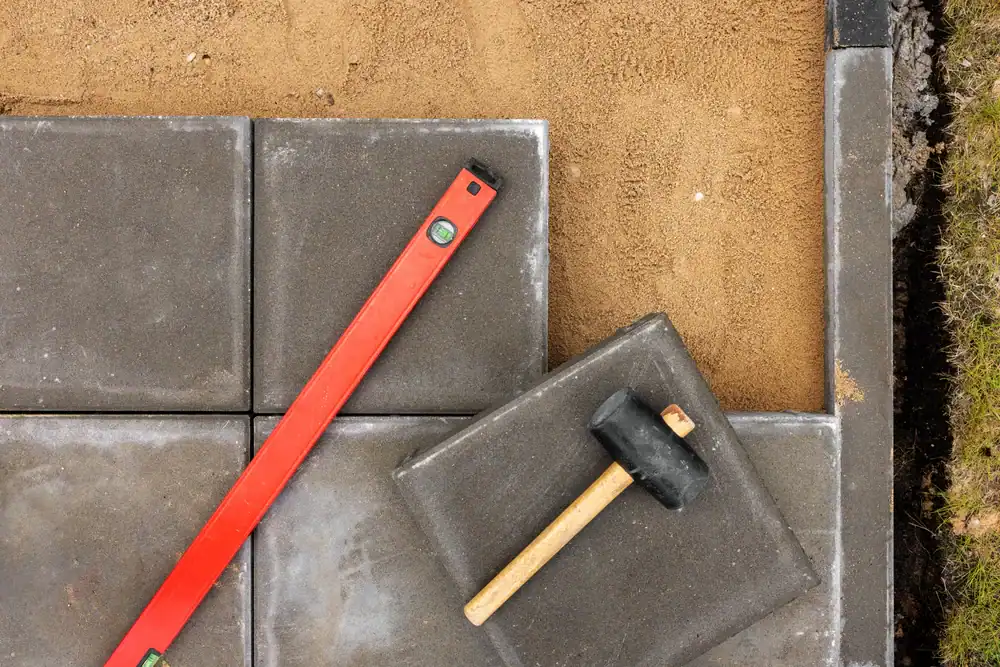
The difference comes down to base preparation and material choice. When a driveway installation company in Elwood, NY does the excavation right—8 to 12 inches deep with proper compaction—your driveway stays put. When they pitch it correctly, water goes where it should. When they use materials suited for Long Island’s clay soils and brutal winters, you’re not calling for repairs in two years.
We’ve worked on over 200 homes across Long Island since 2003. We’re not a crew that shows up, pours concrete, and disappears. Every job is handled by an owner who’s been in the masonry business long enough to know what works in Elwood, NY and what doesn’t.
You’re dealing with someone who understands that Long Island soil shifts, that freeze-thaw cycles destroy shortcuts, and that proper drainage isn’t optional in Nassau County. We’re licensed, insured, and we’ve built a reputation on doing the work right—not fast, not cheap, but right.
When you call, you’re talking to someone who’s actually going to be on your property doing the work. That matters more than most people realize until they’ve dealt with the alternative.
First, we look at what you’ve got. Is the base failing? Is water draining toward your foundation? Are tree roots causing problems? You need to know what’s actually wrong before anyone starts tearing things up.
Next comes excavation. For Long Island clay soils, that typically means going 8 to 12 inches deep and removing everything that’s compromised. Then we bring in crushed stone—not just any fill—and compact it in layers. This is where most driveway problems start, so we don’t rush it.
Once the base is solid and properly graded for drainage, we install your chosen material. Whether you want traditional asphalt, concrete, brick pavers, or cobblestone aprons with Belgian block borders, the installation follows the same principle: do it right so it lasts. We pitch everything away from your house, make sure edges are properly supported, and give you realistic expectations about curing time and when you can drive on it.
Ready to get started?
You’ve got options, and each one has trade-offs you should understand. Asphalt is the most affordable upfront—usually $5 to $8 per square foot in Long Island—but it needs resealing every 3 to 5 years and replacement every 15 to 20 years. That’s fine if you’re planning to move or want to keep initial costs down.
Concrete lasts longer and handles Long Island winters better than most people think, but it will crack eventually if the base isn’t perfect. Expect to pay more upfront, but you’re looking at 25 to 30 years with minimal maintenance if it’s done right.
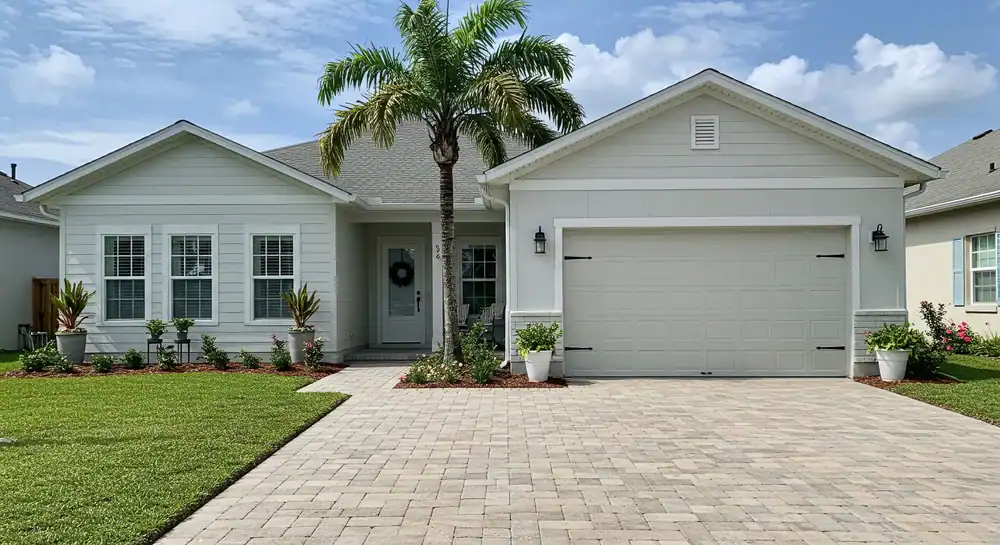
Brick and paver driveways run $18 to $23 per square foot for professional installation in Nassau County, but they last 25 to 75 years and you can replace individual pavers if something does go wrong. They also handle freeze-thaw cycles better than solid concrete because there’s room for movement. For homes in Elwood, NY where curb appeal matters and you’re planning to stay long-term, pavers often make the most sense.
We also handle sinking driveway repair in Elwood, NY and fixing cracked concrete driveways when full replacement isn’t necessary yet. Sometimes mudjacking or targeted repairs buy you several more years. We’ll tell you honestly what’s worth fixing and what needs to be replaced.
Most residential driveway installations take 3 to 5 days from excavation to final surface, but that depends on size, material choice, and weather. A standard two-car asphalt driveway might be done in 3 days. A custom brick paver driveway with cobblestone aprons and Belgian block borders could take a full week.
The base work takes the most time because it can’t be rushed. Proper excavation, stone installation, and compaction need to happen in stages. Then there’s curing time—concrete needs at least 7 days before you drive on it, though it continues hardening for weeks. Asphalt can typically handle light traffic in 2 to 3 days.
Weather affects everything. We’re not pouring concrete if it’s going to freeze overnight or rain before it sets. Long Island’s unpredictable spring and fall weather sometimes means delays, but that’s better than a failed installation. You’ll get a realistic timeline upfront, and we’ll keep you updated if anything changes.
Long Island’s clay soils are the main culprit. Clay expands when wet and contracts when dry, and it doesn’t drain well. If the base wasn’t properly prepared—meaning deep enough excavation and adequate crushed stone—the ground underneath shifts and settles unevenly. That’s when you see sinking sections and cracks forming.
Water makes everything worse. If your driveway doesn’t have proper pitch or if downspouts drain onto it, water works its way underneath and erodes the base. During winter, that water freezes and expands, pushing concrete or asphalt up. When it thaws, everything settles back down slightly different than before. Do that 50 times a season and you’ve got serious damage.
Tree roots, heavy vehicles, and poor initial compaction all contribute. The freeze-thaw cycles we get in Elwood, NY are particularly brutal—temperatures swing from below freezing to above it repeatedly all winter. Materials that work fine in milder climates fail here. That’s why proper base prep and material selection matter so much for driveway installation in Nassau County.
If the cracks are mostly surface-level—less than a quarter inch wide and not causing height differences—repairs usually make sense. You can seal them, prevent water infiltration, and get several more years. If sections are sinking, if cracks are wide enough to catch a shoe, or if water pools in multiple spots, you’re probably looking at base failure and replacement is the smarter move.
Age matters too. An asphalt driveway that’s 15 years old with significant cracking has lived its expected life. Patching it might buy you a year or two, but you’ll keep throwing money at an aging surface. A 5-year-old concrete driveway with a few cracks might just need targeted repairs if the base is still solid.
The honest answer comes from looking at what’s happening underneath. We can often tell by how the surface is failing whether it’s a material issue or a base issue. Base problems don’t get better—they get worse and more expensive. If you’re dealing with sinking driveway repair needs in Elwood, NY, we’ll walk you through what makes sense for your specific situation and budget. Sometimes the right call is fixing what you have. Sometimes it’s not.
A standard two-car asphalt driveway—roughly 480 square feet—typically runs $4,600 to $8,100 in Long Island, depending on base prep requirements and current material costs. Concrete runs higher, usually $6,000 to $14,000 for similar size, because material and labor cost more but you’re getting longer lifespan.
Brick paver driveways in Nassau County run $18 to $23 per square foot for professional installation, so that same 480 square foot driveway costs $8,640 to $11,040. Add custom borders, cobblestone aprons, or complex patterns and you’re looking at the higher end or above. But you’re also looking at 50-plus years of life with minimal maintenance.
The wild card is always base preparation. If your existing base is completely failed, if there are drainage issues that need correction, or if we’re dealing with difficult soil conditions, excavation and stone costs go up. A driveway pitched toward your house needs regrading. Tree roots need removal. Poor drainage needs solutions. We give you a detailed estimate after seeing what we’re actually dealing with, not a ballpark number that changes once work starts.
Most driveway replacements in Elwood require a building permit from the Town of Huntington, especially if you’re changing the size, altering drainage patterns, or connecting to the street differently. The town wants to make sure water runoff is handled properly and that the work meets code.
If you’re just repaving an existing driveway with the same footprint and materials, you might not need a permit, but it’s worth confirming. Expanding your driveway, adding new sections, or changing materials from pervious to impervious surfaces usually triggers permit requirements. The town also has rules about how much of your property can be covered with impervious surfaces.
We handle permit applications as part of the job because we know what the town requires and how to get approvals without delays. Trying to skip permits causes problems when you sell your house or if a neighbor complains. Inspectors can make you rip out unpermitted work, which means paying twice. It’s not worth the risk, and the permit costs are minimal compared to the project total. We make sure everything’s done legally so you don’t have problems down the road.
There’s no single “best” material—it depends on your budget, how long you’re staying in the house, and what matters most to you. But some materials definitely handle Long Island’s freeze-thaw cycles and clay soils better than others.
Brick pavers and concrete pavers are probably the most durable choice for our climate. They handle freeze-thaw cycles well because individual units can move slightly without the whole surface cracking. If one paver does fail, you replace that section without redoing everything. They last 25 to 75 years with almost no maintenance beyond occasional re-sanding of joints. The upfront cost is higher, but the longevity and curb appeal often justify it for homeowners in Elwood, NY who plan to stay long-term.
Concrete is solid if installed correctly with proper base prep and adequate thickness. It lasts 25 to 30 years and handles heavy vehicles well. It will eventually crack—all concrete does—but you get decades of use. Asphalt is the most affordable and works fine if you’re okay with resealing every few years and eventual replacement. It’s a practical choice for rental properties or if you’re planning to move within 10 to 15 years. The key with any material is proper installation—shortcuts fail regardless of what’s on top.
Other Services we provide in Elwood