
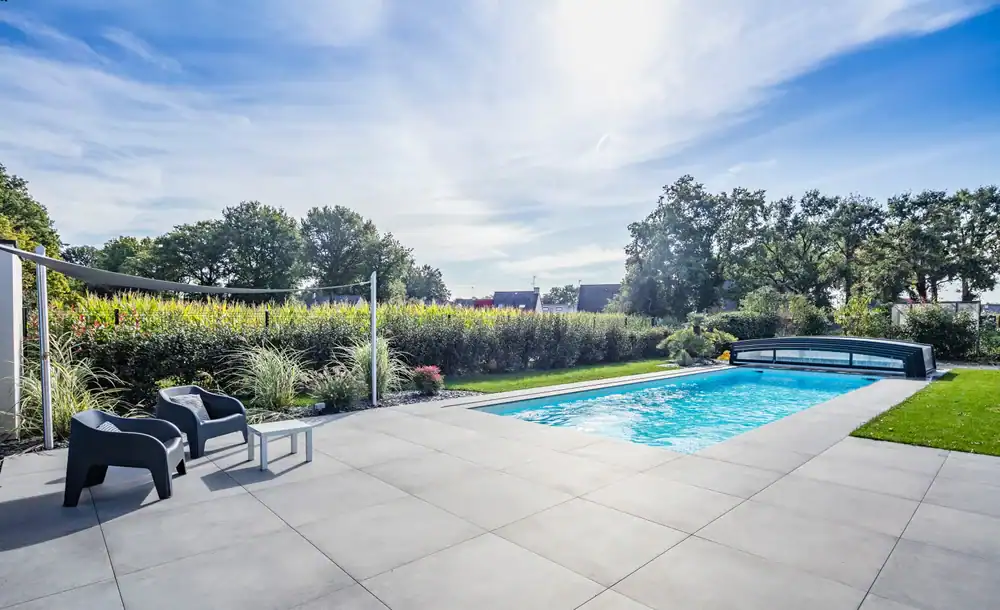

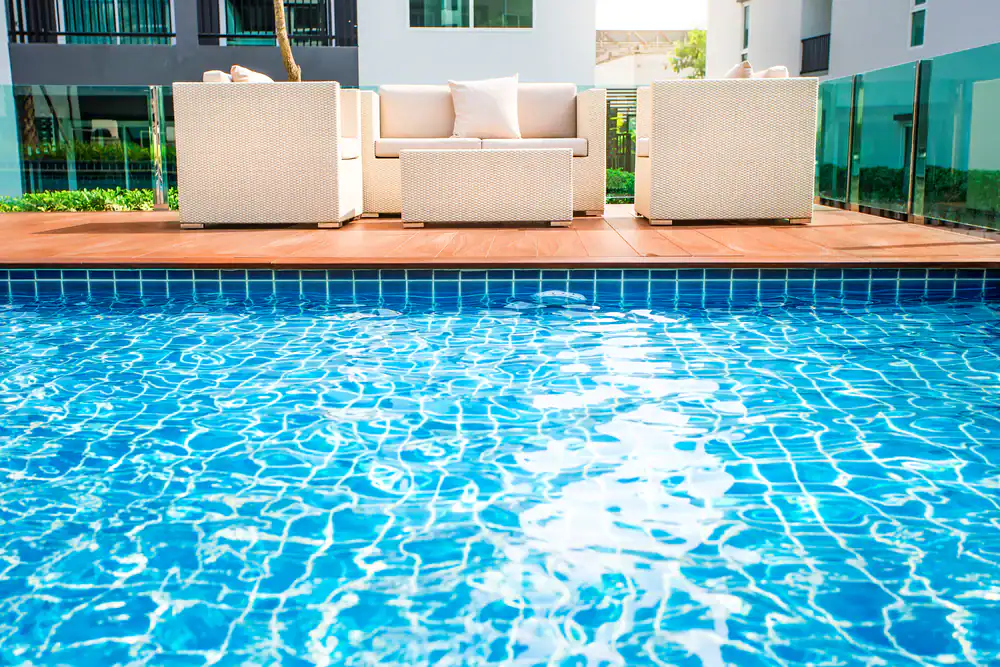
Your pool should be where good times happen, not where someone gets hurt. The right pool patio pavers in Elwood, NY give you surfaces that stay safe when wet, drainage that prevents water problems, and materials that look better with age instead of worse.
You’ll stop holding your breath every time kids run around the pool or elderly relatives visit. No more cringing when someone walks barefoot on slippery surfaces. Instead, you get textured pavers with real grip, professional coping that moves water where it belongs, and installation that prevents the expensive problems other homeowners face later.
The result? Pool areas that boost your property value, reduce maintenance headaches, and let you actually enjoy having people over instead of worrying about safety.
We’ve been handling pool patio pavers in Elwood, NY while other contractors are still figuring out why their installations fail. Long Island’s soil conditions aren’t like anywhere else, and we’ve learned how to work with them instead of against them.
We understand why proper drainage matters in Elwood’s clay soils. We know how to handle the sandy conditions near Huntington Bay. Most importantly, we’ve seen what happens when contractors skip the foundation work or ignore local building requirements.
Your neighbors trust us because we don’t cut corners on the details that matter. When we install pool deck pavers in Elwood, NY, we’re building something that will still look and perform great years from now.
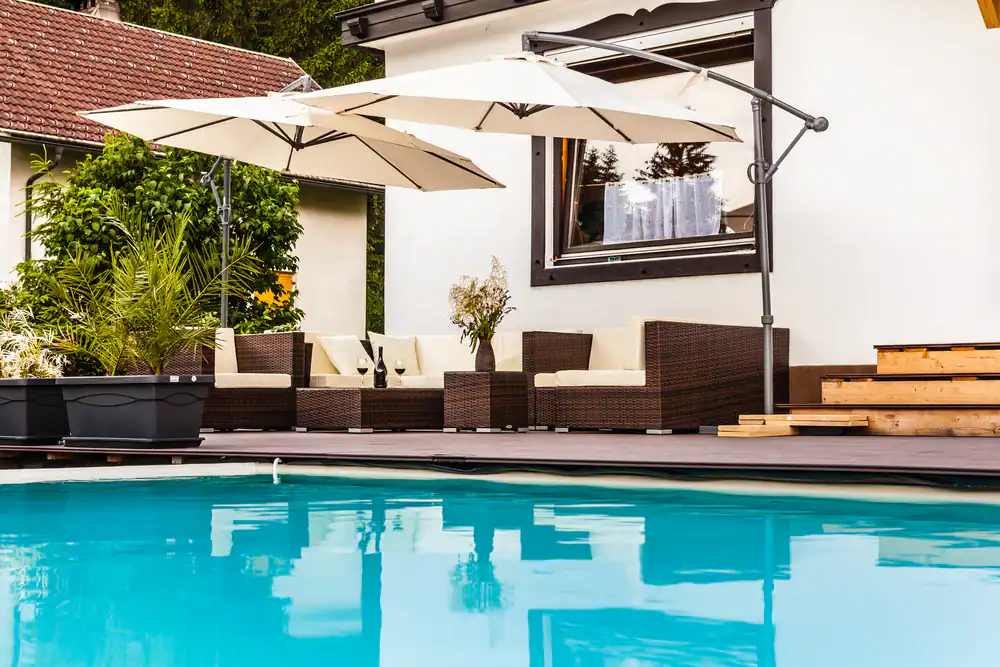
We start by evaluating your pool area and testing soil conditions. Elwood properties can have dramatically different soil types within a few blocks, and what works for sandy ground won’t work for clay. We check existing drainage, measure slopes, and plan the approach that makes sense for your specific situation.
Base preparation comes next, and this is where most contractors either save time or do it right. We excavate to proper depths, install drainage components where needed, and compact base materials to prevent settling. Every step gets checked because there’s no fixing foundation problems after pavers are installed.
Installation involves placing each pool patio paver with attention to spacing, drainage flow, and surface safety. We install coping that protects your pool structure while directing water away from problem areas. Joints get sealed properly, drainage gets tested, and nothing gets considered complete until it meets both our standards and local codes.
Ready to get started?
Your pool patio paver installation includes slip-resistant surfaces selected specifically for wet conditions around pools. We use materials like textured travertine that stays cool underfoot, concrete pavers with proper grip patterns, and porcelain options that provide safety without sacrificing the elegant look Elwood homeowners expect.
Professional pool coping installation protects your pool’s structural integrity while managing water drainage. We install systems designed for Long Island’s seasonal weather patterns, preventing the water accumulation and freeze-thaw damage that destroys other pool decks over time.
Every project addresses Elwood’s unique soil conditions, whether you’re dealing with the sandy ground common in parts of Suffolk County or clay soils that require enhanced drainage. We handle permits, follow local building requirements, and ensure your installation will perform properly for decades without the shifting, cracking, or drainage problems that plague shortcuts.
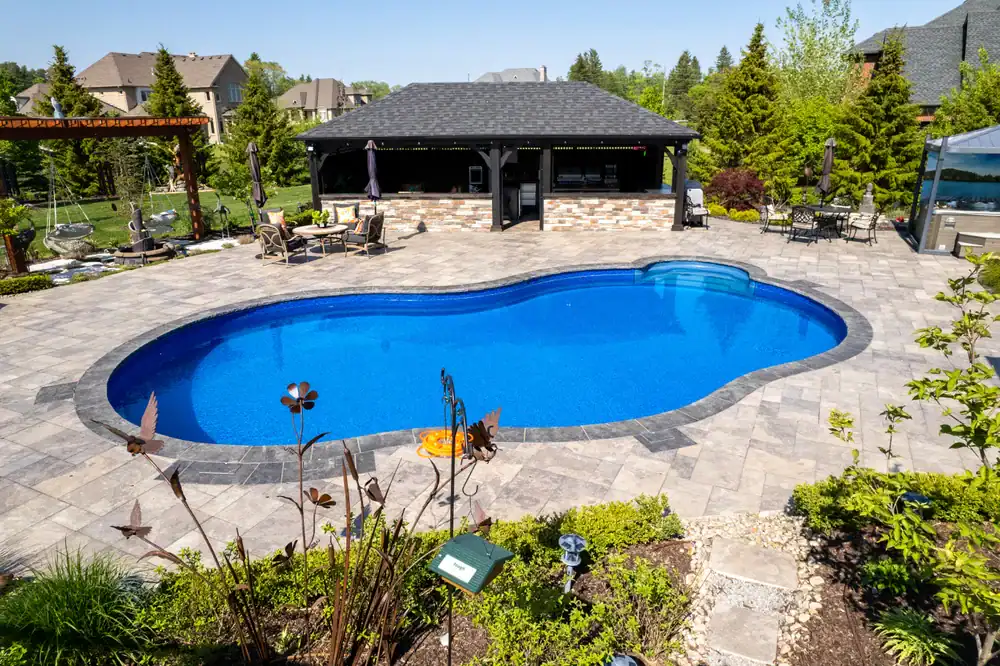
Pool patio pavers offer superior safety through textured surfaces that maintain grip even when wet. Unlike poured concrete that becomes dangerously slick with water, properly selected pavers provide traction whether someone’s walking barefoot after swimming or during Long Island’s frequent summer storms.
The safety advantage comes from both material selection and installation technique. Travertine pavers have naturally porous surfaces that offer excellent traction, while textured concrete pavers can be designed for optimal grip. We also use sealers that protect the surface without creating the slippery conditions that make concrete decks hazardous.
Proper installation ensures water drains away from walking surfaces rather than pooling. This reduces both slip hazards and the conditions that lead to algae growth, which makes any surface more dangerous around pools.
Drainage in Elwood requires understanding the specific soil conditions on your property. Long Island’s soil varies dramatically—sandy conditions near the water, clay soils inland, and everything in between. We test your soil before designing drainage solutions that actually work for your location.
Sandy soils need different approaches than clay. With sandy ground, we focus on proper grading and can often use permeable pavers that allow water to filter naturally. Clay soils require more aggressive drainage systems, including subsurface components that prevent water from accumulating around your pool structure.
Every installation includes pool coping that directs splash water away from the pool toward designated drainage areas. We also ensure proper deck slopes to prevent standing water, which creates both safety hazards and conditions for structural damage over time.
Pool coping installation involves creating the finished edge around your pool that serves multiple critical functions. It prevents water from seeping behind your pool shell, provides a safe transition from deck to pool, and creates the professional appearance that distinguishes quality installations.
The process includes removing existing coping if necessary, preparing the pool edge surface, and installing new coping materials with appropriate adhesives and sealants. Each piece must be level, properly spaced, and sealed to prevent water infiltration that could damage your pool’s structural components.
We also create proper drainage angles so water flows away from the pool rather than collecting along edges. Poor coping installation is one of the leading causes of expensive pool repairs, which is why we take time to complete this step correctly rather than rushing to finish quickly.
Sometimes, but the answer depends on why the cracking occurred and how extensive the damage is. Surface cracks in concrete decks can often be addressed by installing pavers over the existing surface, provided the underlying structure remains sound and stable.
However, if cracking resulted from poor drainage, inadequate base preparation, or soil movement, we need to address those root causes first. Simply covering damaged areas without fixing underlying problems leads to the same issues recurring within a few years, costing you more money and frustration.
We start with a thorough assessment to determine whether your existing deck can serve as a foundation for new pavers or needs complete replacement. This honest evaluation saves money long-term by preventing recurring problems that result from taking shortcuts.
Most pool patio paver installations in Elwood, NY take 7-12 days depending on your deck size, drainage complexity, and weather conditions. The timeline includes proper base preparation, which cannot be rushed without compromising long-term durability.
Weather significantly affects scheduling, especially during Long Island’s unpredictable spring and fall seasons. We won’t install pavers in conditions that prevent proper curing or base compaction, even if it means adjusting timelines to ensure quality results that last.
We provide realistic schedules upfront and keep you informed of any changes due to weather or unexpected conditions discovered during excavation. Our priority is completing your project correctly the first time, even if it requires extra days to handle Long Island’s unique soil and drainage challenges properly.
Properly installed pool patio pavers require minimal maintenance compared to other pool deck options. Regular cleaning with water and mild detergent removes dirt, debris, and algae that can cause staining or create slippery conditions around your pool.
Depending on your material choice, periodic sealing may be recommended to maintain stain resistance and color vibrancy. Natural stone pavers typically benefit from sealing every 2-3 years, while porcelain pavers may never require sealing at all.
The most important maintenance involves keeping drainage areas clear and addressing any settling or shifting immediately. Because we install proper base preparation and drainage systems, these issues are uncommon, but catching small problems early prevents them from becoming expensive repairs later.
Other Services we provide in Elwood