I highly recommend these guys. (Bob/Christian)They came right on time and were extremely neat and professional. They did a great job at a reasonable price.
Tommy Glenn
I have been using Bobby and Sherwood for years. I highly recommend them. They did chimney repair and chimney sweep. Great work, great guys.
Ingrid V.
Highly recommend Ageless chimney. They were polite, professional and got the job done in one day, left my property as clean as they found it. Very happy!
Brian Nolin
Outstanding work, great service, and extremely reliable!!
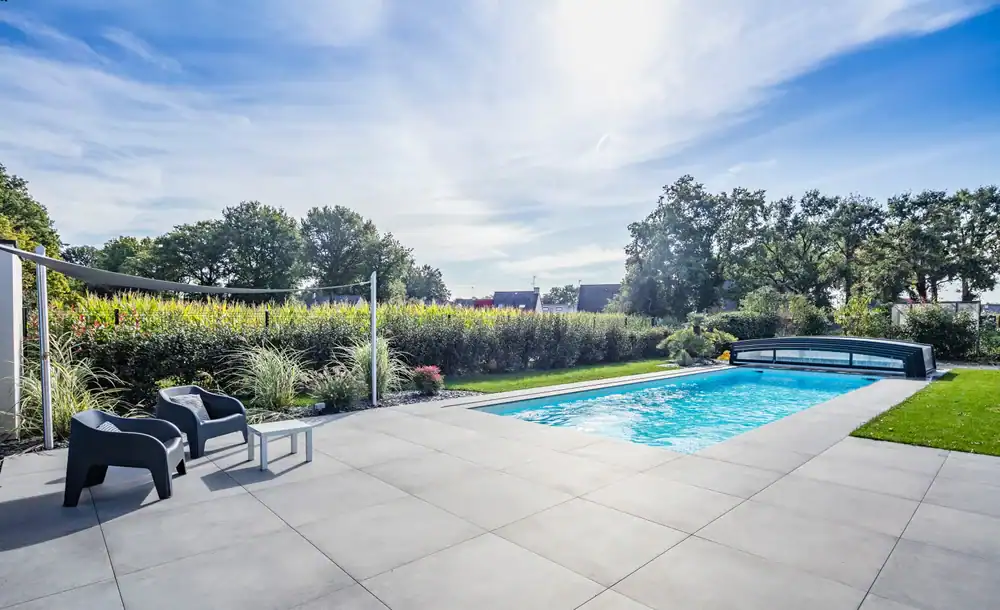
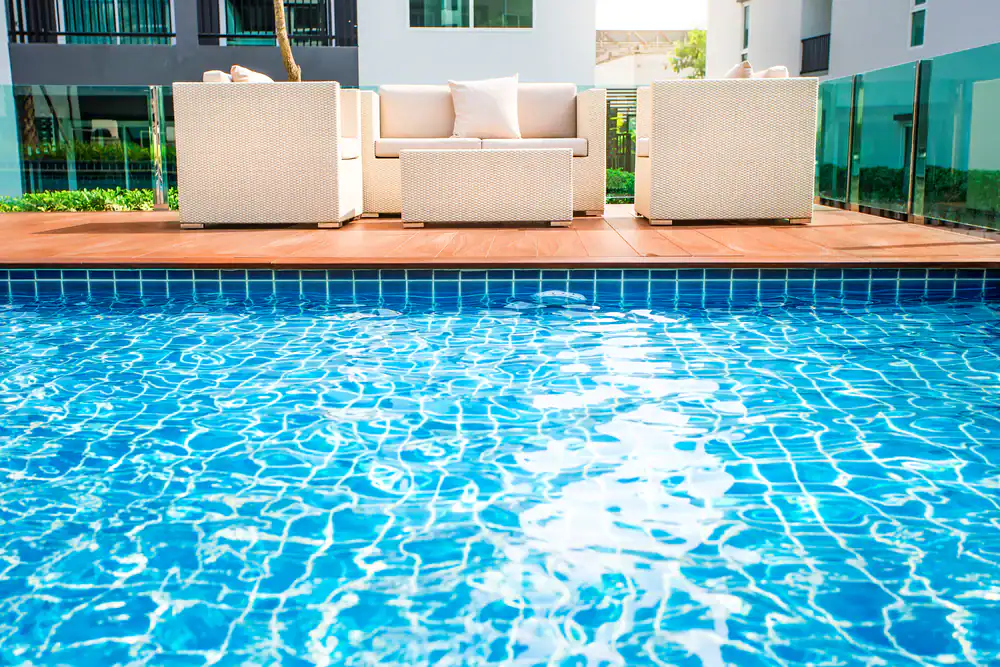
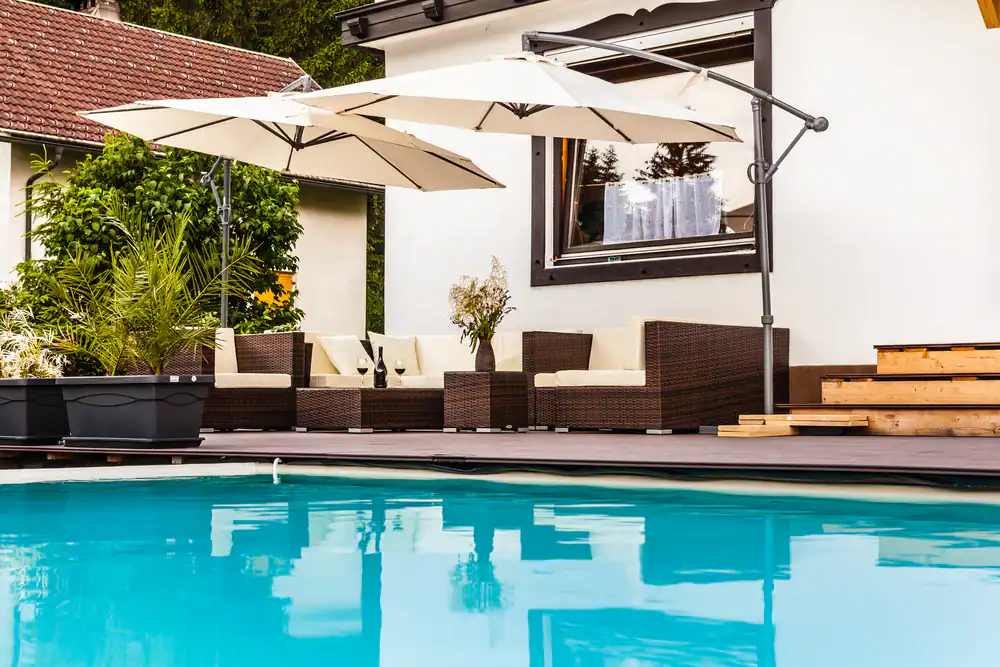
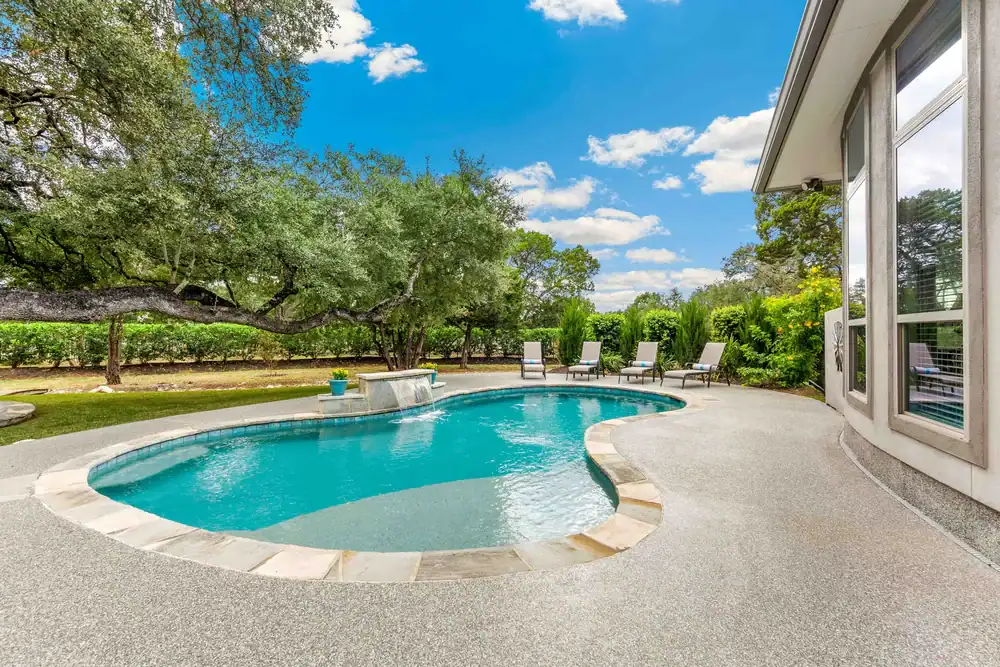
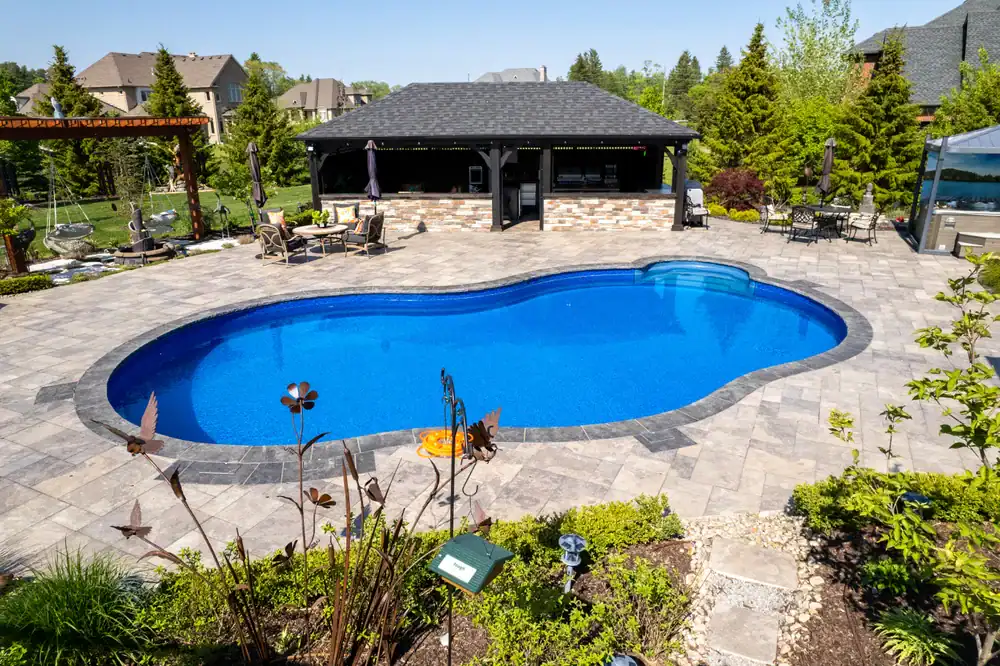
Non-Slip Pool Deck Pavers Greenport West
Your Pool Area Becomes the Safe Haven
You get a pool deck that stays slip-resistant even when soaked. Your family walks confidently from the house to the water without worrying about falls or injuries.
The pavers handle Greenport West’s coastal weather without cracking, shifting, or losing their grip. Water drains properly instead of pooling around your pool, which means no more standing water breeding mosquitoes or creating ice patches in winter.
Your investment pays off because these aren’t the cheap pavers that need replacing in three years. You’re looking at decades of reliable performance with minimal maintenance.
Pool Patio Contractors Greenport West NY
We Know Long Island Pool Challenges
Ageless Chimney has been solving Long Island property challenges for over 15 years. We understand how Greenport West’s coastal environment affects outdoor surfaces.
Sandy soil that shifts. Salt air that corrodes. Freeze-thaw cycles that crack inferior materials. Most contractors learn these lessons the expensive way – on your project.
We’ve already figured out what works here and what doesn’t. You get solutions designed for Long Island conditions, not generic approaches that fail after the first winter.
Pool Paver Installation Process Greenport West
Here's How We Handle Your Project
First, we assess your current pool deck and drainage situation. We check soil conditions, measure the area, and identify any existing problems that need addressing.
Next comes proper base preparation. This isn’t optional – Long Island’s soil conditions require specific techniques to prevent settling and shifting. We excavate to the right depth and install the base materials that actually work in coastal conditions.
Then we install your pavers with precise spacing and proper drainage slopes. Every joint gets filled correctly, and we apply the right sealants for your specific paver type. You get a finished surface that looks great and performs reliably for years.
Your pool patio paver installation includes proper drainage design, non-slip surface treatments, and pool coping that actually seals against water infiltration. We handle the permits and coordinate with local requirements.
Greenport West properties often deal with groundwater issues and sandy soil conditions. We install drainage systems that work with your specific site conditions, not against them. Your pavers stay level and secure even when neighboring properties have settling problems.
The materials we use are selected for Long Island’s climate. That means freeze-thaw resistant pavers, salt-air compatible sealants, and proper joint materials that don’t wash out during heavy rains.
What makes pool pavers slip-resistant when wet in Greenport West?
Slip resistance comes from three factors: textured paver surfaces, proper sealant application, and correct installation techniques. We use pavers with naturally textured surfaces that provide grip even when soaked.
The sealant is crucial – many contractors use the wrong products that actually make surfaces more slippery. We apply non-slip sealants specifically designed for pool areas that enhance traction without creating a slick film.
Installation matters too. Proper drainage prevents water from pooling on the surface, and correct joint spacing allows water to flow through rather than sitting on top of the pavers.
How do you handle Greenport West's sandy soil for pool deck installation?
Sandy soil requires different techniques than the clay conditions found inland on Long Island. We start with proper excavation depth – usually deeper than standard installations to reach stable soil layers.
The base preparation includes compacted aggregate layers and edge restraints that prevent lateral movement. Sandy soil shifts easily, so we use mechanical compaction equipment and specific aggregate gradations that lock together properly.
Drainage is critical in sandy conditions because water moves differently than in clay soil. We install subsurface drainage where needed and design surface slopes that direct water away from the pool structure without causing erosion.
What's included in pool coping installation for Long Island pools?
Pool coping installation includes removing old coping materials, preparing the pool edge surface, and installing new coping with proper sealing and drainage. We handle both the structural and aesthetic aspects.
The preparation involves cleaning and sometimes repairing the concrete pool edge to ensure proper adhesion. We use construction adhesives and mortar beds appropriate for your specific pool type and local conditions.
Drainage design is part of every coping installation. We create proper slopes and install weep holes or drainage channels where needed. This prevents water from getting behind the pool shell and causing structural problems later.
How long do pool patio pavers last in coastal Long Island conditions?
Quality pavers properly installed should last 20-30 years in Greenport West’s coastal environment. The key factors are material selection, proper installation, and appropriate maintenance.
We use pavers rated for freeze-thaw cycles and salt air exposure. Cheaper materials might look similar initially but break down quickly when exposed to Long Island’s weather extremes.
Proper installation prevents most premature failures. Issues like settling, cracking, and joint failure usually result from inadequate base preparation or wrong installation techniques. When done correctly, your biggest maintenance requirement is occasional cleaning and joint sand replenishment.
Can you replace cracked pool decks without redoing the entire area?
It depends on why the cracking occurred and how extensive the damage is. Surface cracks from normal settling can often be repaired, but structural issues usually require more comprehensive solutions.
We start by identifying the cause – poor drainage, inadequate base preparation, or normal aging. If the underlying structure is sound, we can replace damaged sections and address the root cause to prevent future problems.
However, if multiple areas are failing or the base has significant issues, partial repairs often just delay the inevitable. We’ll give you an honest assessment of whether repair makes sense or if replacement is the better long-term investment.
What permits are required for pool patio paver installation in Greenport West?
Most pool patio paver installations don’t require permits unless you’re changing drainage patterns or doing extensive excavation. However, Greenport West has specific requirements for work near water features and coastal areas.
We handle permit research and applications when needed. This includes checking setback requirements, drainage regulations, and any environmental restrictions that might apply to your property.
Pool coping replacement sometimes requires permits depending on the scope of work and whether structural modifications are involved. We coordinate with local building departments to ensure compliance with all current codes and regulations.