Dampness near your fireplace or stains on the brick? These signals chimney water entry, a structural threat.
Share:
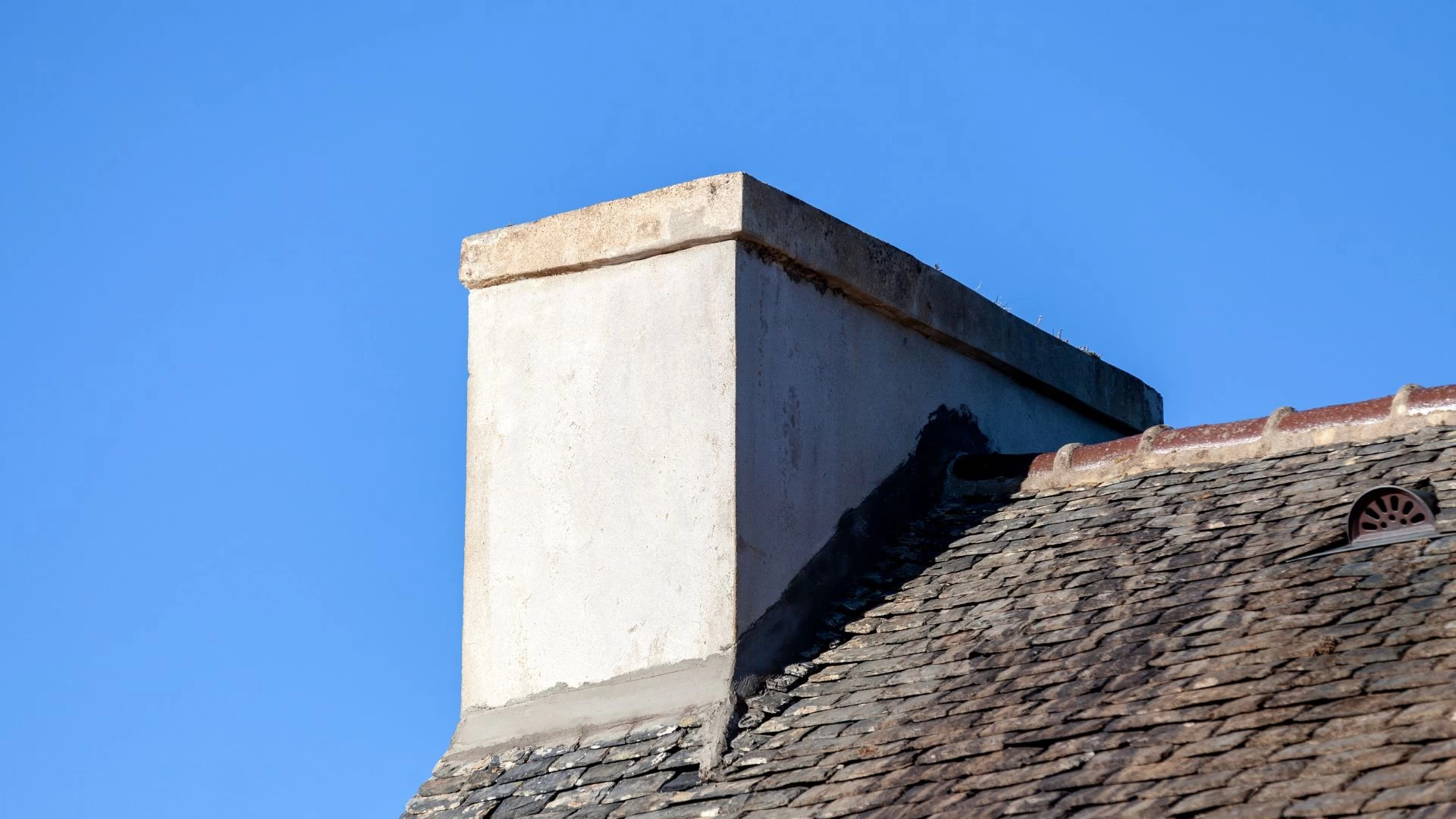
Neglecting chimney water ingress can trigger costly damage. Water weakens bricks and mortar, potentially leading to chimney settling or collapse. Inside, leaks stain walls and ceilings, ruining finishes. Wood framing and attic components can rot. Metal parts corrode, and heating systems may suffer. Beyond property damage, dampness fosters mold, causing health issues. A compromised flue liner increases fire and carbon monoxide risks. Musty odors also signal trapped moisture. Addressing leaks promptly is essential.
Early leak detection prevents extensive damage but can be tricky. Leaks often start subtly. Water can travel, appearing far from the chimney, misleading homeowners to suspect roof or plumbing troubles. Therefore, observe inside and outside your Long Island residence for clues.
Early leak detection prevents extensive damage but can be tricky. Leaks often start subtly. Water can travel, appearing far from the chimney, misleading homeowners to suspect roof or plumbing troubles. Therefore, observe inside and outside your Long Island residence for clues.
Watch for damp spots or discoloration near the fireplace in your Long Island home. Note any water pooling in or around the firebox. Rust on metal parts indicates prolonged moisture. Mold or mildew suggests persistent water intrusion. Decayed firebox materials or debris inside the fireplace are also warning signs. Be aware of musty smells from the fireplace, especially after rain. These varied signs, even faint ones, are your first step in tackling chimney water entry. Consider the chimney as a potential source for any unexplained indoor dampness.
Chimney leaks usually arise from failures in components designed to block water. These serve as a defense; breakdown often occurs at material joints or due to material decay. Neglect allows minor issues to escalate. For instance, a missing or damaged cap permits direct rain entry. Cracked crowns or worn chase covers fail to divert water. Damaged or improperly installed flashing allows water to infiltrate the space between the chimney and the roof. Porous masonry absorbs water, which is exacerbated by cracked mortar. Even a damaged flue liner can worsen problems. Understanding these causes aids in proper maintenance remediation.
If you see water entry through the chimney in your Long Island home, you must promptly chimney leak repair it. First, identify the source of the water, which often requires a professional assessment. Repairs depend on the affected area. For caps, replacing them with a rust-resistant option is typically the best choice. Small crown cracks can be sealed, while severe damage necessitates rebuilding. Decayed chase covers should be replaced. Faulty flashing generally requires complete replacement. Masonry problems need repointing or brick replacement, followed by applying a water repellent. Damaged flue liners may require joint repair, resurfacing, or more attention to relining.
Article details:
Share:
Continue learning: