Curious what happens when you hire pros for your chimney in Long Island? Here’s a breakdown.
Share:
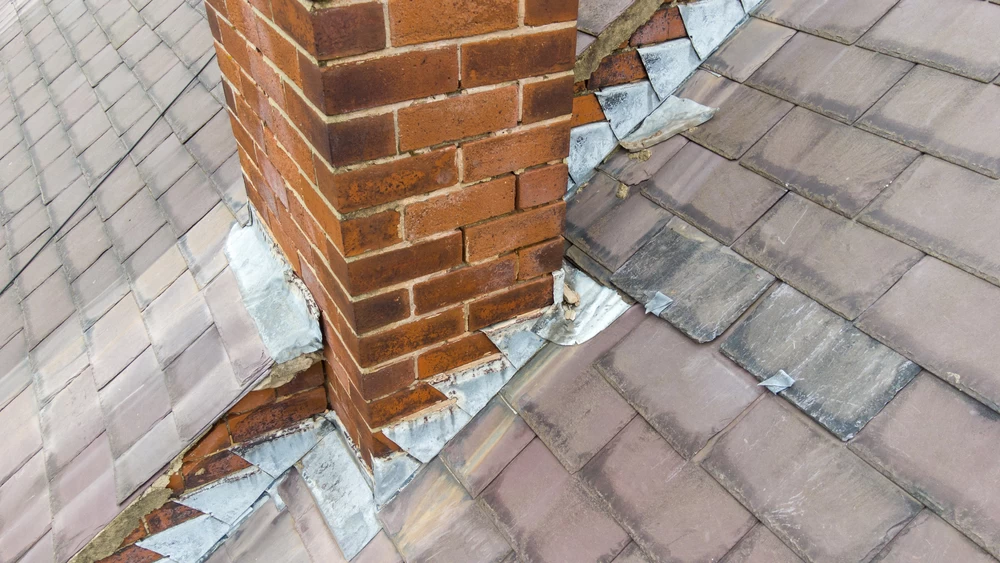
The journey often begins with a thorough chimney inspection. Before any repair work or a new chimney system installation is planned, we conduct a detailed evaluation of your existing structure. This allows us to pinpoint the exact nature of any damage or to understand the requirements for a new installation. For chimney repair, this inspection might involve checking for chimney crack repair needs, assessing the condition of the chimney flue repair areas, or identifying issues requiring chimney restoration. This beginner step helps formulate the plan ahead.
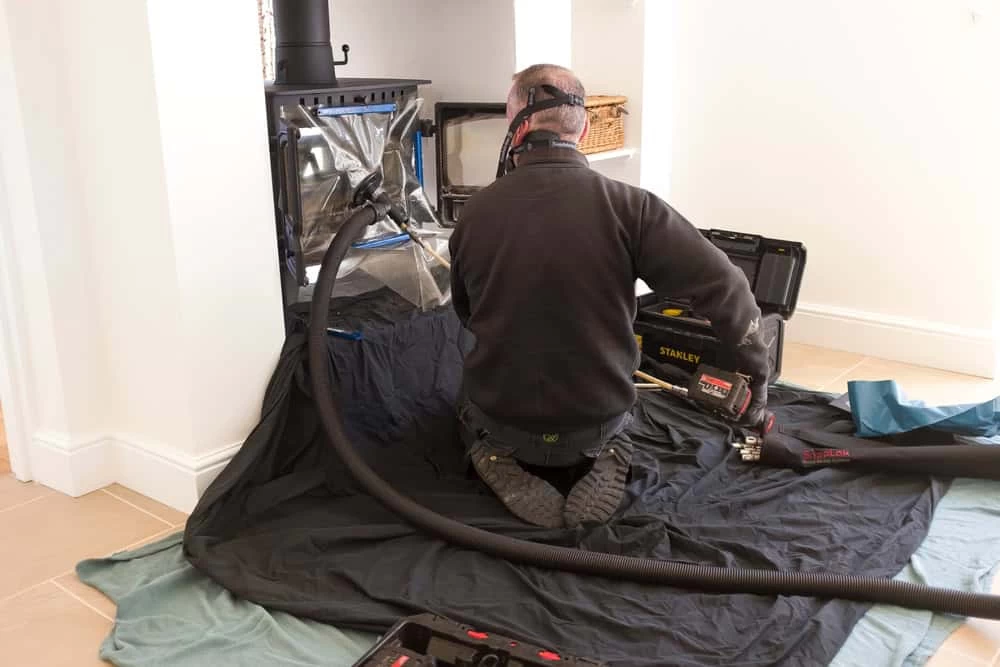
Once the scope of work is determined, preparation is key. Chimney repair might involve setting up scaffolding or accessing the affected areas. A chimney system installation would include making sure the site is ready for construction. As you can tell, safety is our priority throughout the process. We take precautions to protect your property and confirm the well-being of everyone involved, meaning that an analysis of the safety gear is always followed along with established protocols.
Once the scope of work is determined, preparation is key. Chimney repair might involve setting up scaffolding or accessing the affected areas. A chimney system installation would include making sure the site is ready for construction. As you can tell, safety is our priority throughout the process. We take precautions to protect your property and confirm the well-being of everyone involved, meaning that an analysis of the safety gear is always followed along with established protocols.
A new chimney system installation involves several stages. First, the location and specifications of the new chimney are determined based on your heating appliance and local building codes in Long Island. The next step is constructing the chimney structure, which may require masonry work for a traditional chimney or installing a prefabricated system. Flue lining is undoubtedly the most important part of any new installation, as it is responsible for system venting.
If your existing chimney requires a new liner, the chimney liner installation process involves carefully inserting a new liner, often made of stainless steel, into the existing flue. This step is vital when the original liner is damaged or unsuitable for a new appliance. The liner is then properly connected to the appliance and sealed at both ends. This process helps confirm the needed drafting and protects the chimney structure from corrosive byproducts of combustion. Different types of liners may be used depending on the appliance and your chimney’s needs.
Thorough cleanup is essential upon completing chimney repair or system installation. We guarantee that the work area is left tidy and free of debris. Upon completion of the work, we will also provide you with guidance on proper chimney maintenance. Such advice may include recommendations for regular chimney cleaning and scheduling periodic chimney inspections for your chimney’s longevity and safety.
Understanding what to expect during a professional chimney repair or installation process can let things be done more freely. From the initial chimney inspection to the final cleanup and guidance on chimney maintenance, we aim to make the process as smooth and transparent as possible for homeowners in Long Island. If you require chimney restoration, a chimney rebuild, or a new chimney liner installation, knowing the steps involved helps you stay informed. If you have one that needs work, contact us to discuss it.
Article details:
Share:
Continue learning: