Do you need chimney cleaning or an inspection on Long Island? We clarify the distinctions.
Share:
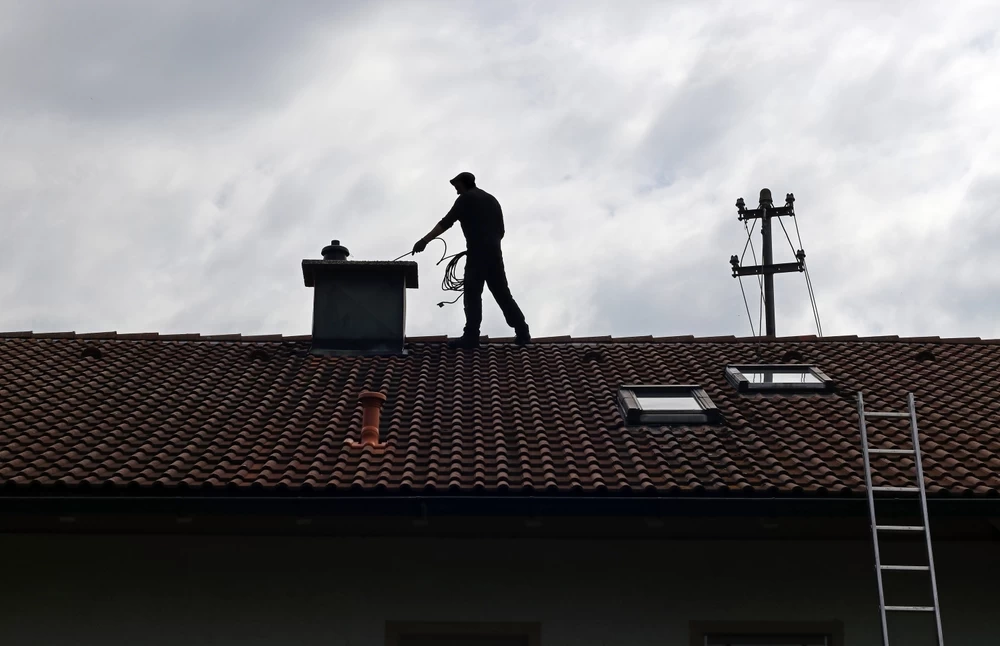
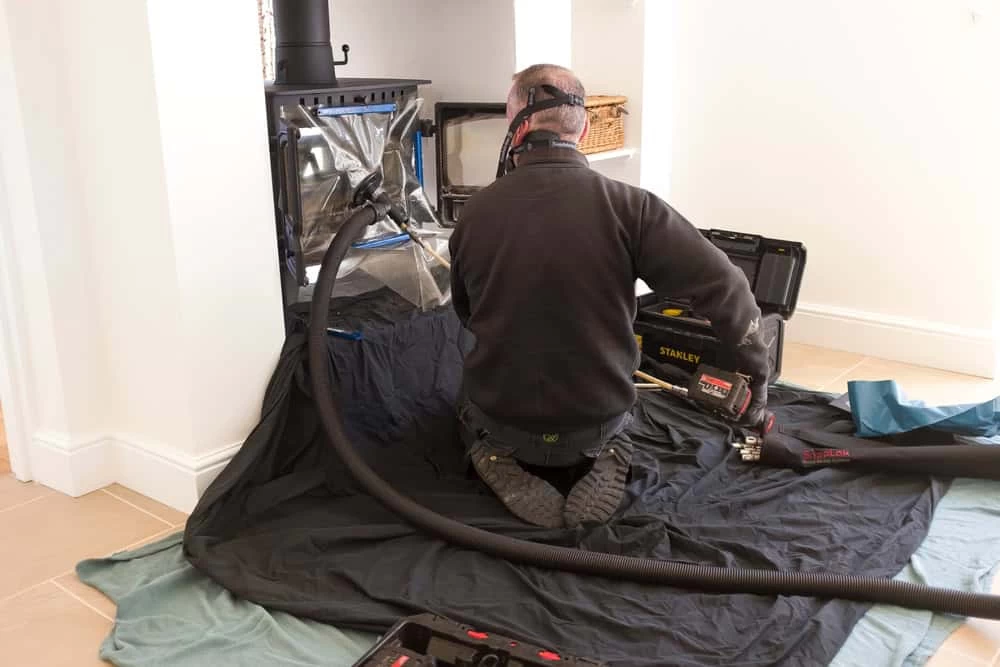
A chimney cleaning primarily involves the removal of soot, creosote, and debris from your chimney flue. Creosote is a highly flammable substance that builds up as a byproduct of burning wood. Its accumulation increases the risk of chimney fires. Animals and their nests can also create blockages, leading to dangerous carbon monoxide buildup inside your home. A thorough chimney flue cleaning eliminates these hazards, allowing for proper ventilation and reducing potential dangers. Think of it as vital to maintaining your fireplace’s basic functionality and safety.
Typically, chimney flue cleaning involves using specialized brushes and tools to scrub the interior walls of the chimney. We carefully work from the firebox to the chimney crown, dislodging buildup. The dislodged materials are then contained and removed from your property. Depending on the extent of the buildup, various techniques and brush types may be employed to accomplish a complete cleaning.
Typically, chimney flue cleaning involves using specialized brushes and tools to scrub the interior walls of the chimney. We carefully work from the firebox to the chimney crown, dislodging buildup. The dislodged materials are then contained and removed from your property. Depending on the extent of the buildup, various techniques and brush types may be employed to accomplish a complete cleaning.
A chimney inspection is a more in-depth evaluation of the chimney system. It proceeds with debris removal and visually examines all accessible components, including the interior and exterior. The purpose of an inspection is to identify any damage, deterioration, or potential hazards that could impact the safety and functionality of your chimney. We look for issues like cracks in the masonry, damaged flue liners, problems with the chimney crown, and signs of water leaks.
Chimney inspection levels exist. A Level 1 inspection is a basic visual check, often performed during a cleaning. A Level 2 inspection is more thorough and is typically required when the system has changed, such as a new appliance installation, or if a hazard is suspected. This level may involve accessing attic and crawl spaces and using video scanning equipment to examine the flue interior.
A Level 3 inspection is the most detailed and may involve dismantling parts of the chimney to investigate suspected problems. For instance, during a Level 2 inspection, we might use a closed-circuit video camera to examine the condition of the terracotta flue tiles for cracks or gaps, confirming the structure of the venting system is intact. We also check the mortar joints of the firebox using a poker to identify any loose or missing material. For exterior components, we assess the brickwork for spalling caused by water penetration and examine the cement crown for cracks that could allow moisture intrusion.
Chimney leaks can cause significant damage to your home. An inspection can pinpoint the source of a leak, such as a cracked chimney crown, damaged flashing (the metal sheeting where the chimney meets the roof), or deteriorated masonry. Promptly addressing chimney leak repair is important to prevent further structural problems and mold growth.
A chimney cleaning removes combustible deposits and obstructions, while a chimney inspection visualizes the system’s condition and safety. Both maintain a functional chimney, particularly for homeowners in Long Island who rely on their fireplaces during the cold. Regular cleaning prevents fire hazards and issues with proper drafting, while inspections help identify and address potential problems, such as the need for chimney restoration or chimney leak repair. So, if you have smoke issues, contact us today to schedule your cleaning or inspection.
Article details:
Share:
Continue learning: