Discover how proper chimney drafting protects your Long Island family from dangerous carbon monoxide and keeps smoke out of your living spaces.
Share:
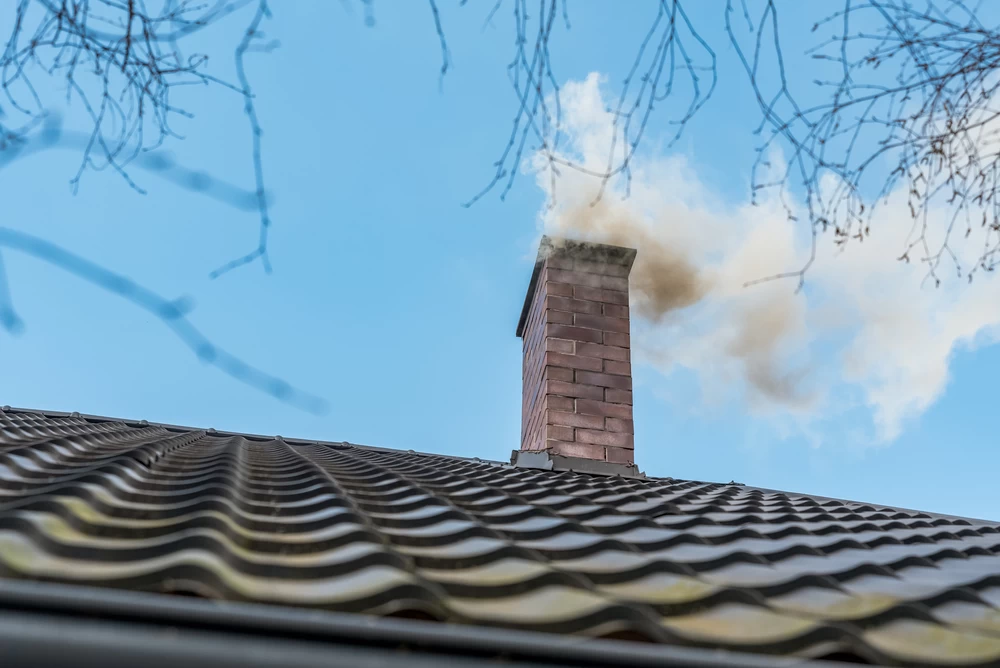
Chimney drafting relies on a simple principle that creates a powerful safety system. Hot gases from your fireplace naturally want to rise because they’re lighter than the cooler air outside your home. This creates an upward pull – called draft – that draws smoke, carbon monoxide, and other combustion gases up through your chimney and safely outside.
The process depends on several factors working together. Your chimney height, the temperature difference between inside and outside air, and the condition of your flue all affect how well this natural ventilation system performs. When everything works correctly, you get a clean-burning fire with all the dangerous gases venting safely outside.
But when something disrupts this system, those same gases that should be exiting through your roof start backing up into your living space instead.
Several factors determine whether your chimney creates the strong, consistent draft needed for safe operation. Chimney height plays a major role – taller chimneys generally create better draft because there’s more vertical space for the rising hot gases to build momentum. Most building codes require chimneys to extend at least two feet above the highest point of your roof within ten feet for this reason.
The size and shape of your flue matter too. A flue that’s too large for your fireplace won’t maintain the velocity needed for good draft. Think of it like trying to drink a thick milkshake through a straw that’s too wide – there’s not enough suction. Conversely, a flue that’s too small creates restriction and turbulence that can cause downdrafts.
Temperature difference drives the whole system. The greater the difference between the hot gases in your chimney and the cool outside air, the stronger your draft becomes. This is why fireplaces often work better on cold days than mild ones, and why you might notice draft problems during shoulder seasons when outdoor temperatures are closer to indoor temperatures.
Obstructions anywhere in the system kill draft performance. Bird nests, debris, damaged flue liners, or even excessive creosote buildup can disrupt the smooth flow of gases up your chimney. What starts as a minor obstruction often gets worse over time, gradually reducing your chimney’s ability to vent properly until you start noticing smoke problems or concerning odors.
Recognizing draft problems early protects your family and prevents minor issues from becoming dangerous situations. The most obvious sign is smoke entering your room when you’re using your fireplace. This might start as occasional puffing during windy conditions but can progress to consistent smoke problems that make your fireplace unusable.
Strange odors provide another important warning sign, especially during humid summer months. When your chimney isn’t drafting properly, moisture gets trapped inside along with creosote and other residues from previous fires. This creates musty, acrid smells that can permeate your home. These odors often intensify during rainy weather or when your air conditioning is running, as the pressure changes in your home can actually reverse the draft and pull these odors downward.
White staining on your chimney’s exterior, called efflorescence, indicates moisture problems that often accompany draft issues. When water enters your chimney system, it can damage the flue liner and create conditions that disrupt proper venting. You might also notice rust on your damper or firebox, which signals moisture intrusion that compromises your chimney’s ability to function safely.
Pay attention to how your fires burn too. Fires that are hard to start, burn poorly, or seem to lack the vigorous flame you expect often indicate draft problems. A properly drafting chimney creates the airflow needed for complete combustion. When draft is weak, fires burn inefficiently and produce more of the dangerous gases you definitely don’t want backing up into your home.
Poor chimney drafting creates two primary dangers that every homeowner needs to understand. Carbon monoxide poisoning represents the most serious threat because this colorless, odorless gas can be lethal even in small concentrations. When your chimney doesn’t draft properly, carbon monoxide that should exit safely through your roof instead backs up into your living space.
The second major risk is house fires from improper venting. Inadequate draft allows heat and sparks to linger in areas where they shouldn’t, potentially igniting nearby combustible materials. Poor draft also contributes to creosote buildup, which creates highly flammable deposits throughout your chimney system.
Carbon monoxide poisoning sends thousands of Americans to emergency rooms every year, and faulty chimney systems cause a significant portion of these incidents. What makes carbon monoxide particularly dangerous is that you can’t detect it without proper equipment – it has no smell, color, or taste to warn you of its presence.
Even low levels of carbon monoxide exposure cause symptoms that many people mistake for common illnesses. Headaches, dizziness, nausea, and fatigue are often the first signs, but these symptoms are easy to attribute to stress, lack of sleep, or seasonal bugs. As exposure continues or concentrations increase, symptoms progress to confusion, chest pain, and loss of consciousness.
Long Island’s weather patterns can make carbon monoxide problems worse during certain conditions. When high pressure systems move through the area, they can create atmospheric conditions that actually push down on your chimney, preventing proper draft and forcing gases back into your home. This is why some homeowners notice problems only during specific weather patterns – their chimney works adequately under normal conditions but fails when atmospheric pressure changes.
The tragedy is that most carbon monoxide incidents are completely preventable with proper chimney maintenance and functioning draft systems. Your chimney is designed to handle these dangerous gases safely, but only when all components are working correctly. Regular inspections catch the problems that lead to carbon monoxide intrusion before they put your family at risk.
When your chimney doesn’t draft properly, it creates conditions that significantly increase fire risk throughout your home. Poor draft means incomplete combustion in your fireplace, which produces more sparks and unburned particles that can ignite creosote deposits in your flue. These chimney fires burn extremely hot – often over 2000 degrees – and can quickly spread to your home’s structure.
Creosote buildup accelerates when draft is inadequate because the gases don’t exit your chimney efficiently. Instead, they cool and condense on your flue walls, creating thick, tar-like deposits that are highly flammable. Each time you use your fireplace with poor draft, you’re adding more fuel for a potential chimney fire.
Draft problems also affect how heat disperses around your fireplace and chimney system. When hot gases can’t exit properly, they create excessive heat in areas not designed to handle those temperatures. This can ignite framing members, insulation, or other combustible materials near your chimney. Many house fires start this way, often in wall cavities or attic spaces where the fire can spread undetected until it’s too late.
Long Island’s older homes face particular risks because many were built before current fire safety codes. If your home was constructed before modern clearance requirements, poor chimney draft can create dangerous conditions in areas that already have minimal safety margins. We can identify these risks and recommend solutions that bring your system up to current safety standards.
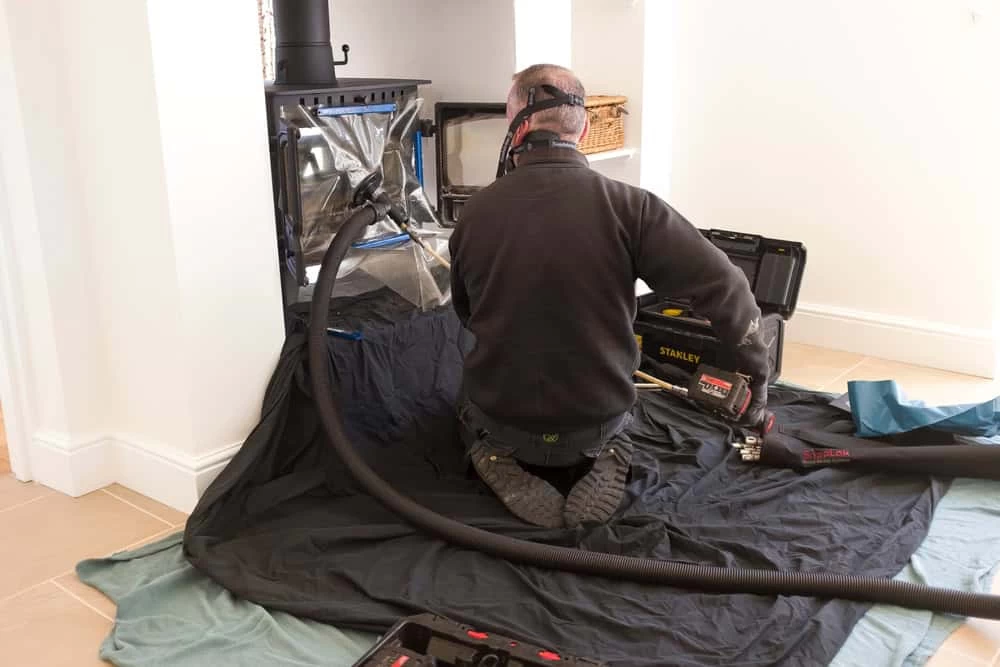
Your chimney’s drafting system is too important to ignore or handle with guesswork. Professional chimney inspection and maintenance ensures your system creates the strong, consistent draft needed to keep dangerous gases flowing safely out of your home rather than into your living spaces.
Regular professional service catches draft problems before they become safety hazards. A qualified chimney company can assess your system’s performance, identify issues affecting draft, and recommend solutions that restore safe operation.
When you’re ready to ensure your family’s safety with proper chimney care, we at Ageless Chimney provide the expertise Long Island homeowners trust for reliable chimney services that put safety first.
Article details:
Share:
Continue learning: