I highly recommend these guys. (Bob/Christian)They came right on time and were extremely neat and professional. They did a great job at a reasonable price.
Tommy Glenn
I have been using Bobby and Sherwood for years. I highly recommend them. They did chimney repair and chimney sweep. Great work, great guys.
Ingrid V.
Highly recommend Ageless chimney. They were polite, professional and got the job done in one day, left my property as clean as they found it. Very happy!
Brian Nolin
Outstanding work, great service, and extremely reliable!!
Non-Slip Pool Deck Pavers Northville
Walk Confidently Around Your Pool
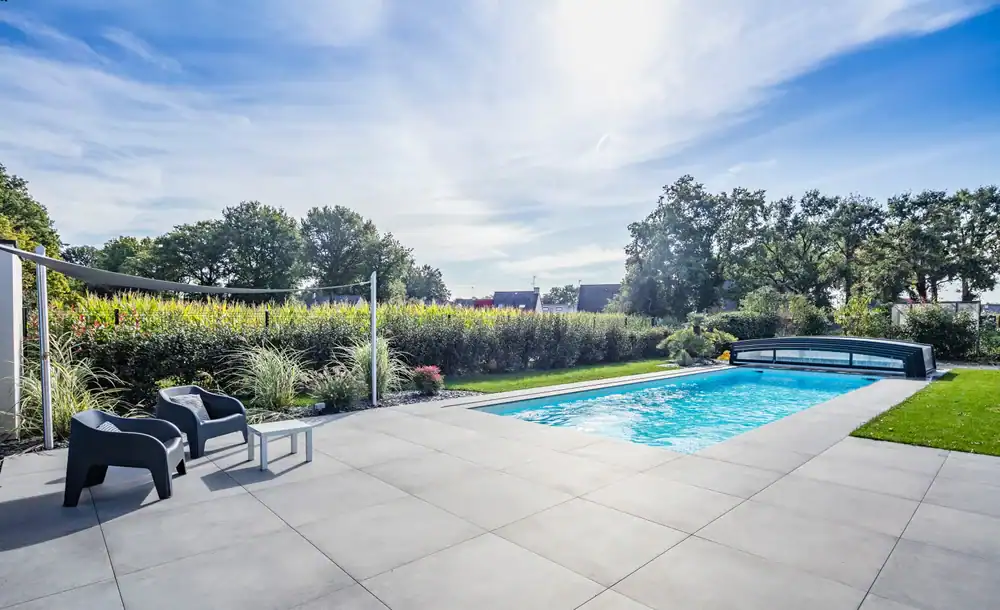
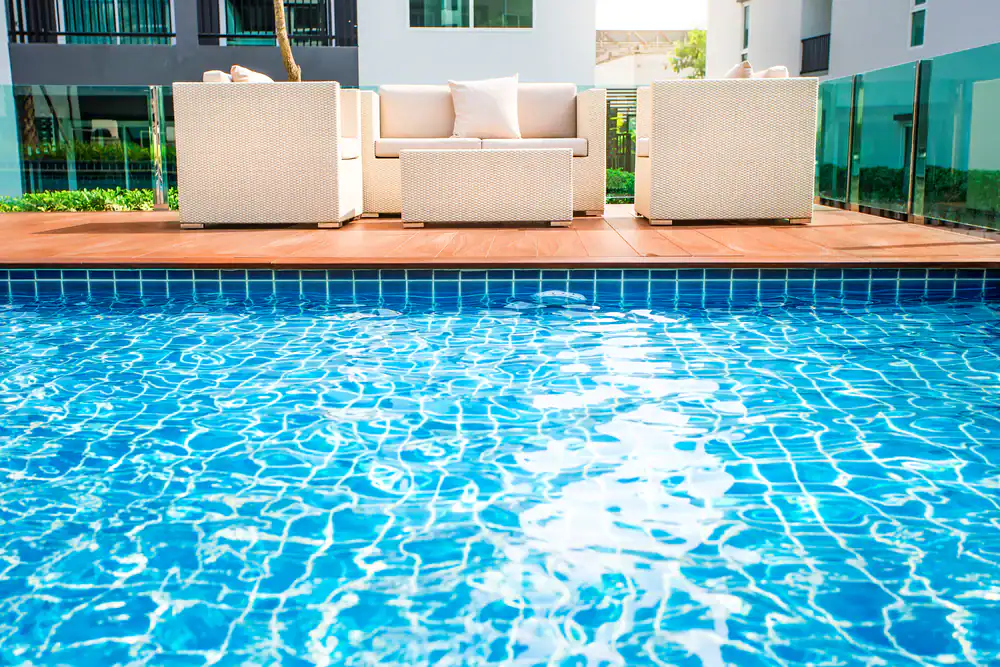
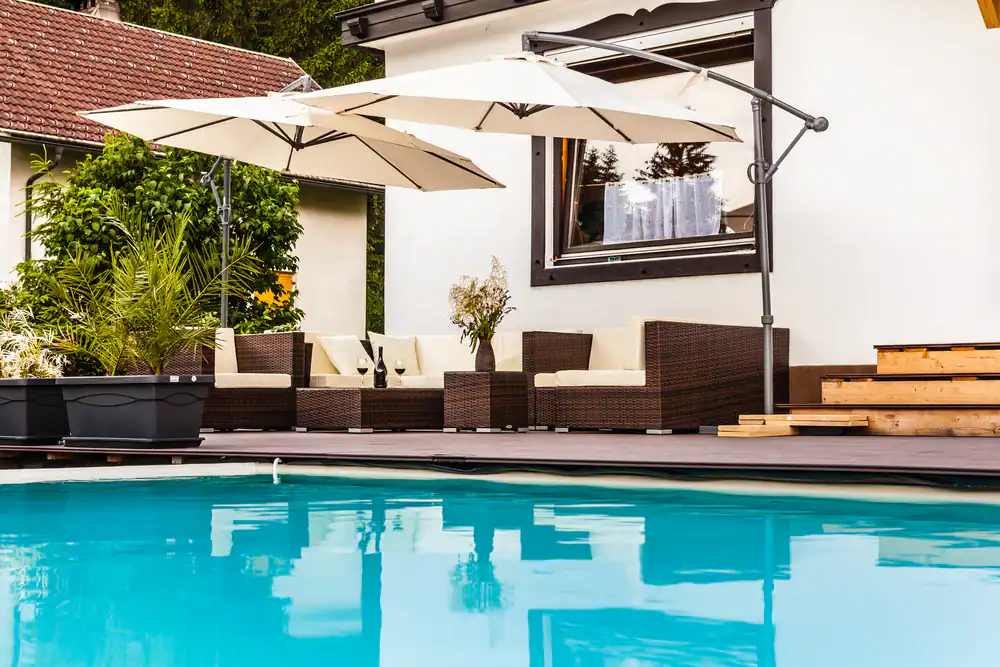
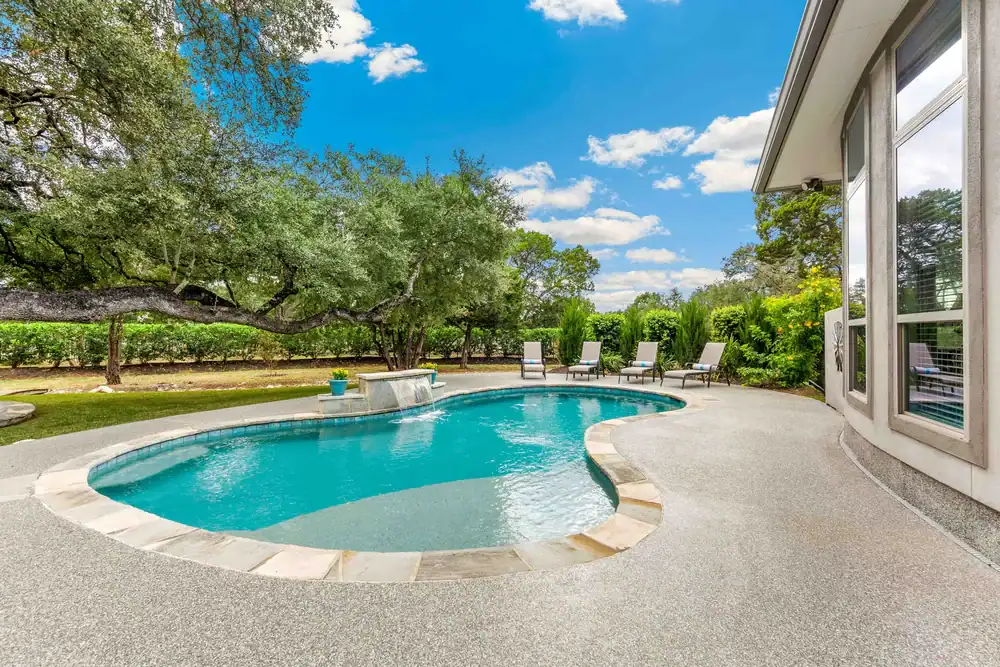
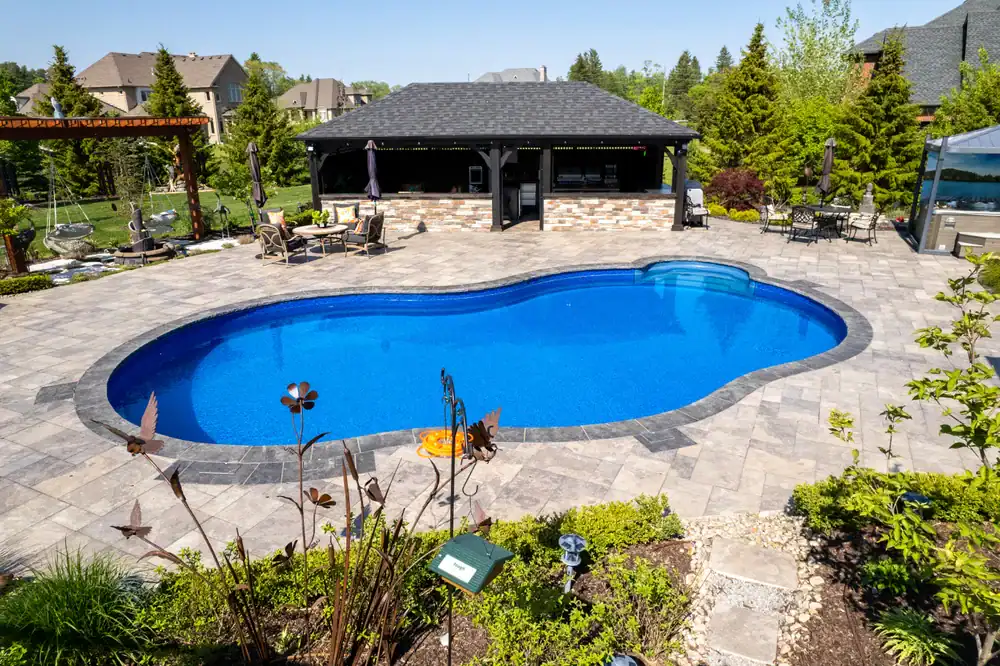
Your pool area should be where memories are made, not where accidents happen. When you choose the right pool patio pavers in Northville, NY, you’re investing in safety that doesn’t compromise on style.
Wet feet on smooth surfaces create dangerous situations. Our non-slip pool pavers give you the traction you need, even when water is splashing everywhere. The textured surfaces we install provide grip without being rough on bare feet.
Proper drainage prevents water from pooling where people walk. This means fewer slippery spots and a deck that dries faster after swimming or rain.
Pool Paver Installation Northville NY
Northville's Pool Deck Specialists
We at Ageless Chimney have been serving Northville homeowners who want pool areas that combine safety with lasting beauty. We understand Long Island’s climate challenges – from freeze-thaw cycles to heavy summer use.
Your pool deck faces unique stresses. Constant moisture, chemical exposure, and temperature changes demand materials and installation techniques that many contractors overlook. We don’t cut corners on the foundation work that prevents shifting, cracking, or drainage problems down the road.
Northville families trust us because we take the time to do it right the first time. No callbacks for settling pavers or water pooling issues.
Pool Deck Paver Process Northville
From Cracked Concrete to Safe Paradise
We start by evaluating your current pool deck situation. Whether you’re dealing with cracked concrete, uneven surfaces, or just want to upgrade to something safer, we assess drainage patterns and identify potential problem areas.
Next comes proper base preparation. This isn’t the glamorous part, but it’s what separates a deck that lasts decades from one that starts shifting within a few years. We excavate, grade for proper water flow, and compact the foundation to prevent future settling.
Paver installation follows precise spacing and leveling standards. Each stone is positioned to maintain consistent gaps for drainage while creating a stable walking surface. We finish with joint filling that locks everything in place and prevents weed growth between pavers.
Our pool patio paver services in Northville, NY include everything you need for a complete transformation. We handle pool coping installation, which creates the finished edge where your deck meets the pool. This isn’t just aesthetic – proper coping prevents water from seeping behind pool walls.
Drainage is critical in Long Island’s climate. We design slope patterns that move water away from your pool and foundation. Permeable pavers allow rainwater to filter through rather than creating runoff that can cause erosion or flooding issues common in Northville’s soil conditions.
Material selection matters for Long Island weather. We work with travertine that stays cool underfoot, porcelain that resists staining and fading, and textured concrete that provides grip without looking industrial. Each option handles freeze-thaw cycles and chemical exposure differently.
What makes pool pavers safer than concrete around water?
Textured pool pavers provide significantly better traction when wet compared to smooth concrete surfaces. The natural texture of materials like travertine or the engineered surface of slip-resistant porcelain creates grip that prevents slips even when water is present.
Concrete becomes dangerously slick when wet, especially around pools where splashing is constant. Pool pavers are specifically designed with surface textures that maintain traction. The individual stones also allow for better drainage between joints, so water doesn’t pool in walking areas like it does on solid concrete slabs.
How long do pool patio pavers last in Northville's climate?
Quality pool pavers properly installed can last 20-30 years or more in Long Island’s climate. The key is choosing materials that handle freeze-thaw cycles and proper installation with adequate base preparation.
Natural stone options like travertine and granite are particularly durable because they’re not manufactured products that can delaminate or crack under temperature stress. Porcelain pavers also perform well because they’re fired at high temperatures, making them resistant to weather damage. The individual paver system allows for slight movement without cracking, unlike concrete slabs that develop stress cracks over time.
Can you install pavers over existing concrete pool decks?
Yes, in many cases we can install pavers over existing concrete if the base is structurally sound and properly graded for drainage. This approach can save significant cost versus complete concrete removal.
The existing concrete must be evaluated for cracks, settling, or drainage issues first. If these problems exist, they need to be addressed before paver installation. When the concrete base is solid, we can install pavers directly over it using appropriate bedding materials. This method is faster and more cost-effective while still providing all the safety and aesthetic benefits of a new paver pool deck.
What's the difference between pool coping and regular pavers?
Pool coping is the cap or edge treatment that sits directly on top of the pool wall, while pool deck pavers cover the surrounding area. Coping needs to handle direct water contact and provide a finished edge between the pool and deck.
Coping stones are typically thicker and often have rounded or beveled edges for safety and water management. They’re designed to direct water back into the pool rather than behind the pool wall where it could cause structural problems. Regular pool deck pavers focus on providing a safe walking surface with proper drainage away from the pool area. Both work together to create a complete, functional pool surround.
How do you prevent water damage and drainage issues?
Proper drainage starts with correct grading during installation. We slope the deck away from the pool and your home’s foundation to direct water to appropriate drainage areas. The spacing between pavers also allows water to filter through rather than running off in sheets.
We use polymeric sand in the joints that allows water penetration while preventing erosion of the base materials. For areas with heavy drainage challenges, we can install permeable pavers that allow water to soak through the surface directly. The key is designing the system to work with Northville’s soil conditions and typical rainfall patterns rather than fighting against them.
Do pool pavers require regular maintenance and sealing?
Pool pavers require minimal maintenance compared to other pool deck options, but some periodic care extends their life and appearance. Most natural stone pavers benefit from sealing every 3-5 years to prevent staining and make cleaning easier.
Regular maintenance involves basic cleaning to remove debris and occasional re-sanding of joints if settling occurs. Porcelain pavers require the least maintenance since they’re naturally stain-resistant and don’t need sealing. The individual paver system makes repairs easy – if one stone gets damaged, we can replace just that piece without affecting the surrounding area, unlike concrete where cracks often require large section repairs.