

You’re not looking for the cheapest option. You want a driveway that enhances your home’s curb appeal without requiring constant repairs or replacement in five years.
That means proper drainage so water doesn’t pool and crack the surface. It means materials selected for Long Island’s climate, not just what’s on sale. It means installation done right the first time, with attention to base preparation and grading that most contractors skip.
When your driveway is done correctly, you stop worrying about it. No more water damage eating away at the edges. No more embarrassing cracks when guests pull up. Just a clean, functional surface that does its job for decades, not years.
We’ve been serving Great Neck homeowners for years, and we’ve seen what happens when driveways aren’t built for this area. The freeze-thaw cycles that crack concrete by February. The drainage issues that turn driveways into small ponds after heavy rain.
We’re a local, family-owned company that treats your property like our own. Our technicians understand Nassau County soil conditions, coastal weather patterns, and the specific challenges Great Neck properties face.
You’re not getting a crew that learned their trade in Florida and thinks all driveways are the same. You’re getting people who know exactly what works here and what doesn’t.
First, we assess your property’s drainage, soil conditions, and how you use the space. This determines material selection and whether you need concrete, asphalt, or pavers. We’re not pushing one option because we have extra inventory.
Next, we handle proper base preparation. This is where most problems start, so we excavate to the right depth, compact the base material correctly, and ensure proper grading for water runoff. Skipping these steps saves time but costs you thousands later.
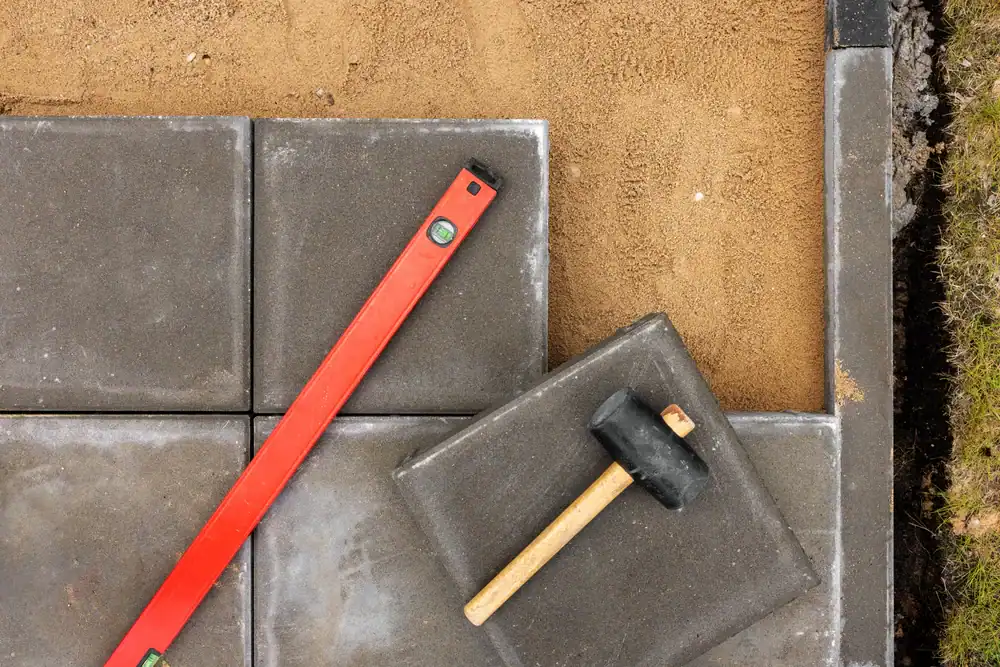
Then we install your chosen material using techniques that account for Long Island weather. For concrete driveway installation in Great Neck, NY, that means proper curing time and control joints. For asphalt, it means correct temperature during application. For paver driveway contractors in Nassau County, it means edge restraints and joint sand that won’t wash away.
Finally, we clean up completely and walk you through maintenance requirements. You’ll know exactly what to expect and how to protect your investment.
Ready to get started?
You get a full property assessment that identifies drainage issues before they become expensive problems. We look at how water moves across your property during heavy rain, where it pools, and how to redirect it away from your foundation and driveway surface.
You get material options explained in plain language. Concrete lasts 30+ years but cracks more easily in freeze-thaw cycles. Asphalt flexes with temperature changes and lasts 15-20 years with sealcoating every few years. Brick driveway replacement and paver options offer the most design flexibility and easier repairs, but cost more upfront.
You get installation that accounts for Great Neck’s specific conditions. We know the soil composition here. We know how harsh winters affect different materials. We know which shortcuts cause callbacks and which steps actually matter. That knowledge is built into every project, so you’re not paying for our education on your property.
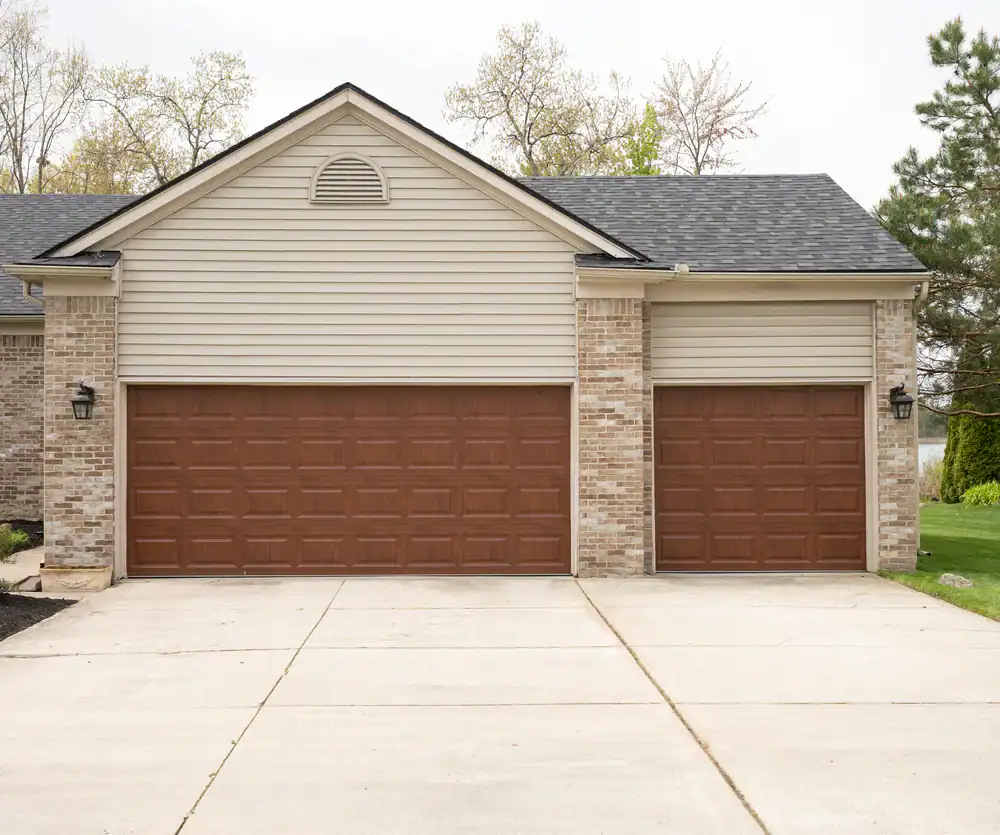
Most concrete driveway installations take 3-5 days from start to finish, but you can’t use it right away. Concrete needs 7 days to cure before you can park on it, and it reaches full strength after 28 days.
The timeline breaks down like this: one day for excavation and base preparation, one day for formwork and reinforcement, one day for pouring and finishing, then the waiting period. Weather affects this schedule significantly. If it’s too hot, concrete cures too fast and cracks. If it’s too cold, it won’t cure properly at all.
That’s why we don’t rush concrete work. You’re better off waiting an extra day for proper curing than dealing with cracks six months later. Most problems with concrete driveways trace back to rushing the cure time or pouring in bad weather.
Sinking happens when the base material underneath your driveway settles or washes away. In Great Neck, this usually comes from poor drainage, inadequate base preparation during original installation, or soil erosion from coastal weather patterns.
Water is almost always the culprit. It seeps under the driveway, softens the soil, and creates voids. The weight of your vehicles then compresses that weakened area, and you get sinking or settling. Sometimes you’ll see it near the garage where water runs off the roof. Other times it happens at the street where drainage is poorest.
Fixing sinking driveways means addressing the drainage issue first, then either mudjacking to lift the existing surface or removing and reinstalling that section with proper base material. Ignoring it leads to bigger cracks and eventually full replacement, which costs significantly more than early intervention.
Asphalt handles Long Island’s freeze-thaw cycles better because it flexes with temperature changes instead of cracking. It costs less upfront, installs faster, and you can use it in 1-2 days. But it needs sealcoating every 2-3 years and typically lasts 15-20 years.
Concrete costs more initially and takes longer to cure, but it lasts 30+ years with minimal maintenance. It offers more design options and doesn’t need regular sealcoating. The tradeoff is that it’s more prone to cracking during harsh winters, especially if the base wasn’t prepared correctly.
For most Great Neck homeowners, the decision comes down to budget and how long you plan to stay in the home. If you’re here for the long term and want minimal maintenance, concrete makes sense. If you want lower upfront costs and don’t mind periodic maintenance, asphalt works well. Both perform fine in our climate when installed correctly.
Small cracks under a quarter-inch wide can be filled with concrete crack filler or epoxy. This is cosmetic and prevents water infiltration, but it won’t stop the crack from spreading if there’s an underlying structural issue.
Larger cracks or multiple cracks usually mean you have a base problem or the concrete wasn’t thick enough for your soil conditions. In these cases, we assess whether the damage is localized or widespread. Sometimes we can remove and replace individual sections. Other times, the entire driveway needs replacement because the base has failed.
The key is catching cracks early, especially before winter. Water gets into small cracks, freezes, expands, and turns minor damage into major problems. We see this constantly in Great Neck because of how many freeze-thaw cycles we get each winter. A crack you ignore in October becomes a chunk of missing concrete by March.
Pavers give you the most design flexibility. You can choose from brick, cobblestone, or concrete pavers in dozens of colors and patterns. Belgian block borders and cobblestone driveway aprons add visual interest that plain concrete or asphalt can’t match.
More importantly, pavers are easier to repair. If one section settles or cracks, you remove and replace just those pavers. With concrete or asphalt, you’re cutting out and patching larger areas, which never looks quite right. Pavers also handle freeze-thaw cycles well because the joints between them allow for movement.
The downsides are cost and maintenance. We charge more for paver materials and installation because it’s more labor-intensive. You’ll also need to occasionally re-sand the joints and keep weeds from growing between pavers. But if you want a driveway that stands out and you’re willing to invest in quality, pavers deliver results that concrete and asphalt can’t match.
Proper drainage starts with correct grading during installation. Your driveway should slope away from your garage and home, directing water toward the street or a drainage system. Even a slight grade makes a huge difference in preventing water damage.
For properties with poor natural drainage, we install channel drains, French drains, or catch basins to collect and redirect water. Channel drains run along the driveway edge and capture water before it pools. French drains handle subsurface water that seeps under the driveway. Catch basins work for low spots where water naturally collects.
Great Neck properties often need drainage solutions because of how homes are positioned on lots and the clay content in local soil. Water doesn’t absorb quickly, so it sits on surfaces and finds ways underneath. Once water gets under your driveway, it erodes the base material and causes settling, cracking, and eventual failure. Addressing drainage during installation costs less than fixing water damage later.
Other Services we provide in Great Neck