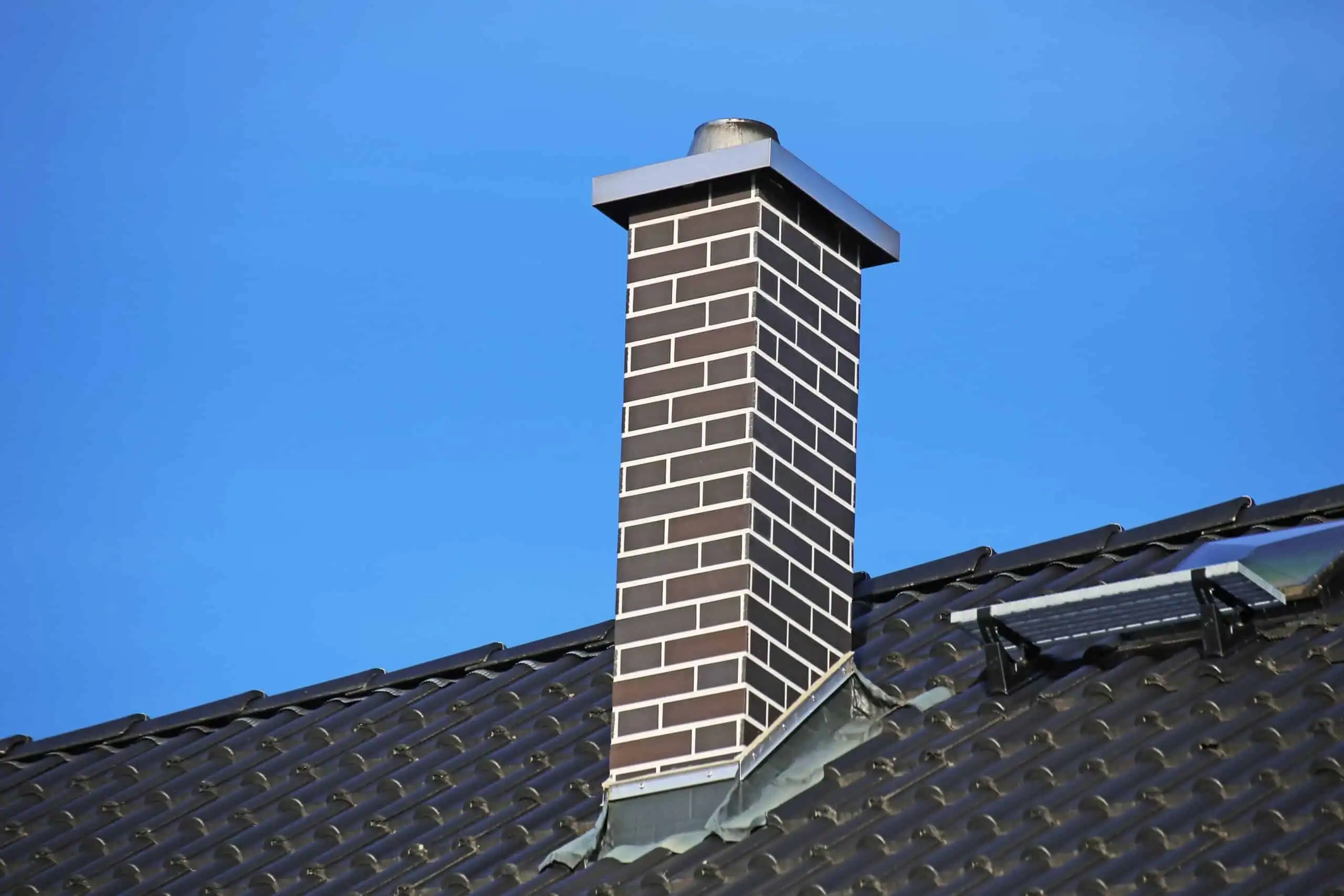
Long Island's coastal climate accelerates tuckpointing failure through salt air corrosion, freeze-thaw damage, and constant maritime moisture that inland properties never face.
Share:
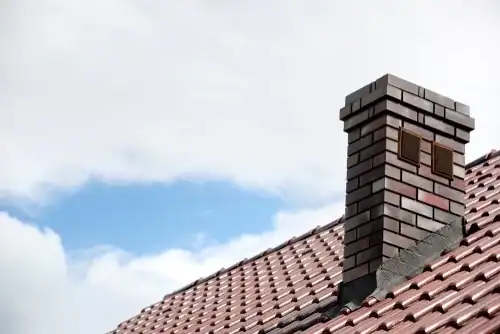
If you’ve had tuckpointing done on your Nassau County chimney or brick walls, you might have noticed something frustrating. The repairs don’t last as long as they should. Mortar that’s supposed to hold for 25 to 30 years starts crumbling in half that time. Joints crack. Water gets in. And you’re facing another round of repairs sooner than anyone promised.
This isn’t bad luck. It’s Long Island’s coastal climate doing exactly what it does to masonry. Salt air, freeze-thaw cycles, and constant maritime moisture create conditions that standard tuckpointing simply can’t handle. Understanding why helps you avoid repeating the same expensive mistakes.
Your chimney and brick walls face environmental challenges that most of the country never deals with. Nassau County sits between Long Island Sound and the Atlantic Ocean. That means salt-laden air hits your masonry year-round, not just during storms.
Inland properties dry out between weather events. Yours doesn’t. Maritime humidity keeps moisture trapped in mortar joints, preventing the drying cycle that masonry needs to stay healthy. Over time, this constant dampness weakens even properly installed mortar.
Then winter arrives with freeze-thaw cycles that crack and expand whatever moisture got trapped inside. Spring brings heavy rainfall. Summer humidity prevents recovery. And the cycle repeats, accelerating deterioration with every season.
Salt doesn’t just sit on the surface of your masonry. It penetrates deep into mortar joints and brick faces, where it does real damage from the inside out.
When coastal winds carry sodium chloride and other corrosive compounds onto your chimney, that salt works its way into the porous structure of your mortar. As temperatures fluctuate, the salt crystallizes and expands. This creates internal pressure that cracks mortar joints from within, even when the exterior looks fine.
The process is gradual but relentless. You might see white, chalky deposits on your chimney’s exterior, a condition called efflorescence. That’s visual proof that salt and moisture are migrating through your masonry, bringing dissolved minerals to the surface. By the time you notice it, the damage is already happening inside the wall system.
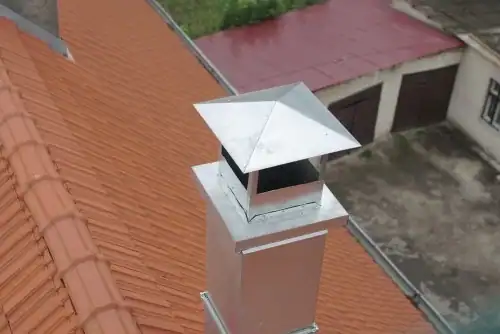
Metal components take an even harder hit. Chimney caps, flashing, and liners corrode faster in Nassau County than they would 50 miles inland. What might last 30 years in a dry climate can fail in 10 to 15 years here. And when those metal components fail, water infiltration accelerates, creating a cascade of problems that spread from your roofline down into your home’s structure.
Standard mortar formulations don’t account for this level of salt exposure. They’re designed for moderate climates where occasional rain is the primary moisture challenge. In a coastal environment, that’s not nearly enough protection.
Nassau County experiences something most regions don’t deal with: frequent freeze-thaw cycles combined with high moisture content. This combination is particularly destructive to tuckpointing work.
Here’s what happens. Water penetrates your mortar joints during rain or from ambient coastal humidity. When temperatures drop below freezing, that water expands by approximately 9 percent. That expansion creates tremendous internal pressure, enough to crack brick and crumble mortar from the inside.
One freeze-thaw cycle doesn’t destroy your chimney. But Long Island gets dozens of these cycles every winter. Each one widens existing cracks and creates new weak points. By spring, you’re looking at gaps where mortar has literally broken away from the brick.
The damage accelerates because coastal humidity means your masonry never fully dries out between cycles. Inland properties might experience a freeze, then days of dry conditions that allow moisture to escape. Your chimney stays damp, which means every cold snap brings another round of expansion and cracking.
This is why mortar that’s rated to last 25 to 30 years often fails in 15 to 20 years on Long Island. The environmental stress is simply more severe than what standard products are designed to handle. And if the wrong mortar type was used during the original tuckpointing work, failure happens even faster.
Nor’easters make everything worse. These coastal storms deliver wind-driven rain that penetrates masonry from angles that typical weather doesn’t reach. The combination of sustained moisture exposure and rapid temperature changes during these events can cause more damage in a single weekend than months of normal weather.
Not all mortar is created equal, and using the wrong type in Nassau County’s coastal climate is one of the fastest ways to ensure your tuckpointing fails prematurely.
Mortar types are classified by their compressive strength and composition. Type N works fine in moderate climates. Type S offers better protection in harsh environments. Type M provides the highest compressive strength and enhanced water resistance, making it the better choice for coastal regions where salt spray and moisture penetration are constant threats.
The problem is that many contractors default to whatever mortar mix they’re familiar with, without considering the specific environmental challenges your property faces. If they’re using the same formulation they’d use on a house in Pennsylvania, your tuckpointing is already on borrowed time.
Proper masonry work in Nassau County demands mortar formulations that can handle salt air, freeze-thaw cycles, and constant humidity. This means selecting materials with enhanced water resistance and lower absorption rates.
The mortar needs to be softer than the brick itself. This is intentional. Mortar is designed as the sacrificial layer in your masonry system. It absorbs stress and movement so the brick doesn’t crack. When the mortar eventually fails, it can be replaced without damaging the brick.
But if the mortar is too hard or uses the wrong binder ratio, it won’t flex properly during temperature changes. This causes the brick to crack instead. And replacing damaged brick is significantly more expensive than replacing mortar joints.
Air entrainment is another critical factor for freeze-thaw zones. Mortars formulated with appropriate air entrainment create tiny air pockets that give expanding ice somewhere to go, reducing the internal pressure that cracks joints. Without this feature, every freeze cycle does cumulative damage.
Coastal regions also require mortars that resist salt crystallization. Standard formulations can’t handle the constant salt migration that happens in maritime environments. The salt builds up inside the mortar matrix, creating pressure points that lead to spalling where the outer layer of mortar flakes and crumbles away.
Color matching matters too, but it’s secondary to performance. A contractor who focuses on making the mortar blend perfectly with your brick but uses the wrong formulation is setting you up for failure. You need mortar that performs first, then matches aesthetically.
We understand which mortar types hold up in Long Island’s climate and which fail quickly. We know that saving a few dollars on materials costs far more when the work has to be redone in 10 years instead of 25.
When you schedule masonry repair matters almost as much as the materials used. Mortar needs specific temperature and humidity conditions to cure properly, and coastal weather creates challenges that inland properties don’t face.
The ideal temperature range for tuckpointing is between 40°F and 90°F. Too cold, and the mortar won’t cure properly. Too hot, and it dries too quickly, creating weak bonds. In Nassau County, you’ve got a relatively narrow window in spring and fall when conditions are optimal.
Summer humidity creates its own problems. When ambient moisture levels stay elevated, mortar takes longer to cure and remains in a weakened state. This makes it more susceptible to damage when winter arrives. Fall work often performs better because the mortar has time to fully cure before facing its first freeze-thaw cycle.
Rushing tuckpointing work to meet a deadline is a recipe for failure. Proper joint preparation takes time. The old mortar needs to be removed to the correct depth without damaging surrounding brick. Joints need to be cleaned thoroughly so new mortar bonds properly. Each layer needs adequate time to set before the next is applied.
You’ll also want to consider your home’s exposure. South and west-facing walls take maximum sun exposure and experience more thermal stress. These areas often need tuckpointing more frequently than north-facing walls that stay cooler and damper. A contractor who understands this will prioritize the most vulnerable areas first.
Waiting for visible damage before scheduling repairs is a mistake. By the time you see crumbling mortar or loose bricks, water has likely been infiltrating your masonry system for months or years. That water causes damage to interior wall cavities, flue liners, and structural components that you can’t see from the outside.
Annual inspections catch problems while they’re still manageable. Small sections of failing mortar can be addressed before they spread. This costs a fraction of what you’ll pay for emergency repairs after water damage has compromised your chimney’s structural integrity or spread to your roofline.
Tuckpointing fails faster in Long Island’s coastal climate because salt air, freeze-thaw cycles, and maritime moisture create environmental stress that standard materials and techniques can’t handle. Understanding these challenges helps you make better decisions about mortar selection, contractor expertise, and maintenance timing.
Your chimney and brick walls need coastal-specific mortar formulations, proper application techniques, and regular inspections to catch problems early. The difference between tuckpointing that lasts 15 years and work that holds for 25 comes down to using the right materials for your specific environment and working with professionals who understand Nassau County’s unique challenges.
If you’re seeing signs of mortar deterioration, water staining, or previous tuckpointing that’s failing prematurely, we can assess your masonry’s condition and recommend solutions that actually hold up in coastal conditions.
Article details:
Share:
Continue learning: