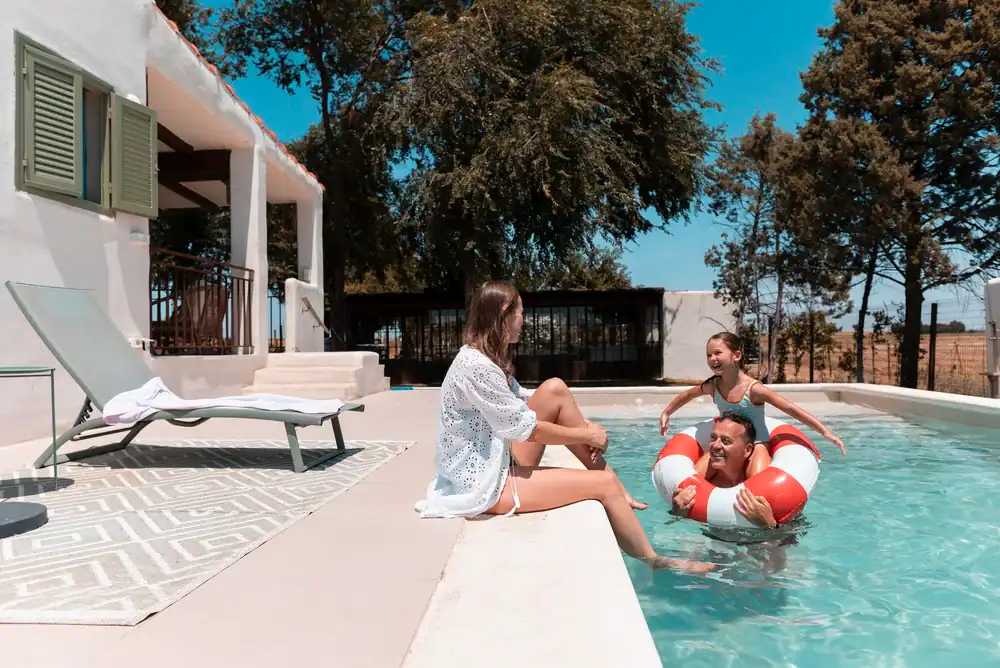

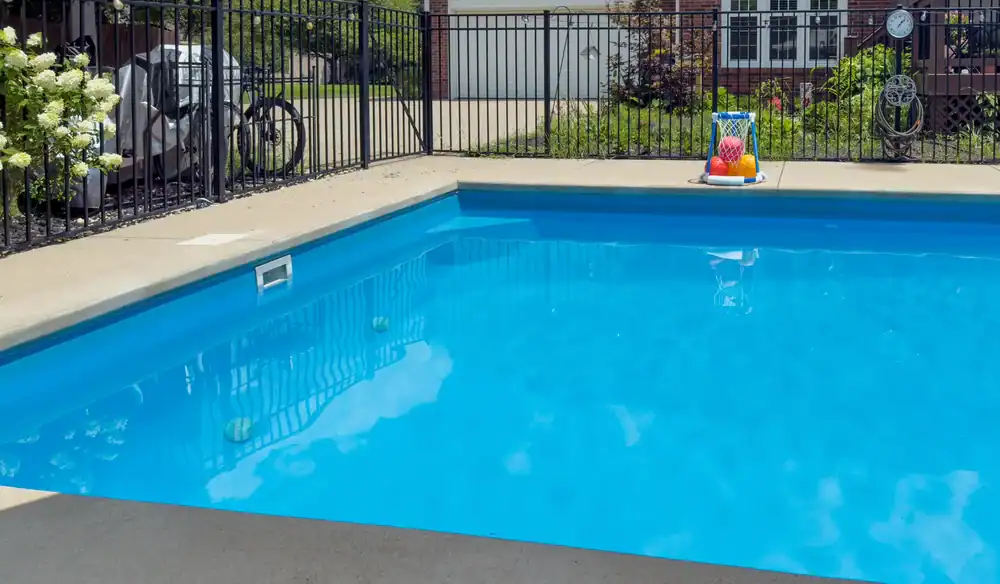
You’re not just adding a pool. You’re creating the space where summer mornings start with coffee by the water and evenings end with the kids still begging for five more minutes.
A well-built pool increases your property value by 5 to 15 percent, according to the National Association of Realtors. But the real return is in how you use your home. No more packing the car for crowded beaches. No more planning your weekends around other people’s pool schedules.
When the design fits your yard and the construction accounts for Long Island’s sandy shifts and clay layers, you get a pool that works with your property instead of against it. That means fewer cracks, better drainage, and a finished product that doesn’t need major repairs two seasons in.
We started Ageless nearly 20 years ago, and we’ve spent that time learning what works on Long Island properties and what doesn’t. We’re not a national franchise. We’re local contractors who’ve built pools across the North Fork, handled Suffolk County’s permit process more times than we can count, and dealt with every soil surprise this area throws at us.
You’ll work directly with our team from the first site visit to the final walkthrough. No subcontractors. No handoffs. We’re licensed, insured, and our reputation in Cutchogue depends on getting your project right the first time.
We start with a site evaluation. That’s where we check your soil conditions, drainage, setbacks, and any potential issues before you commit to anything. If there’s a problem, you’ll know up front.
Once the design is finalized, we handle all the permits for Nassau County or Suffolk County, depending on your location. That process typically takes three weeks to three months, and we manage every submission and inspection so you don’t have to track down township offices.
Excavation comes next. We dig, grade, and prep the site while managing any groundwater or clay issues that come up. Then we install your pool shell, whether that’s vinyl liner or gunite, followed by coping, tile, and decking. Most custom in-ground pools take six to ten weeks from excavation to completion, though timelines vary based on design complexity and weather.
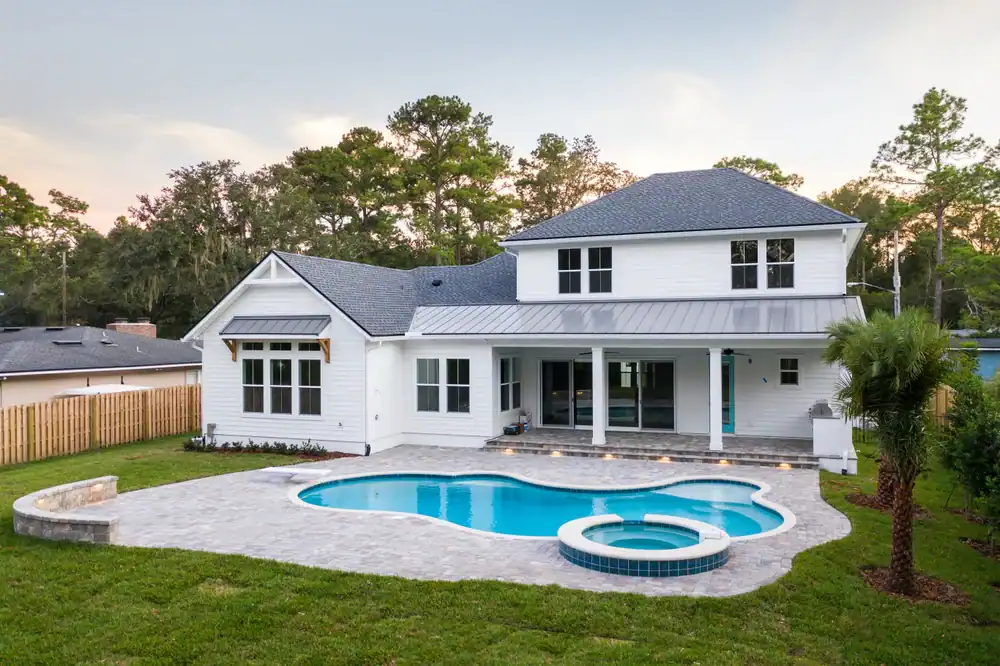
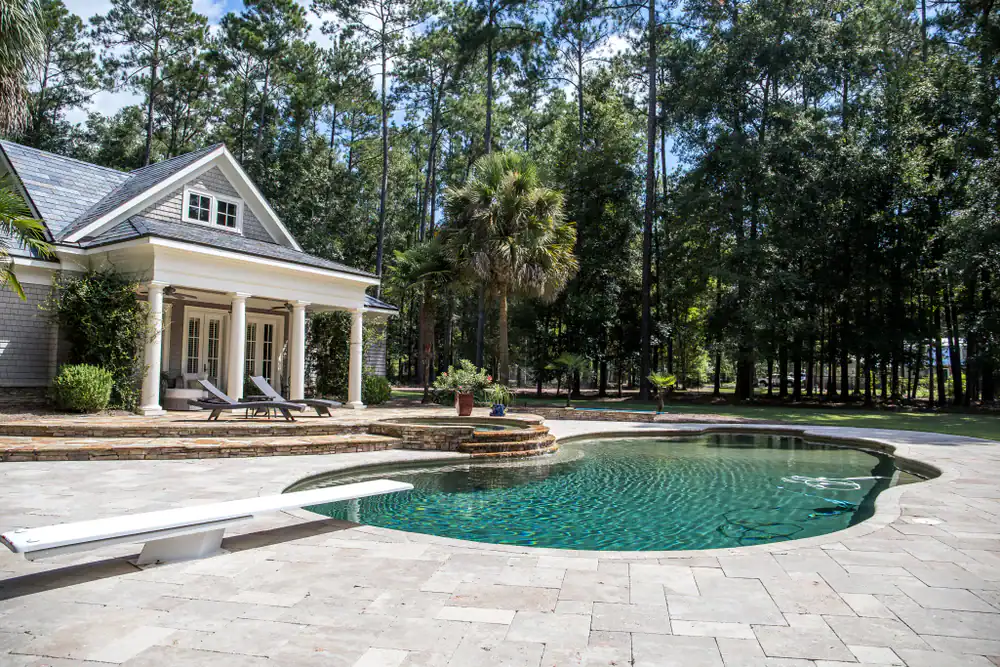
After the pool is in, we build out the surrounding hardscape—concrete pool surrounds, pool patio masonry, retaining walls if needed, and any custom pool coping and tile work. Everything gets coordinated so the finished space works as a complete backyard poolscape, not a pool dropped into a yard.
Ready to get started?
You get the pool itself, obviously. But you also get the hardscape that makes it functional—pool patios, walkways, grading, and drainage systems designed for Long Island’s conditions.
In Cutchogue and across Suffolk County, soil varies wildly. Sandy areas shift. Clay layers hold water. We account for that during excavation and grading so your pool doesn’t settle unevenly or develop drainage problems. If your property has a high water table like many South Shore locations, we bring in dewatering equipment during the build.
Custom pool coping and tile give you options beyond basic finishes. Coping defines the pool edge and needs to handle freeze-thaw cycles without cracking. Tile adds durability and style at the waterline. We source materials that perform in salt air and moisture without losing their look after a few seasons.
Concrete pool surrounds and pool patio masonry get sealed properly from the start. That’s not an upsell—it’s necessary in Long Island’s climate. Pavers, stone, and concrete all need protection from moisture, salt, and temperature swings, and we select sealers based on what actually works here, not what’s cheapest.
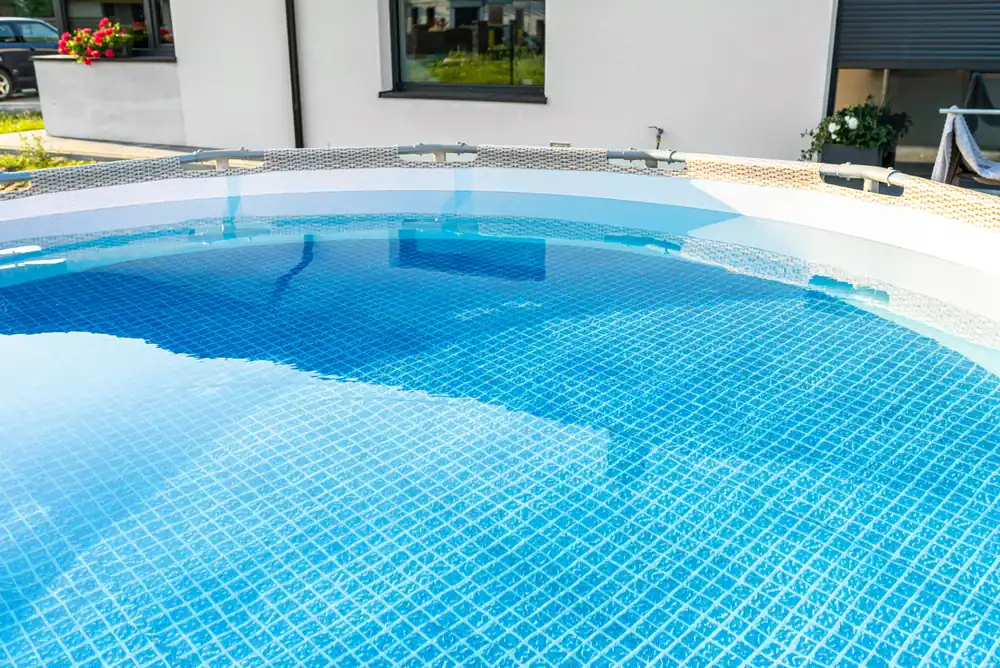
The average in-ground pool in Long Island runs around $65,000 in 2026, but that number moves depending on size, materials, and site conditions. A basic vinyl liner pool with minimal hardscape will cost less than a gunite pool with custom tile, coping, and extensive patio work.
Your site also affects cost. If we hit clay during excavation or need to manage a high water table, that adds equipment and labor. Retaining walls, grading challenges, and complex drainage systems all push the number up.
We give you a detailed estimate after the site evaluation so you know what you’re actually paying for. No one benefits from surprise costs halfway through a project, and we’d rather have the hard conversation up front than deal with change orders later.
Most custom in-ground pools take six to ten weeks from excavation to completion. Vinyl liner pools move faster—usually three to five weeks. Gunite pools take longer, often eight to twelve weeks, because the shell needs time to cure before we can finish the interior.
Permits add time before construction even starts. Suffolk County’s permit process typically takes three weeks to three months depending on the township and time of year. Spring is the busiest season, so if you’re planning a summer pool, you need to start the process in late winter.
Weather also plays a role. We can’t pour concrete in freezing temperatures, and heavy rain delays excavation. Long Island’s construction season runs spring through fall, and most builders book up early. If you want a specific start date, plan ahead.
You’ll need a building permit from the Town of Southold, which covers Cutchogue. That permit requires a site plan showing the pool location, setbacks from property lines, and any related structures like patios or retaining walls.
Suffolk County also requires pools to meet specific setback requirements—usually at least ten feet from side and rear property lines, though that varies by zone. If your property is near wetlands or in a special district, additional permits may apply.
We handle the entire permit process as part of our service. That includes preparing the site plan, submitting applications, coordinating inspections, and making sure everything meets local codes. You don’t need to visit township offices or track down paperwork. We’ve done this enough times in Suffolk County to know exactly what each municipality requires.
Soil conditions cause the most surprises. Long Island sits on a mix of sand, clay, and glacial deposits, and what’s under your yard won’t match your neighbor’s. Sandy soil drains well but shifts over time. Clay holds water and creates drainage problems. We don’t know exactly what we’re dealing with until excavation starts.
High water tables are common, especially closer to the coast. If groundwater sits close to the surface, we need dewatering equipment during construction to keep the site dry. That’s not a problem, but it does add time and cost.
Permits vary by township, and each one has different requirements for setbacks, inspections, and approvals. Some towns move quickly. Others take months. We build that timeline into the schedule so you’re not waiting around wondering when construction will start.
Yes. Salt air accelerates corrosion and degrades certain materials faster than inland conditions. Pool coping, tile, and patio surfaces all need to handle moisture and salt exposure without breaking down.
We use pavers and sealers rated for coastal environments. That means selecting materials with low porosity and high freeze-thaw resistance. Concrete gets sealed with products designed for Long Island’s climate, not generic big-box options that fail after one winter.
Custom pool coping and tile also need proper installation. If water gets behind the tile or under the coping, freeze-thaw cycles will crack it. We set everything with the right adhesives and grout, and we make sure drainage moves water away from the pool structure. It’s not complicated, but it has to be done right from the start.
Yes, and it’s usually the best way to do it. Building the pool and hardscape together means we can coordinate grading, drainage, and utilities in one project instead of tearing up your yard twice.
Pool patio masonry, concrete pool surrounds, and retaining walls all get designed as part of the same system. That way, everything slopes correctly, drainage works, and the finished space looks intentional instead of pieced together over time.
If you’re adding an outdoor kitchen, pergola, or fire pit, we coordinate placement and utility runs during the pool build. Gas lines, electric, and water all get roughed in before we pour patios or set pavers. It saves time, reduces costs, and gives you a complete backyard poolscape instead of a pool surrounded by dirt and plans for “someday.”
Other Services we provide in Cutchogue