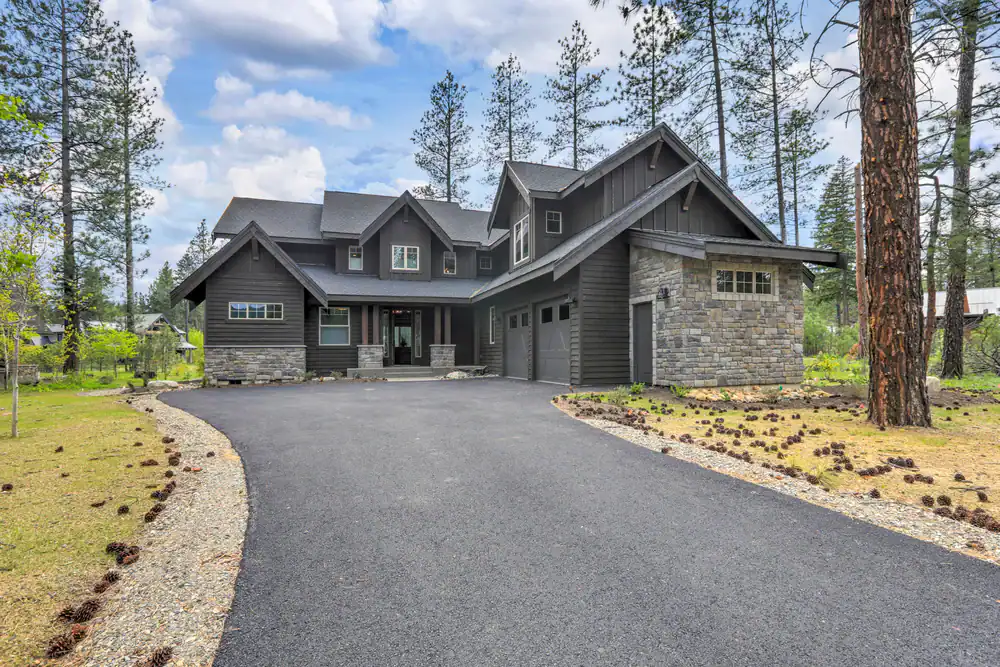

You’ve probably noticed the cracks getting wider. Maybe water pools near your garage after every storm. Or your driveway has that sunken look that makes parking awkward and creates tripping hazards for anyone walking to your front door.
Here’s what changes when your driveway is done correctly. Water drains where it should, away from your foundation instead of pooling and seeping into places that cost serious money to fix later. The surface stays level because the base was excavated properly and compacted right. You’re not calling someone back every few years to patch, reseal, or redo sections that failed.
Port Jefferson’s coastal climate accelerates deterioration if the work isn’t done with that in mind. Freeze-thaw cycles, salt exposure, and moisture all demand more from your driveway than you’d deal with inland. When the installation accounts for these factors from the start, you get decades of use instead of a countdown to the next repair bill.
We’ve been solving problems for Port Jefferson, NY homeowners who need real solutions, not quick fixes. We’re licensed, insured, and we show up when we say we will. That shouldn’t be remarkable, but apparently it is in this industry.
You’ll get an honest assessment of what your driveway needs. If it’s a drainage problem, we’ll tell you. If the base failed, we’ll explain why and what it takes to fix it permanently. No upselling, no surprises halfway through the job.
We’ve built our reputation on work that lasts and straightforward communication. Whether you’re dealing with a sinking driveway that needs complete replacement or you want a paver driveway installation that adds real value to your property, you’ll know exactly what you’re getting before we start.
First, we look at what’s causing the problem. Is it drainage? Poor base preparation? Soil settlement? You need to know what failed and why before anyone starts tearing things up. We’ll walk you through what we find and what it takes to fix it correctly.
Next comes excavation. For Long Island’s clay soils and freeze-thaw cycles, that means going down 8-12 inches and installing a properly compacted stone base. This isn’t the exciting part, but it’s the part that determines whether your driveway lasts 10 years or 30. Shortcuts here cost you later.
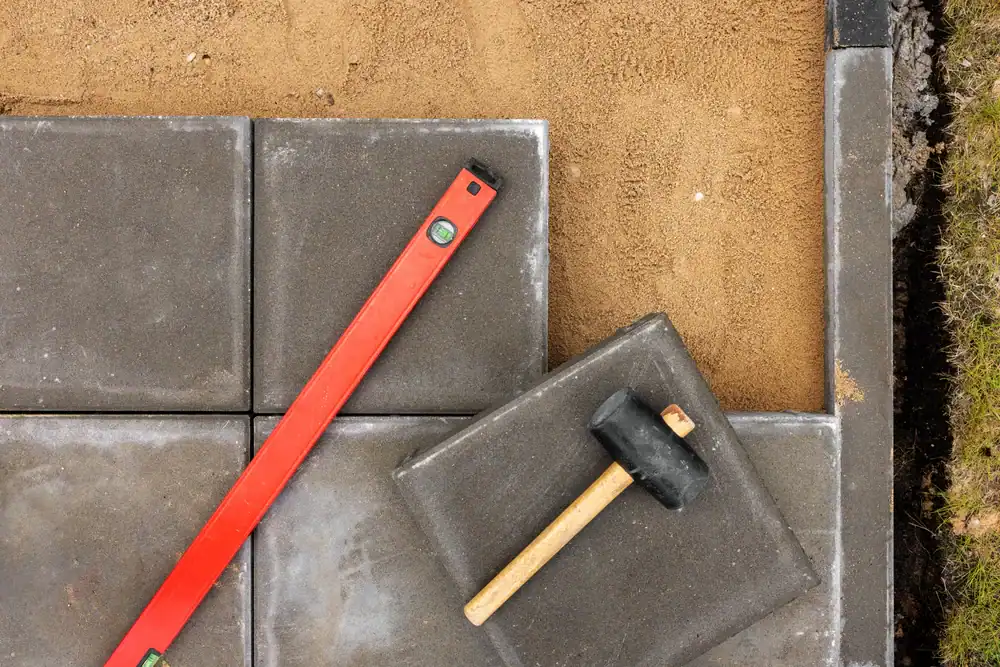
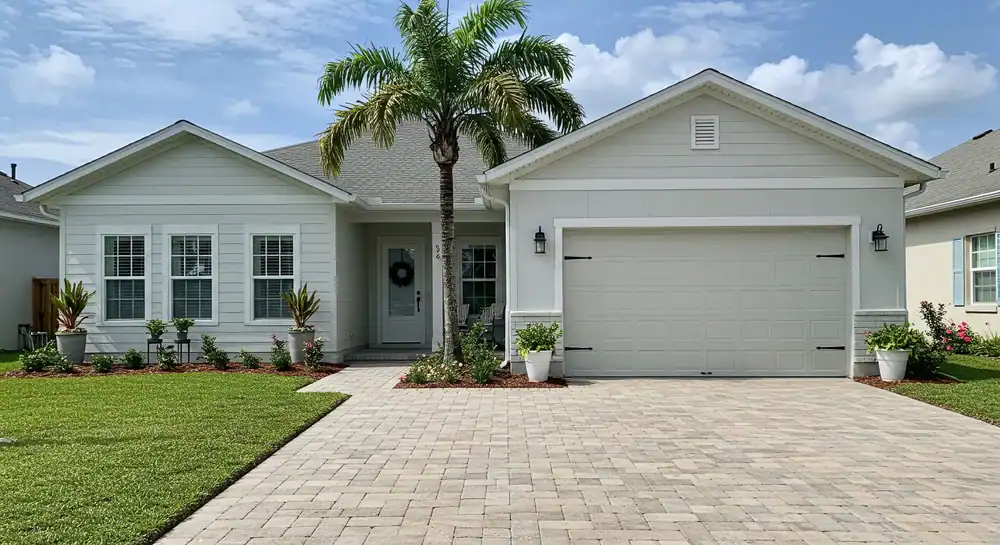
Then we install your chosen material—whether that’s concrete, pavers, or brick—with proper grading for drainage. Water needs somewhere to go, and that somewhere is away from your foundation and garage. We also handle Belgian block borders or cobblestone driveway aprons if that’s part of your plan.
After installation, you’ll know how to maintain it and what to expect. Different materials have different needs. Concrete lasts about 30 years in this climate with minimal maintenance. Pavers can go 25-75 years. Asphalt needs resealing every 3-5 years and replacement every 15-20. We’ll tell you what you’re signing up for.
Ready to get started?
Material costs vary widely depending on what you choose. Concrete driveway installation in Suffolk County typically runs $7-14 per square foot. Asphalt costs less upfront at $5-8 per square foot, but you’ll pay for resealing and earlier replacement. Paver driveways cost more during installation—$10-50 per square foot depending on the material—but require minimal maintenance over decades.
The real cost difference shows up over time. Asphalt driveways need resealing every 3-5 years, crack repairs, and full replacement after 15-20 years. Concrete lasts closer to 30 years. Brick pavers can hit 50-75 years with basic maintenance. When you factor in Long Island’s weather and what it does to inferior installations, the upfront investment in quality work pays off.
You’re also paying for proper drainage solutions. Poor drainage doesn’t just damage your driveway—it threatens your foundation. Foundation repairs run $10,000 to $40,000. Fixing drainage during driveway installation costs a fraction of that and prevents problems that most homeowners don’t see coming until it’s too late.
Port Jefferson homeowners deal with specific challenges. The coastal environment accelerates deterioration. Clay soils shift with moisture changes. Freeze-thaw cycles are brutal on anything that wasn’t installed correctly. Your driveway needs to account for all of this, or you’re just buying yourself a few years before the next round of repairs.
It depends entirely on the material and whether the installation was done correctly. Asphalt driveways last 15-20 years here before needing replacement, but they require resealing every 3-5 years to maintain them. Concrete driveways last closer to 30 years with minimal maintenance.
Brick and concrete pavers last the longest—25-75 years depending on the quality of materials and installation. The key factor isn’t just the surface material. It’s whether the base was excavated deep enough (8-12 inches for Long Island soils), properly compacted, and graded for drainage.
Port Jefferson’s coastal climate and freeze-thaw cycles mean inferior work fails faster here than it would inland. Water is your driveway’s biggest enemy. If it pools, seeps into cracks, and freezes, you’ll see damage within a few years regardless of material. Proper installation accounts for this from the start.
Soil movement and water are usually the culprits. Long Island has clay soils that expand when wet and contract when dry. If the base wasn’t excavated deep enough or compacted properly, you get voids under the driveway. Those voids lead to sinking and cracking.
Poor drainage makes it worse. Water that pools on or under your driveway weakens the base over time. When that water freezes, it expands and creates pressure that cracks concrete and asphalt. Each freeze-thaw cycle widens existing cracks and creates new ones.
Sometimes the problem is shortcuts during installation. If someone didn’t excavate deep enough, skipped proper compaction, or didn’t grade for drainage, your driveway was set up to fail from day one. Fixing sinking driveway issues means addressing the base, not just patching the surface. Surface repairs on a failed base are temporary at best.
If the cracks are minor and the base is still solid, repairs might buy you a few more years. But if you’re seeing widespread cracking, sinking sections, or drainage problems, you’re usually better off replacing it. Patching a failing driveway is like putting a band-aid on a broken bone.
Here’s how to tell the difference. Small surface cracks in one area with no sinking or drainage issues? That’s repairable. Multiple cracks across the whole driveway, sections that have sunk, or water pooling near your foundation? The base has failed, and repairs won’t fix that.
Fixing cracked concrete driveways with a failed base means you’ll be back to the same problems within a year or two. You’re spending money on temporary fixes instead of solving the actual problem. Replacement costs more upfront, but you’re done dealing with it for decades instead of throwing money at patches every few years.
Concrete driveway installation in Suffolk County typically costs $7-14 per square foot. Asphalt runs $5-8 per square foot, with most two-car driveways coming in around $4,600-8,100. Paver driveways cost more—$10-50 per square foot depending on whether you choose concrete pavers, brick, or natural stone.
The size of your driveway obviously affects total cost. A standard two-car driveway is roughly 600-800 square feet. If you’re adding features like Belgian block borders, cobblestone aprons, or custom drainage solutions, that adds to the price.
Material choice matters less than installation quality. A cheap asphalt driveway that fails in 10 years costs more long-term than a properly installed concrete or paver driveway that lasts 30-50 years. Factor in maintenance costs too. Asphalt needs resealing every 3-5 years. Concrete and pavers need almost nothing beyond occasional cleaning.
Concrete and pavers handle Long Island’s climate better than asphalt. Concrete lasts about 30 years here with minimal maintenance and handles freeze-thaw cycles well when installed correctly. Pavers—whether concrete, brick, or stone—last even longer, often 25-75 years, and individual pavers can be replaced if damaged.
Asphalt is cheaper upfront but needs more maintenance. You’ll reseal it every 3-5 years and replace it every 15-20 years. Long Island’s temperature swings and coastal salt exposure are hard on asphalt. It softens in summer heat and cracks during winter freezes.
The “best” material also depends on your priorities. If you want the lowest upfront cost and don’t mind maintenance, asphalt works. If you want something that lasts decades with minimal upkeep and adds more to your property value, concrete or pavers make more sense. Either way, installation quality matters more than material choice. Poor installation ruins any material.
Proper grading is the first step. Your driveway needs to slope away from your house and garage so water runs off instead of pooling. Even a small amount of standing water causes problems over time. It seeps into cracks, weakens the base, and freezes in winter.
Sometimes you need additional drainage solutions like French drains, channel drains, or catch basins to handle water that can’t be managed by grading alone. This is especially common in Port Jefferson where coastal weather means more rain and properties with challenging topography.
Driveway drainage solutions in Long Island often involve addressing the base during installation or replacement. If water is getting under your driveway, the base needs proper stone layers that allow water to drain through instead of pooling underneath. Fixing drainage after the fact is possible but more expensive than building it correctly from the start. If you’re replacing your driveway anyway, that’s the time to solve drainage issues permanently.
Other Services we provide in Port Jefferson