I highly recommend these guys. (Bob/Christian)They came right on time and were extremely neat and professional. They did a great job at a reasonable price.
Tommy Glenn
I have been using Bobby and Sherwood for years. I highly recommend them. They did chimney repair and chimney sweep. Great work, great guys.
Ingrid V.
Highly recommend Ageless chimney. They were polite, professional and got the job done in one day, left my property as clean as they found it. Very happy!
Brian Nolin
Outstanding work, great service, and extremely reliable!!
Professional Fireplace Cleaning Services
What Clean Fireplaces Actually Give You
Your fireplace works the way it should. No smoke backing up into your living room during those cozy winter nights. No mysterious odors drifting through your house when the fireplace isn’t even running.
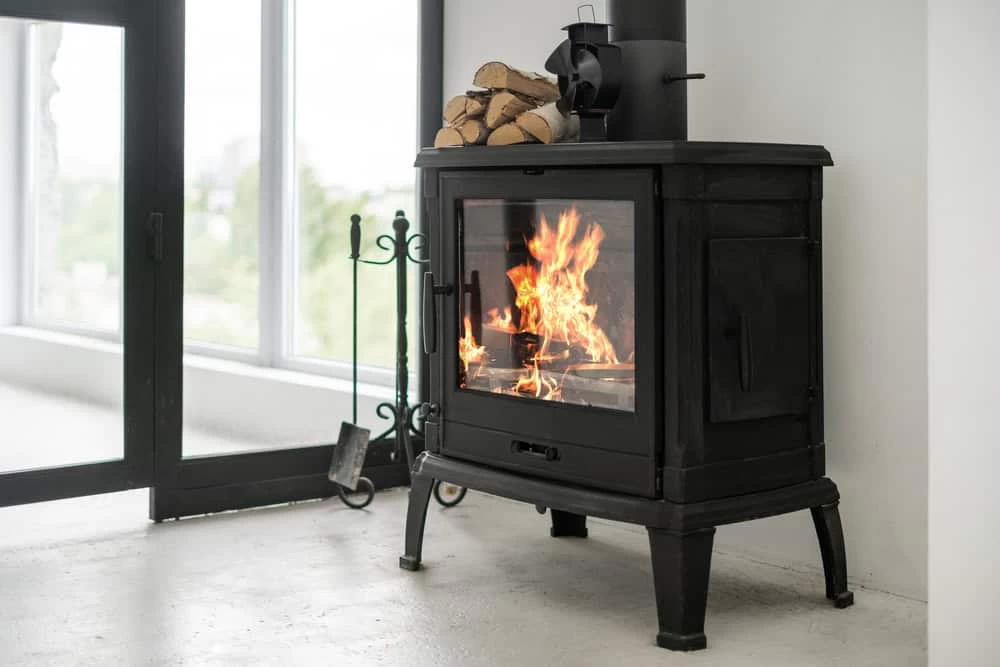
Clean fireplaces burn hotter and more efficiently. You get better heat output from the same amount of wood. The glass doors stay cleaner longer, so you can actually see the flames you’re paying to enjoy.
Most importantly, you sleep better knowing dangerous creosote buildup isn’t sitting in your chimney waiting to ignite. Professional fireplace cleaning removes the soot, debris, and flammable deposits that cause chimney fires and carbon monoxide problems.
We’ve been cleaning fireplaces across Long Island for years. We understand how coastal humidity affects your chimney system and how seasonal use patterns impact cleaning schedules.
Our certified technicians see the same issues in Cutchogue homes repeatedly. Creosote buildup from burning wet wood. Soot accumulation from gas fireplace pilot lights. Debris from storms and seasonal weather changes.
We’re not the cheapest option, and that’s intentional. You’re investing in thorough cleaning that actually protects your home, not a quick surface job that misses the dangerous stuff.
We start with a complete inspection of your fireplace and flue system. This identifies any structural issues, blockages, or safety concerns before we begin cleaning.
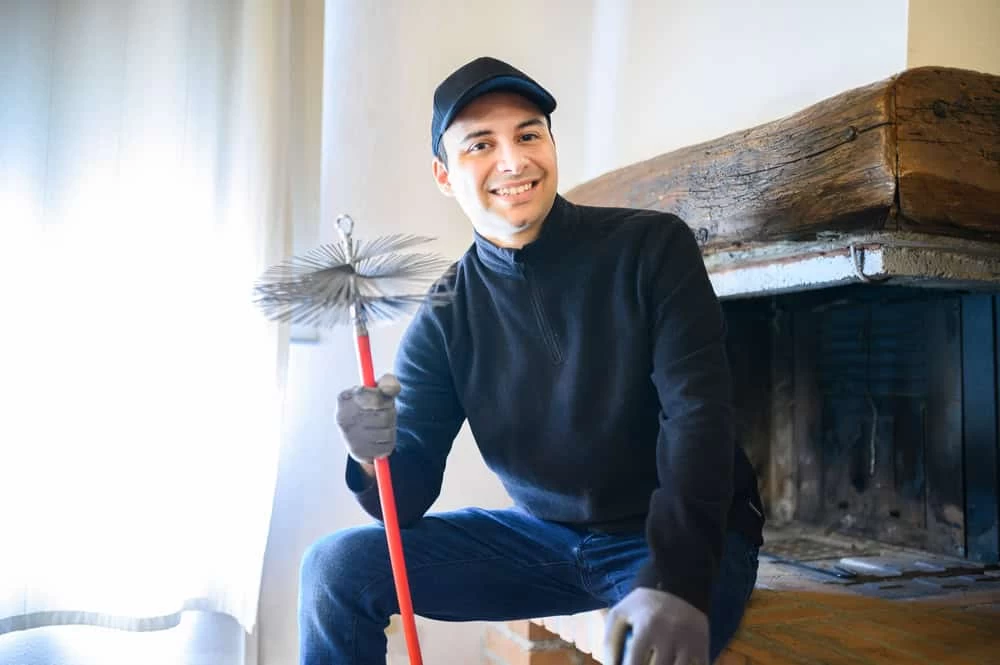
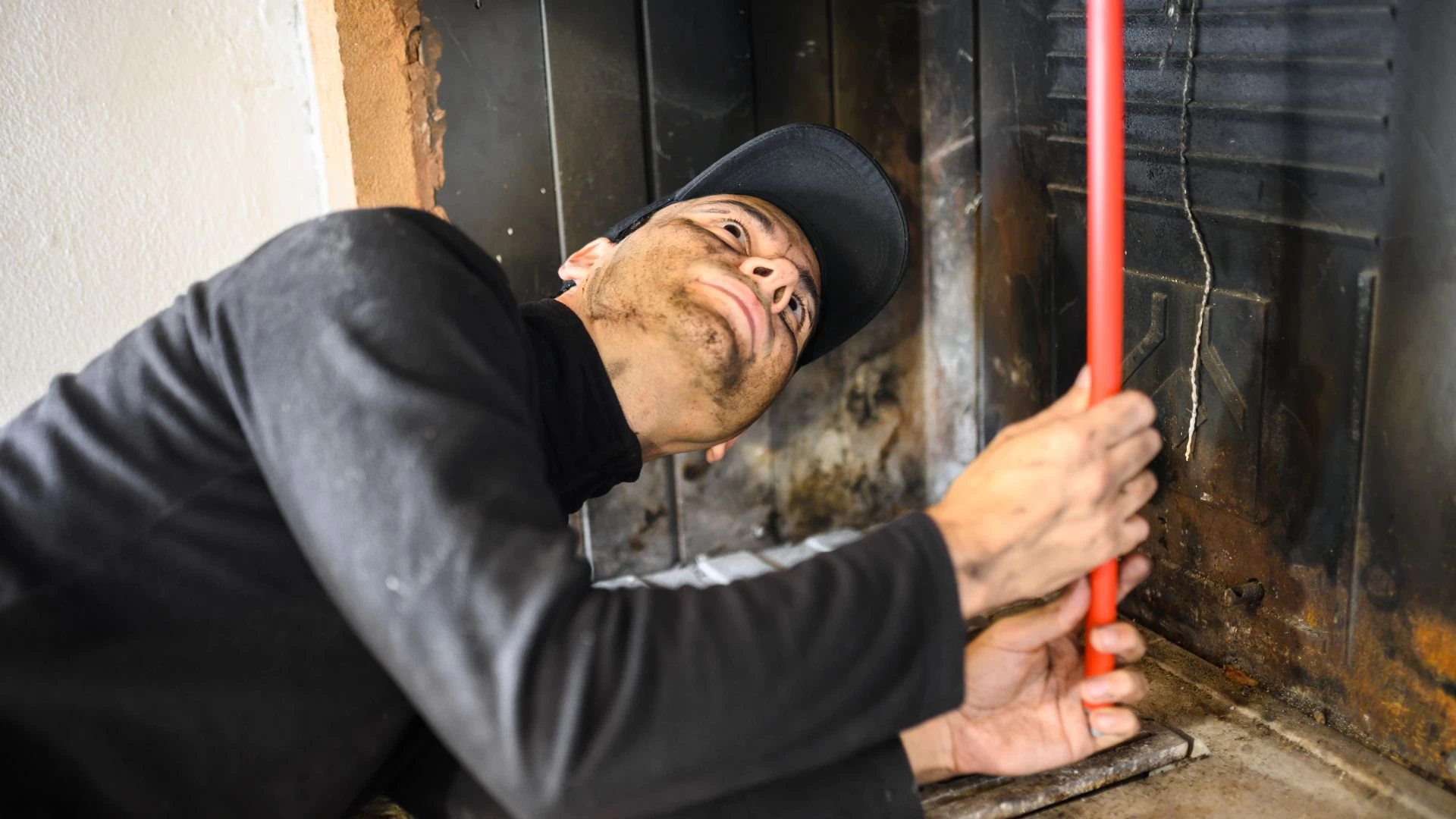
Next comes the actual cleaning process. We use professional-grade brushes and vacuum systems to remove creosote, soot, and debris from every accessible surface. The firebox, smoke chamber, and flue all get attention.
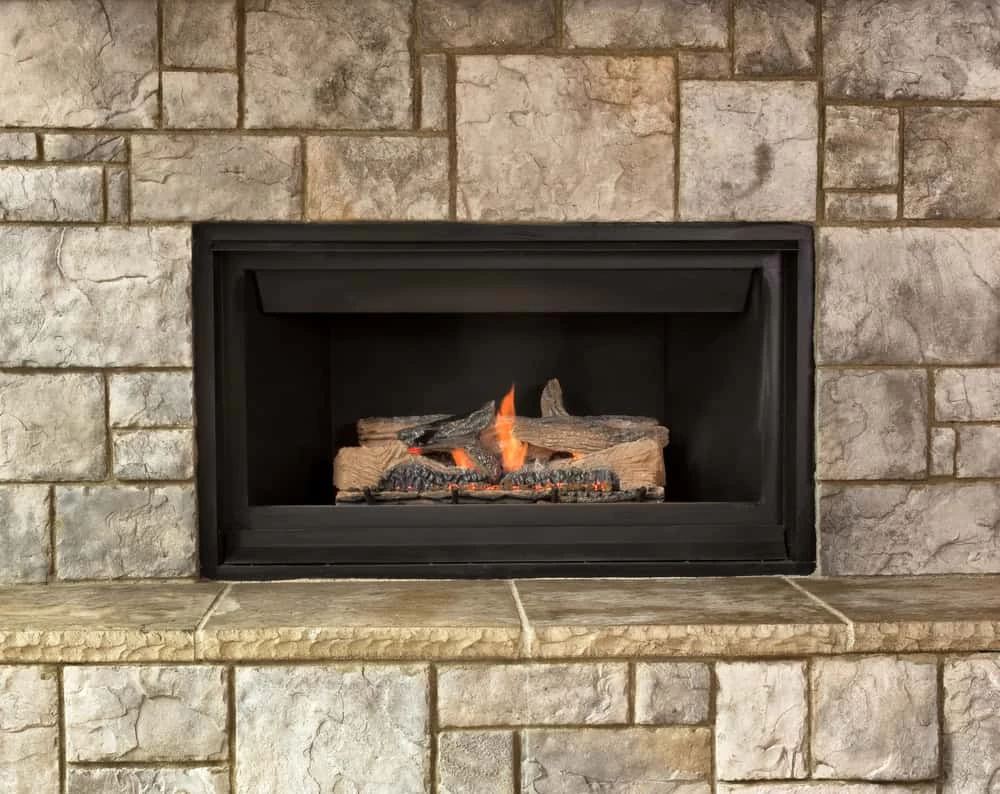
For gas fireplaces, we clean the burner assembly, check gas connections, and ensure proper ventilation. Wood-burning fireplaces get more intensive creosote removal and damper inspection.
We finish by testing the draft and airflow to make sure everything operates safely. You get a clear explanation of what we found and any recommendations for repairs or improvements.
Every fireplace cleaning includes a full safety inspection. We’re looking for cracks, deterioration, and blockages that could cause problems. Most homeowners have no idea these issues exist until we point them out.
You get professional-grade creosote and soot removal using equipment designed specifically for this job. We’re not just sweeping out loose debris – we’re removing the sticky, flammable deposits that build up over time.
Gas fireplace owners get burner cleaning, pilot light adjustment, and gas line inspection. Wood fireplace owners get damper testing, smoke chamber cleaning, and firebox restoration. Both types get draft testing to ensure proper ventilation.
We handle the mess completely. Drop cloths, protective coverings, and industrial vacuum systems mean your home stays clean while we work. No soot tracked through your house or dust settling on your furniture.
How often should I have my fireplace professionally cleaned?
Most fireplaces need professional cleaning annually, but usage matters more than time. If you burn more than a cord of wood per season, you might need cleaning twice yearly. Gas fireplaces typically need less frequent cleaning, but annual inspection is still smart for safety reasons. Signs you need immediate cleaning include white staining on the outside of your chimney, rust on the damper, or strong odors coming from the fireplace when it’s not in use.
What's the difference between fireplace cleaning and chimney cleaning?
Fireplace cleaning focuses on the firebox, damper, smoke chamber, and lower flue areas where most soot and creosote accumulate. Chimney cleaning includes the entire flue system up to the cap and crown. Most homes need both services, but fireplace cleaning is typically more intensive since that’s where the heaviest buildup occurs. We evaluate your specific situation and recommend the appropriate level of service based on what we find during inspection.
Can I clean my own fireplace to save money?
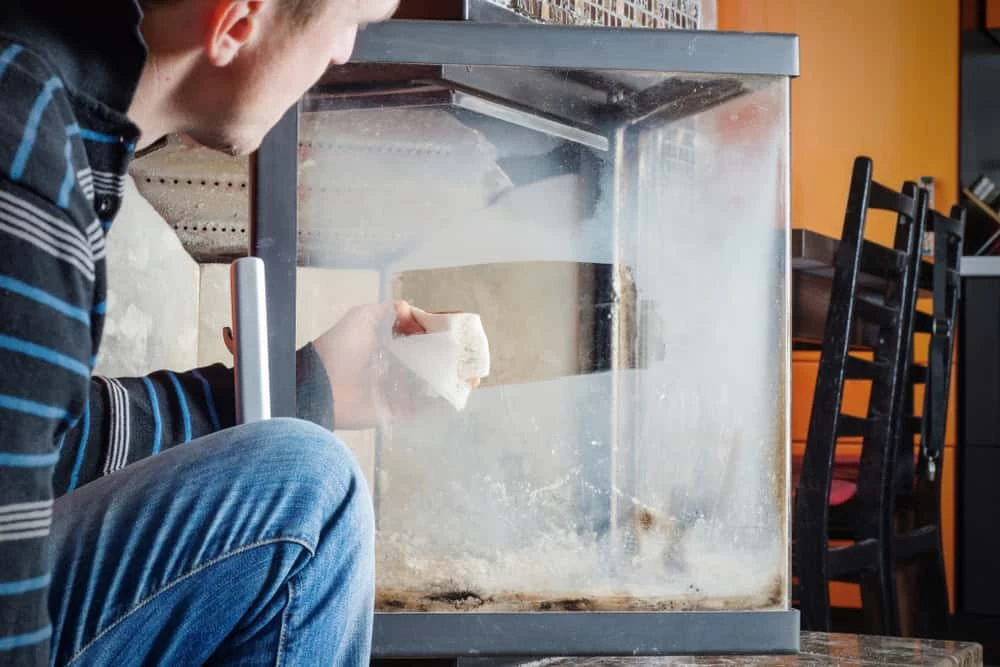
Basic ash removal and glass door cleaning are fine for homeowners to handle. But removing creosote and soot safely requires professional equipment and training. Creosote is sticky, toxic, and highly flammable – improper removal can actually make fire risk worse. Professional cleaning also includes safety inspections that identify structural problems before they become dangerous. The cost of professional cleaning is minimal compared to chimney fire damage or carbon monoxide incidents.
How do I know if my fireplace has dangerous creosote buildup?
White staining on your chimney exterior is a major red flag – it means creosote is breaking through masonry joints. Strong odors from the fireplace, especially in summer humidity, indicate significant buildup. If your fireplace produces more smoke than usual or smoke enters your room instead of going up the chimney, creosote is likely restricting airflow. Rust on the damper or firebox also suggests acidic creosote damage. Any of these signs mean you need immediate professional attention.
What happens if I don't clean my fireplace regularly?
Creosote buildup increases fire risk exponentially. Even small amounts can ignite and cause chimney fires that spread to your home’s structure. Blocked flues can cause carbon monoxide to enter your living space instead of venting outside. Acidic creosote also deteriorates masonry and metal components, leading to expensive structural repairs. Insurance companies may deny claims if they determine lack of maintenance contributed to fire damage. Regular cleaning prevents all these problems at a fraction of the cost.
Do gas fireplaces need the same cleaning as wood fireplaces?
Gas fireplaces produce less creosote but still need regular cleaning and inspection. Dust, pet hair, and debris can clog burner ports and affect flame patterns. Pilot lights and gas connections need safety checks to prevent gas leaks. The flue system still accumulates some deposits and needs inspection for blockages or deterioration. While gas fireplace cleaning is typically less intensive than wood fireplace cleaning, skipping it can still create safety hazards and efficiency problems.