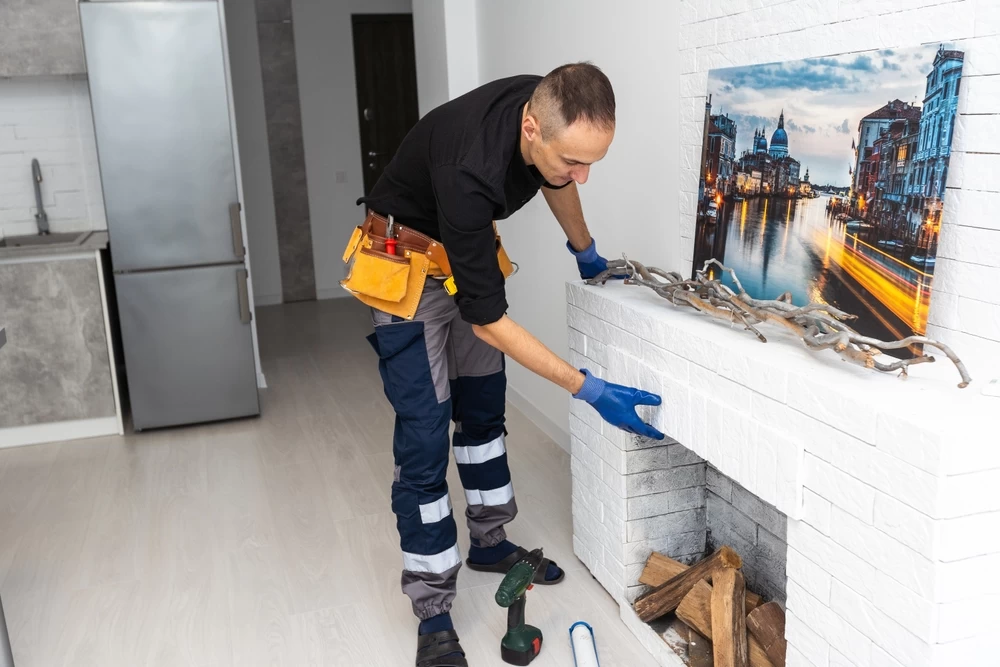
Discover proven fireplace maintenance strategies that keep Nassau and Suffolk County homes safe while preventing costly repairs.
Share:
Quick answer
The National Fire Protection Association doesn’t make recommendations lightly. When they say your chimney needs annual inspection and cleaning, it’s because they’ve seen what happens when homeowners skip this step.
Your maintenance schedule should revolve around two key seasons. Fall preparation gets your system ready for heavy use, while spring cleanup addresses the wear and damage from a full heating season. This isn’t just about following rules—it’s about catching small problems before they become expensive emergencies.
The timing matters more than you might think. Schedule your fall inspection by early October, before you need to rely on your fireplace for warmth.
Quick answer
A real chimney inspection goes far beyond what you can see from your living room. We check three critical levels, depending on your situation and the condition of your system.
Level 1 inspections cover the basics—making sure your chimney is free of obstructions, that the structure looks sound, and that all the readily accessible parts are functioning properly. This is your standard annual checkup, perfect for chimneys that have been regularly maintained and show no obvious problems.
Level 2 inspections dig deeper, literally. These include video scanning of your flue to detect hidden damage, cracks, or deterioration you can’t see from ground level. You’ll need this level when buying or selling a home, after any chimney fire, or when making changes to your heating system.
Level 3 inspections are the most comprehensive, involving removal of parts of the chimney structure to assess hidden damage. This level is reserved for situations where serious problems are suspected—think major storms, earthquakes, or signs of significant structural issues.
The key difference between these levels isn’t just thoroughness; it’s about matching the inspection to your actual risk level. A chimney that’s been neglected for years needs more attention than one that’s been properly maintained annually.
Quick answer
You don’t need professional help for every aspect of fireplace maintenance. There are several important tasks you can handle yourself, as long as you know your limits and when to call for backup.
Start with visual inspections from inside your home. Look for white staining on the exterior of your chimney—that’s efflorescence, a sign that water is getting where it shouldn’t. Check for rust on the damper or firebox, which indicates moisture problems that need attention.
Test your damper operation before each heating season. It should open and close smoothly and seal completely when closed. A damper that doesn’t seal properly wastes energy and can let cold air into your home even when the fireplace isn’t in use.
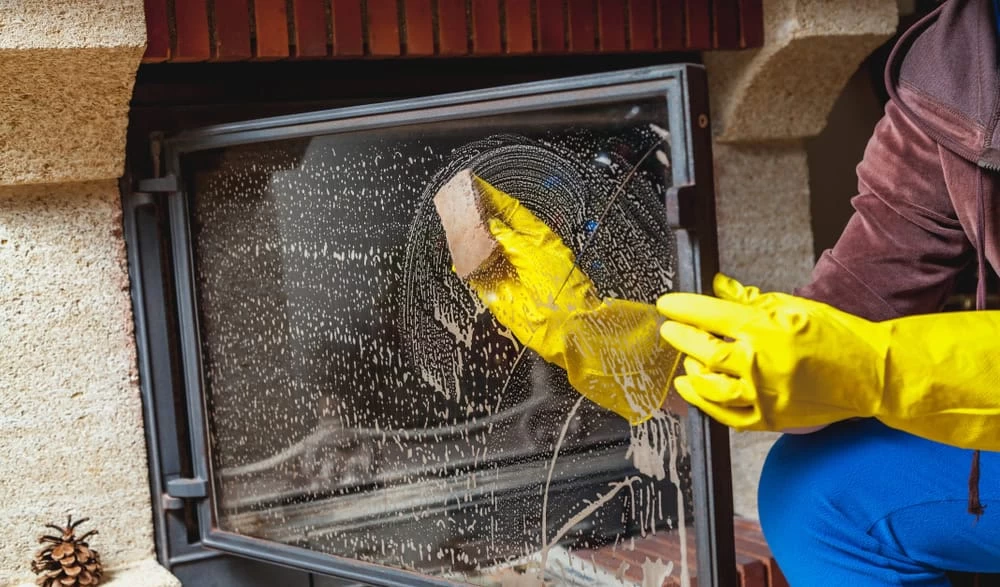
Clean your fireplace screen and glass doors regularly. This isn’t just about appearance—buildup on glass doors reduces efficiency and can create hot spots that stress the material. Use appropriate cleaners designed for fireplace glass, never household glass cleaners that can leave residues.
Keep the area around your fireplace clear of combustible materials. That means no newspapers, kindling, or decorative items stored too close to the opening. The clearance requirements exist for good reason—even small embers can travel farther than you expect.
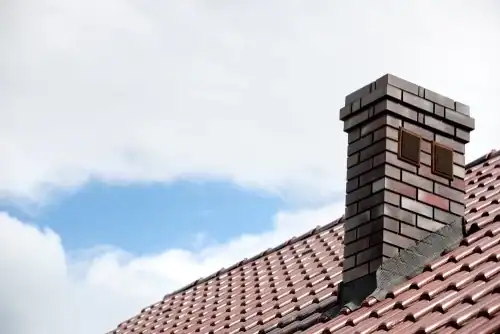
Check your chimney cap and spark arrestor from ground level using binoculars. Look for damage, rust, or missing pieces. These components protect your chimney from weather and prevent sparks from escaping, but they can’t do their job if they’re damaged or missing.
Quick answer
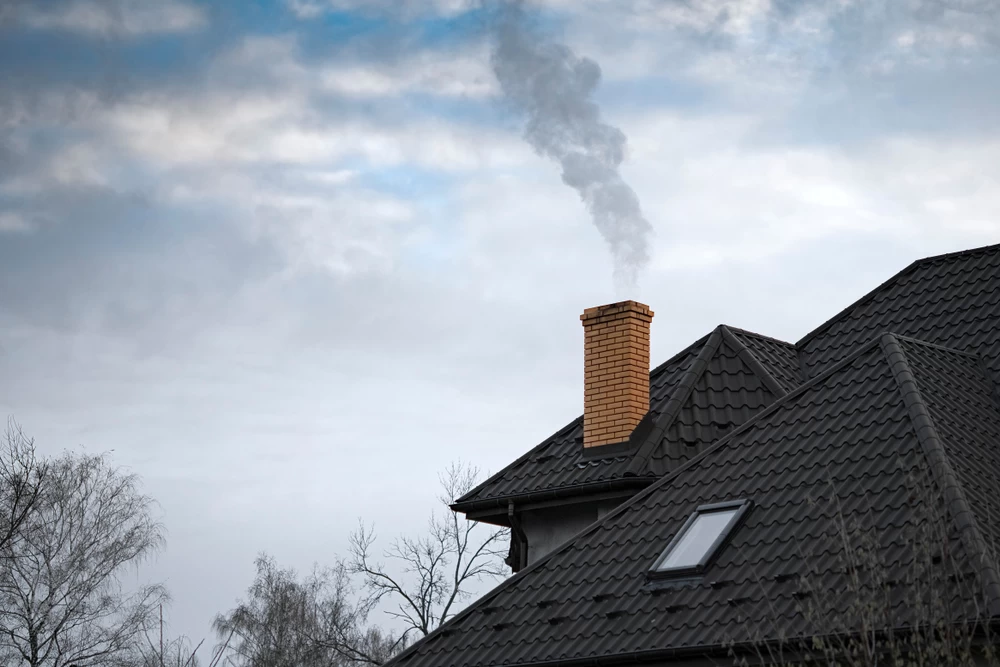
Draft problems don’t just make your fireplace less efficient—they can make it downright dangerous. When your chimney doesn’t draw properly, smoke backs up into your home, bringing carbon monoxide and other toxic gases with it.
Poor draft usually stems from one of several causes: blockages in the chimney, problems with the chimney cap, issues with the damper, or even problems with your home’s air pressure. Understanding these causes helps you address the right problem instead of guessing.
The good news is that many draft issues have straightforward solutions once you identify the root cause.
Quick answer
Blockages are the most obvious culprit, but they’re not always easy to spot. Bird nests, leaves, debris, or even excessive creosote buildup can restrict airflow enough to cause problems. Sometimes the blockage is partial—your fireplace might work fine with a small fire but struggle with larger ones.
Temperature differences play a bigger role than most homeowners realize. Your chimney works by creating a column of warm air that rises, pulling smoke up and out. If the temperature difference between inside and outside isn’t sufficient, or if the chimney stays too cold, you won’t get proper draft.
Competing air sources can sabotage your draft without you realizing it. Exhaust fans, HVAC systems, or even other fireplaces can create negative pressure that fights against your chimney’s natural draw. This is especially common in tightly sealed modern homes.
Structural problems with the chimney itself—damaged flue liners, incorrect sizing, or issues with the chimney height relative to your roofline—create draft problems that require professional solutions. These aren’t DIY fixes, but recognizing the symptoms helps you get the right help faster.
Wind conditions and weather patterns affect draft more than you might expect, especially here on Long Island where coastal conditions create unique challenges. Downdrafts from wind hitting your roof at certain angles can temporarily reverse your chimney’s draw, pushing smoke back into your home. Consistent problems during certain weather conditions point to structural solutions like wind-resistant chimney caps.
Quick answer
The line between DIY maintenance and professional intervention isn’t always clear, but there are definite signals that should send you reaching for the phone instead of your toolbox.
Any time you smell gas around your fireplace, stop using it immediately and call for professional help. Gas leaks aren’t DIY territory, and the risks of getting it wrong are too high. The same goes for any situation where you suspect carbon monoxide issues—headaches, dizziness, or flu-like symptoms that improve when you leave the house.
Structural damage requires professional assessment. Cracks in the chimney crown, damaged flue liners, or problems with the chimney masonry Long Island need expert evaluation. What looks like a small crack from the ground might indicate serious structural issues that could lead to chimney collapse or house fires.
Persistent draft problems that don’t respond to basic cleaning and maintenance need professional diagnosis. A trained technician can identify whether you’re dealing with sizing issues, installation problems, or damage that’s not visible from your vantage point.
Water intrusion issues—stains on walls near the chimney, rust on metal components, or white staining on the chimney exterior—indicate problems with flashing, caps, or crown work that require specialized knowledge and tools to fix properly.
Professional cleaning becomes necessary when creosote buildup reaches one-eighth inch thickness or when you can’t remove buildup with standard brushes and tools. Creosote is highly flammable, and improper removal techniques can actually make fire risk worse rather than better.
The decision often comes down to risk versus reward. DIY maintenance saves money and helps you stay connected to your home’s systems, but professional intervention protects your family’s safety and your property investment. When in doubt, err on the side of caution.
Fireplace maintenance isn’t complicated, but it is critical. The few hours you invest in regular upkeep and the cost of annual professional inspection pale in comparison to the expense and danger of neglect.
Remember the key principles: establish a regular maintenance schedule, handle the tasks you can safely manage yourself, and don’t hesitate to call professionals when you encounter problems beyond your expertise. Your fireplace should enhance your home’s comfort and value, not create worry about safety or efficiency.
For Nassau and Suffolk County homeowners who want the peace of mind that comes with expert care, we provide the professional services that keep your fireplace system operating safely and efficiently throughout the heating season and beyond.
Article details:
Share:
Continue learning: