Nassau County's coastal climate demands a different chimney maintenance approach than inland properties. Here's your season-by-season schedule for keeping your system safe.
Share:
You’re not overthinking this. Your Nassau County chimney does need different care than your cousin’s chimney in Pennsylvania. The salt air coming off the Atlantic isn’t just affecting your car—it’s corroding your chimney cap, attacking your mortar joints, and accelerating wear on every metal component in your system. Maritime moisture means your masonry never fully dries between weather events. Those freeze-thaw cycles everyone talks about hit harder here because the bricks are already saturated.
Most homeowners wait until October to think about their chimney, right when everyone else is calling too. By then you’re looking at weeks of wait time and the risk of discovering problems when you actually need your fireplace. Here’s what your chimney needs throughout the year, when to schedule service, and why timing matters more than most people realize.
Quick answer
Your chimney isn’t just moving smoke out of your house. It’s your first line of defense against carbon monoxide poisoning, chimney fires, and structural damage that starts small and gets expensive fast.
Every time you burn a fire, you’re creating creosote—a tar-like substance that sticks to your flue walls. It’s highly flammable and can ignite at temperatures as low as 451 degrees. Just an eighth of an inch of buildup is enough to cause a fire. That’s not a lot. One season of regular use can get you there.
But here’s where Nassau County is different. The maritime humidity in the air makes those creosote deposits stickier and harder to remove than what builds up in drier climates. Your flue doesn’t fully dry out between uses the way it would inland. That means more persistent buildup and more frequent cleaning needs—sometimes twice per heating season instead of once.
Quick answer
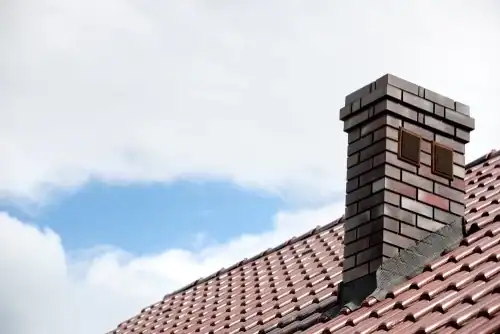
Salt air isn’t just corrosive—it’s relentless. Every breeze off the Atlantic or the Sound carries microscopic salt particles that land on your chimney cap , your flashing, your damper, and every other metal component in your system. Over time, that salt accelerates rust and corrosion at rates inland properties never experience.
The same thing happens to your masonry, just slower. Salt penetrates brick and mortar, working its way into the porous materials. When temperatures drop below freezing, any moisture trapped in those materials expands by about nine percent. That creates tremendous internal pressure. In a climate where masonry can actually dry out between wet periods, this isn’t as destructive. But Nassau County’s year-round humidity means your chimney stays damp. The masonry doesn’t get a chance to fully dry before the next rain, the next nor’easter, or the next humid summer day.
This is why you see white chalky deposits—called efflorescence—on so many Long Island chimneys. It’s a visible sign that moisture is penetrating the masonry and bringing salts to the surface. It’s also a warning that freeze-thaw damage is probably happening inside where you can’t see it yet.
Your chimney crown takes the worst of it. It’s the cement cap at the top of your chimney, and it’s exposed to every storm, every freeze, and every bit of salt air that comes through. Cracks in the crown let water into the chimney structure, where it spreads to your roofline and causes damage that costs thousands to repair. A $300 spring inspection catches crown cracks while they’re still a few hundred dollars to fix. Skip that inspection, and you’re looking at $3,000 to $5,000 for liner replacement, crown rebuilding, or masonry repairs after water damage spreads.
Quick answer
Spring brings the damage assessment. After months of winter use, your chimney has accumulated soot, creosote, and whatever debris made it past your cap. More importantly, the freeze-thaw cycles and coastal storms of winter may have caused cracks, deterioration, or water infiltration that needs chimney leak repair before next season.
This is the best time for your annual cleaning and inspection. We have better availability than we will in fall. You’re not competing with everyone else who suddenly remembered they have a chimney. And if the inspection reveals problems—a cracked crown, deteriorating flashing, or a damaged liner—you have months to address them instead of scrambling for emergency chimney repair Long Island crews in October.
Summer’s maritime humidity creates its own challenges. Dormant flues can develop condensation and even mold growth from the Atlantic moisture in the air. This is when animals decide your uncapped chimney looks like great real estate. Raccoons, squirrels, and starlings are all common on Long Island, and they’re all happy to nest in your chimney if you let them. Summer is also the ideal time for major repairs, waterproofing treatments, or any work that requires extended access to your roof.
Fall is preparation season. Before you light your first fire, you need to know your chimney is ready. That means confirming there’s no blockage from summer nesting, no deterioration that happened while the system sat idle, and no creosote left over from last season that could ignite. September and early October are when you want this done—before the rush, before the cold weather hits, and before you actually need your fireplace.
Winter is monitoring season. If you’re using your fireplace regularly, you should be watching for signs of problems. Smoke backing into your room means something’s blocking proper draft. Difficulty starting or maintaining fires often indicates creosote restricting airflow. Strong odors, especially during humid weather, usually mean buildup is developing. Heavy users who burn fires daily may need a mid-season cleaning to prevent dangerous accumulation.
Quick answer
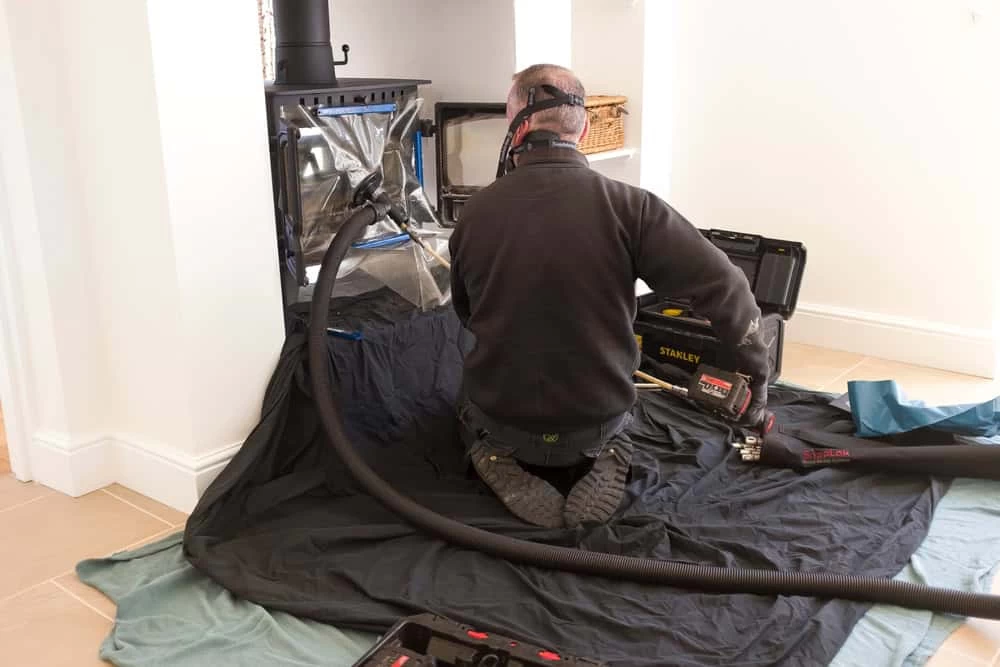
Professional chimney cleaning isn’t just running a brush up your flue. It’s a complete system inspection that identifies problems while they’re still manageable.
The National Fire Protection Association sets the standards through NFPA 211, which defines three levels of inspection. Level 1 is what comes with your annual cleaning—a visual examination of all accessible parts to verify structural soundness, check for obstructions, and confirm there’s no dangerous creosote buildup. Level 2 is more thorough, using camera equipment to examine the flue interior and checking areas like your attic and crawl space. Level 3 involves opening walls or removing chimney components when serious hidden damage is suspected.
Most Nassau County homeowners need Level 1 annually, with Level 2 when buying or selling a home, after a chimney fire, or when making changes to their heating system. The inspection component matters as much as the cleaning itself, because it catches coastal-specific damage before it becomes expensive.
Quick answer
Wood-burning fireplaces need the most attention. If you’re using yours regularly—three to four times a week during heating season—you should be looking at cleaning every six months. The creosote accumulation from wood combustion is significant, and in Nassau County’s humid climate, it builds up faster and sticks harder than in drier areas.
Occasional users can usually stick with annual cleaning, but that’s still annual. Even if you only burn a few fires each winter, you’re still creating creosote deposits. You’re also giving animals all year to decide your chimney is a good nesting spot. An annual inspection catches both issues before they become hazards.
Gas fireplaces burn cleaner than wood, but they’re not maintenance-free. You still need annual inspection to check gas connections for leaks, examine the burner and pilot assembly, verify proper flame color, and inspect venting for blockages or deterioration. Yellow or orange flames instead of blue indicate incomplete combustion and potential carbon monoxide production. That’s not something you want to discover on your own.
Oil flues typically need annual cleaning. They don’t produce creosote like wood, but they do create soot deposits that can restrict airflow and reduce heating efficiency. More importantly, annual inspection catches deterioration in the flue liner or venting system before it becomes a safety issue.
The real variable is Nassau County’s coastal climate. Chimneys here often need more frequent service than the same systems would require inland. Maritime moisture makes deposits more persistent. Salt air accelerates component wear. If we recommend twice-yearly service, it’s because we’ve seen what happens to coastal chimneys that only get annual attention.
Quick answer
Some problems can’t wait for your scheduled maintenance. Smoke backing into your home when you light a fire means something is blocking proper draft—either creosote buildup, an obstruction in the flue, or a damper that’s not opening correctly. Don’t keep using your fireplace hoping it resolves itself. You’re filling your home with smoke and potentially carbon monoxide.
Difficulty starting or keeping fires going often indicates the same thing—restricted airflow from buildup or blockage. Your fire needs oxygen to burn properly, and if the chimney can’t draft correctly, you’re not getting adequate air movement. This gets worse as more creosote accumulates, creating a compounding problem where poor combustion creates more deposits, which further restrict airflow.
Strong odors coming from your fireplace, especially during humid weather, usually mean creosote buildup is significant. The moisture in the air reacts with the deposits, creating that distinctive tar-like smell. It’s telling you there’s enough buildup to be noticeable, which means there’s enough to be dangerous.
White staining on your chimney’s exterior—that efflorescence we talked about earlier—means water is penetrating your masonry and bringing salts to the surface. This is particularly common in Nassau County’s coastal environment. It’s not just cosmetic. It’s evidence that moisture is getting into your chimney structure, which leads to freeze-thaw damage, deteriorating mortar joints, and eventually structural problems.
Visible cracks in your chimney crown, loose or missing bricks, or rust on metal components all warrant immediate professional assessment. These aren’t problems that improve with time. They’re warnings that your chimney’s integrity is compromised, and continued use could be dangerous. Water infiltration through cracks spreads to your roofline. Structural instability gets worse with every freeze-thaw cycle. Rusted components fail when you’re actually using the system.
Your fireplace maintenance schedule should match how you actually use your system and account for the coastal climate challenges your property faces. Spring cleaning after heating season catches winter damage and beats the fall rush. Fall inspection before first use confirms everything’s ready. And if you’re a heavy user burning daily fires, mid-season cleaning prevents dangerous creosote accumulation.
The cost comparison isn’t between different chimney companies—it’s between regular maintenance and emergency repairs. A few hundred dollars annually catches problems while they’re still small fixes. Skip that maintenance, and you’re looking at thousands for repairs after damage spreads.
Nassau County’s salt air, maritime moisture, and freeze-thaw cycles mean your chimney and fireplace need attention from someone who understands coastal conditions. We’ve been handling these specific challenges since 2006, with licensed specialists, owner-present service for every job, and expertise in what Long Island chimneys actually face. Your system gets the comprehensive care it needs to handle another heating season safely.
Article details:
Share:
Continue learning: