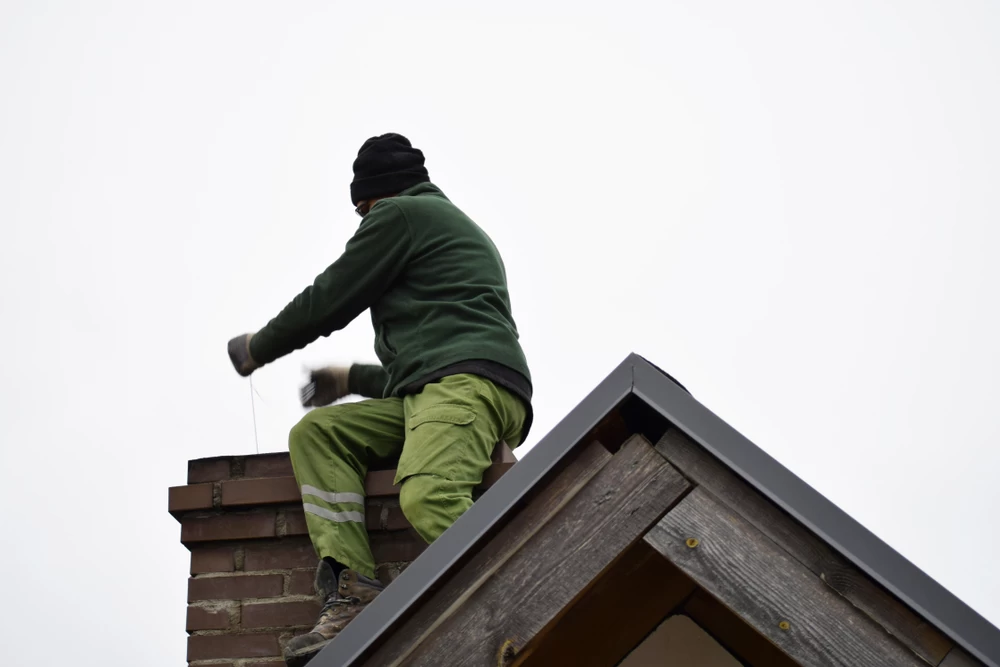
What are Chimney Inspections For?
Level 1, 2 and 3 chimney inspections explained, and when your home needs each one.
Level 1, 2 and 3 chimney inspections explained, and when your home needs each one.
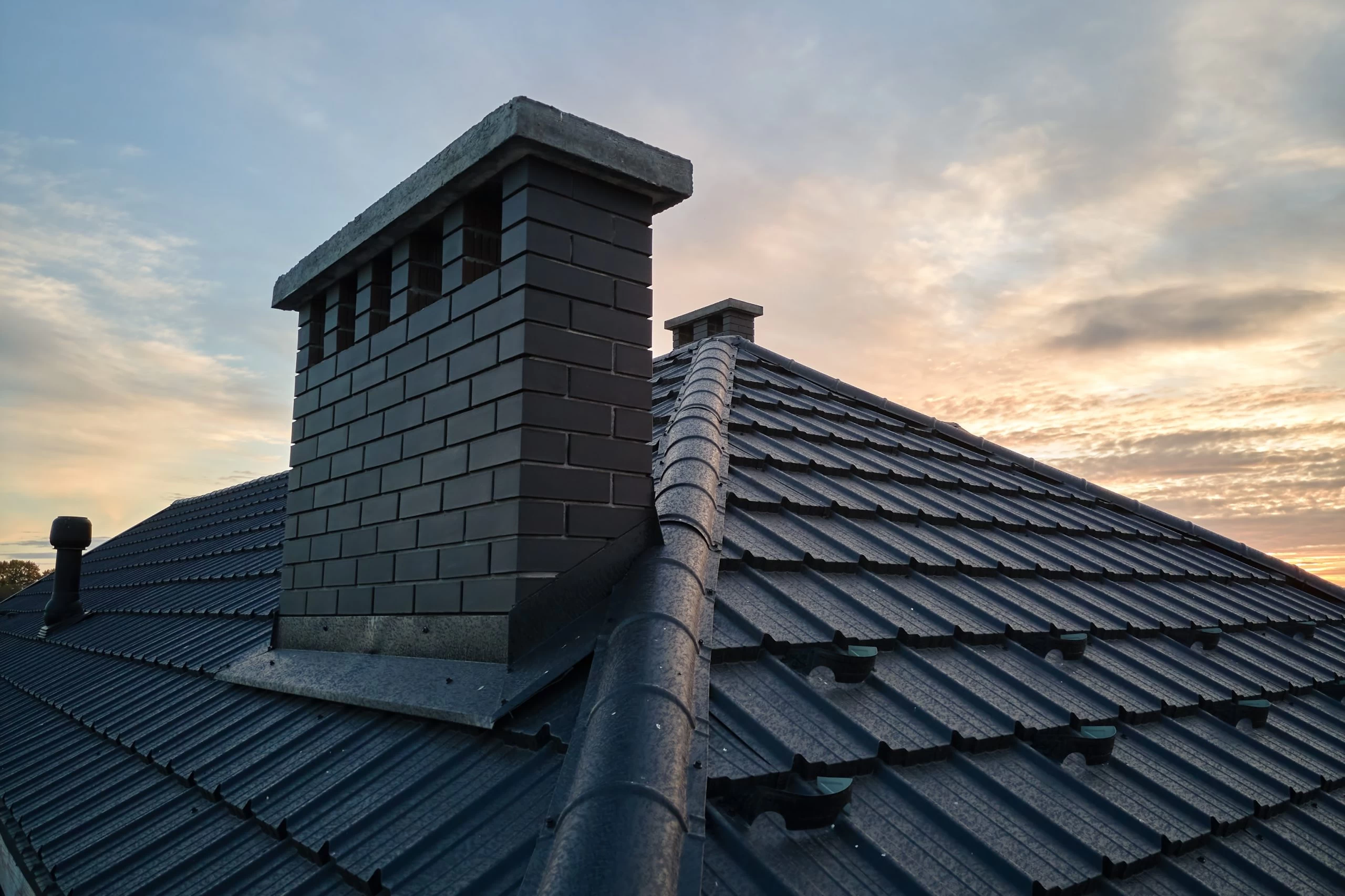
How relining your chimney improves performance, lowers fire risk and helps meet building codes.
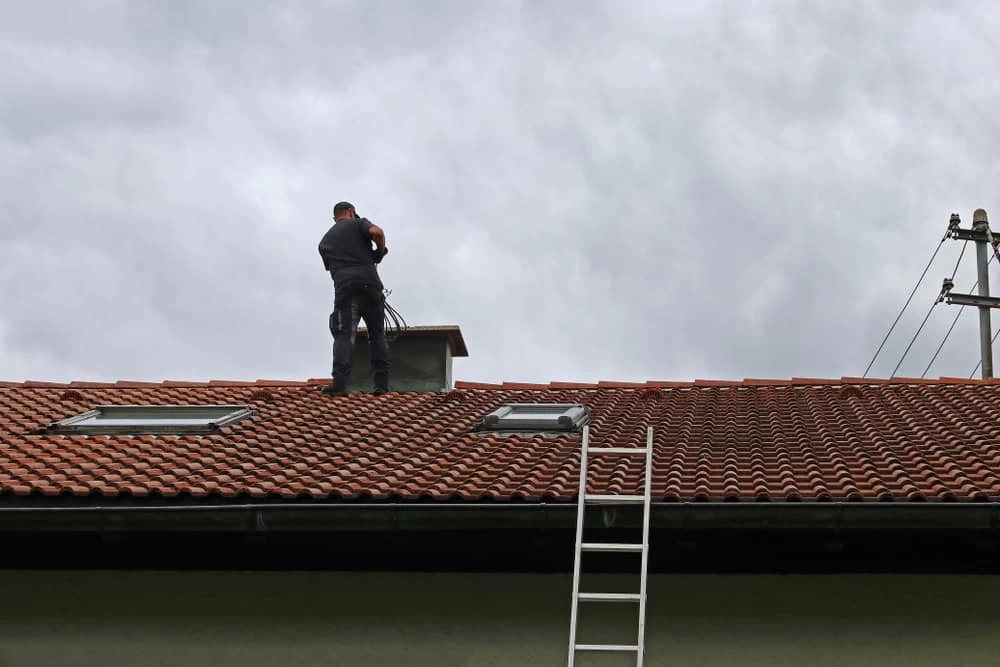
The chimney services Long Island homes need: cleaning, repairs, inspections and more.
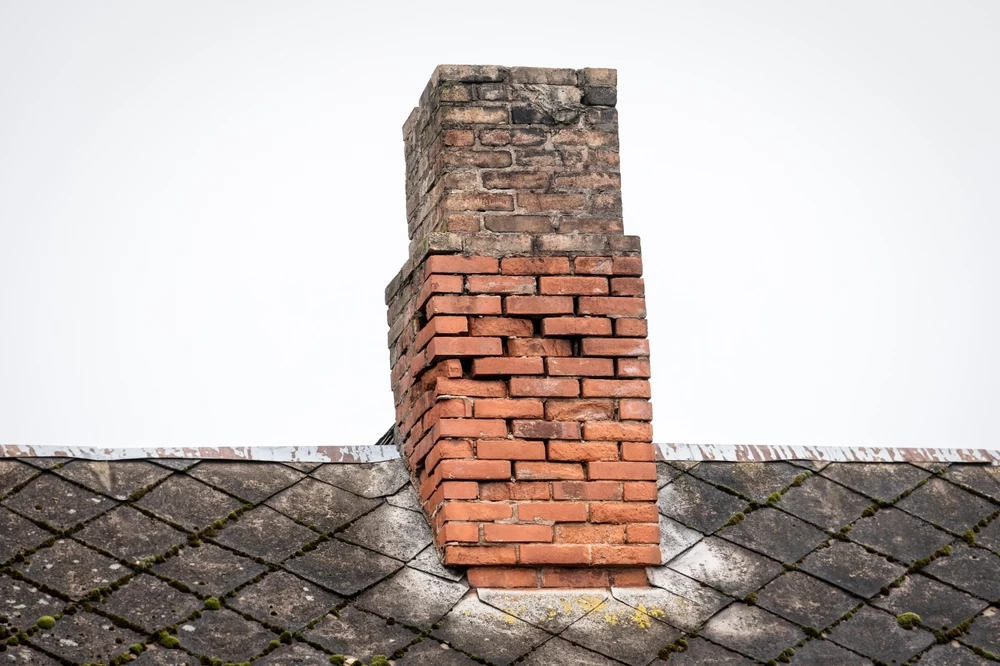
Key chimney repairs, like cracks, worn mortar joints and blocked flues, that keep your home safe.
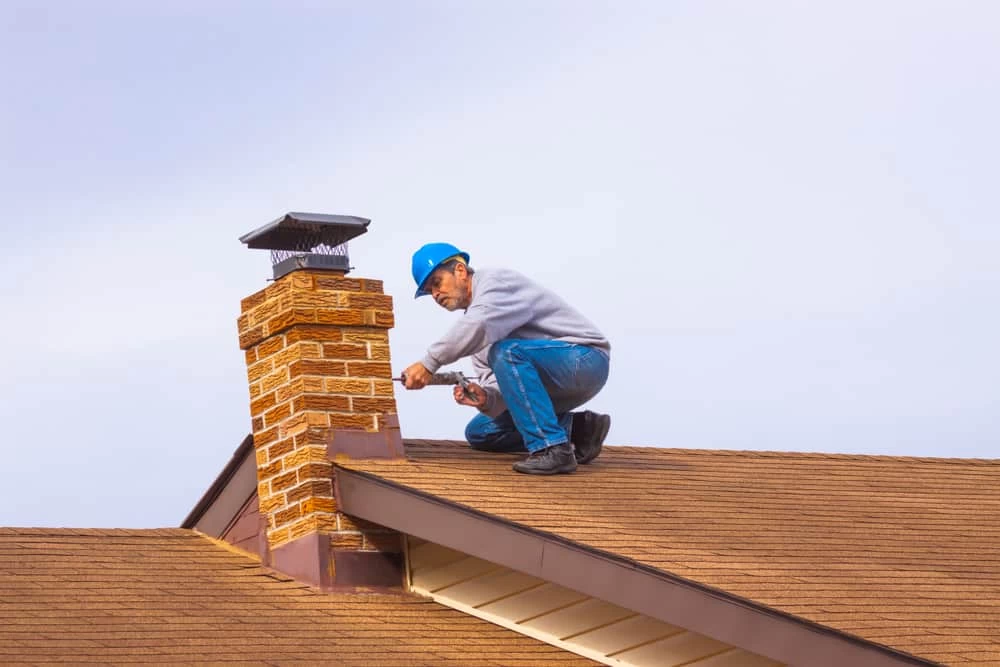
Chimney installation for new homes and remodels, and the local building codes it must meet.
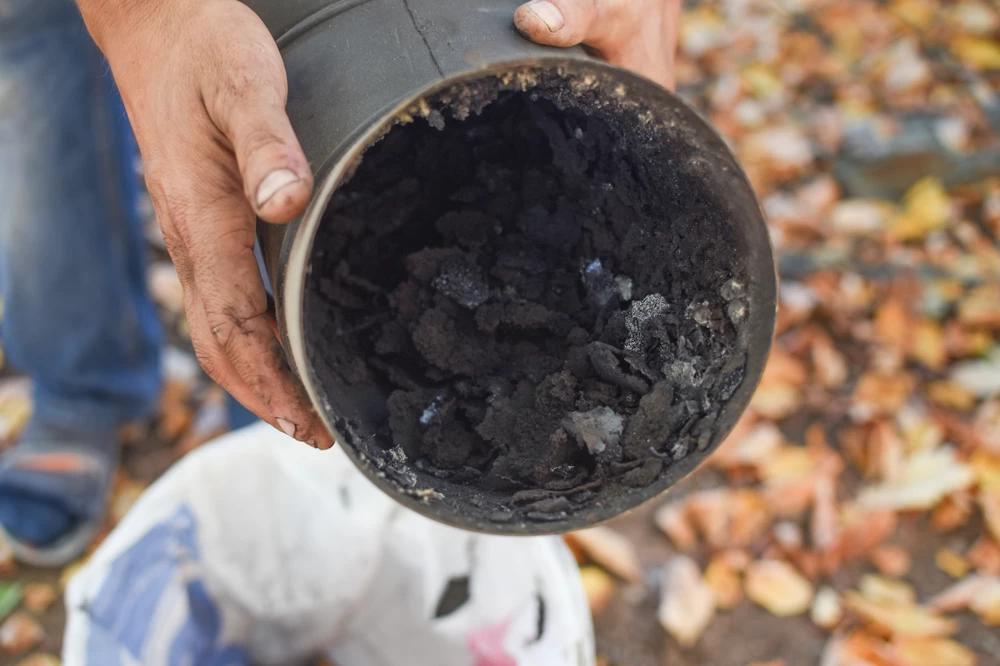
How chimney cleaning prevents fires, improves heating and lowers carbon monoxide risk.
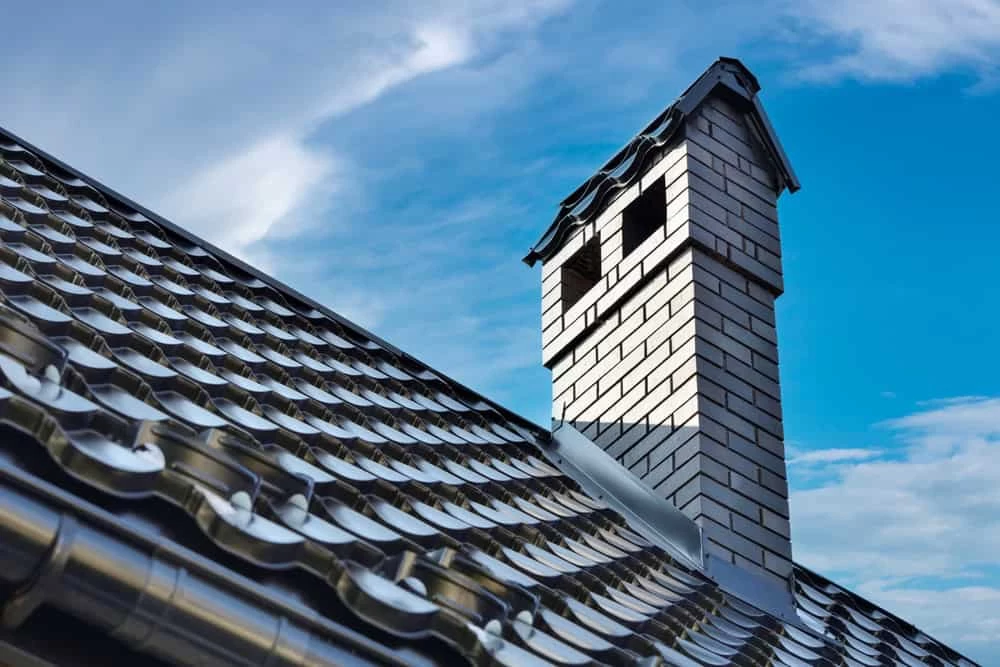
Why regular chimney inspections matter for Long Island homes.
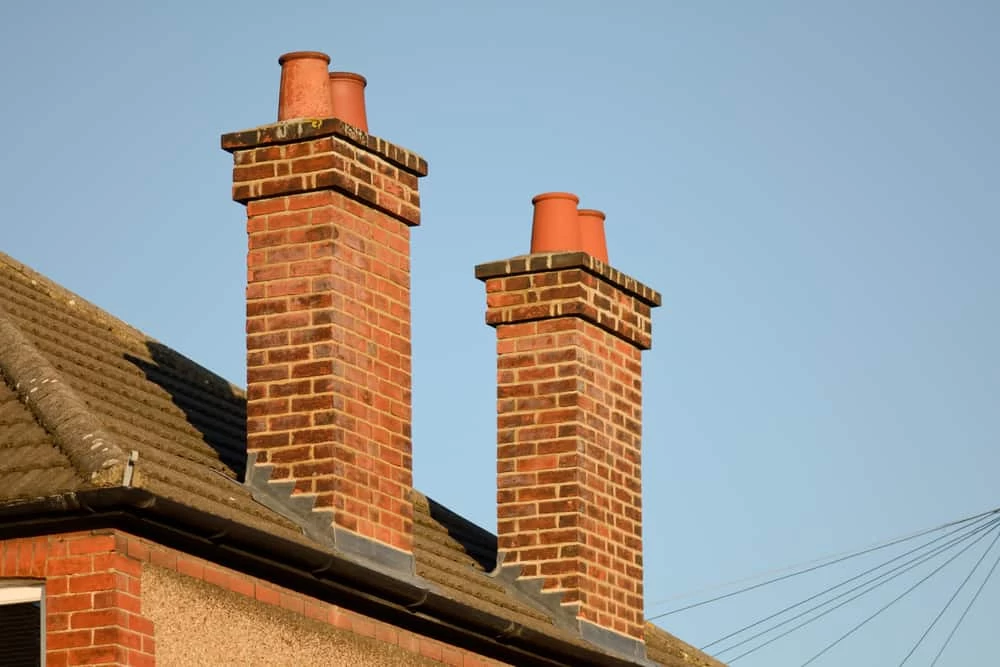
When to replace your chimney liner: the warning signs and the benefits.
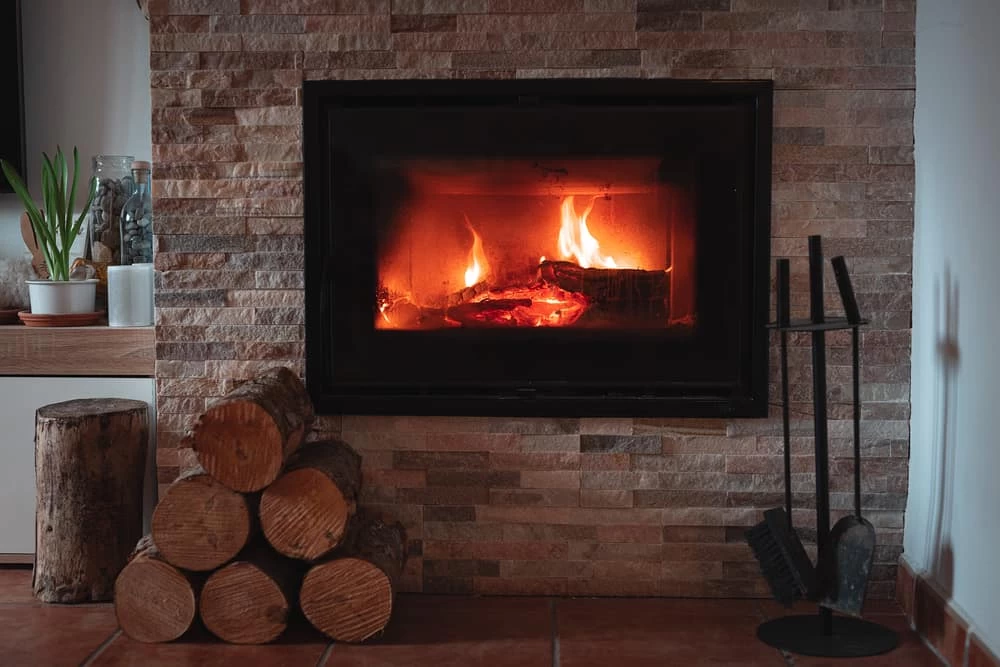
How to find and fix common fireplace smoke problems.
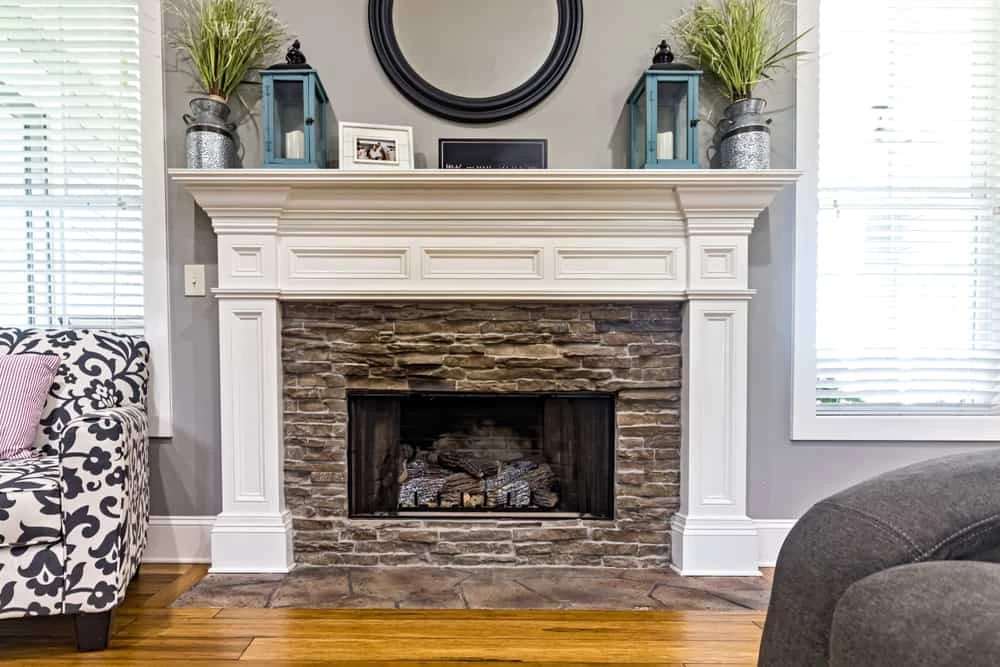
How to get your chimney and fireplace ready for winter.
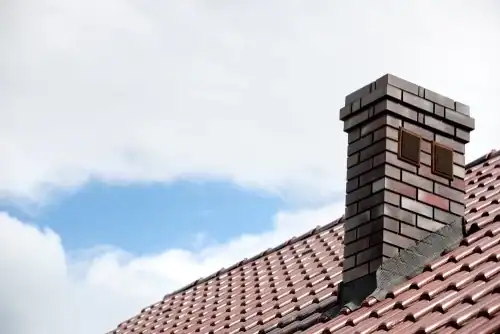
The crown is the slab at the very top of a chimney. It is small, it is cheap to look after, and when it cracks the water goes into the masonry.
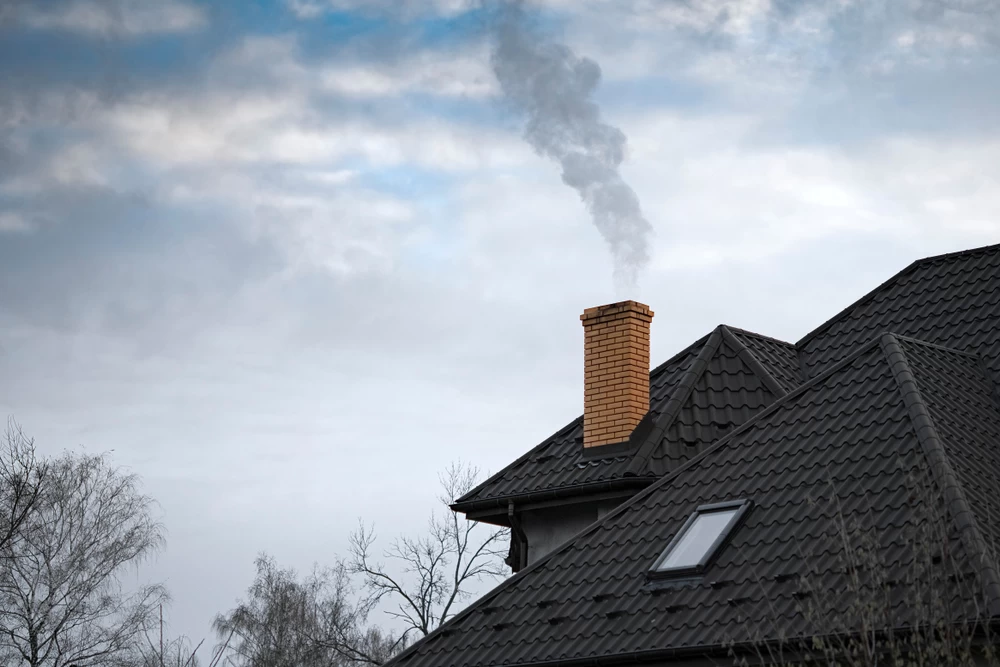
Smoke entering the room is a stop-use signal, not a thing to work around. The decision first, then the causes and what separates them.
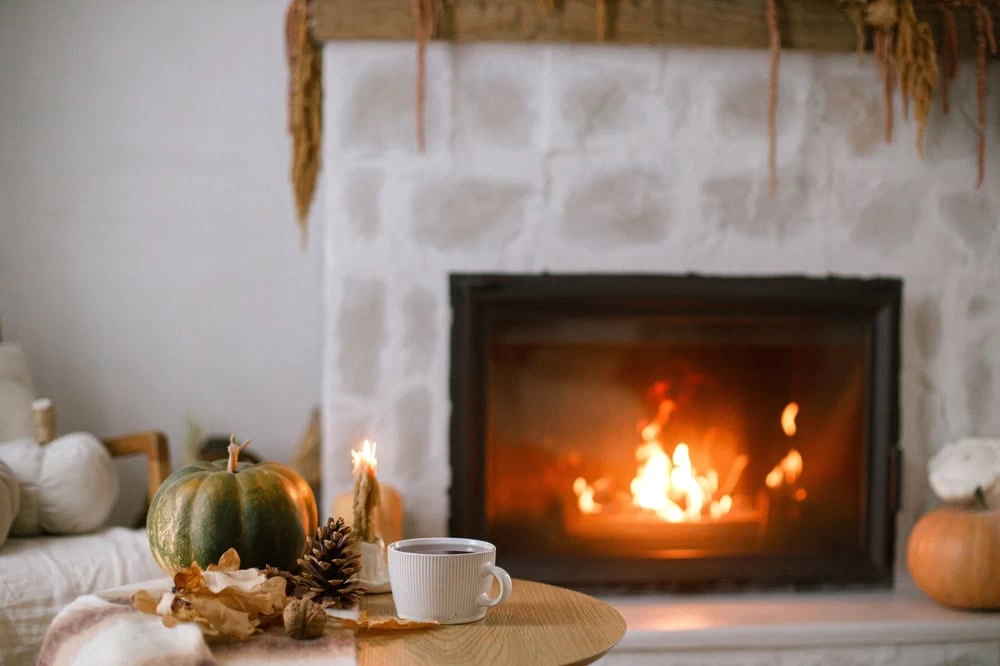
A full house, a busy oven and a fire in the living room. Here is how to run all three on Thanksgiving Day without anything going wrong.
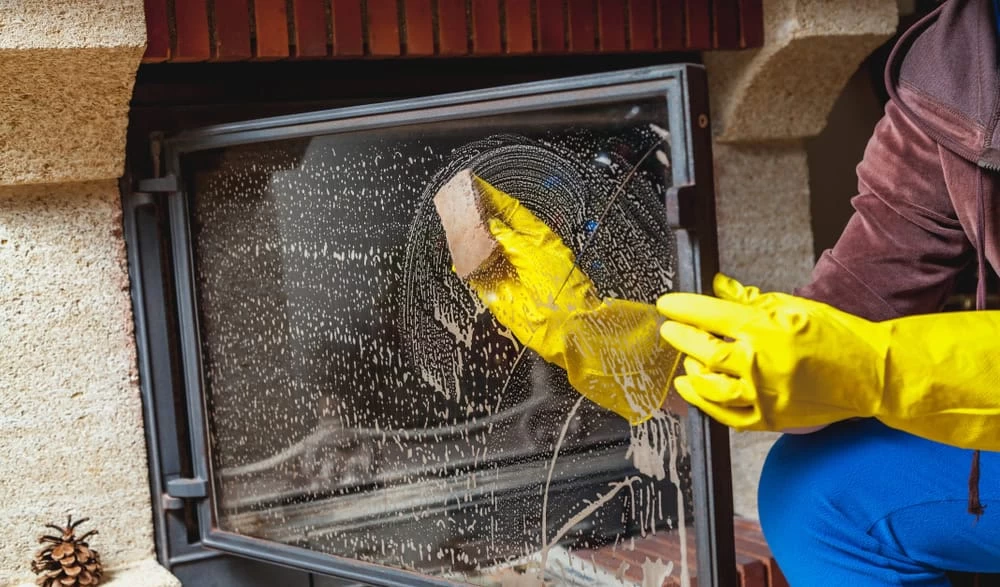
Ashes stay dangerous longer than they look. A metal container with a lid, kept outside and well away from the building, is the whole answer.