Your complete guide to fireplace and chimney safety inspections, featuring a downloadable checklist for Long Island homeowners.
Share:
Quick answer
The National Fire Protection Association doesn’t recommend annual chimney inspections just to keep contractors busy. They know that going years without an inspection puts residents and their families at serious risk, creating potentially costly issues. Your chimney system works harder than you might realize, dealing with extreme temperature changes, moisture, and combustible byproducts every time you light a fire.
Long Island’s weather patterns make regular inspections even more important. Nassau County’s seasonal shifts mean fireplaces work hard to keep homes comfortable, and proper maintenance prevents problems like chimney fires, ventilation issues, and carbon monoxide risks. The cost of prevention is always less than the cost of emergency repairs.
Most homeowners can’t see inside their chimney system to know what’s really happening. Because you cannot see inside the chimney system, a resident can’t know the conditions, which is exactly why professional inspections and systematic checklists matter so much.
Quick answer
Skipping your annual fireplace inspection isn’t just risky—it can be deadly and expensive. Every time you use your fireplace, a substance called creosote builds up, which is highly flammable and becomes more difficult and expensive to clean the longer it builds up inside the flue lining. If it builds up in sufficient quantities and the internal flue temperature is high enough, the result could be a chimney fire.
But chimney fires aren’t the only concern. During inspections, technicians may discover that your damper is defective or that your flue and liner are blocked. When smoke and carbon monoxide don’t have a clear path out of your chimney, it can back up into your home where you and your family will inhale it, which is hazardous and, in some cases, fatal.
The financial impact can be just as devastating. If not properly inspected at least once a year and thoroughly maintained, the cost of Nassau County chimney repairs can climb into the thousands. Water damage, structural problems, and emergency repairs all cost significantly more than routine maintenance.
Your homeowner’s insurance adds another layer of concern. Many homeowners insurance policies require regular inspections to compensate you for fire-related damages. If you neglect to inspect your chimney, potential fire-related accidents or damage may not be covered. That’s a risk most Long Island families can’t afford to take.
Quick answer
Not all chimney inspections are created equal. NFPA standards define three levels of inspections, with Level 3 being the most detailed and appropriate whenever hazardous conditions may exist. This level is required if it appears that construction of the chimney area or clearances are inadequate or that safety may have been compromised by some event, such as an earthquake or lightning strike.
Level 1 Chimney Inspection is the minimum requirement for any appliance or venting system and is the most common inspection. If you plan to use your appliance or venting system the way you always have and under the same conditions, a Level 1 inspection will be sufficient. This covers the basics that most homeowners need for routine annual maintenance.
Level 2 is appropriate for newly purchased homes or if changes to the system are anticipated, such as switching from an oil-burning furnace to one that uses natural gas. It requires a visual inspection of all internal surfaces, including flue liners and joints, with the most common method being video scanning with special cameras.
Understanding these levels helps you communicate with contractors and ensures you get the right type of inspection for your situation. Most Long Island homeowners need Level 1 inspections annually, but if you’re buying or selling a home, or if you’ve had any system changes, a Level 2 inspection provides the thorough assessment you need. Our chimney inspection page sets out what each level covers and when the standard calls for one.
Quick answer
A comprehensive fireplace inspection checklist covers both visible and hidden components that affect your safety. A chimney inspection checklist should include checking the interior and exterior of your chimney, its flashing, cap, crown, damper, and more. Professional inspectors know exactly what to look for, but homeowners can spot many potential problems with the right guidance.
There are many scenarios that can lead to a chimney being at-risk, leaving your home vulnerable and your health in danger. Safety-related items in your inspection checklist should include ventilation checks to see that your chimney is allowing for good airflow and escape for smoke, since compromised ventilation can cause carbon monoxide buildup.
The systematic approach matters because small problems can quickly become big ones. What starts as a minor crack in your chimney crown can lead to water damage, structural issues, and expensive repairs if left unchecked.
Quick answer
Your exterior chimney inspection should start from the ground and work its way up. Before your inspection, look closely at the outside of your fireplace and chimney for any visible damage, cracks, or signs of loose bricks. When the inspector arrives, ensure they thoroughly examine these critical areas and discuss anything you’ve noticed.
Cracks or breaks in masonry could be a fire hazard, but typically water entry around the chimney is the main issue. Water absorbs into masonry naturally, and cracks through the crown or brickwork can allow water in faster, so checking the masonry is another essential item to add to your chimney inspection checklist.
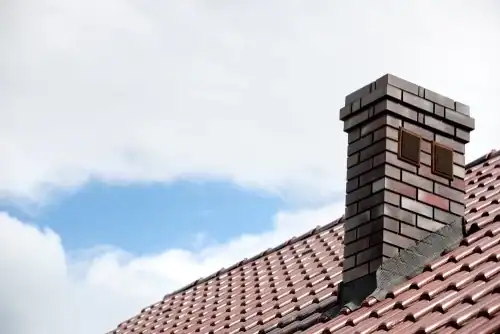
Pay special attention to the chimney cap and crown. Ensure that the chimney cap is in place and in good condition. The cap protects your chimney from rain, snow, and animals, while the crown diverts water away from the chimney structure. Both components are critical for preventing water damage and maintaining structural integrity.
Look for signs of animal activity or debris. Chimney caps play a vital role in protecting your chimney from weather, debris, and unwanted animals. Anything coming into the chimney from the outside indicates a flaw with, or absence of, a chimney cap, so look for signs of foreign objects like debris, twigs, leaves, or trash that windy days can bring into your chimney. Animals find open chimneys to be great nesting spots, so keep an eye and ear open for signs of wildlife.
Quick answer
Interior inspections require careful attention to components you can see and awareness of what you can’t. Look inside your fireplace and into your chimney. If you notice visible cracks, loose bricks, or signs of deterioration, these could indicate structural issues or damage. However, it’s common not to see much from ground level without specialized tools, which is why we use specialized camera inspection tools to identify risks in areas most homeowners can’t see.
Check your damper operation by opening and closing it while looking up into the flue. The damper should move smoothly and seal completely when closed. If you have a leaky damper you could be adding hundreds of dollars to your heating costs per year, so this simple check can save you money while ensuring proper ventilation.
Examine the firebox for cracks, damaged firebrick, or missing mortar. Cracks can cause venting problems and become a safety hazard. An annual inspection can detect any dangerous cracks or leaks and they can be addressed or repaired immediately. The firebox takes the most direct heat and stress, so it’s often the first place problems develop.
Look for signs of water intrusion, rust, or white staining (efflorescence) on interior surfaces. These indicators suggest moisture problems that can lead to structural damage and create conditions for mold growth. We use moisture meters and other tools to detect problems that aren’t visible to the naked eye, but homeowners can spot many obvious signs with careful observation.
The best fireplace inspection checklist is one you actually use consistently. Chimney cleaning services Long Island experts suggest that you have your chimney and fireplace serviced at least once a year, with twice-yearly cleaning and maintenance also suggested—schedule a service in the fall to prepare for winter months and then in the spring to service and clean up after the cold winter when your chimney is working at its fullest capacity.
Even with regular homeowner checks, a professional inspection is crucial. We have the tools and expertise to identify and fix problems that might not be apparent to the untrained eye. Your checklist helps you stay aware of your system’s condition between professional visits and ensures you can communicate effectively with your chimney service provider.
For Nassau, Suffolk, and Queens County homeowners, partnering with a reliable local company like us at Ageless Chimney ensures you have professional expertise when you need it most. Regular maintenance, combined with systematic inspections using a comprehensive checklist, keeps your fireplace safe, efficient, and ready to provide years of comfortable warmth for your family.
Article details:
Share:
Continue learning: