The Fire Is Lit and the Room Is Still Cold. Here Is Why

An open fireplace pulls household air up the flue to feed the fire. Sometimes it pulls out more warmth than the fire puts back. Here is the mechanism.

Share:

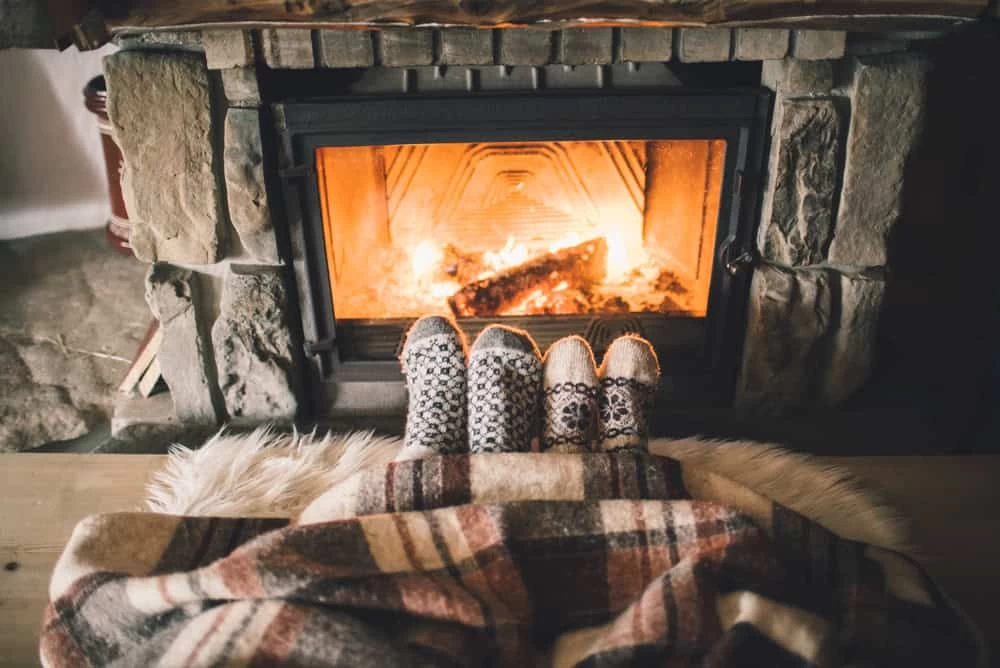
Three pairs of feet in cozy slippers rest on a bench in front of a lit stone fireplace. A warm plaid blanket covers them, creating a cozy atmosphere.

A fire needs air, and an open fireplace takes that air from the room. Every cubic foot that goes up the flue is replaced by outside air pulled in somewhere else in the house, through gaps, vents and around doors. That replacement air arrives at whatever temperature it is outside.

So an open fireplace is doing two things at once: radiating heat into the room in front of it, and exhausting warmed household air out of the top of the building. The first one is why fireplaces are pleasant. The second one is why the back bedroom gets cold while you sit there enjoying it.

Nobody is doing anything wrong in that description. It is worth understanding anyway, because it explains several complaints that otherwise look like separate problems.

The mechanism, in one picture

Where the warmth goes
The fire draws airCombustion needs a continuous supply, and an open firebox takes it from the room.
▼
Air leaves up the flueHot combustion gases rise, and they carry warmed room air with them.
▼
The house replaces itOutside air is pulled in through every gap, vent and gap around a door.
▼
Rooms away from the fire get colderThey are now being fed with cold replacement air.
▼
Net result depends on the balanceRadiant heat gained in front of the fire, versus warmed air lost up the chimney.
This is why the effect is strongest in rooms furthest from the fireplace, and why it feels worse on a windy night.

The balance tips differently in different houses. A large open firebox in a drafty house loses that contest badly. A smaller firebox with glass doors in a tighter house does better. Neither is unusual.
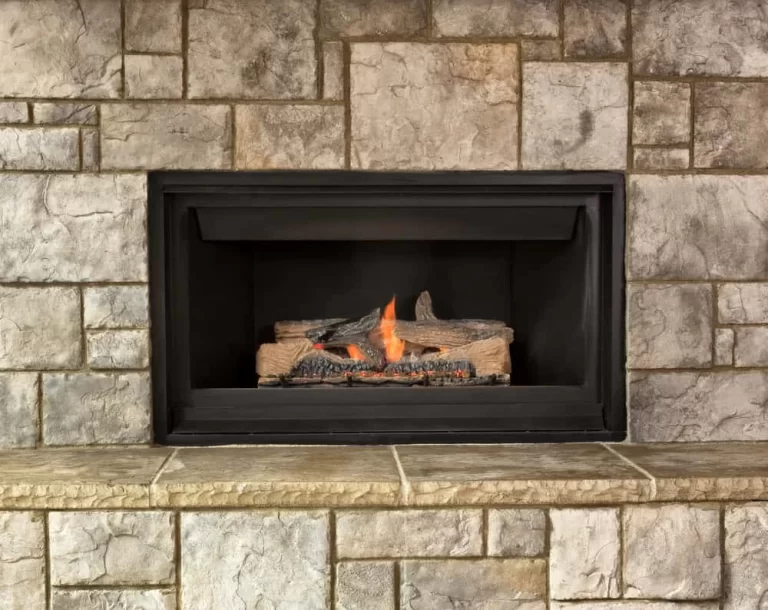
Stone fireplace with a black surround and burning logs producing low flames in a furnished living room
The room in front of an open fire feels warm because of radiant heat. The rest of the house is being fed with the cold air that replaces what went up the flue.

What makes it noticeably worse

Common contributors
What is going onWhy it makes the house colder
The damper will not close fully, or there is no damperThe flue is open even when there is no fire, so the house loses air continuously rather than only while you are burning.
No glass doors on an open masonry fireboxNothing limits how much room air the opening can feed to the fire.
Other exhaust running at the same timeA range hood, bathroom fan or dryer moves air out too. In a tight house they and the fireplace compete for the same supply.
Burning wet woodMore of the fire’s energy goes into driving off water instead of heating the room, and it smokes more while doing it.
A very large firebox for the room it servesScale works against you. A big opening moves a lot of air.
Windy weatherPressure differences across the building change, which changes how much air is pulled through and from where.

The damper line at the top of that table is the one most worth checking, because it costs nothing to look and it affects the house all season rather than only while a fire is lit. We wrote the check up separately in how to tell if a damper is stuck, warped or missing.

What actually changes it

Honestly, in rough order of effort:

Worth doing
✓Get the damper sealing. A damper that closes flush when the fireplace is idle stops the all-season loss. If the existing one is warped or gone, a top-sealing damper closes at the top of the flue with a gasket.
✓Burn dry wood. A hotter, cleaner fire puts more of its energy into the room and less into evaporating water.
✓Fit or close glass doors. They limit how much room air the fire can take while still letting radiant heat through.
✓Stop running other exhaust while a fire is lit. Free, and it also reduces the chance of smoke spilling into the room.
✓Consider an insert or a stove. This is the one that changes the answer rather than improving it. A closed appliance takes a controlled amount of air and is designed around getting heat into the room, which is the whole point of the EPA’s guidance on choosing a wood-burning appliance.

An insert or a stove is a bigger decision than it looks, because the chimney has to suit the appliance. Liner size and type are set by what the appliance requires, not by what is already in the chimney, which is why chimney liner work usually comes up in the same conversation. We covered the efficiency side of relining in how relining improves efficiency and safety.
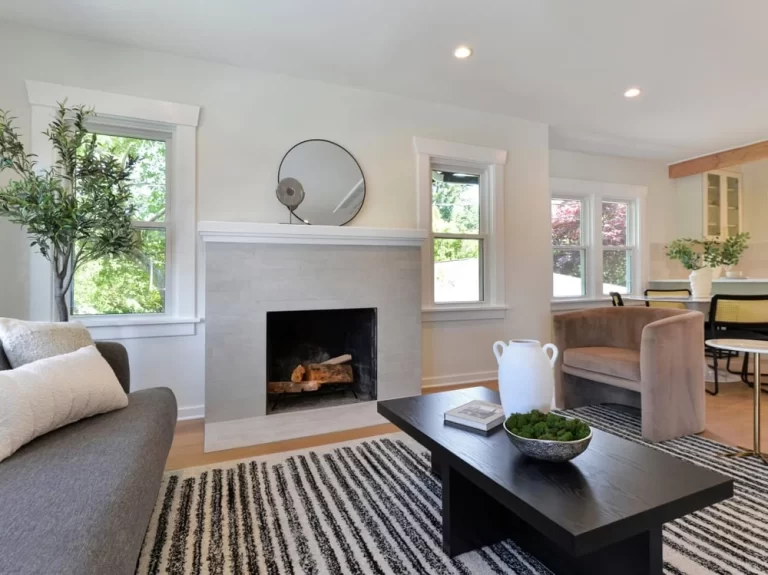
Modern living room with a gray sofa and a built-in fireplace set into a plain wall
A closed appliance controls the air it takes and is built to deliver heat to the room. That changes the answer rather than tuning the existing fireplace.

What this is not

Quick answer

  • Cold air coming down an idle chimney is a comfort issue, not the same as smoke.
  • If smoke comes into the room while a fire is burning, stop using the fireplace and have it assessed.
  • A fireplace that smells when it is not in use usually points to deposits or moisture, not airflow.

Two things get confused with the heat-loss effect, and both are worth separating out because one of them is a safety matter.

Smoke entering the room is a different problem. Cold air coming down an idle chimney is a comfort issue. Smoke coming into the room while a fire is burning means you stop using the fireplace and have it assessed, which is the EPA’s position as well. Do not treat a cold room and a smoky room as the same conversation.

The second confusion is an odor. A fireplace that smells when it is not in use is usually telling you about deposits or moisture rather than about airflow, though air movement is what carries the smell into the room. That has its own article: why a fireplace smells.

A Long Island wrinkle

Quick answer

  • Older Nassau and Suffolk County houses often leaked enough air that a large open fireplace never had to compete for it.
  • New windows, insulation and air sealing make the fireplace compete for air it used to get for free.
  • That is why a fireplace can seem worse after an unrelated home improvement, even though nothing changed in the chimney.

Housing stock here spans a wide range, and the fireplaces reflect it. A large open masonry firebox in an older Nassau or Suffolk County house was often built when the building leaked enough air that the fireplace never noticed. Tighten that house up with new windows, insulation and air sealing, and the fireplace suddenly has to compete for air it used to get for free.

That is why a fireplace can seem to get worse after an unrelated improvement. Nothing changed in the chimney. What changed is where the replacement air was coming from.
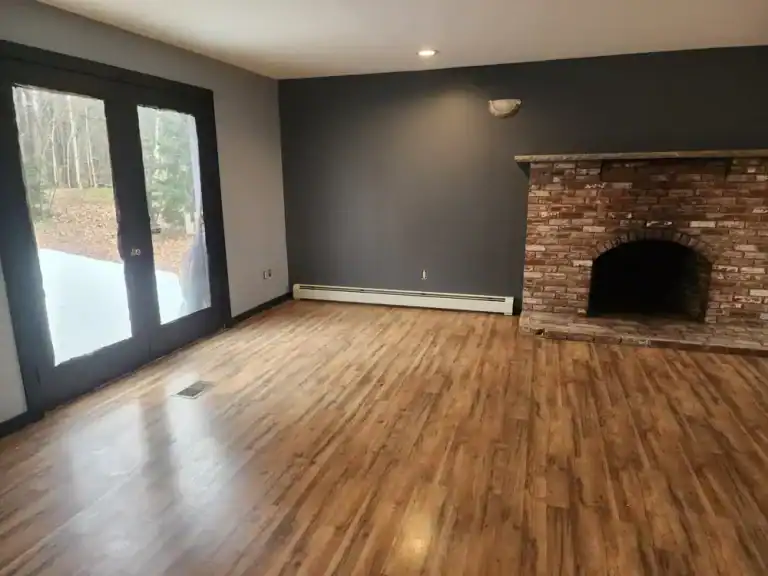
Empty living room in a Nassau County home with a traditional open masonry fireplace and bare walls
A large open firebox in an older Long Island house was often built when the building leaked enough air that the fireplace never had to compete for it.

When it is worth having someone look

Comfort on its own is a reasonable thing to call about, and it is often the same visit as a condition check. It becomes more than comfort if any of this is true:

  • The damper will not close, or is missing.
  • Smoke spills into the room, at any stage of a fire.
  • You are considering an insert or a stove, which makes the liner a live question.
  • There is staining, crumbling mortar or a visibly damaged stack.
  • The fireplace has not been inspected and you do not know the flue’s condition.

Questions homeowners ask

Questions homeowners ask
Is it true that a fireplace can make a house colder overall?
For an open masonry fireplace, yes, that is possible. It radiates heat into the room in front of it while exhausting warmed household air up the flue, and in some houses the second effect outweighs the first once you look past the room with the fire in it.
Do glass doors actually help, or do they just block the heat?
They do both, which is why the answer is a trade rather than a win. Closed doors cut how much room air the fire takes, and glass still passes radiant heat. Most people find the net effect positive on an open masonry firebox. Follow the manufacturer’s instructions for the doors, because some are not designed to be closed while a fire is burning.
Would an insert fix this?
It changes the appliance rather than tuning the existing one, and that is the point. A closed unit controls its air supply and is built to deliver heat to the room. The thing to know before you shop is that the chimney has to suit the appliance, and liner requirements come from the appliance’s own listing.
Should I close the damper partway while a fire is burning to lose less air?
No. Restricting the flue while a fire is lit is how smoke ends up in the room. The damper is open for a fire and closed once everything is completely cool.
Why does it feel worse on a windy night?
Wind changes the pressure difference across the building, which changes how hard air is pulled through the house and where it comes in. The fireplace has not changed. The conditions it is working in have.
Next step. Ageless Chimney works across Nassau County, Suffolk County and Queens. If the room is cold, the damper will not seal, or you are weighing up an insert, contact the office to discuss fireplace repair and what the chimney would need.

Article details:

Share: